- Alexa+ debuts personality modes, emotional understanding, and more context in responses
- The new Echo Studio reduces size and bass, but gains in clarity, smart features, and power for Alexa+
- Alexa+ personalities and voices are configured by voice or from the Alexa app with various styles and eight ringtones.
- Alexa+ is only available on a selection of Echo devices and its rollout in Spain is still limited

El Amazon's voice assistant enters a new stage with Alexa+a more advanced version that not only responds to commands, but also Try to better understand the context, tone, and emotions of the person speaking to you.This evolution is accompanied by hardware changes, such as the redesign of the Echo Studio speaker, and new customization features reminiscent of the conversational modes of other artificial intelligence systems.
For users in Spain and Europe, the situation is somewhat peculiar: many of the new features of Alexa+ They are designed for the current Echo ecosystem, but The rollout of the new assistant is still gradual. And in some cases, there's no set availability date. Even so, it's a good idea to start looking into it. What does this update offer that will shape the future of Amazon's home automation and voice assistants? in the coming years.
A revamped Echo Studio to take full advantage of Alexa+
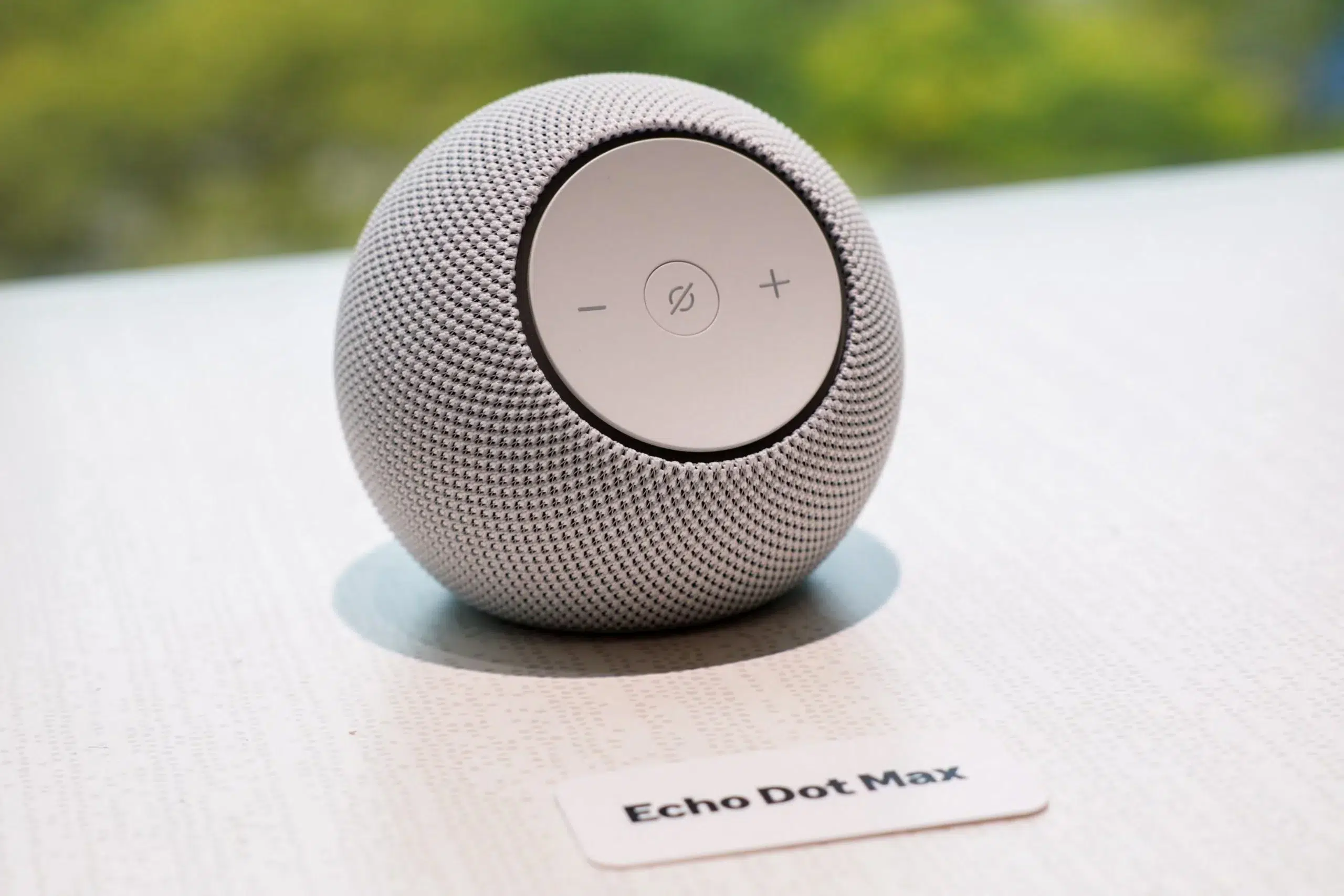
Amazon has completely redesigned its high-end speaker, the Echo StudioWith a design that evolves from a heavy cylinder to a more compact, circular shape reminiscent of a technological sphere, the new body reduces the volume by approximately 40%, making it easier to place on a shelf or piece of furniture without it looking like a huge eyesore in the middle of the living room.
This change in format has clear consequences for the sound: by losing size, the speaker offers less presence in the bass than the previous generation. In return, it gains in media, clarity of voices and overall cleanliness, something that is especially noticeable when listening to pop music, podcasts or news programs, where the voices sound clearer and more focused.
For those looking for a compact speaker that doesn't overwhelm the room, the new Echo Studio might be a good fit, but those who fell in love with the original model for its punchy bass will likely notice the compromise. The balance falls somewhere in between: Low enough for mostbut without reaching the level of the first Studio.
Where there is a significant leap forward is in the device's "brain." The Echo Studio incorporates the AZ3 Neural Edge processordesigned to work in conjunction with Alexa+, reducing latency and increasing the portion of processing that is done directly in the speaker instead of relying so heavily on the cloud. This translates to faster responseslonger interactions with more context and more efficient real-time sound management.
In addition, the speaker uses this power to adapt the audio to the environmentadjusting its output according to the room it's in and the atmosphere at any given time. All this with a starting price of around 239 eurosThis places it in the upper range of Amazon's smart speaker catalog and makes it a product clearly aimed at those already within the ecosystem.
Spatial audio and home automation hub function
In terms of surround sound, the new Echo Studio continues its commitment to spatial audio with compatibility for Dolby Atmos and Sony 360 Reality AudioThanks to “beamforming” techniques, the speaker directs sound towards the ceiling and walls to create a kind of acoustic bubble around the listener, which is remarkable considering it is a single device.
However, the actual result depends quite a bit on the content: with songs or tracks specifically mixed in Atmos, the effect is usually quite immersive, especially when listened to through Amazon Music Unlimitedwhere there is a growing catalog of tracks in this format. However, when conventional stereo audio is played and an attempt is made to "simulate" that three-dimensional environment, the result can sound artificial and less natural than desired.
Beyond sound, the Echo Studio integrates as a central node in the connected home. It is compatible with Zigbee, Matter and Thread, three key standards in home automation, and can act as a hub for automations, connecting light bulbs, plugs, sensors and other smart devices without the need for additional hubs.
The device also adds a temperature sensor that allows create routines linked to the indoor climatesuch as turning on a fan or activating the heating when a certain threshold is exceeded. These types of functions make even more sense with Alexa+, which is designed to better understand the user's daily routines and preferences.
Limitations: connectivity and incomplete Alexa+ support
Not everything is perfect with the new Echo Studio. One of the most significant complaints concerns the WiFi connectivityThis applies both to internet access and coordination with other speakers. In mesh networks, very common in large homes or apartments with multiple access points, dropouts, synchronization issues, or slight delays may occur when using the speaker in a multi-room configuration or as part of a home theater system; in these cases, it is advisable to... restart the Echo to try to resolve the lack of synchronization.
The other major drawback has to do with Alexa+ itself. This Echo Studio model is clearly optimized to work with the new version of the assistant, which incorporates generative AI features and more natural responses. However, Alexa+ is not fully available in Spain at the time of its launch, and Amazon has not yet set a firm date for the full rollout in our country.
This creates a curious situation: an expensive speaker, equipped with a range of advanced capabilities, is being sold, but its main selling point—the new assistant—is partially limited by regional launch decisions. For many European users, the purchase may seem like a gamble, hoping that an update will arrive later and unlock the device's full potential.
Alexa+: the new assistant that understands context and emotions
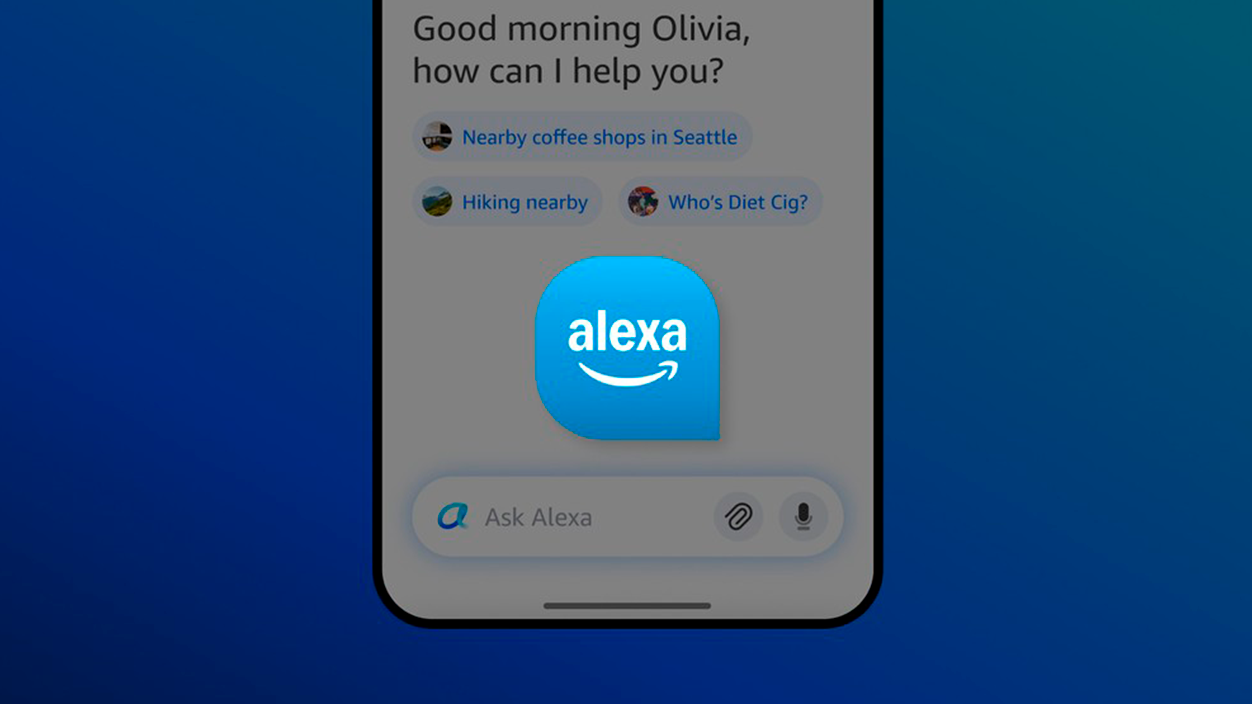
Beyond hardware, Amazon's big leap is in software. Alexa+ It is the evolution of the traditional assistant towards a more flexible and contextual modelwhich aims to approximate the way we communicate with other people. It doesn't just interpret words, It also analyzes tone of voice and tries to detect emotions such as nervousness or stress to adjust the type of response.
As he explained Panos PanayAmazon's senior vice president of devices and services, This new version has been trained in emotional equalization, feeling recognition, and a sense of humor.This allows, for example, that when it detects that a person is worried or upset, it responds with a calmer, more measured tone, aimed at reassuring them.
Another key improvement is the understanding the contextThe user You don't need to remember the exact information for the assistant to help you.You can ask Alexa to find "the song that was playing during the credits of the show I watched yesterday" without knowing the title or artist, and Alexa+ will try to locate it using any additional information available. Similarly, it can suggest new music based on previous tastes without requiring the user to perform detailed searches.
The system learns through daily use, recording personal preferences, allergies, dietary restrictions, and weekly habitsThis makes it possible for tasks that previously required configuring the Alexa app—such as complex routines—to now be defined solely with voice commands. Users can describe in natural language how they want their morning or their commute home to be, and Alexa+ will turn that description into automations.
One of the most striking new features is document management. As highlighted Mara SegalAlexa's director, it is now possible to share with the assistant emails, manuals, recipes, or study materialsAlexa+ can extract relevant information, summarize it, answer specific questions about the content, or even add events to the calendar when it detects important dates, deadlines, or appointments.
Personality modes and on-demand voices
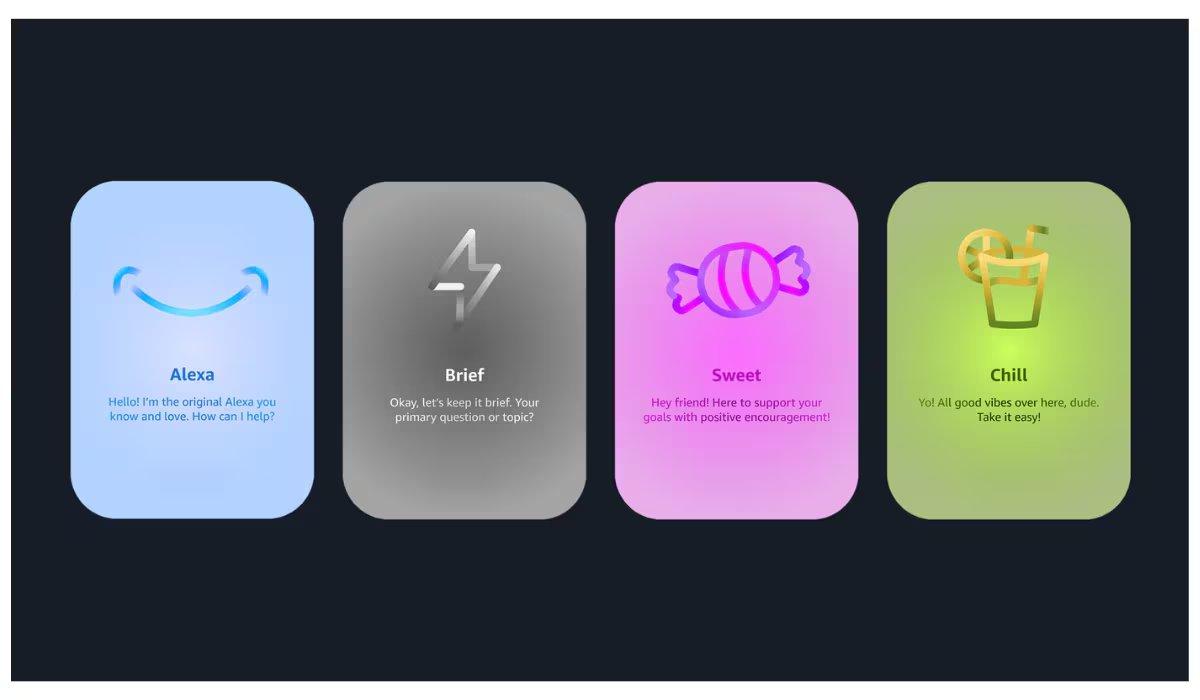
One of the most striking changes in Alexa+ is the addition of personality types, a similar idea to the styles that have become popular in other AI systemsInstead of a single neutral tone, the user can choose how they want the assistant to express itself on a daily basis.
Among the options The style stands out BriefIt cuts out embellishments and lengthy explanations in favor of more direct and concise responses. It is especially useful in work environments, when you're looking for technical information or when you simply don't feel like listening to overly long answers.
For those who prefer a more personal approach, the mode Chill bet on a more relaxed and friendly conversationIt's almost like talking to a calm friend who guides the interaction with a gentle tone. Despite these variations, the assistant's classic personality remains, which can be reverted to at any time if the change isn't to your liking.
The flexibility doesn't end there. Alexa+ allows you to combine each personality with different available voicesFrom the app, you can choose up to eight different ringtones within the Alexa Voice section, so the experience adapts to both the speaking style and the specific sound that each user prefers.
Taken together, these personality modes not only add an “aesthetic layer” to the assistant, but also They improve accessibility and adaptation to different contexts: a brief style for quick queries in the office, a more expressive tone at home, or a voice that is more comfortable for older people or those with specific listening needs.
How to change Alexa's personality style+
Setting up these new personalities in Alexa+ is a simple process and requires no technical knowledge. The quickest way is through a voice commandSimply say "Alexa, change your personality style" in front of a compatible Echo device and the assistant will guide the change and suggest available alternatives.
Those who prefer to do it from their mobile phone can use the Alexa appSimply open the app, select the specific Echo device, go to Device Settings, and look for the Alexa Personality Style option. From there, you'll see the different modes that can be activated and changed as many times as desired.
The user has Complete freedom to switch between styles or revert to the original settings whenever neededThis can be done either with voice commands or through the app itself. The idea is for the assistant to adapt to the moment, not the other way around, being able to switch from a serious and concise style to a more relaxed one depending on the situation.
Similarly, the Alexa Voice section, within the General settings of the device, allows you to choose between several alternative voicesThis combination of personality style and voice timbre makes the user experience feel more human and less "robotic," making it easier for people of different backgrounds to feel comfortable using the assistant on a daily basis.
These customization options are now active for Alexa+ users on compatible devices, and Amazon has announced that new conversational styles will be added over time, expanding the catalog of possible behaviors without the user having to install anything extra.
Availability and devices compatible with Alexa+
Currently, access to Alexa+ is not universal across Amazon's entire catalog, but is limited to a specific list of Echo devicesWithin smart displays, the new assistant is present in the Echo Show 5, 8, 11, 15 and 21, covering everything from more compact models for the bedside table to large formats designed for the kitchen or living room.
As for speakers, Alexa+ can be used on the Echo Dot (including the most recent versions), the Echo Dot Max, the very Echo Studio and the Echo PopThese devices can access the new version of the assistant through an update via the Alexa app or by checking the software options in the Amazon store, depending on the model.
Amazon has announced its intention to gradually extend compatibility to other devices in the ecosystem, such as Fire TV or the headphones Echo BudsWhile there's no official timeline yet, and availability may vary by country, it's clear that the latest Echo models come with Alexa+ pre-installed and ready to use right out of the box.
For users in Spain and other European countries, this means that it is advisable to carefully review the Product sheets and update notes Before buying a new device, especially if you intend to take advantage of Alexa+'s more advanced features, keep in mind that until the rollout is uniform, there will be significant differences between seemingly similar devices.
Overall, Amazon's Alexa+ strategy combines a technical leap in the assistant, improved audio and home automation capabilities in devices like the Echo Studio, and a strong emphasis on personalizing the experience. For those already surrounded by Echo products, The change represents a logical evolution that will allow them to converse more naturally with technology.For those considering it, the key will be to assess whether the new features available today compensate for the entry cost and the temporary limitations in the Spanish market.


I am a technology enthusiast who has turned his "geek" interests into a profession. I have spent more than 10 years of my life using cutting-edge technology and tinkering with all kinds of programs out of pure curiosity. Now I have specialized in computer technology and video games. This is because for more than 5 years I have been writing for various websites on technology and video games, creating articles that seek to give you the information you need in a language that is understandable to everyone.
If you have any questions, my knowledge ranges from everything related to the Windows operating system as well as Android for mobile phones. And my commitment is to you, I am always willing to spend a few minutes and help you resolve any questions you may have in this internet world.