- Key advantages of running AI models locally focus on absolute data privacy and the elimination of monthly fees.
- Essential tools such as Ollama, LM Studio and ComfyUI for managing LLMs, generating images and creating video.
- Technical hardware requirements, highlighting the importance of VRAM and GPU to optimize response speed.
- Advanced use cases ranging from agents with operating system access to the automation of business workflows.
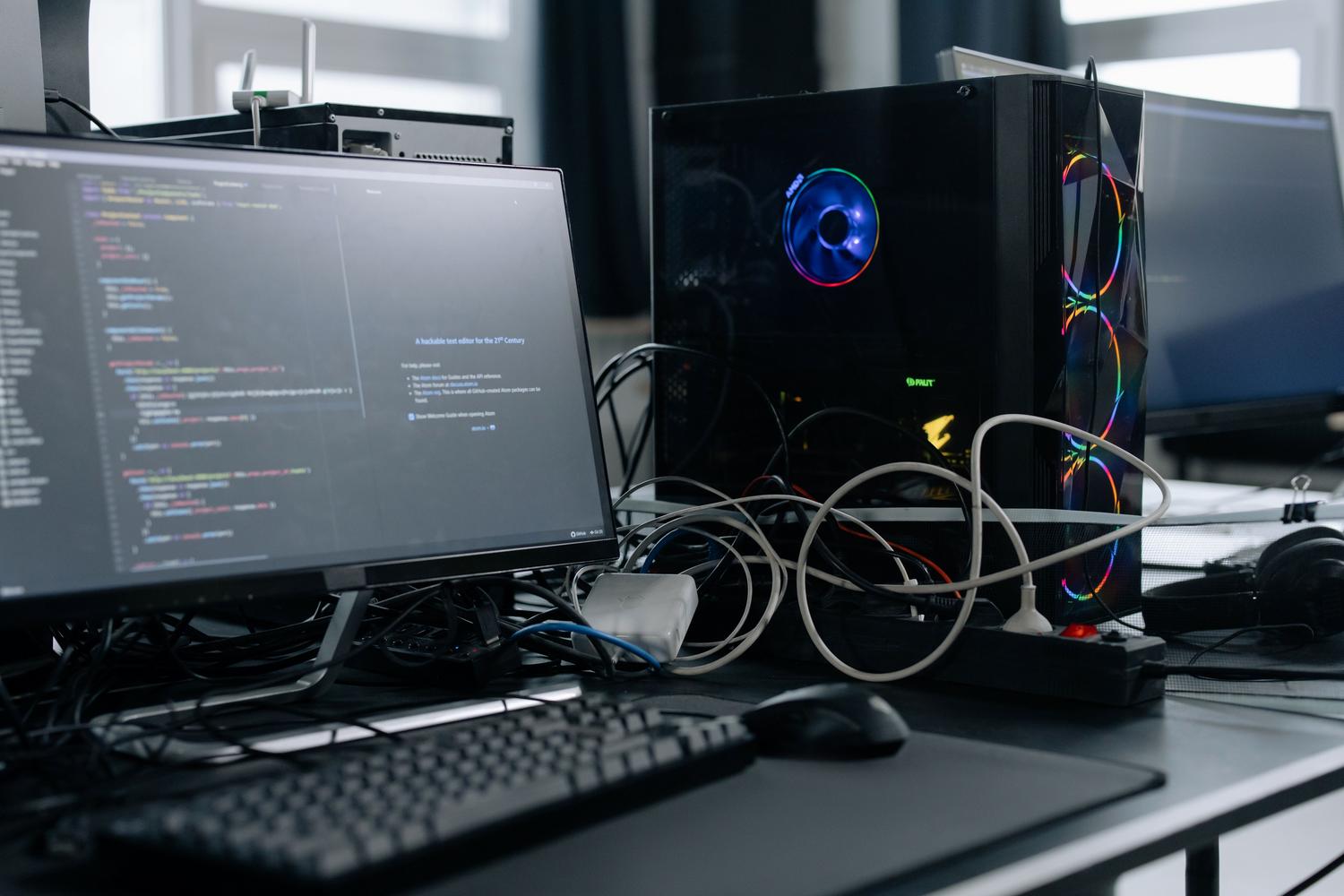
You're probably already used to chatting with Copilot or ChatGPT, but the truth is, relying on the cloud has its drawbacks. Between your data traveling over the internet and the potentially expensive monthly subscriptions, many people are considering setting up their own AI ecosystem at home. The good news is that if you have a computer with some powerYou can turn your Windows PC into a true smart workstation without a single byte of your information leaving your hard drive.
You don't need to be a NASA engineer to get into this, although you do need to know where to start. Installing AI locally means that the processing happens on your own graphics card and CPU, giving you a total control over the model And it lets you bypass the moral restrictions or filters that big tech companies usually impose. Just be prepared for your computer's fans to start whirring, because running these models requires considerable hardware resourcesespecially with regard to video memory.
The essential toolkit to get started
If you don't want to complicate your life by struggling with endless lines of code, there are applications that make the process a piece of cake. LM Studio It's probably the most balanced option, as it offers a visual interface where you can search for and download models directly from Hugging Face. It's not just for chatting; it can also function as a local server for other apps to connect to. On the other hand, if you prefer something lighter and aren't worried about the terminal, Ollama It's the crown jewel. It's an open-source tool that allows you to launch models like Llama, DeepSeek, or Phi with a single command, and it's extremely efficient in its resource consumption.
For those looking for something more complete, AnythingLLM It's presented as an all-in-one solution that allows you to chat with your own documents and manage AI agents offline. We also have GPT4Allwhich is ideal if you don't have a powerful graphics card, as it can run decently using only the CPU. And if you like to customize everything, Jan It offers a beautiful and lightweight interface with support for NVIDIA, AMD, and Intel GPUs, allowing you to integrate cloud services only when strictly necessary.
Language and hardware models: What do you really need?

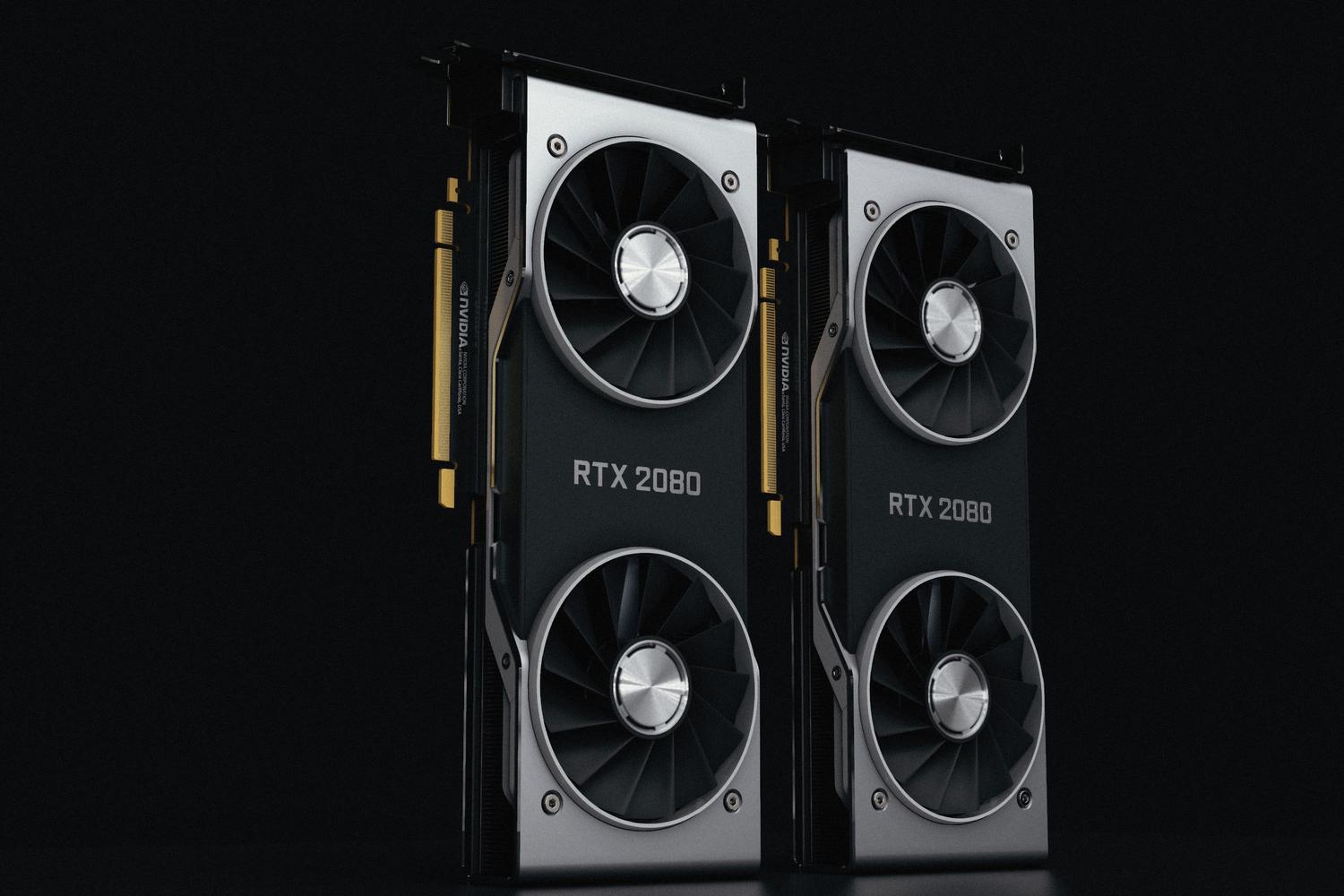
This is where things get serious. Not all models are created equal, and not all of them will fit every PC. The most popular open-source models currently are: Flame from Meta, Mistral, Google's Gemma, and Microsoft's PhiThe key lies in the parameters (the famous "B"s). For example, a model with 8B parameters is relatively lightweight and can run on a PC with 8 GB of RAM and a GPU with 4 GB of VRAM. But if you get ambitious and want to run a massive version of DeepSeek-R1, you might need hundreds of gigabytes of RAM and several graphics cards working in parallel.
For developers who want to integrate this into their own apps, Microsoft offers Foundry on WindowsThis platform facilitates the use of local APIs and allows you to take advantage of hardware acceleration through DirectMLOptimizing performance by using either the GPU or the NPU (Neural Processing Unit) of the new processors. If you're looking for something more flexible, Windows ML It allows you to import custom models from Hugging Face to run specific Machine Learning tasks on Windows 10 and later versions.
Beyond Text: Images, Video, and Audio
Local AI isn't just about writing text. If you want to generate stunning, uncensored images for free, ComfyUI It's the ultimate tool, especially if you use models like Flux.2, although be careful because the files are quite large. For those looking for something simpler, AMuse It allows you to generate images and videos using Stable Diffusion XL with an "EZ" mode for beginners and an expert mode for those who want to refine every detail. You can even do Funny deepfakes with DeepFaceLab, which runs incredibly fast on Nvidia cards.
In the audio section, Whisper.cpp It's fantastic for transcribing meetings or long videos to text without sending the audio to any server. If you need something more geared towards real-time performance or modest devices, Vosk It's a solid alternative that supports Spanish and other languages. And for those who spend hours on video calls, the Windows Studio Effects On PCs, Copilot+ uses local AI to improve camera framing and automatically blur the background.
Independent agents and applications in the business
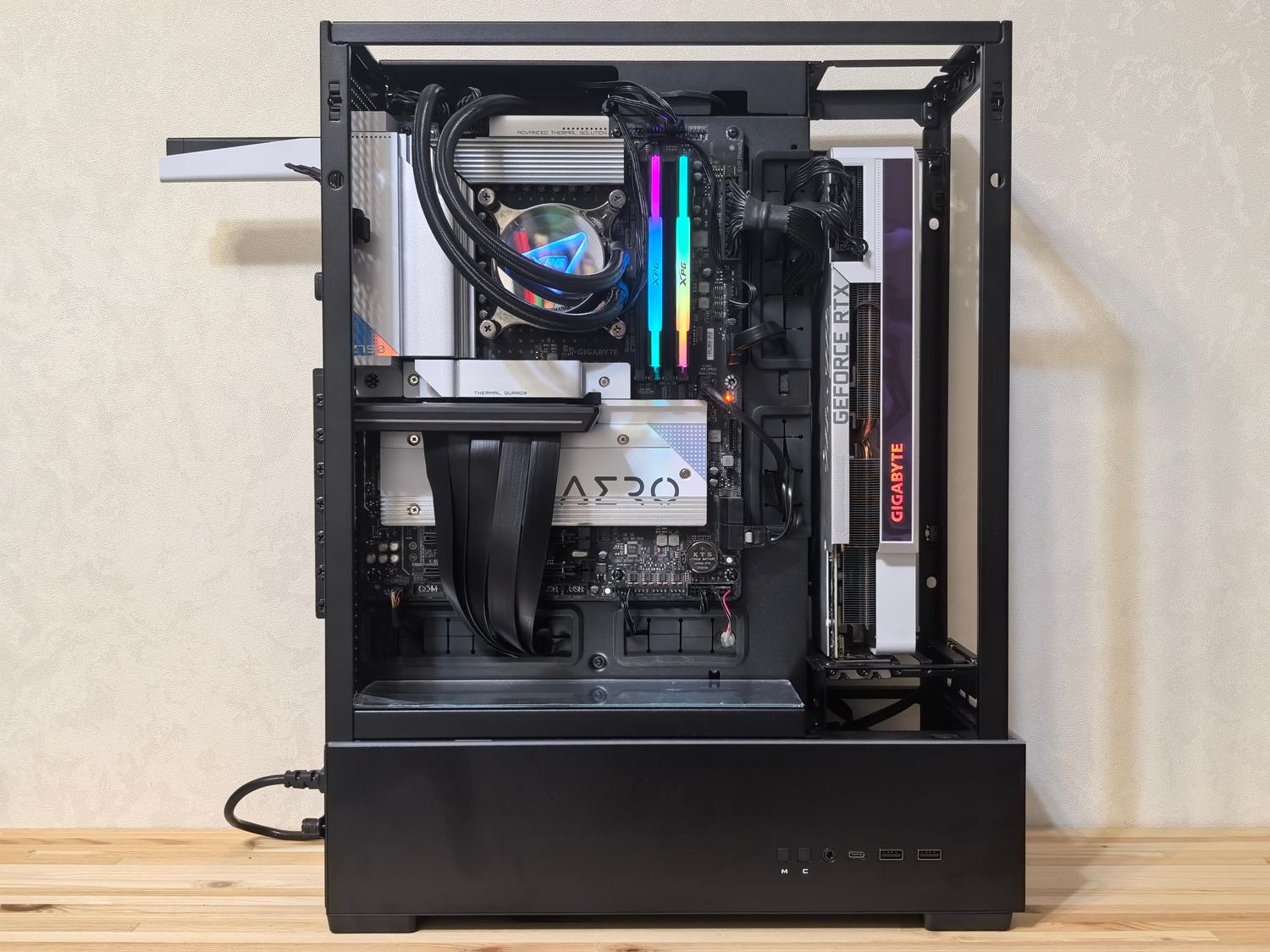
The next level is to move from a chat that answers questions to a agent that executes actionsTools such as OpenClaw They allow AI to interact directly with your operating system: it can read files, execute commands in the terminal, and organize your hard drive. Obviously, this is a double-edged sword. Giving it full access to your system is dangerous, so it's best to use a... physical sandbox or a computer dedicated exclusively to these tests to prevent the AI from accidentally deleting something important.
To implement this in a company, the ideal starting point is to repetitive processes such as document classification or code review. The key is planning: identifying a real problem, evaluating the available hardware, and testing with low-risk use cases. Using models such as Deepseek-Coder On-premises deployment allows a company's programmers to work with sensitive code without the risk of leaks to the cloud, optimizing productivity without compromising security.
Mobility and the future of local AI
We can even experience this on our mobile phones thanks to MLC Chatwhich allows you to run LLM on Android and iOS offline. Although the models are smaller due to smartphone memory limitations, it's a fantastic option for maintaining privacy on the go. The trend is clear: we're moving toward a future where AI won't be a service we rent, but a capability integrated into our hardware.
The ability to manage language models, image generators, and speech transcribers on our own computers restores our digital sovereignty. By combining tools like Ollama or LM Studio with suitable hardware, we eliminate dependence on third parties and transform our machine into a private innovation hub. The balance between hardware power and choosing the right model is what allows us to go from a simple technological toy to an unbeatable professional productivity tool. Now you know all the amazing things you can do with local AI on your Windows PC.

Passionate about technology since he was little. I love being up to date in the sector and, above all, communicating it. That is why I have been dedicated to communication on technology and video game websites for many years. You can find me writing about Android, Windows, MacOS, iOS, Nintendo or any other related topic that comes to mind.