- Firefox has integrated the code to support JPEG XL by default in its stable versions.
- The format offers superior compression to JPEG, WebP, and PNG, and also allows for lossless reversible conversion.
- Currently, support in major browsers requires the activation of experimental flags, except in Safari.

You've surely noticed that the world of online images is changing by leaps and bounds. Right now, we're at a pivotal moment where Firefox has made a statement. by integrating support for the JPEG XL (JXL) format, a technology that promises to leave behind the traditional formats we have used for decades.
The truth is, it's been quite a bumpy road, with back and forth between the major browsers. But now, with the arrival of versions like 152, it seems that the infrastructure to handle JXL It's already built into the browser's code, although we still need to give it a little push in the configuration to make it work.

What exactly is JPEG XL and why should we care?
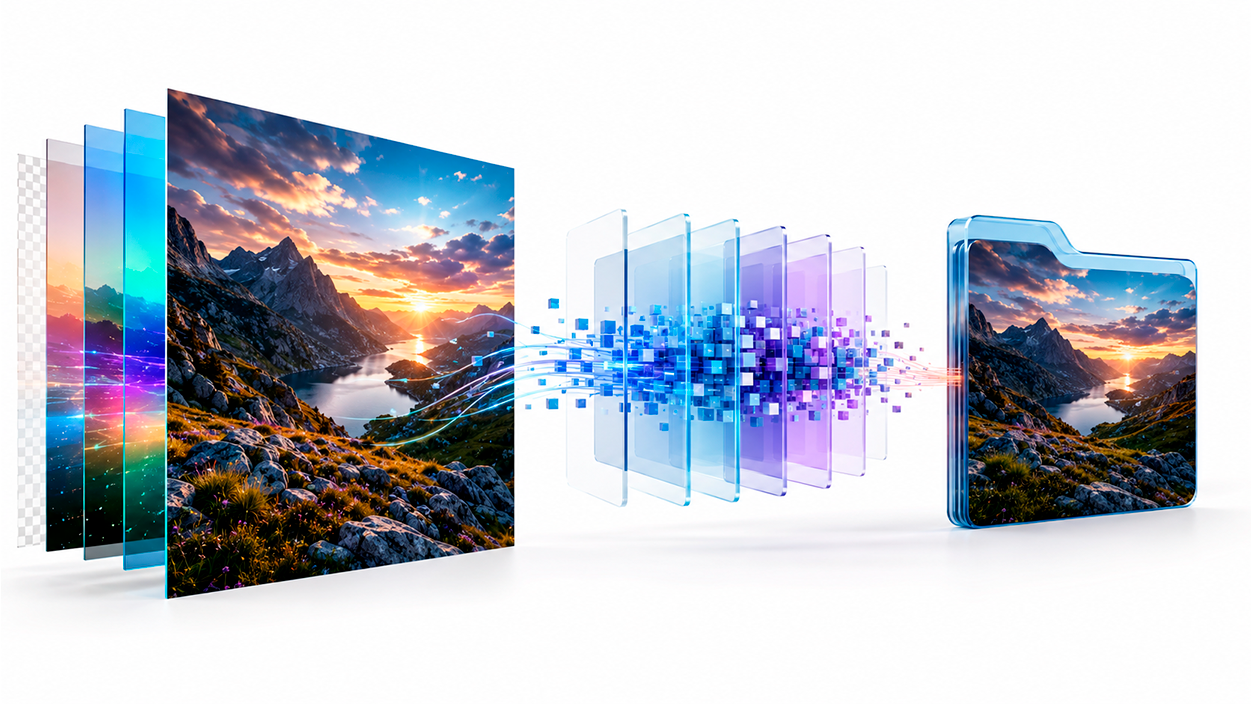
For those who aren't up to date, JPEG XL isn't just a simple tweak to what we already know. It's a modern format designed specifically for web environments that It surpasses WebP, PNG, and the classic GIF in compression.The most powerful thing about it is that it not only reduces file size, but also maintains incredible quality, supporting HDR and an expanded color gamut.
One of the crown jewels of this system is its ability to reversible recompression of JPEG imagesThis means you can convert an old JPG to JXL and gain approximately 22% of space without losing a single pixel of information; if you ever need to revert to the original JPG, you can do so without any changes. This feature is something that Neither AVIF nor WebP can boastbecause they do not allow that round trip without losses.
The triumphant return to browsers: Firefox and Chrome
The story here is curious. Google decided to remove JPEG XL support from Chrome at the end of 2022 because they said there wasn't enough interest. However, at the end of 2025 they changed their minds and, by the beginning of 2026, Decoding returned to Chromium Thanks to the implementation of jxl-rs, based on the Rust language, everything is safer and more efficient.
In the case of Mozilla, Firefox version 152 has been the main focus. The support code It is already compiled by default. In both beta and stable versions, this feature, previously reserved only for Nightly users, is now available. Although the code is present, the browser doesn't automatically activate it while browsing; instead, it leaves it unactivated. hidden behind a preference to avoid problems while the technology is being finalized.
How to enable experimental support on your PC

If you're one of those who can't wait and want to see how these images look, you'll need to go into the settings. In Firefox 152 and later versions, the easiest way is to go to the section of Firefox Labs within Settingswhere you'll find the switch to activate the JPEG XL experiment. Of course, veteran users can continue using the legendary menu about:config to do the same.
If you use Chrome (specifically version 145 and later), the process is similar. You need to navigate to the following path: chrome://flags/#enable-jxl-image-format and activate the corresponding flag. It is important to emphasize that, until Chrome activates this by default (something expected in the second half of 2026), Only Safari offers native support. without the user having to touch anything.
Practical tips for creators and designers
If you have a website and are thinking about migrating everything to JXL, hold on a second. While the format is fantastic, the reality is that the current scope is limitedOnly a small percentage of visitors can see these images without triggering flags, so publishing content only in JXL would cause most people to see the page empty.
The smartest thing to do right now is continue using universal formats such as JPG, WebP or AVIF for final content delivery, or learn How to prepare an image for the web to optimize loading. However, JPEG XL is an incredible tool for the archive of mastersYou can save your original photos in JXL to save space and maintain maximum quality, knowing that the standard will gradually become more widespread.
Other tools and compatibility
Beyond web browsers, the JPEG XL ecosystem is quite extensive. There are many well-known image viewers that already support it, such as ImageGlass, IrfanView (via plugin), XnView and jpegviewFurthermore, any software that relies on libraries such as ImageMagick, libvips, or the KDE and Qt environment is usually compatible, which greatly simplifies the management of these files on the computer.
It's fascinating to see how Firefox 152 not only brings JXL, but has also included Improvements to HDR video support for Windows and a redesigned settings interface. Technological evolution continues to advance, and with the arrival of version 153, we expect to see support for video decoding via Vulkan, adding even more power to the browser.
The current landscape indicates that JPEG XL is the strongest contender to replace older formats thanks to its versatility and efficiency. While Chrome and Firefox are still implementing default activation, ideally... take advantage of its benefits for archiving and experiment with the flags enabled, waiting for universal support to make the definitive leap in web publishing.

I am a technology enthusiast who has turned his "geek" interests into a profession. I have spent more than 10 years of my life using cutting-edge technology and tinkering with all kinds of programs out of pure curiosity. Now I have specialized in computer technology and video games. This is because for more than 5 years I have been writing for various websites on technology and video games, creating articles that seek to give you the information you need in a language that is understandable to everyone.
If you have any questions, my knowledge ranges from everything related to the Windows operating system as well as Android for mobile phones. And my commitment is to you, I am always willing to spend a few minutes and help you resolve any questions you may have in this internet world.