If you've made it this far, you may already be experiencing severe back pain as a result of your daily work routine. Or perhaps you want to prevent it and are looking for helpful suggestions. In either case, we've prepared this guide with practical tips to avoid lower back pain while working sitting down.
How to avoid lower back pain while working sitting down
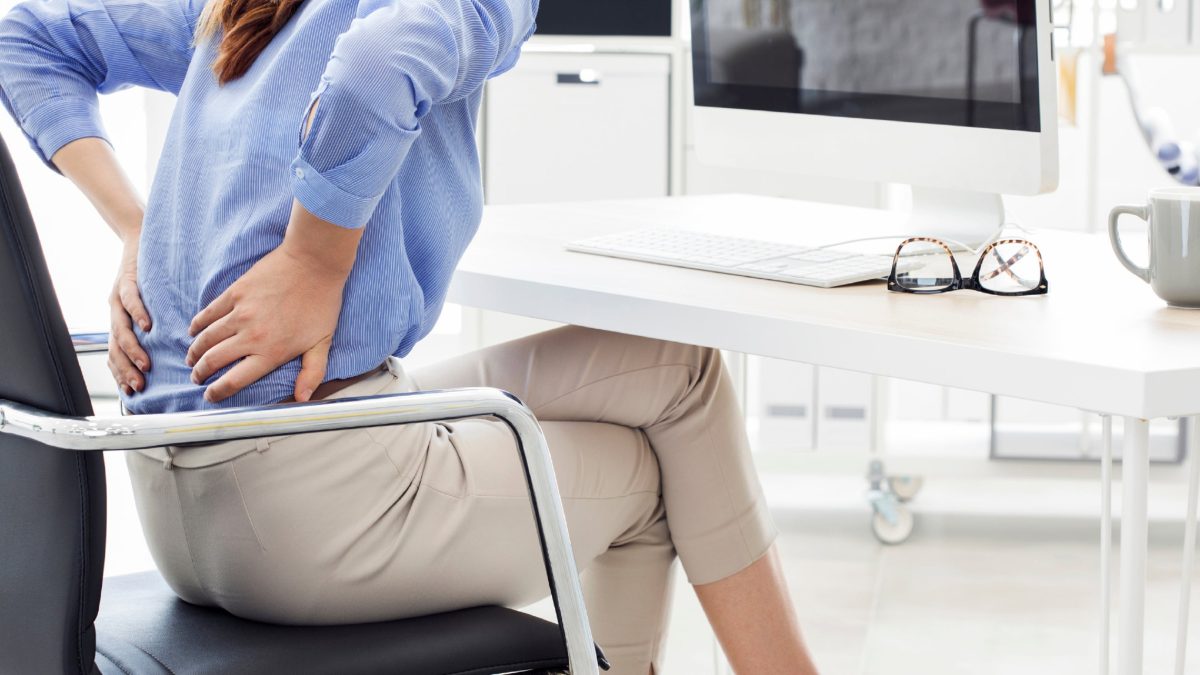
Sooner or later, those of us who spend long hours working sitting down will suffer from back pain. That is, unless we apply some [something/something - context needed]. Simple measures to improve our posture and stretch our bonesOtherwise, it is inevitable that the lower back will start to protest and lumbar discomfort will appear.
I know because I've experienced it. That dull ache at the base of the spine after a long day, along with the feeling that your back has become a poorly assembled puzzle. This problem is more common than you think. according to the WHOMore than 1.500 billion people have musculoskeletal disorders, lower back pain being the most commonaffecting approximately 568 million people.
Poor posture at work is one of the main causes of this problem, especially for those who spend many hours in front of a computer. Is that you? Don't worry: simply making a few easy changes to your routine can help you avoid lower back pain while working at a desk. A little discipline and certain ergonomic tools are needed.But it will be worth it if you want to save your back (and your career).
Essential ergonomic adjustments to avoid lower back pain while working seated
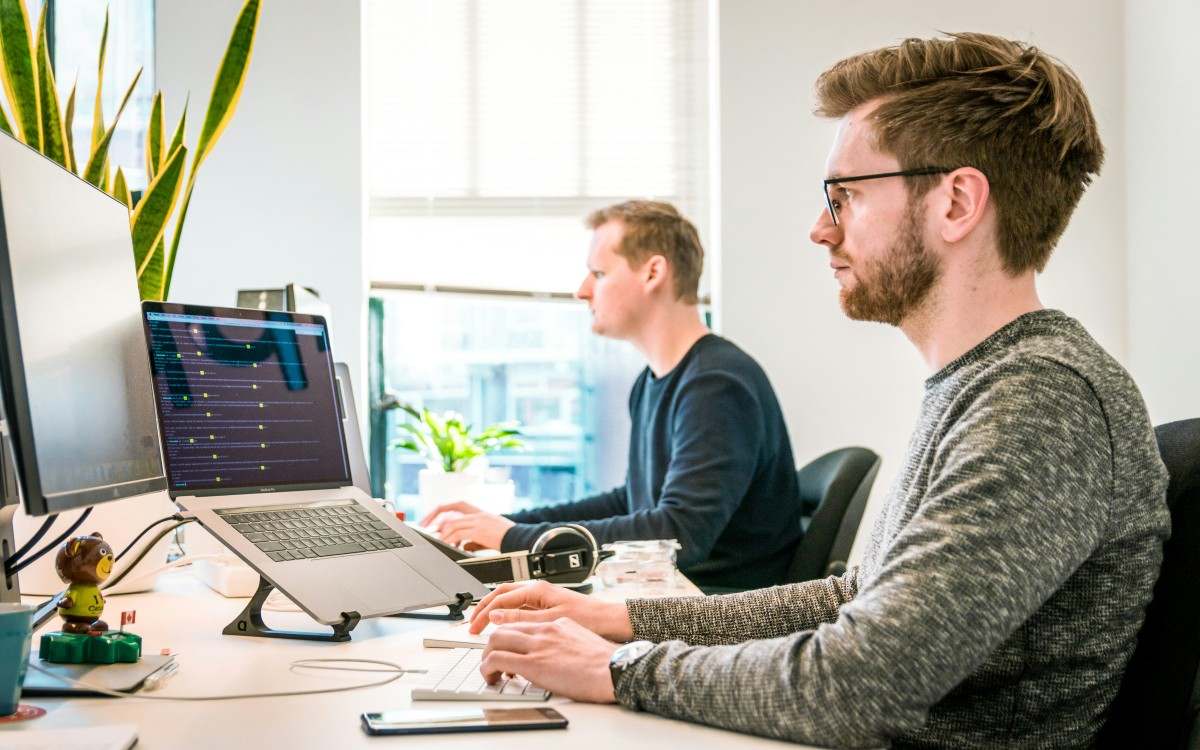
If you want to avoid lower back pain from working while seated, the first thing you need to do is check your workspace. Specifically, it's important that your desk, chair, and monitor are at the correct height, adjusted to your height and build. This is known as proper posture. ergonomics: Make the work environment adapt to you, not the other way around.
And remember that ergonomics is not a luxury: it's an investment in health. And it doesn't always mean buying expensive equipment; Often, it's enough to adjust the ones you already have.Below you will find some proven and easy-to-apply suggestions to avoid lower back pain while working sitting down.
First, The chair must be at the correct heightTo determine the correct height, make sure your feet are flat on the floor (not on your toes). Also, your knees should form an angle close to 90°. If the chair is too high, use an improvised footrest, such as a small stool or a thick book.
Second, you must use appropriate lumbar supportThe natural curve of your lower back should be supported. To achieve this, you can use a lumbar support cushion (they aren't very expensive), a small pillow, or a rolled-up towel. The important thing is that this area of your back isn't sagging.
A third thing about the chair: it must have the correct depthSeat depth is the distance from the backrest to the edge of the seat. How do you know if your chair has the right depth? Sit down and lean back: if there's a 2-3 finger-width gap between the edge of the seat and the back of your knees, it's fine. If it's too deep, use a cushion to bring your back closer to the backrest; if the seat is too narrow, you might need a different chair.
Table height, monitor height, and arm and hand position
To avoid lower back pain while working sitting down, it is also important to check the height of the table and monitor you use. The height of the table depends on your height.If you are between 1.65 and 1.75 meters tall, the recommended standard height ranges between 70 and 75 centimeters.
To determine the exact measurement you need, do this: Sit in the chair and rest your wrists on the desk with your shoulders relaxed. The forearms should be parallel to the ground and form a 90° angle with the upper arms..
For their part, The monitor should be at eye levelIf it's too high or too low, you'll soon experience neck pain. And if you use a laptop, consider raising it with books or a stand and working with a... wireless keyboard.
Habits that reduce lower back pain (more important than the chair)
However, it doesn't matter if you have the most ergonomic chair in the world: If you remain motionless in front of the computer, the pain will appear.Remember that the human body is a machine designed to be in motion. The more we move, the stronger our bones and muscles become, and the less pain we feel.
In this regard, there are simple habits and routines that help prevent lower back pain while working at a desk. For example, there is The 50/10 rule: For every 50 minutes of work, take 10 minutes of movement.The latter does not imply walking for miles: simply stretching, moving around, changing position, or taking a few steps (to get a drink of water) is enough. stay hydrated (It's important).
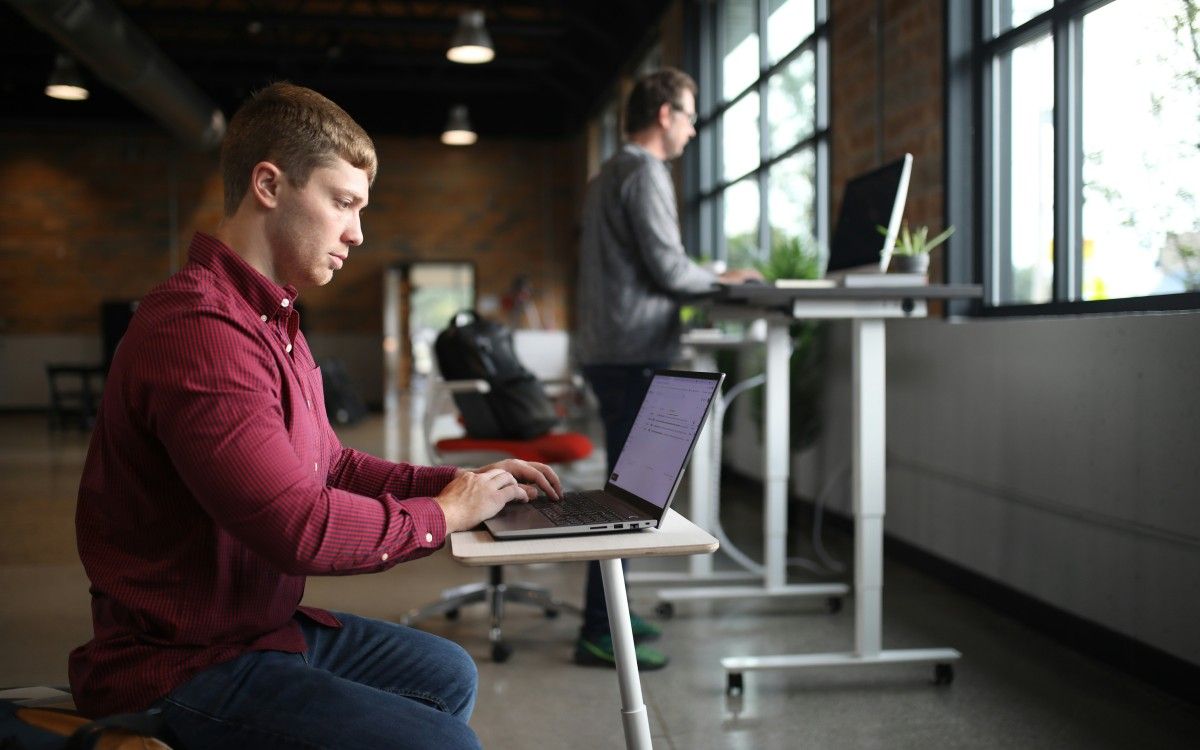
Another very useful habit is alternate between sitting and standingThe spine is designed to support weight and be flexible. But when we sit, the pressure on the intervertebral discs increases significantly compared to standing. And if we add a hunched posture to this, the ligaments are overstretched and the muscles become fatigued.
That's why, work standing up for about 20 minutes per hour It reduces pressure on the spinal discs and relaxes the muscles. It's no coincidence that height-adjustable desks have become an excellent alternative for avoiding lower back pain while working at a desk. If you can't afford one, you can improvise a raised surface with boxes or books to work on for a few minutes every hour.
Avoiding lower back pain while working sitting down is possible
Indeed: avoiding lower back pain while working sitting down is possible. Your back doesn't need a miracle. It requires you to be consistent.In short, what you need to do is adjust your workspace to be as ergonomic as possible. And, above all, get into the habit of moving around more.
Standing up, stretching, walking around a bit, and taking micro-breaks will not only relieve your back pain, but also improve your concentration and performance. Do you forget to take a break? Use apps like Stretchly o Workrave, that lock your screen every so often to force you to rest.
And one last piece of advice: Don't wait for pain to appear before taking action.Start applying the suggestions described today and you'll avoid lower back pain from working while seated. Your back and your career will thank you!
