- The ReFS file system stands out for its self-healing capabilities and resilience against massive data corruption.
- Implementing ReFS requires specific methods depending on the Windows version, with Storage Spaces being the primary method in home versions.
- The maximum efficiency of an SSD depends on the combination of a robust file system, TRIM activation, and proper thermal management.
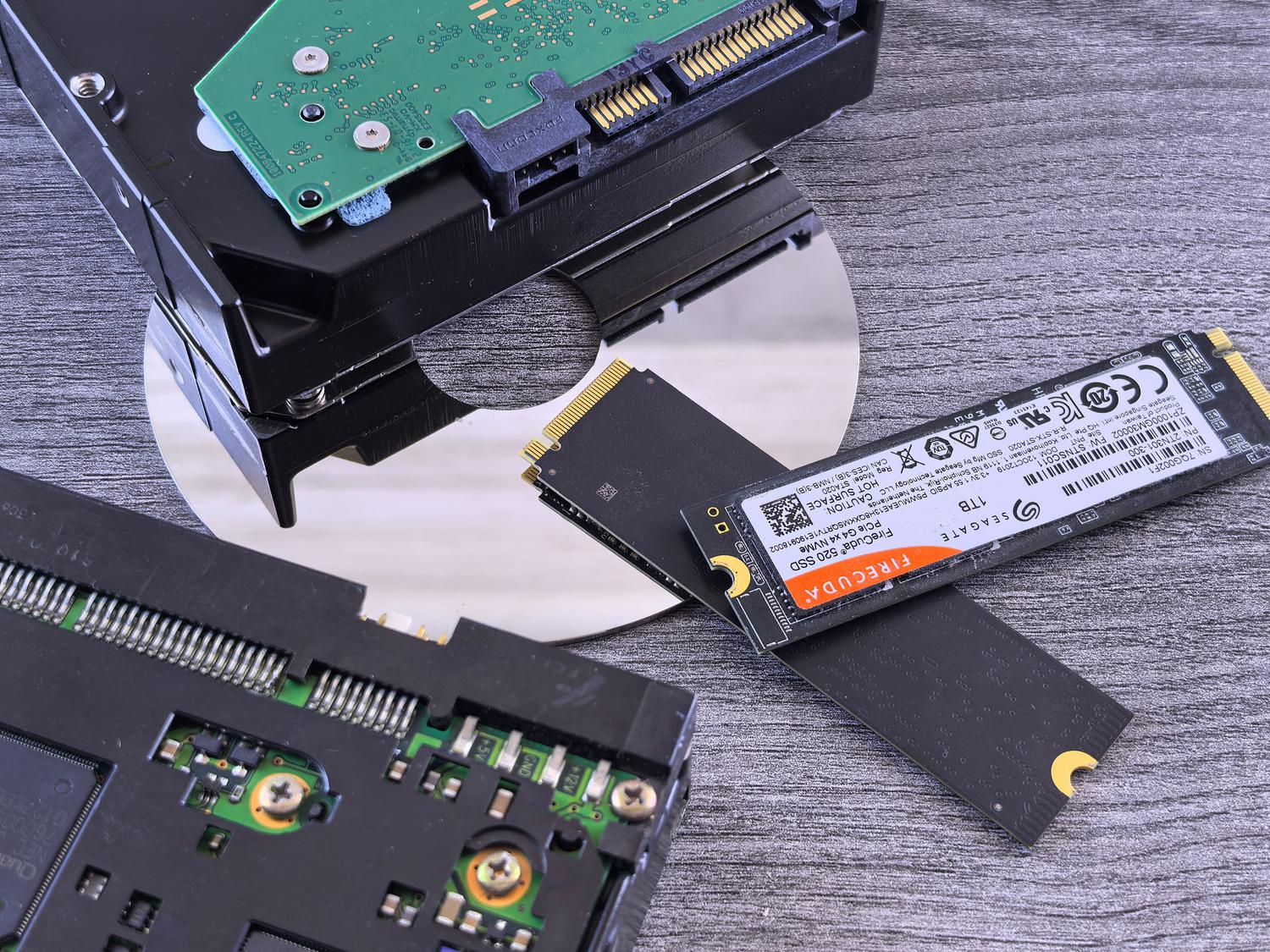
When we want our computer to fly, we usually focus on the RAM or the graphics card, but the choice of file system It's a fundamental pillar that many overlook. Storing data on any old drive is not the same as preparing the groundwork so that the information is protected against errors and can be accessed as quickly as possible.
Microsoft has long been promoting the ReFS system, a proposal that seeks to replace the veteran NTFS to offer a much more resilient data management and scalable. If you're looking for a hard drive or SSD that not only stores files but can also survive critical failures without losing a single byte, this system is the way to go.
What on earth is the ReFS file system?

The Resilient File System, or ReFS, is basically the technological successor designed for guarantee total integrity of the data. Unlike other formats, this one focuses on resilience, meaning it can automatically detect and correct data corruption without manual user intervention.
This system is especially powerful when working with massive data volumes or virtual machines, since it accelerates loading operations and allows handling extremely large files, up to 16 EIBS. While NTFS has reigned supreme for decades, ReFS lays the foundation for modern storage technologies that prioritize the constant availability of information.
Advantages and limitations compared to the classic NTFS
If you're wondering why not everyone is using it already, it's because it has its pros and cons. Among its strengths, its ability to drastically reduce data loss in the face of defective blocks and the management of much longer filenames, allowing up to 32.768 characters.
- Pros: It supports disk capacities up to 402 Eib and allows storing billions of files in a single folder.
- Points against: It's not suitable for booting the operating system (you can't install Windows on a ReFS partition), and it's not compatible with removable media such as USB drives. It does not allow native compression at the file system level.
Furthermore, it must be clear that There is no direct conversion Converting from NTFS to ReFS without deleting data is essential, so making a backup beforehand is mandatory if you don't want to have a bad time.
Methods to format your drive in ReFS
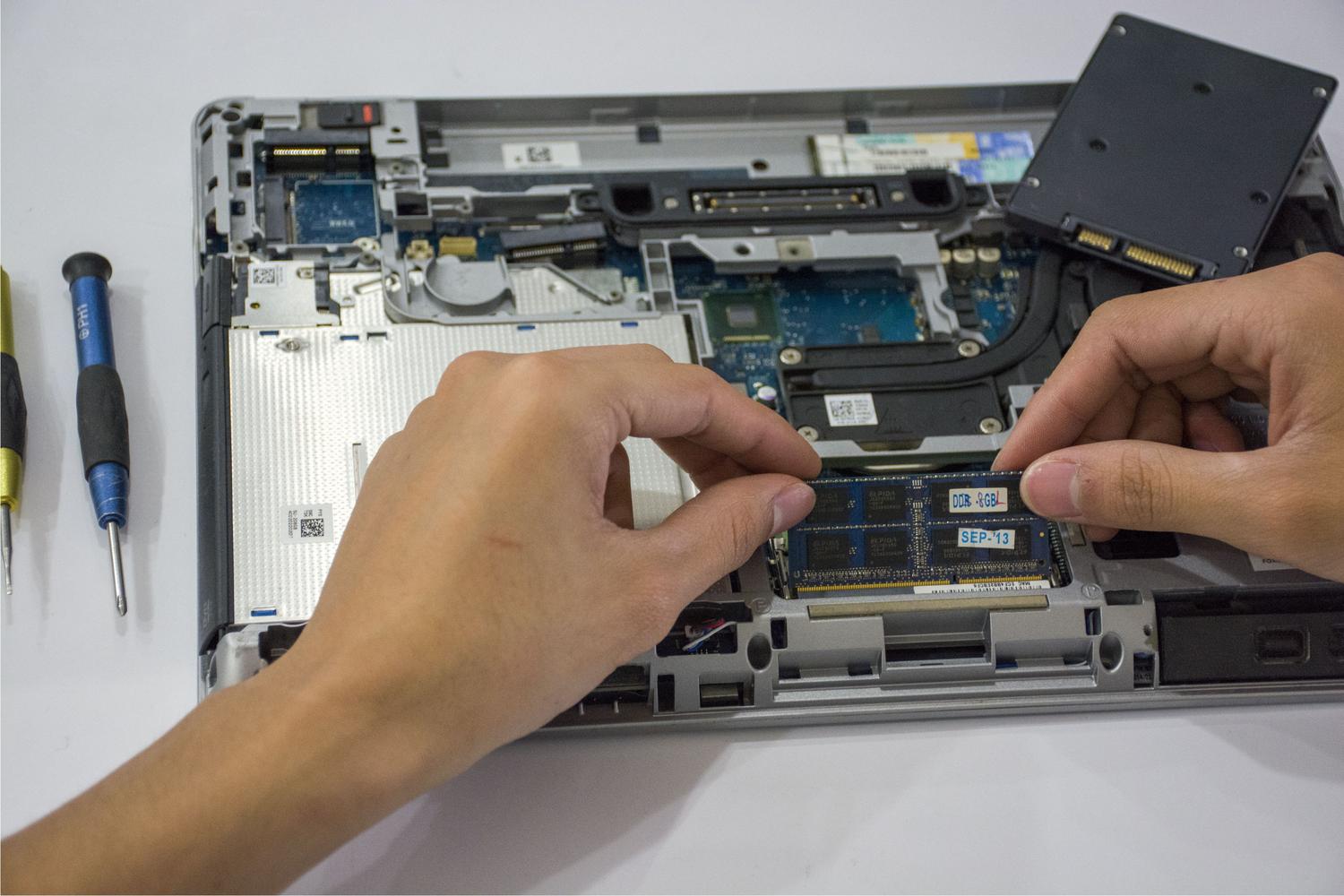
Depending on which version of Windows you have installed, the process for activating this system varies. If you use Windows 10 or 11, the most common way is through the Storage Spacescreating a bidirectional mirror with two disks or even using virtual drives if you just want to do tests.
From the Windows graphical tools
For those who prefer not to complicate their lives, the File Explorer This is the quickest option: simply right-click on the drive and choose format, selecting ReFS from the list. Alternatively, the Disk Manager It offers more visual control to locate the exact partition and apply the new format.
The advanced route: Diskpart and CMD
If you enjoy feeling like a hacker, you can use the command prompt. Open CMD as administrator and run the diskpart commandYou can list the disks, select the desired partition, and run the command. format fs=refs quick to complete the process in the blink of an eye.
Configuration in Windows Server 2019 environments
On servers, the process is more professional. From the Server AdministratorBy going into "File and Storage Services", you can manage volumes and assign ReFS using a guided wizard, even allowing adjust the allocation unit size and generate short filenames for legacy applications.
Tips to get the most out of your SSD
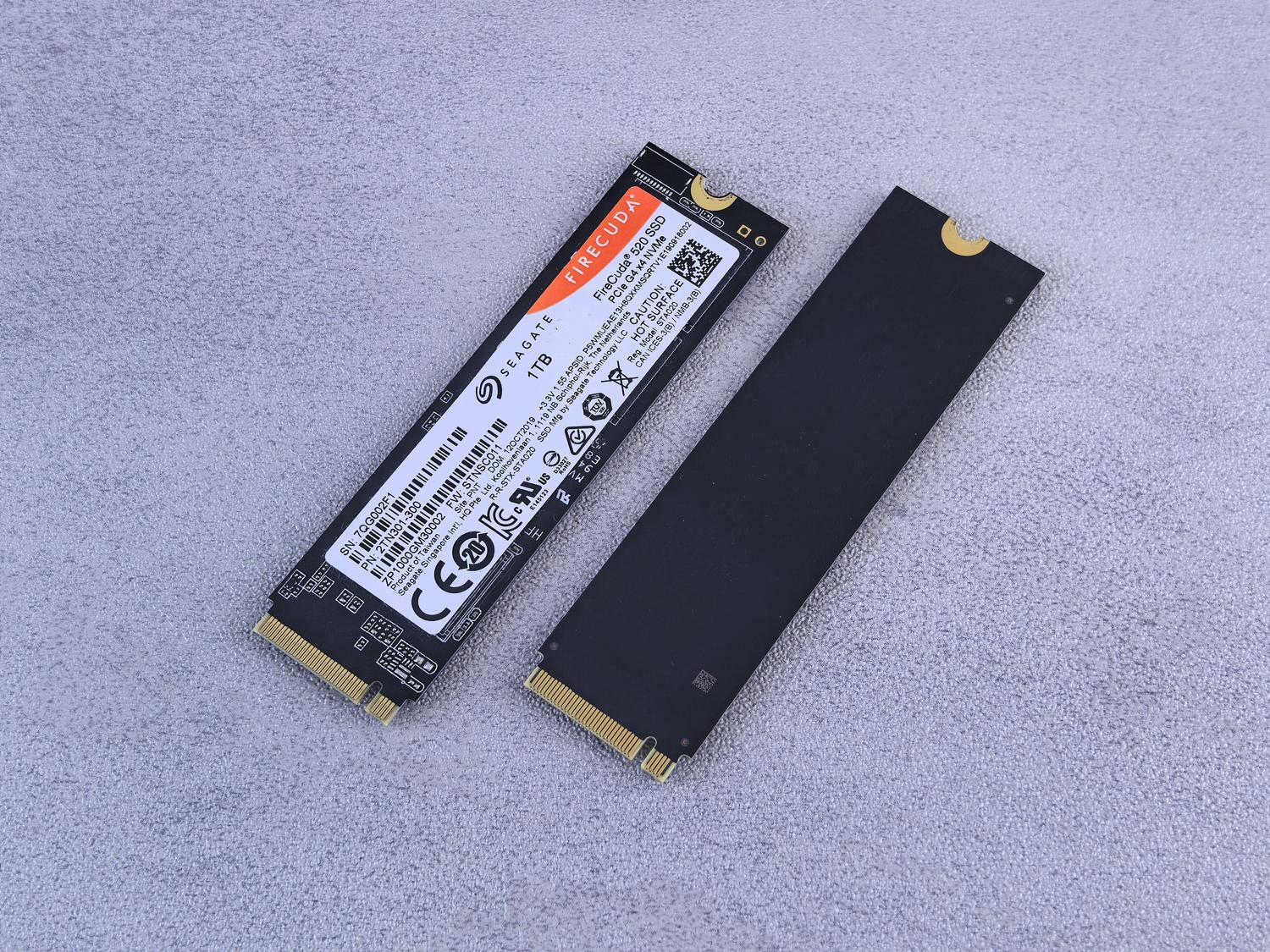
Having a modern file system is great, but if you have an SSD, you need to make some extra adjustments to prevent degradation and maintain speed. The first thing is update the firmware from the manufacturer, as this optimizes the way the controller manages flash memory.
It is vital to ensure that the TRIM command is activeTo check, use the command fsutil behavior query DisableDeleteNotify In the command prompt (CMD), if the value is 0, everything is running smoothly. If it's 1, you must change it so the system can clean up unused data blocks. avoid slowing down writing.
Space and cache management
A common mistake is filling the SSD to the maximum capacity. To prevent performance from plummeting, it is recommended to leave between 10% and 20% free spaceA very useful technique is to configure disk quotas in the drive properties to prevent storage from reaching the critical limit.
Also, activate the write cache on the device From Device Manager you can reduce latency, since the system uses DRAM to speed up the flow of data before permanently writing it to the flash cells.
Take care of your health and temperature

Modern SSDs, especially NVMe PCIe 4.0 or 5.0, get extremely hot. When they exceed 60 degrees Celsius, the [missing information - likely a specific feature or function] comes into play. Thermal Throttlingwhich reduces performance to prevent the component from overheating. Installing a good heatsink is the best investment for this. maintain constant speeds during heavy workloads.
To monitor that everything is in order, there are very powerful free tools available. CrystalDiskInfo It's perfect for viewing the remaining lifespan based on TBW, while CrystalDiskMark It is used to run benchmarks and confirm that the read and write speed is as promised on the box.
Achieving maximum efficiency involves combining the resilience of ReFS with an optimized hardware configuration, always ensuring that the TRIM command is working and that the drive doesn't suffer from thermal stress or space saturation, thus guaranteeing fast, secure, and long-lasting storage. Now you know how to prepare a hard drive with ReFS for maximum efficiency in Windows.

Passionate about technology since he was little. I love being up to date in the sector and, above all, communicating it. That is why I have been dedicated to communication on technology and video game websites for many years. You can find me writing about Android, Windows, MacOS, iOS, Nintendo or any other related topic that comes to mind.