- Windows defaults to display ZIP files as folders, making them difficult to manage in Explorer.
- Modifying the Windows registry allows you to disable this feature and control the opening of ZIP files.
- There are safe alternatives and additional options to associate programs or improve Explorer performance.
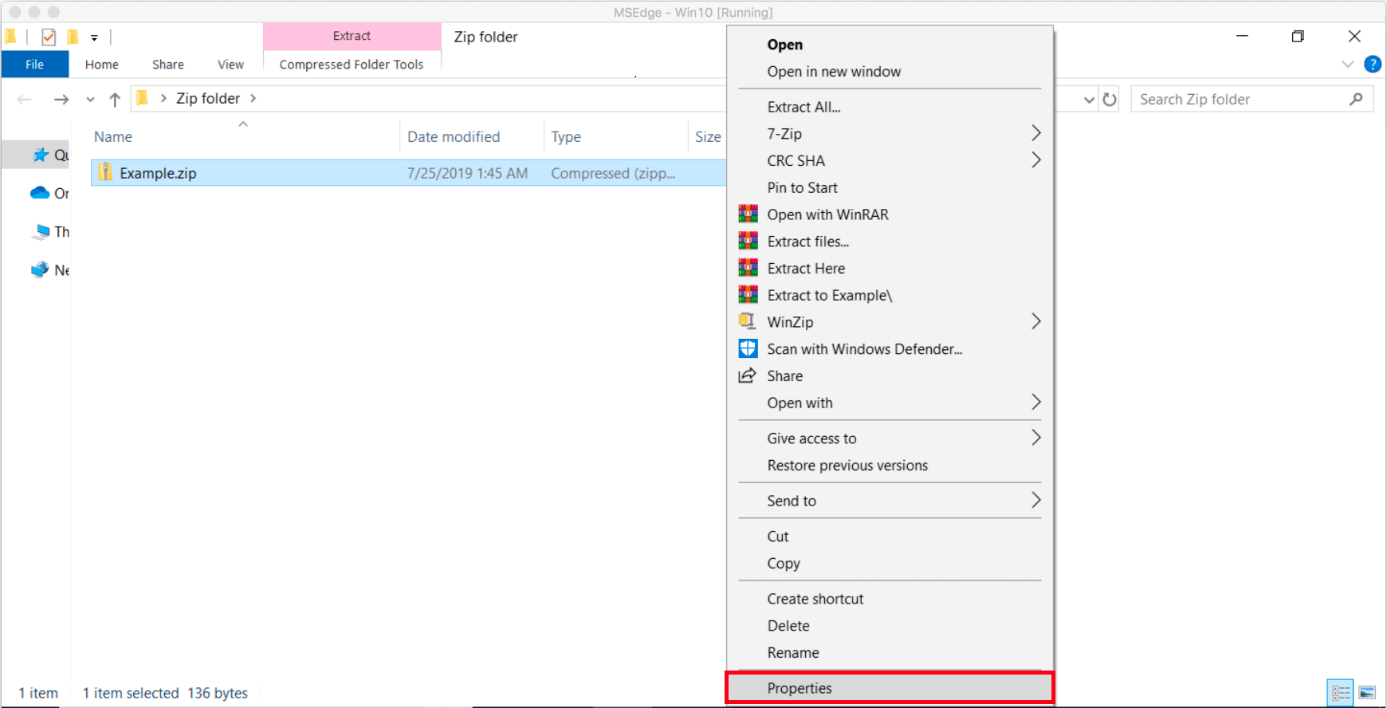
¿How to prevent Windows from opening ZIP files with the new Explorer? For many years, Windows has integrated the feature that allows you to open and browse ZIP files directly from File Explorer. Although it may seem useful at first, many users find it annoying that ZIP files behave like normal folders, especially when managing large volumes of compressed files. This feature, enabled by default since versions like Windows XP, causes each ZIP file to appear in the directory tree, complicating daily navigation and creating chaos, especially when working with multiple ZIP files in the same folder.
If you are tired of this situation and are looking for a way to prevent Windows from opening ZIP files with the new Explorer or want to customize your system's default behavior, here's a complete and detailed look at all the available options, tips for modifying these settings from the registry, workarounds, and advice to ensure a smooth experience with your operating system.
Why does Windows open ZIP files as folders?
By default, Windows File Explorer treats ZIP files as standard folders, integrating them into the directory tree and allowing you to browse them without unzipping them. This feature, while useful for users who occasionally work with compressed files, is a nuisance for those who manage many ZIP files at once, as The folder list grows considerably and everything becomes much less manageable..
The reason behind this behavior is the native integration of ZIP support into the system. Microsoft aims to make it easier to manage compressed files without the need for additional software., but when a user's workflow involves dozens of ZIP files, file management can become slow, confusing, and sometimes frustrating.
How to disable the ZIP as folders feature in Windows
The most effective way to prevent the system from opening ZIP files as folders is to modify the Windows registry. Although there are external applications that allow you to manage this behavior, it is only possible to achieve this using the operating system's own built-in tools, such as the Registry Editor.
These are the most detailed and safe steps you can follow:
- Open the registry editor: Click the Start menu, type “Regedit” and open it from the list of results.
- Navigate to the corresponding key: Go to the following route:
Equipo\HKEY_CLASSES_ROOT\CLSID\{E88DCCE0-B7B3-11d1-A9F0-00AA0060FA31}You can copy the path and paste it into the address bar of the Registry Editor (available in Windows 10 or later). In older versions, you'll need to navigate folder by folder. - Make a backup copy of the key before changing it.Right-click the selected key and choose "Export." Save the file, for example, as "zipfolders.reg." This way, you can restore functionality if you need it in the future.
- Delete the keyWith the path selected, press the Delete key or right-click and choose "Delete." Confirm the action when prompted.
- Restart your PC or File Explorer: For the changes to take effect, restart your computer or close the explorer.exe process and reopen it from Task Manager.
What if I don't have permission to edit the registry?
Windows often prevents the deletion of certain registry keys because the user doesn't have the necessary permissions. In these cases, the ownership is held by TrustedInstaller, the Windows installation service.
To gain full access and remove the key, follow this process:
- Right-click the key and select “Permissions.”
- Click on "Advanced options".
- In the owner section, click "Change."
- Enter your Windows username (If you're using a Microsoft account, this is your email address; for local accounts, this is your username.) Click "Check Names" and then "OK."
- Check the “Replace owner on subcontainers and objects” option. Accept the changes.
- Back in the previous window, select the “Users” group and grant “Full Control.”
- Save the changes, try deleting the key again.
With this procedure, you should now be able to remove the problematic entry and disable the feature that makes ZIP files open as folders in Explorer.
What should I do if I want to regain functionality in the future?
If at any time you wish to re-enable the ability to browse ZIP files as folders from Windows Explorer, You just need to import the backup you created before deleting the key.. Just double-click the exported .reg file and accept the changes.
Alternatives: Change the default program to open ZIP files
Windows allows you to associate different programs to open file types such as .zip. This way, you can make it so that when you double-click on a compressed file, it opens with a different application, such as WinRAR, 7-Zip, or any other application of your choice, thus avoiding the native Explorer.
To change the default association:
- Open the menu Start and enter Configuration.
- Select Applications and then go to Default applications.
- Look for the option Choose default applications by file type and scroll down to the .zip type.
- Choose the program you prefer from the list of available applications.
Additional solutions for common File Explorer problems
Sometimes Windows File Explorer exhibits unexpected behavior, such as repeatedly opening on its own or periodically crashing. This could be a symptom of other system issues, file corruption, incorrect configuration, or other reasons. Here's a rundown of the most common solutions:
1. Restart File Explorer
If the Explorer does not behave as it should, You can easily restart it from Task Manager. Right-click the taskbar, select Task Manager, find the "Windows Explorer" process, and end it. Then, click "File > Run New Task" and type explorer.exe and press OK. You can also restart your computer directly.
2. Turn off autoplay
Sometimes Explorer opens by itself. autoplay function that detects external devices such as USB or hard drives. To prevent this, type "AutoPlay" in the settings search engine, enter the corresponding option and uncheck the box labeled "Use autoplay for all media and devices". Apply the changes and test again.
3. Repair corrupted system files
If system files are corrupted, Explorer may not function properly. Windows includes the SFC (System File Checker) tool to scan and repair files.:
- In the Windows search bar, type cmd.exe, right-click and select “Run as administrator.”
- In the command window, type sfc /scannow and press Enter.
- Wait for the scan to complete and follow the instructions to repair your files if necessary.
- Restart your computer once the process is complete.
4. Check your computer for malware
Sometimes, random Explorer windows appearing can be related to the presence of malware or unwanted software. Use Windows Defender or your preferred antivirus to perform a full scan. from the “Update & Security” section and remove any detected threats.
5. Keep the system updated
An outdated operating system can cause malfunctions. Always make sure you install the latest Windows updates from the corresponding section in the settings. This will minimize errors and keep your device protected.
6. Clear history and quick access items
File Explorer keeps a log of recent files, which if not cleaned regularly can cause crashes or slowness. Access your browser options and clear your history frequently to avoid problems.. Similarly, remove problematic shortcuts if you find any of them causing errors.
7. Enable separate processes per folder
Sometimes, enabling the option to open each Explorer window in a separate process helps improve stability and performance, especially if you frequently have multiple folders open at the same time.
Frequently Asked Questions about Windows File Explorer
How can I open Explorer quickly?
The key combination Windows + E directly open File Explorer. If you already have a window open, you can open a new one by clicking Ctrl + N.
What is the difference between Windows Explorer and File Explorer?
There's no such difference; the name "File Explorer" is the modern name for the same program that was formerly called "Windows Explorer."
Before continuing, you might want to save this for later: How to Compress and Decompress ZIP Files in Windows 11
Additional tips for maintaining a stable Windows environment
To ensure proper functioning of File Explorer, it is recommended to follow certain guidelines:
- Always update your operating system and drivers
- Remove unused programs and perform regular security scans
- Perform regular cleanups of your browser history
- Use third-party compressed file management software for advanced ZIP management
Applying the solutions presented, you can prevent Windows from processing the files ZIP as folders in Explorer and improve overall system performanceAll options are easy to implement, secure, and user-tested on different versions of Windows, so you won't have to deal with awkward navigation or unintentionally popping up Explorer windows again.


Passionate about technology since he was little. I love being up to date in the sector and, above all, communicating it. That is why I have been dedicated to communication on technology and video game websites for many years. You can find me writing about Android, Windows, MacOS, iOS, Nintendo or any other related topic that comes to mind.