- Target Display Mode is exclusive to iMacs from 2009 to 2014 with older versions of macOS.
- Retina and newer models require alternatives such as AirPlay, Luna Display, or video capture devices.
- The physical connection varies between Mini DisplayPort and Thunderbolt cables depending on the generation of the equipment.
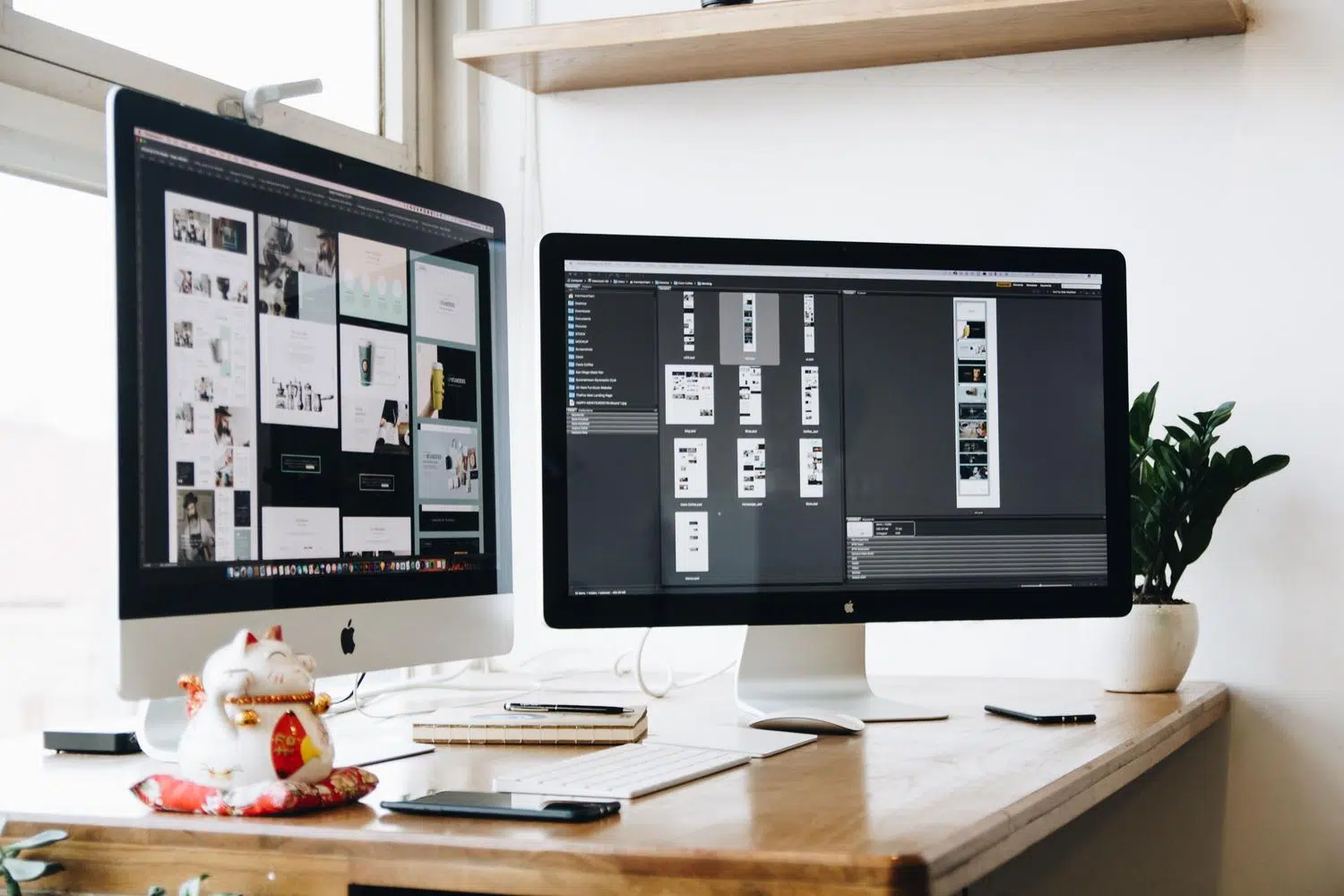
How to use an older iMac as a second monitor with Retina Relay? Do you have an old iMac lying around that's no longer up to par but has a spectacular screenIt's very common to feel like it's a waste to leave that monitor gathering dust when you could use it to expand your workspace and be much more productive. The truth is, having a second screen is a game-changer, especially if you work with many windows open and hate constantly switching between them.
The problem is that Apple doesn't make it easy, and not all models allow this natively. Depending on whether your device is an older model or something more modern, you'll have to resort to... Specific cables, software tricks or even third-party hardware. We're going to thoroughly explore all the possible ways to turn that iMac into the perfect monitor for your MacBook or PC.
The classic Target Display Mode
This is the official feature Apple designed some time ago, though unfortunately they abandoned it. For this to work, you need an iMac manufactured between 2009 and mid-2014. The most important thing here is that the computer must have macOS High Sierra 10.13.6 or earlier to ensure full compatibility.
- 27-inch iMac (2009-2010): These models absolutely require a cable Mini DisplayPort to make the connection.
- iMac from 2011 to mid-2014: In this case, communication is done through a cable Thunderbolt or Thunderbolt 2.
To get started, make sure both computers are turned on and that on the primary Mac you have logged in with a userOnce the cables are connected, you just need to press the combination Command + F2 on the iMac keyboard. If you see that nothing happens and you have the option to use the F1 and F2 keys as the default enabled, try with Command + Fn + F2.
There are a couple of things to keep in mind: the applications that were open on the iMac will still be there, but You will not be able to use the camera nor the iMac's USB ports for the other Mac. If you want the sound to come out of the iMac's speakers, go to the sound preferences on the main computer and select the iMac as the source. audio output.
Solutions for modern iMacs and Retina displays
If you have a 2015 or later iMac or one with a Retina display, forget about Target Display Mode because there's a hardware limitation Insurmountable. But don't despair, there are alternatives. If both teams use macOS Monterey or laterYou can use AirPlay. Just enable the AirPlay Receiver on the iMac (System Preferences > Sharing) and then select the iMac as the destination from the other Mac's screen.
However, AirPlay does have its drawbacks: the resolution remains at 1080pTherefore, you won't take full advantage of Retina sharpness and might notice some lag. If you're looking for something professional, the best option is Luna DisplayIt's a small adapter that connects to the main Mac and, through its app, allows you to use the iMac as a monitor even in 5K resolution, being compatible with M1, M2 chips and even Windows PCs.
The advanced trick via Windows (Boot Camp)
For the bravest or those who aren't afraid to tinker with the system, there's an extra twist: installing Windows on a partition from the iMac using Boot Camp. When booting into Windows, Apple's restrictions disappear. You must go to Settings > System > Projection in this team and activate the option to request a projection.
This way you can project the image from another device via Wi-Fi or cable. The major drawback is that You lose the settings as soon as you log back into macOS, so it's a rather tedious solution that we only recommend if you really need the iMac to act as a display and don't mind the hassle. operate from Windows.
What to do if none of this works?
Sometimes Command + F2 acts up. Before you get frustrated, try the basics: Restart both computers and disconnect and reconnect the Thunderbolt or Mini DisplayPort cables. Also, make sure you are using the original Apple keyboardbecause many third-party keyboards do not send the correct signal to activate this mode.
If the problem persists, there are external options such as video capture devicesYou buy an inexpensive capture card, connect your PC's video output to your iMac's USB port, and use capture software to view the image. It's not the smoothest process because the iMac has to be on processing the video, but it's a decent option. universal solution that works with any equipment.
Making an older iMac work as a monitor depends entirely on its year of manufacture and the ports it has, ranging from the simplicity of a Thunderbolt cable on older models to the use of AirPlay or Luna Display on newer machines. Whether through Target Display mode, Windows workarounds, or external hardware, there's always a way to salvage that high-quality panel to improve your ergonomics and daily workflow. Now you know how to use an older iMac as a second monitor with Retina Relay.

Passionate about technology since he was little. I love being up to date in the sector and, above all, communicating it. That is why I have been dedicated to communication on technology and video game websites for many years. You can find me writing about Android, Windows, MacOS, iOS, Nintendo or any other related topic that comes to mind.