- Warner Bros. Discovery has removed original Looney Tunes shorts from the Max platform, reportedly as part of a content restructuring.
- The decision seeks to prioritize higher-performing titles and align with a strategy focused on adult entertainment.
- The removal has drawn criticism from fans and experts, who consider it a loss for classic animation.
- This measure could be motivated by tax benefits and streaming royalty costs.
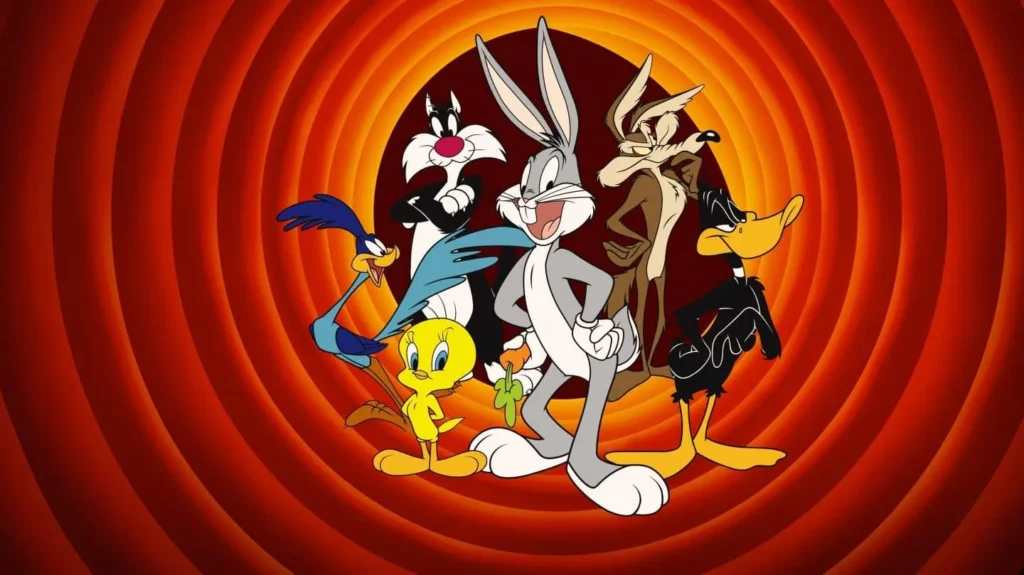
A surprising decision by Warner Bros. Discovery has sparked a wave of reactions among fans of classic animation. The company has confirmed the removal of a large collection of original Looney Tunes shorts. from its catalog in Max (formerly known as HBO Max), a move that has generated both criticism and uncertainty about the future of this type of content on streaming platforms.
Warner has chosen to focus on more recent, high-impact commercial titles., which has led to the disappearance of materials considered historical within children's and family entertainment. Although some modern productions linked to the franchise are still available, such as certain series and the recent film "The Day the Earth Exploded," the same cannot be said for the original shorts that defined an era. For more information on this legacy, you can check out our guide on The titles you can't miss on HBO Max.
Why has Warner made this decision?
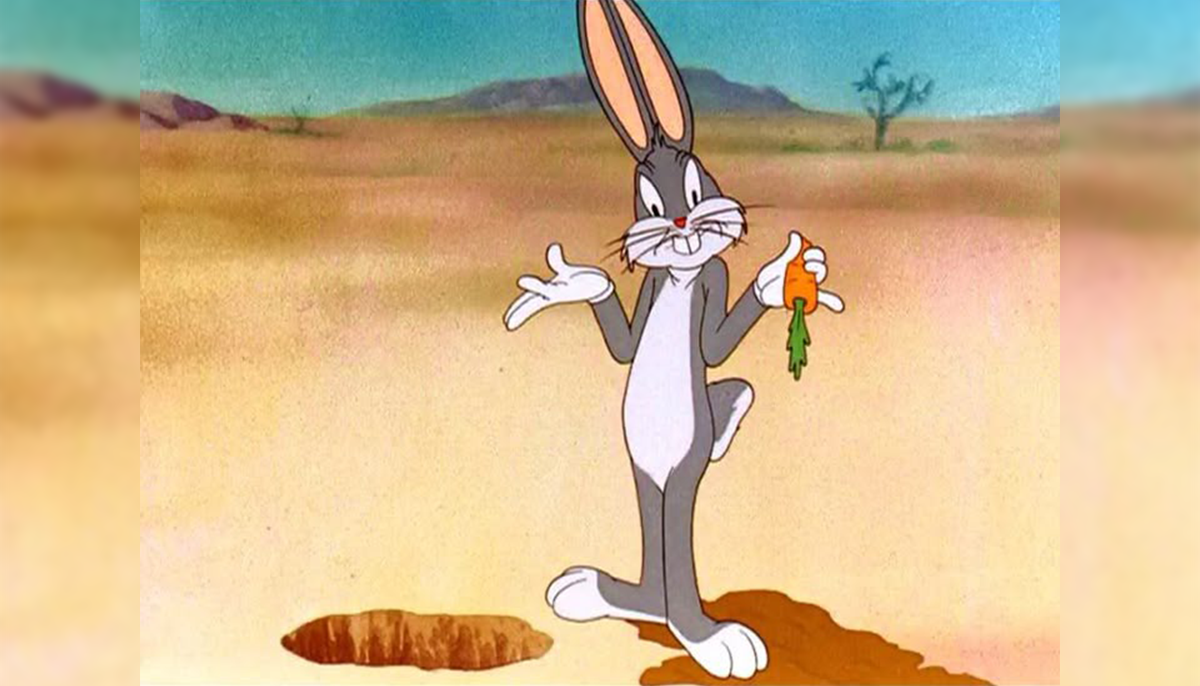
According to various reports, The withdrawal of the Looney Tunes shorts is due to a new programming strategy. which seeks to consolidate Max as a platform focused on more mature content. Along these lines, the company would be investing more resources in productions such as "The Last of Us" either "The House of the Dragon", trying to position itself as a serious competitor to other rival platforms.
This is not an isolated caseIn recent months, Warner has also removed content such as episodes of Sesame Street, which reinforces the theory of a strategic reorientation away from children's entertainment. This trend has generated concern in the field of classic animation, where many consider these works an essential part of the cultural and audiovisual legacy. If you're interested in delving deeper into the Looney Tunes universe, you can see how the Looney Tunes-related events.
What is particularly striking is the apparent contradiction between this elimination and the recent theatrical release of a film based on the very same characters. For the most critical, this demonstrates a lack of coherence in catalog management from Warner Bros. Discovery.
Economic motives behind the movement
In addition to strategic reasons, there are also Economic causes have been raised as part of the background of this decision. A theory widely shared on social media and specialized forums holds that Maintaining certain content on the platform entails a constant cost in the form of royalties, even when the visualization of those materials is very low.
As one user on the Threads network explained, Streaming residual rights payments do not depend on the number of viewers, but simply the availability of the product on the platform. Therefore, maintaining classic content like Looney Tunes, even if it doesn't have a high viewing rate, would generate expenses that Warner has decided to cut.
Besides, There would also be tax incentives associated with the removal of content considered less profitable.This practice is not new in the entertainment industry, as eliminating underperforming titles allows companies to declare losses and obtain tax benefits.
The impact among followers and experts
The public's reaction was immediate. Many fans have expressed their disappointment on social media., where they shared excerpts from classic episodes and expressed their displeasure over what they consider a significant loss to television's cultural heritage.
Even some professionals in the sector have shown their disagreement, considering that These types of decisions compromise the access of new generations to historical content. Unlike other platforms like Disney+, which have made efforts to preserve and enhance their animated legacy, Warner seems to be betting on a renewal policy with less interest in the classic archive. For those who want to explore more about content storage, you can find out about How to share HBO accounts securely.
The removal of the Looney Tunes shorts also raises a debate about the role of streaming as a digital archive.Many experts point out that platforms of this type must take an active role in the preservation of relevant cultural works, beyond their commercial performance.
A trend that could continue
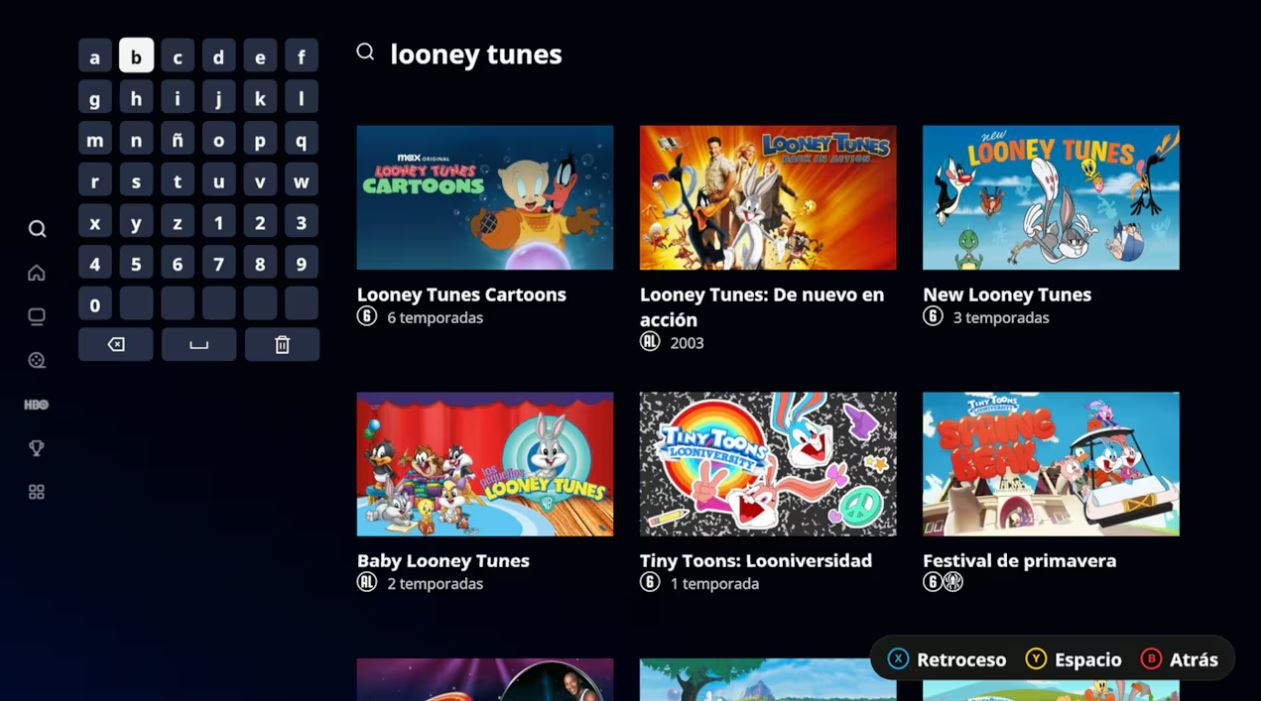
This type of maneuvers They do not appear to be isolated or exceptional cases within the sector.In fact, other companies like Netflix and Paramount have also made similar adjustments to their catalogs, prioritizing titles with a greater potential to generate new subscriptions or retain users.
In this context, The removal of iconic material could become a more frequent practice, especially in a fiercely competitive environment where strategic decisions are increasingly tied to immediate economic benefits rather than cultural preservation.
Some analysts point out that this trend could redefine the way we consume classic content., forcing users interested in this type of material to turn to physical editions, private collections, or alternative tools outside the official platform circuit.
The removal of classic Looney Tunes from Max marks a notable shift in the way Warner Bros. manages its catalog, prioritizing current and more profitable projects over protecting its historical legacy. Despite criticism, the decision seems aligned with a business logic that prioritizes financial indicators over the cultural value of its content.

I am a technology enthusiast who has turned his "geek" interests into a profession. I have spent more than 10 years of my life using cutting-edge technology and tinkering with all kinds of programs out of pure curiosity. Now I have specialized in computer technology and video games. This is because for more than 5 years I have been writing for various websites on technology and video games, creating articles that seek to give you the information you need in a language that is understandable to everyone.
If you have any questions, my knowledge ranges from everything related to the Windows operating system as well as Android for mobile phones. And my commitment is to you, I am always willing to spend a few minutes and help you resolve any questions you may have in this internet world.