- Revolut may block transfers or accounts due to legal obligations related to the prevention of money laundering, fraud, and breach of terms and conditions.
- The blocks can last for days or months and affect the entire balance, with user testimonies reporting a lack of information and contradictory messages.
- Most customers are operating without problems, but those affected are suffering a significant impact by losing access to savings, payroll, or company funds.
- Updating data, justifying the source of funds, and responding quickly to requests for documentation helps reduce risks and speed up reviews.

When suddenly Revolut blocks a transfer "for security" or freezes an account without prior noticeThe feeling is often one of absolute panic: the money is trapped, you can't pay salaries, make transfers, or use the card, and support seems to offer no clear answers. Although the app is user-friendly and sign-up is incredibly quick, what worries many users is precisely this: what happens when something goes wrong?
In recent years, there has been an accumulation of problems. Testimonials from customers who see their account limited after seemingly normal transactionsRevolut cites security reviews and legal obligations related to combating money laundering as the reason for these account blocks. At the same time, the company itself insists that these blocks are "rare cases" and that the majority of users are never affected. This contrast between the general experience and the most serious cases creates a lot of uncertainty, especially if you're considering opening an account with the neobank.
Why Revolut might block a transfer or your account

To understand what lies behind these blockages, we must start from a key idea: Revolut, like any financial institution operating in the European Union, is legally obliged to monitor and, if necessary, stop suspicious transactions.It does not do so "just because", but because it is imposed on it by regulations such as Directive (EU) 2018/843 on the prevention of money laundering (AML) and the KYC (Know Your Customer) rules.
These regulations require banks and neobanks continuously monitor their customers' transactions to detect patterns that may indicate fraud, money laundering, financing of illicit activities, or misuse of the account. When something doesn't match the user's usual profile, the system may trigger an internal alert that ends in:
- Temporary blocking of specific operations (for example, a transfer that remains "under review").
- Partial or total restriction of the account (You can't send money, pay by card, or even access the funds).
- Request for additional documentation to verify your identity, the origin of your funds, or the type of activity you are carrying out.
Revolut itself explains on its website that reserves the right to restrict accounts “on rare occasions” as part of their security protocols. In theory, they commit to unlocking the account within a maximum of three hours after reviewing all the documentation, although they also acknowledge that the timeframe may be extended if they need to coordinate with other banks, payment providers, or regulatory authorities.
Specific reasons why Revolut may restrict your account
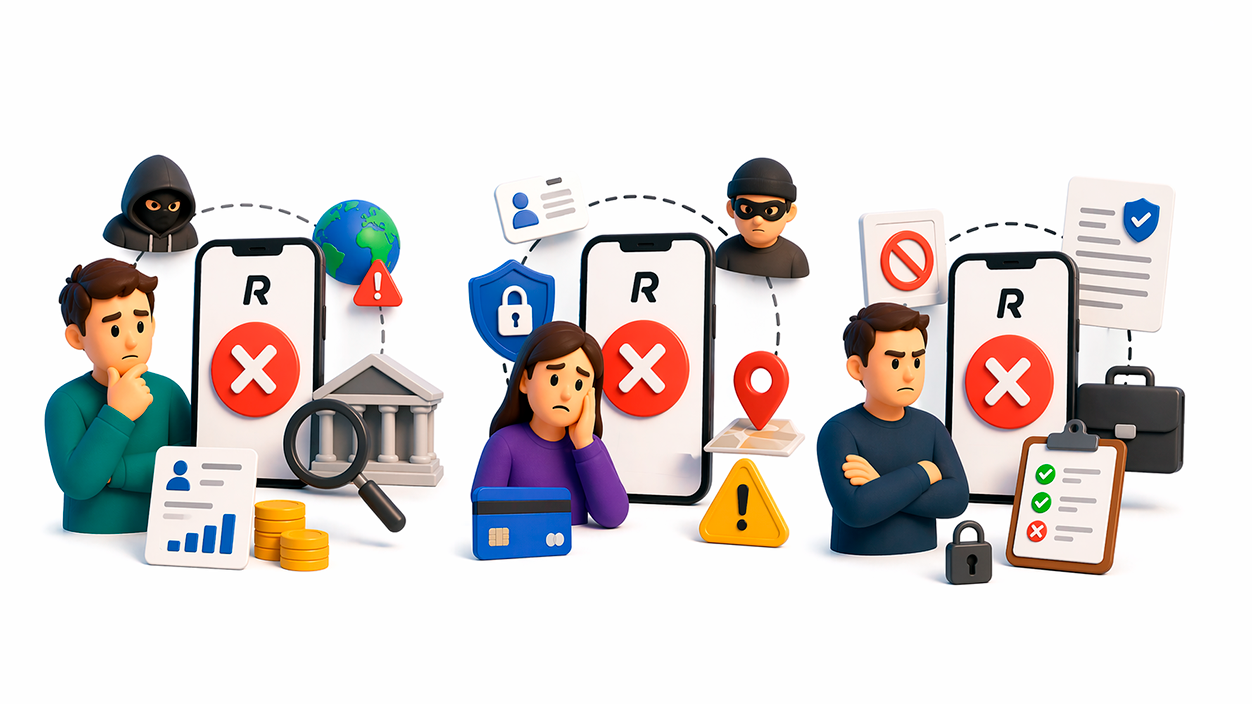
Revolut outlines three main situations in which it may apply serious restrictions. Although they sound generic, in practice they cover many of the cases that appear in forums and social media, where users describe how they suddenly found themselves without access to their accounts. without access to their money for days, weeks, or even months.
1. Suspicions of money laundering or illegal activities
If Revolut's systems consider that a transaction could be linked to money laundering or other illegal activityThe typical reaction is to freeze the account or transaction and ask you to provide additional information. This can happen, for example, in situations such as:
- Sudden entry of a very large amount of money in an account that has always moved small amounts.
- Reception of transfers of unknown persons or companies without an obvious explanation.
- Movement patterns that do not match the declared profile (for example, a supposedly personal account with typical business operations).
- Movements toward or from countries considered at risk or with lax regulations.
In these cases, Revolut usually asks you to Explain the origin of the funds and provide evidence. (pay slips, invoices, contracts, statements from other banks, etc.). Until they receive and review this documentation, the account may remain blocked.
2. Suspicion of fraud or identity theft
Another common reason for being blocked is that the system understands that your account might be being used fraudulently or that someone has tried to impersonate youThis includes things like:
- Access attempts from unusual devices or locations.
- Payments that do not fit with your normal behavior or that the merchant or issuer considers suspicious.
- Reports of dispute or reversal of payments (chargebacks), for example, when someone makes a transfer to you and then demands the money back.
In these situations, Revolut can temporarily block your account or some features While it asks you to upload updated identity documents or confirm that the transactions are legitimate, it may seem excessive, but from the bank's perspective, it's a way to protect you against potential theft.
3. Breach of terms and conditions
Revolut also indicates that it may restrict accounts when it suspects that Their terms and conditions of use are being violatedThis can encompass many scenarios, from using a personal account for clearly business activities, to practices prohibited by its internal rules, to intermediary services that are not allowed.
In these situations, it is common for the entity to: ask for further explanationsThey may request documentation to understand what type of activity is taking place or even decide to close the account if they conclude that it is being used without authorization. In some cases, before closing the account, there are prolonged blocks while they assess the situation.
Real-life cases: prolonged blockages after everyday operations
Beyond what Revolut says on its website, a significant part of the concern stems from user testimonials on forums such as the r/Revolut subredditwhere stories of blockages accumulate that have little to do with operations that appear "strange" at first glance.
Accounts frozen for weeks or months
One of the cases discussed describes how a user They restricted the account for more than a monthDespite contacting the in-app support chat multiple times, he still couldn't access his money. In the comments, another customer confirmed that he had been in a similar situation and that He did not regain access to his funds until three months had passed., despite having complied with all documentation requests.
The problem, they say, is not just the blockage itself, but the feeling of lack of information and clear deadlinesThe support team keeps saying the account is "under review" and that we have to wait, but they don't give specific dates or a detailed explanation of what's really happening with the internal file.
Blocked when paying with Apple Pay on a normal purchase
Another user reported that their account was frozen right after Try using your Revolut debit card through Apple Pay at a merchantAccording to her, the transaction seemed completely normal, but moments later she received a notification informing her that her account had been restricted due to a standard review required to comply with financial regulations.
The message indicated that it was a temporary lock for security reasonsHowever, 47 days later, he still hadn't received any updates or resolution from the bank, so he still couldn't access his money. In the comments on this story, another customer pointed out that he had been waiting for 47 days. 22 days waiting for a response after having deposited all his savings into the Revolut account, also under the pretext of a review.
Transfer from an unknown person and subsequent dispute
There are also cases where the restriction is activated after receiving a transfer from someone the user does not know personallyOne of them recounted that, after receiving the money, the sender opened a dispute over that payment, which led Revolut to intervene.
In response, the neobank requested that the recipient submit supporting documentation and placed a temporary restriction on the accountAfter two days, the person still could not access their funds, waiting for Revolut to review the information provided and resolve the conflict generated by the dispute with the original issuer.
The official version of Revolut: security and regulatory compliance
From the company's point of view, these blockades are not a whim, but an obligation. Revolut claims it only restricts accounts “on rare occasions” and that it is a measure intended to:
- Comply with financial laws and regulations applicable in the European Union.
- Ensuring the safety of customers' money in the face of possible fraud, theft or abuse.
- Preventing money laundering and other illegal activities, as required by AML regulations and KYC protocols.
In its public documentation, Revolut insists that, when a block or restriction occurs, They try to resolve it within a maximum of three hours from the date of receipt of all required documents. However, they also warn that this deadline may be extended if it is necessary to work jointly with other financial providers or regulatorswhich in practice can translate into days or weeks if the case is complex.
The entity emphasizes that these security protocols They are not exclusive to RevolutAny bank or payment service provider operating in Europe is subject to the same obligations. In fact, many traditional institutions carry out similar account blocks and reviews, although these are often handled through more traditional channels (physical branch, personal manager, telephone) rather than through chatbots within an app.
What to do if Revolut blocks your account or a transfer
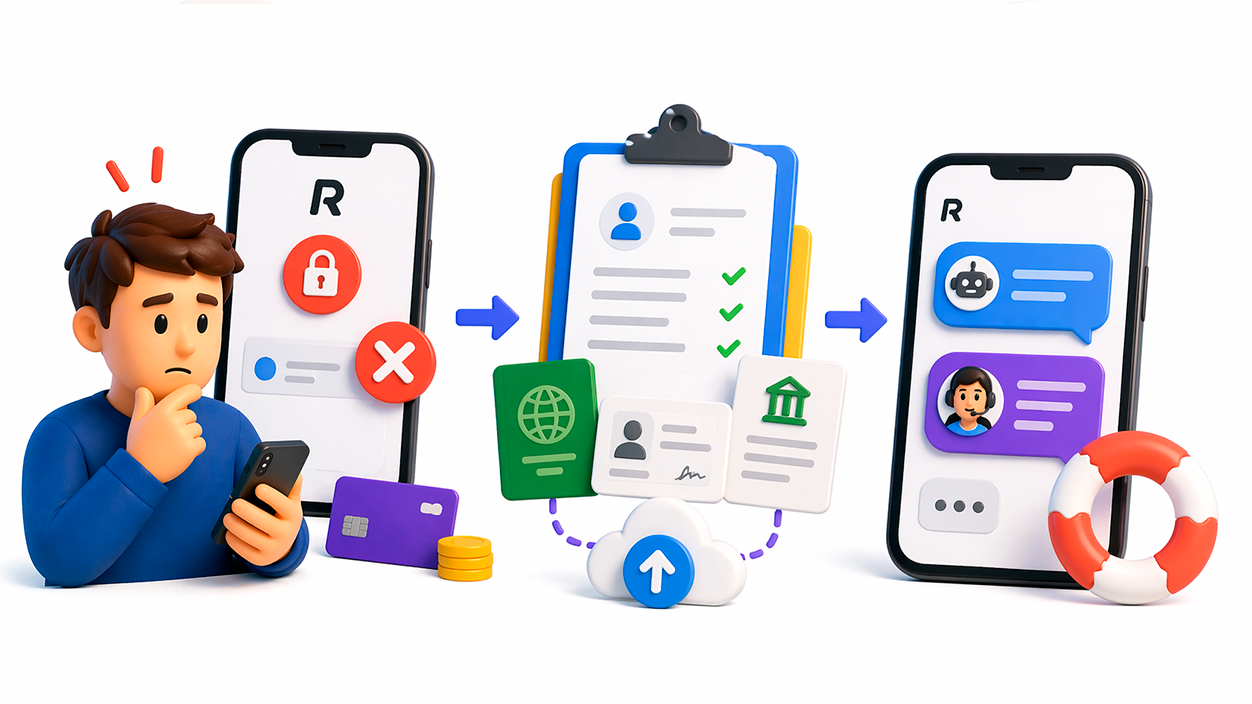
If you come across the message that Your Revolut account is restricted or a transfer has been blocked “for security reasons”The company itself recommends following a series of steps that can accelerate the resolution of the problem.
1. Check the notifications in the app
The first thing to do is open the application and Read the notification you received carefully.Revolut typically indicates that a standard review has been initiated, that some features may be limited, and that you need to provide additional information. This alert usually includes basic instructions for the next steps.
2. Provide the documentation they request.
In most cases, they will ask you to upload via the app documents that prove your identity and/or the origin of the moneySome examples of what they might ask you to do are:
- Valid identity document (DNI, passport, NIE, etc.).
- Payrolls, employment contracts, or income statements.
- Invoices, contracts, or agreements that explain why you receive certain payments.
- Bank statements from other entities that justify the movement of funds.
As soon as possible upload that documentation in a complete and legible formatThe compliance team will be able to review your case beforehand. If anything is missing or the documents don't look right, the process will likely take longer.
3. Stay in touch with support (even though it can be frustrating at times)
The main communication channel with Revolut is the chat within the app itselfFrom there, you can ask about the status of your review and if they need anything else from you. In some cases, you'll first speak with a bot that filters inquiries, but if the matter is serious, you should be able to escalate the conversation to a human agent.
Many users, however, complain that the service is slow, repetitive, and unclearIn shared experiences, support simply states that the account is still under review, without specifying timelines or detailing exactly what the responsible department is reviewing. This lack of transparency increases the feeling of helplessness, especially when significant amounts of money are frozen.
When the blockage drags on: the case of the 13.000 euros trapped
One of the most striking testimonies describes a situation that, for its author, “borders on surrealism.” According to his account, they were carrying eight days with the account blocked and more than 13.000 euros heldThis prevented them from making transfers, paying salaries, or operating normally. Up to this point, already serious in itself, the story might resemble other prolonged audits.
The turning point comes when, after more than a week, they finally receive An official message from Revolut indicating that the account will be closed and that the money can be withdrawn.At first they interpret it as a reasonable outcome: they accept that the relationship with the entity is over, but at least they recover their funds and can go to another bank.
However, when they try to withdraw the money, they discover that They can't do it either.Faced with this contradiction, they contacted support, and the response they received was literally: “Ignore the message. It was sent automatically. Your account is still under review.” In other words, the system tells them to close the account and withdraw the funds, but at the same time prevents them from executing that order and asks them to ignore it.
The indignant customer interprets this as no longer a simple technical problem, but rather a lack of control and responsibility on the part of a company that manages other people's moneyHe complains that there's no clear phone number to call, no direct human support to take responsibility for the case, only bots, contradictory messages, confusion, and constant blocking. His conclusion is stark: anyone keeping money in Revolut is taking a high risk if a serious problem arises.
Is this a widespread problem or isolated cases?
Given all of the above, it's easy to think these problems are commonplace, but they need to be put into context. Revolut, which It began operating as a bank in the EU in 2022It has millions of customers in Europe and more than five million in Spain alone. In June, it also announced the installation of its first ATMs in our countryThis reinforces its presence as a neobank with increasingly comprehensive services.
If we turn to review platforms like Trustpilot, the company has Over 263.000 reviews and a score of 4,6 out of 5This indicates that the experience for most users is positive. Instant payments, competitive currency exchange, virtual cards, spending control… For many people, Revolut works smoothly and without these kinds of blocks; if you're looking for alternatives to payment apps, check out [reference to Revolut]. the best alternatives to Venmo.
Cases of closures, prolonged restrictions, and unexpected lockdowns tend to be concentrated in a small but very visible percentage of usersBecause they are the ones who make the most noise (rightly so) on social media and forums. That said, for those who suffer it, the impact can be enormous: withheld wages, frozen savings, inoperative business accounts, constant stress, and a feeling of helplessness.
How to reduce the risk of Revolut blocking your transfer or your account
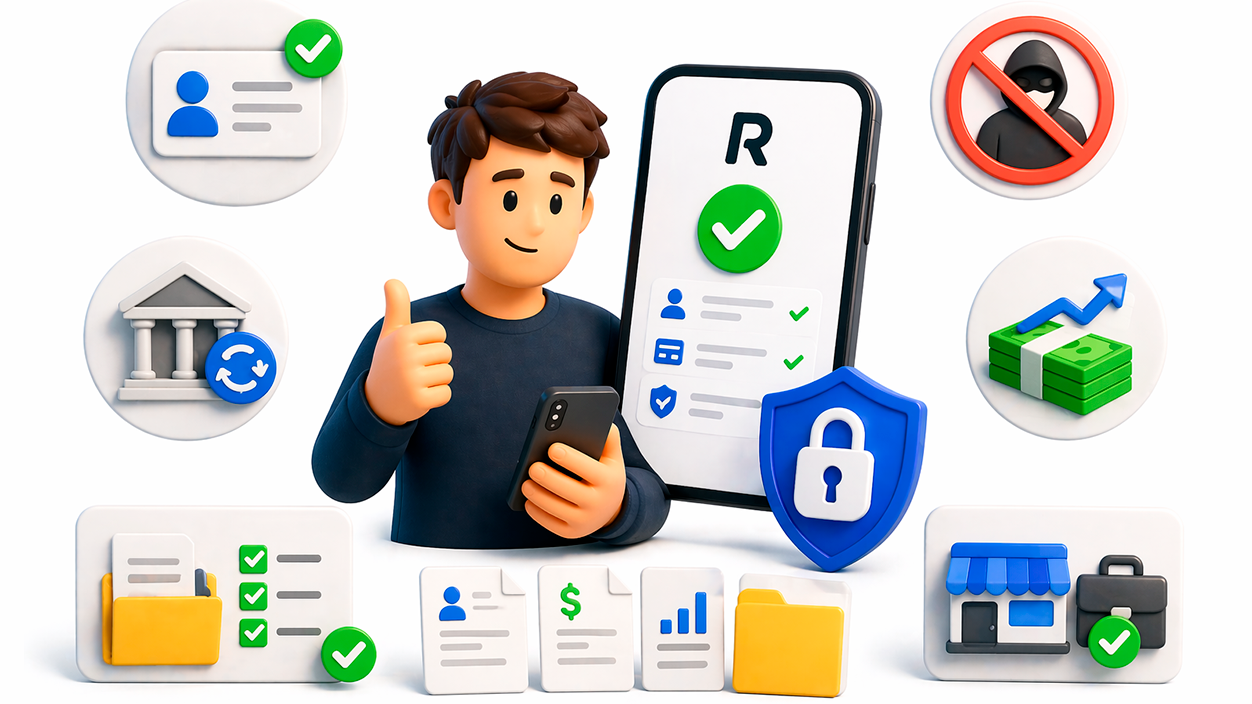
There's no magic formula to completely avoid a review, because there are internal factors and automated processes that aren't fully understood. However, some precautions can be taken. Precautionary measures that usually help minimize the risk of a blockage or, at least, help resolve it sooner.
- Keep your personal data and documents always up to date in the app (address, identity document, etc.).
- Avoid actions that directly contradict your stated profile, such as to suddenly receive large sums of money without apparent justification.
- If you are going to move a lot of money at once (for example, the sale of a car or a property), Have the documentation ready. (contract, supporting documents, deeds) in case they ask for it.
- Be wary of unexpected transfers from unknown sourcesespecially if they could later challenge the payment.
- If you use Revolut for business activities, consider opening the right account for businesses or freelancers and not use a purely personal account.
Even if they still block you, having everything in order and accessible (payslips, invoices, tax returns, contracts) can make the difference between a quick review and a process that drags on forever.
Ultimately, Revolut combines a user-friendly app and a very powerful offering for everyday use with one weakness that many customers consider critical: the management of serious incidents and communication during security lockdownsFor most users, the experience is smooth and convenient, backed by positive reviews and significant growth in the EU and Spain. However, for those who encounter a prolonged restriction after a transfer, an Apple Pay purchase, or an unusual influx of funds, the situation can become chaotic, with money frozen for weeks and support that often simply repeats that the case is "still under review." Being aware of these risks, meticulously complying with documentation requests, and diversifying where you hold your money are sensible steps if you decide to use Revolut as part of your daily financial routine.

I am a technology enthusiast who has turned his "geek" interests into a profession. I have spent more than 10 years of my life using cutting-edge technology and tinkering with all kinds of programs out of pure curiosity. Now I have specialized in computer technology and video games. This is because for more than 5 years I have been writing for various websites on technology and video games, creating articles that seek to give you the information you need in a language that is understandable to everyone.
If you have any questions, my knowledge ranges from everything related to the Windows operating system as well as Android for mobile phones. And my commitment is to you, I am always willing to spend a few minutes and help you resolve any questions you may have in this internet world.