- Demand for AI and data centers is diverting RAM from the consumer market, causing a severe shortage.
- DRAM and DDR4/DDR5 prices have multiplied, with increases of up to 300%, and tension is expected until at least 2027-2028.
- Manufacturers like Micron are abandoning the consumer market and others are prioritizing servers, while Spain and Europe will begin to feel the impact.
- The crisis is driving up the price of PCs, consoles, and mobile phones, encouraging speculation, and forcing a rethink of the pace of hardware updates and the current model of the video game industry.

Being a fan of technology and video games has become quite complicated. It's increasingly common to wake up with Bad news about the hardwareLayoffs, project cancellations, price increases for consoles and computers, and now a new problem affecting almost everything with a chip. What for years It was a cheap component and almost invisible in the technical specifications It has become the biggest headache for the sector: RAM memory.
In just a few months, what was a relatively stable market has taken a radical turn. fever for artificial intelligence and data centers It has triggered a surge in demand for memory and a supply crisis which is already noticeable in Asia and the United States, and is expected to arrive strongly in Europe and Spain. RAM has gone from being "the least important thing" in the budget of a PC or a console to become one of the factors that most increases the cost of the final product.
How AI has triggered the RAM crisis
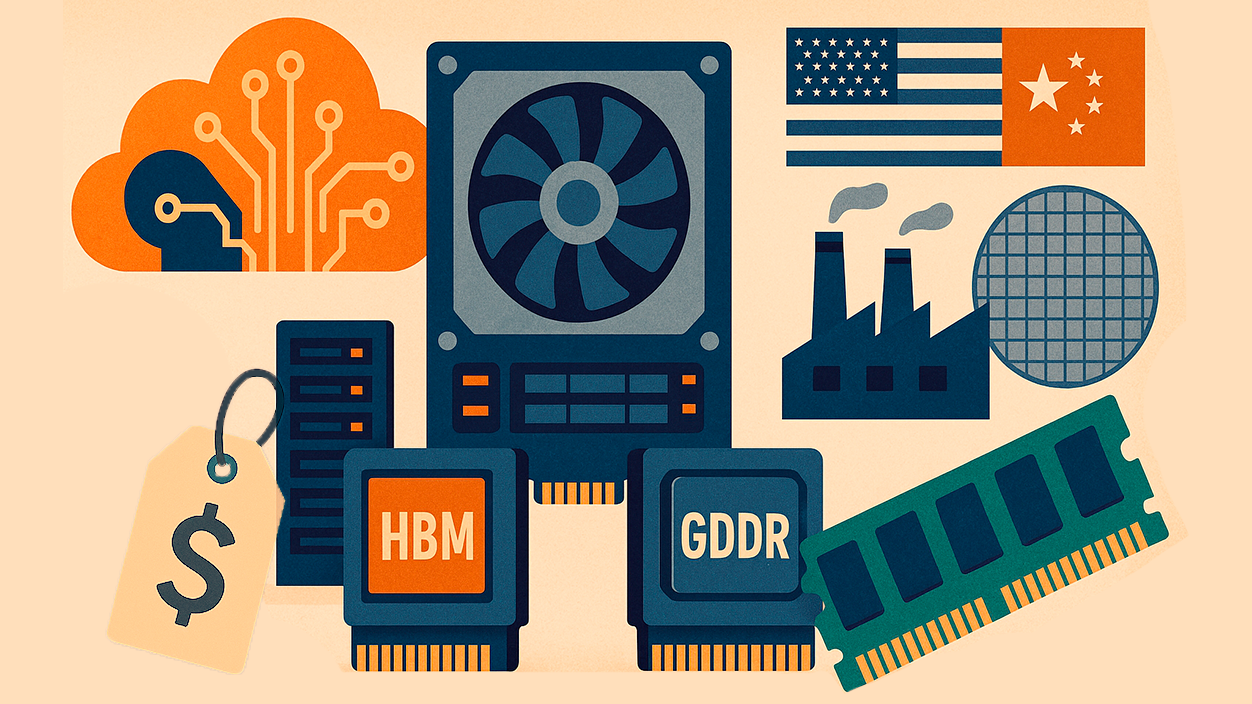
The origin of the problem is quite clear: the explosion of generative AI And the rise of large-scale models has changed the priorities of chip manufacturers. Training massive models and serving millions of requests per day demands brutal amounts of high-performance memory, both server DRAM and HBM and GDDR for GPUs specialized in AI.
Companies like Samsung, SK Hynix, and Micron, which control more than 90% of the global DRAM marketThey have opted to maximize margins by allocating most of their production to data centers and large enterprise clients. This leaves aside traditional RAM for computers, consoles, or mobile devices, which generates scarcity in the consumption channel even if the factories continue to operate at a good pace.
It doesn't help that the semiconductor industry is living in a structurally cyclical and highly sensitive cycle to changes in demand. For years, PC memory was sold with minimal margins, which discouraged expanding factories. Now, with AI driving the market, that lack of prior investment is becoming a bottleneck: increasing production capacity requires billions and several years, so the industry cannot react overnight.
The situation is aggravated by the trade tensions between the United States and Chinawhich increases the cost of raw materials, energy, and advanced lithography equipment. The result is a perfect storm: soaring demand, limited supply, and rising manufacturing costs, which inevitably translate into higher final prices for memory modules.
Prices skyrocket: from cheap component to unexpected luxury
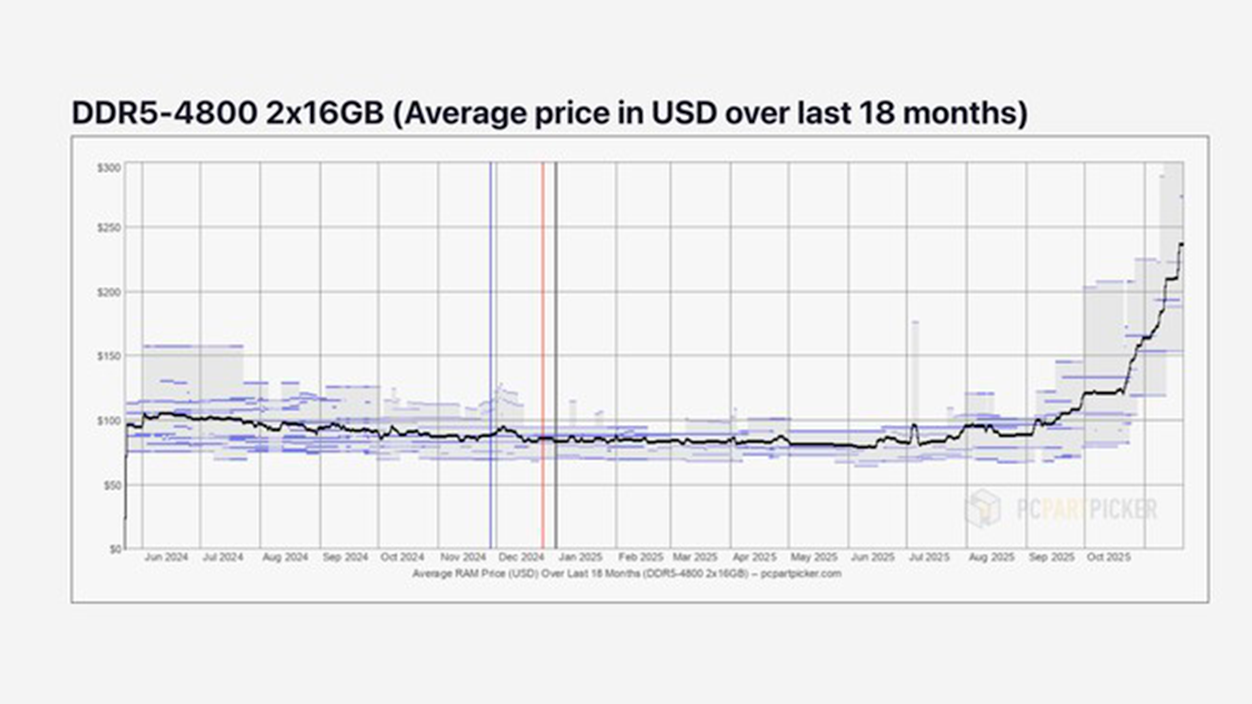
The impact on people's wallets is already being felt. Reports from consulting firms such as TrendForce and CTEE indicate that The price of DRAM has risen by more than 170% in one yearwith additional increases of 8-13% per quarter in recent months. In some specific formats, the cumulative increases are around 300%.
An illustrative example is that of the 16GB DDR5 modules for PCs, which have arrived in just three months to multiply its price by six in the international component market. What was around $100 in October can now exceed $250, and even more for configurations geared towards gaming or workstations. DDR4, which many saw as a cheap reservation, They also become more expensiveBecause Fewer and fewer wafers are being manufactured for older technologies..
This escalation directly impacts computer manufacturers. Dell, for example, has begun to implement increases of between 15% and 20% in some laptops and desktops, and It charges an additional $550 to upgrade from 16 to 32 GB of RAM in certain XPS ranges, a figure that would have been unthinkable a few years ago. Lenovo has already warned its customers of double-digit price increases starting in 2026 for the same reason.
Paradoxically, Apple now appears as a kind of haven of stability.The company had been charging considerable premiums for memory upgrades in its Macs and iPhones for years, but for now, it has kept its prices frozen even after the launch of the MacBook Pro and Mac with the M5 chip. Thanks to long-term supply agreements with Samsung and SK Hynix, and already very high profit margins, it can cushion the blow better than many Windows PC manufacturers.
That doesn't mean it's protected indefinitely. If costs continue to escalate beyond 2026 and The pressure on margins is becoming unsustainableIt's possible Apple will revise its prices, especially for configurations with more than 16GB of unified memory. But, at least for now, volatility is much greater in the Windows ecosystem, where upwardly revised price lists are released every quarter.
Micron abandons the end user and production focuses on servers

One of the most symbolic moves of this crisis has been made by Micron. Through its Crucial brand, it was one of the best-known players in RAM and SSD for consumer use, But has decided to abandon that segment and focus all their efforts on the most profitable "business": servers, data centers and AI infrastructure.
The withdrawal from the wholesale consumer market, scheduled for February 2026, sends a clear message: The priority is on the cloud, not on the home userWith Micron stepping aside, Samsung and SK Hynix further strengthen their dominance over the available supply, reducing competition and facilitating price increases.
Other module manufacturers, such as Lexar, are finding themselves caught in this dynamic. On some online sales websites, their RAM kits appear as products only available for pre-order with delivery dates as far away as August 31, 2027. This gives a rather stark idea of the backlog: there is so much demand that even established brands have to block short-term orders and promise shipments almost two years from now.
Behind these decisions lies a purely economic rationale. When one has a limited quantity of memory chipsIt's more profitable to package them in high-margin server modules than in consumer sticks aimed at gamers or home users. The result is a growing shortage in the retail channel and a vicious cycle of high prices that discourages new purchases… until, inevitably, someone gives in.
Forecasts: shortages until 2028 and high prices at least until 2027
Most forecasts agree that this It is not a passing crisis of a few monthsRecently leaked internal documents from SK Hynix indicate that the DRAM memory supply will remain "highly strained" until at least 2028. According to these estimates, 2026 will still see price increases, 2027 could mark the peak of the price hike, and it won't be until 2028 that the situation begins to ease.
These timelines align with the investment announcements from major manufacturers. Micron has committed billions to new plants in Japan and other countries, while Samsung and SK Hynix They are building additional factories geared towards advanced memory and high-performance packaging. The problem is that these facilities won't enter mass production until the second half of the decade, and much of their capacity will initially be reserved for AI and cloud customers.
Consulting firms like Bain & Company estimate that, solely due to the rise of AI, Demand for certain memory components could grow by 30% or more by 2026In the specific case of DRAM linked to AI workloads, the expected increase exceeds 40%. To avoid continued bottlenecks, suppliers should increase their production by similar percentages; something difficult to achieve without risking a disastrous oversupply if demand cools.
That's another reason why manufacturers are proceeding with caution. After several cycles in which expanding too rapidly led to abrupt price drops and losses in the millionsNow, a much more defensive attitude is evident: manufacturers prefer to maintain controlled shortages and high margins rather than risk another bubble. From the consumer's perspective, this translates into a less than promising scenario: expensive RAM may become the new normal for several years.
Video games: more expensive consoles and a failing model
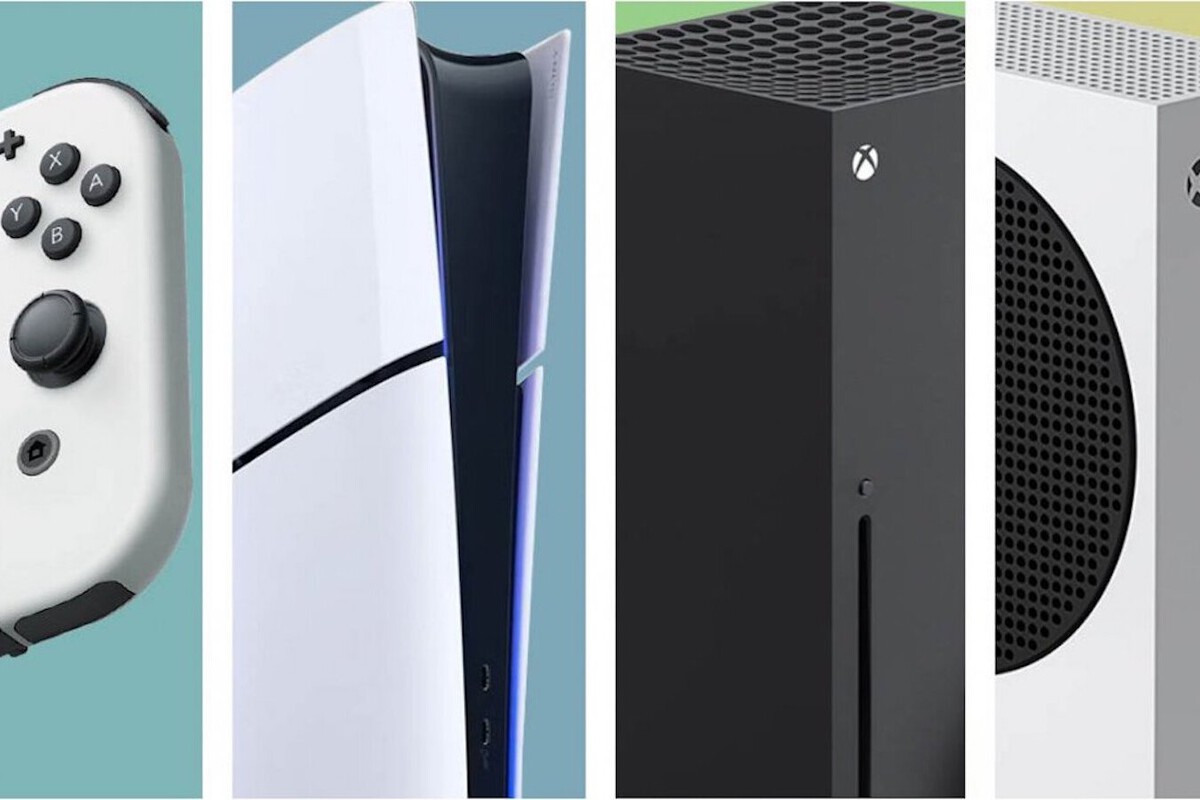
The shortage of RAM is particularly noticeable in the world of video games. The current generation of consoles was born with semiconductor supply problems And it was forced to absorb price increases linked to inflation and tariff tensions. Now, with the cost of memory skyrocketing, the numbers for future releases are starting to not add up.
On PC, data from portals like PCPartPicker shows a exponential rise in DDR4 and DDR5 pricesThese are precisely the types of RAM used in gaming PCs and many gaming rigs. The situation has reached the point where some high-performance RAM kits cost almost as much as a mid-to-high-end graphics card, reversing the traditional hierarchy of expensive components in a PC. This affects both gamers building their own machines and manufacturers of gaming desktops and laptops.
On the console side, concern is growing. The current generation has already experienced a first wave of shortages, and now The cost of memory is once again putting pressure on marginsIf manufacturers want to maintain the promised power for future consoles, it's difficult to imagine them doing so without passing on some of the increased cost to the retail price. The possibility of consoles approaching the psychological barrier of €1.000, which not long ago seemed far-fetched, is starting to appear in analysts' predictions.
La next generation from Sony and Microsoft, which many place around 2027, It will have to be defined in this context.More memory, more bandwidth, and more graphics power mean more DRAM and GDDR chips at a time when each gigabyte costs significantly more. Add to that the pressure to improve visual quality with stable 4K or even 8K resolutions, The cost of components skyrockets and the viability of "triple A" batteries is threatened. as we know them it is called into question.
Some industry veterans see this crisis as an opportunity to reduce the obsession with graphical fidelity and return to focusing on more content-driven and creative projects. The exorbitant increase in big-budget game budgets has reduced the number of releases and concentrated investment in a few franchises. In the long run, this makes the business more fragile: a single key title failing to meet expectations can jeopardize an entire studio or publisher.
Nintendo, RAM, and the fear of consoles out of reach for many

One of the most exposed companies right now is Nintendo. Financial reports indicate that the market has its stock market value has been punished, with losses valued at several billion dollars in market capitalization, as fears grow that RAM will increase the cost of their hardware plans.
The future successor to the Switch, which is expected to use 12GB memory configurations, faces a context in which The cost of those chips has risen by around 40%.Analysts cited by outlets like Bloomberg believe the question isn't whether the console's price will have to be raised beyond what was initially planned, but when and by how much. The dilemma for Nintendo is delicate: maintaining an accessible platform has historically been one of its defining characteristics, but The reality of the components market makes it difficult to sustain..
The memory crisis isn't limited to the inside of the console. NAND price increase is also impacting storage cards such as SD ExpressThese are essential for expanding the capacity of many systems. Some 256GB models are selling for prices that, not so long ago, were reserved for much larger SSDs, and that extra cost ends up falling on the gamer, who needs more space for increasingly demanding games.
In this context, many are wondering will we see consoles below certain price thresholds again, or will we see them?, Conversely, Next-generation digital entertainment will get increasingly closer to the prices of luxury goodsThe market will have to decide whether it is willing to pay that price or whether, on the contrary, it opts for more modest experiences on less demanding hardware.
PC gaming and advanced users: when RAM eats up the budget
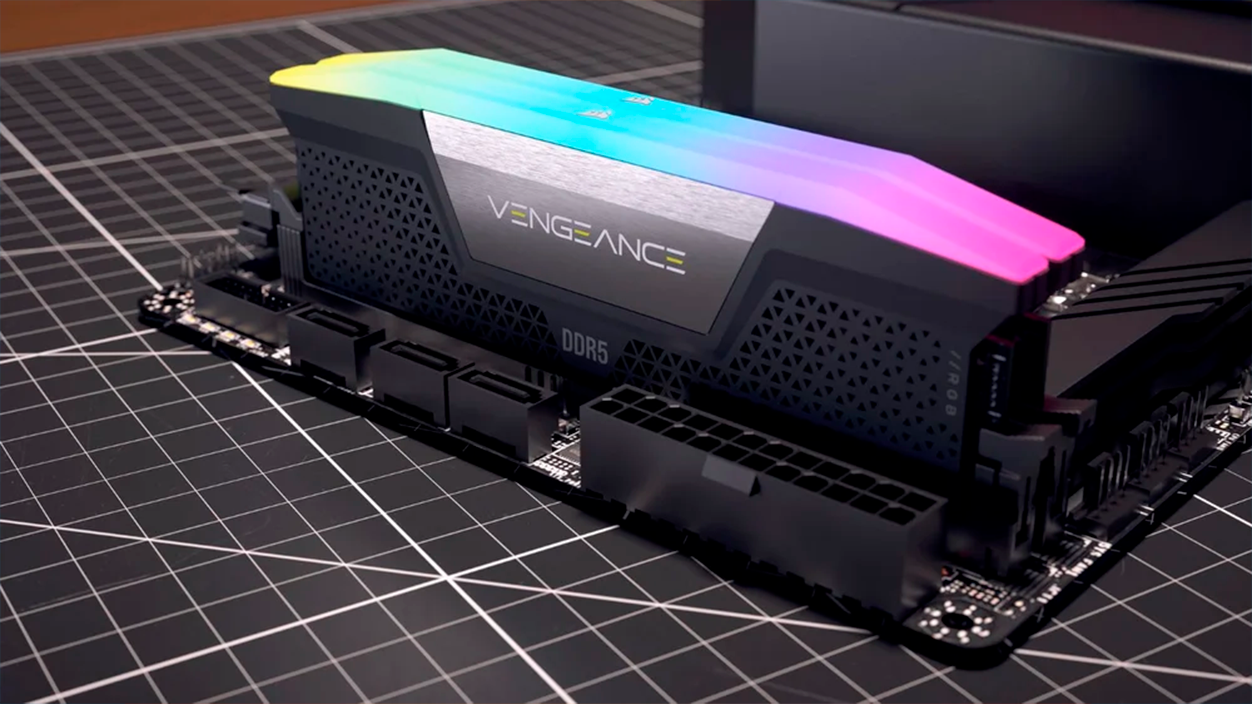
For those building or upgrading their systems, especially in the gaming sector, the RAM crisis is already being felt very concretely. Modules DDR5 and DDR4, which were recently considered affordable, have tripled or quadrupled its cost, to the point that The budget for a PC becomes completely unbalanced.What used to be invested in a better GPU, a faster SSD, or a higher-quality power supply is now literally eaten up by memory.
This tension has opened the door to a well-known phenomenon: speculation and scamsJust as happened with graphics cards during the cryptocurrency boom or with the PlayStation 5 during the pandemic, sellers have reappeared trying to take advantage of the scarcity to inflate prices to absurd levels. On some marketplaces, RAM kits have been advertised for amounts close to the price of a new car, hoping that some unsuspecting or desperate buyer will fall for the scam.
The problem isn't limited to inflated prices. The rise of marketplaces where anyone can sellIntegrated into large online stores, these platforms multiply the risk of encountering counterfeit or defective products, or outright scams where the customer pays for memory that never arrives or doesn't match the description. The situation is similar in the secondhand market, with overpriced modules and transactions that, in extreme cases, result in packages containing anything but RAM.
Specialized organizations and media They recommend taking extreme precautions.: verify who the seller really is, be wary of offers that seem "too good to be true"", Check the ratings and avoid ads without real photos or with generic images taken from the manufacturer's websiteIf there's no urgency, the most sensible option for many users is to wait for the market to stabilize somewhat before upgrading memory.
Windows 11 and its software are also adding fuel to the fire.
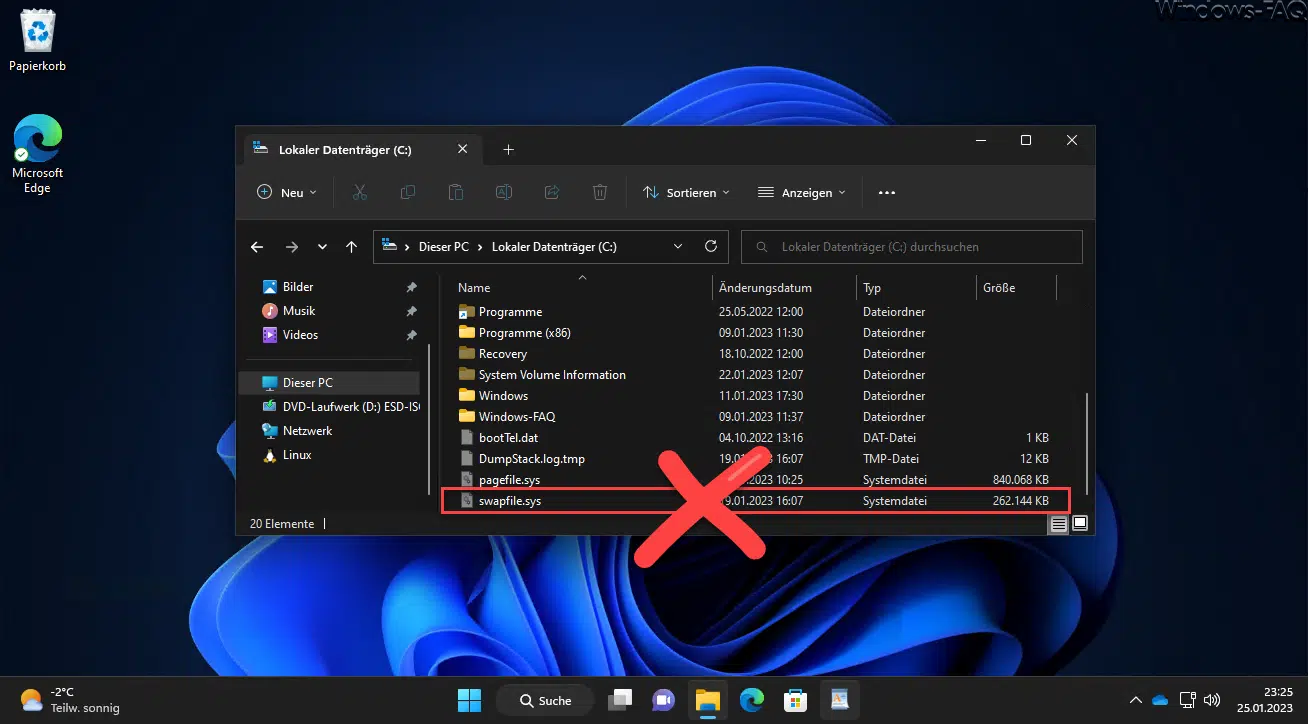
The pressure on RAM doesn't come solely from the hardware side. The software ecosystem itself, and in particular Windows 11 and its memory management (swapfile.sys), This is pushing many users to need more memory than would have been reasonable a few years ago.Although on paper the operating system only requires 4 GB in its minimum requirements, the daily reality is quite different.
Windows 11 drags a higher resource consumption than Windows 10 And many Linux distributions suffer from this, partly due to the number of background services and pre-installed applications that rarely add value. This is compounded by the proliferation of apps based on web technologies like Electron or WebView2, which, in practice, function as browser pages encapsulated in an executable file.
Examples such as Netflix desktop versions downloaded from the Microsoft Store, or very popular tools such as Discord or Microsoft TeamsThese examples clearly illustrate the problem: each one runs its own instance of Chromium, consuming significantly more memory than equivalent native applications. Some programs can occupy several gigabytes of RAM on their own, which on systems with only 8 GB of RAM becomes a permanent bottleneck.
All this translates into Many users are forced to expand to 16, 24 or 32 GB of RAM simply to regain an acceptable level of fluidity in everyday tasks and modern games. And right when memory is most expensive. Thus, the combination of poorly optimized systems and supply crises creates a additional pressure on the marketfurther increasing demand in the consumer segment.
What can users do and where is the market headed?
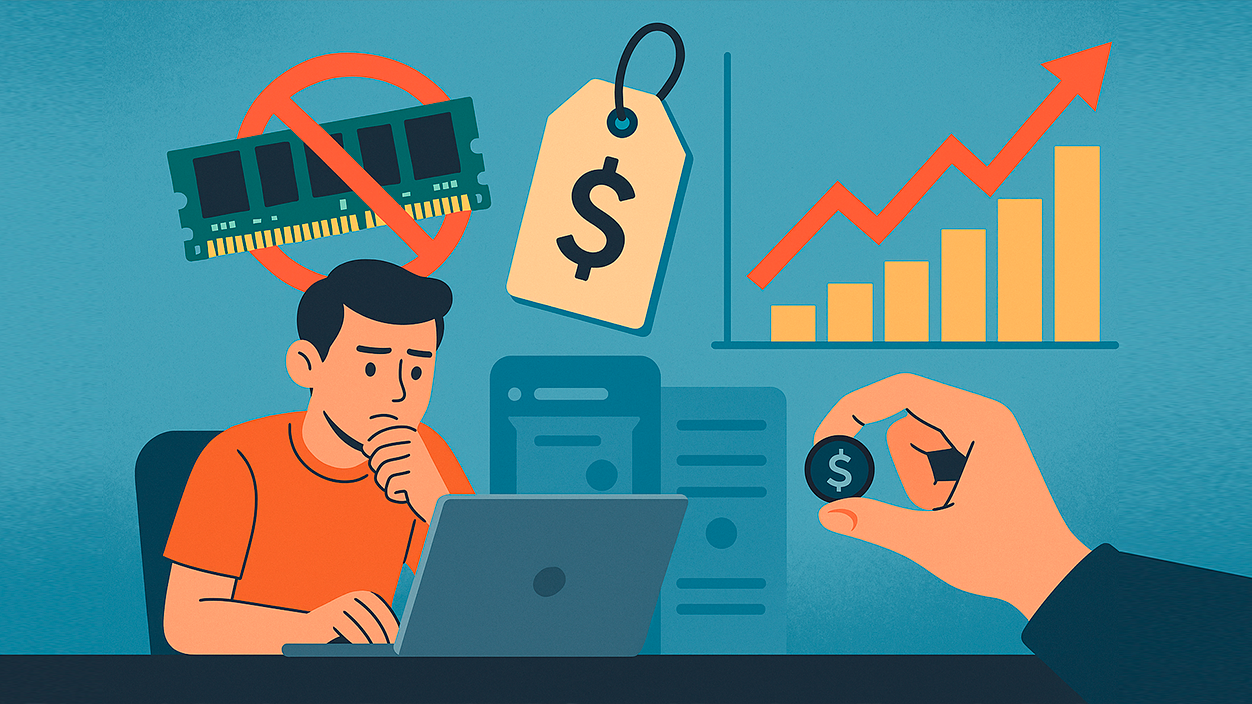
For the average user, the room for maneuver is limited, but there are some strategies. The first recommendation given by both associations and specialized media is Don't buy RAM on impulse.If the current equipment works reasonably well and an upgrade is not essential, It might make more sense to wait a few months or even years., while waiting for the supply to improve and the price increases to moderate.
In cases where updating is unavoidable—due to professional work, studies, or specific needs—it is advisable Compare prices carefully and be wary of marketplaces without guarantees.It's better to pay a little more at a reputable store than to risk a suspiciously low price. In the secondhand market, it's wise to check reviews, ask for photos or videos of the actual product, and try to use payment methods that offer some protection.
In the longer term, The technology industry itself will have to adapt.In the field of video games, voices like that of Shigeru Miyamoto They point out that not all projects require mammoth budgets or cutting-edge graphics to be fun. Other studio heads warn that the "triple A" model as it's currently structured is structurally fragile and that creativity and more contained developments They could offer an escape route in an environment where every gigabyte of RAM costs a fortune.
At an industrial level, the coming years will see the introduction of new manufacturing technologies, such as extreme ultraviolet photolithography, and architectural solutions such as CXL to reuse existing memory in servers. However, none of these components will change the situation overnight. RAM has ceased to be a cheap and abundant component and has become a strategic resource, influenced by geopolitics, AI, and the decisions of a few large manufacturers.
Everything suggests that the market will have to get used to living with more expensive and less available memory This is unlike anything we've been used to, at least for much of this decade. For consumers in Spain and Europe, it will mean paying more for each new device, thinking twice about upgrades, and perhaps considering less resource-intensive software and hardware alternatives. For the industry, it will be a real test of how sustainable the current model, based on more power, higher resolution, and more data, is when the foundation of it all—memory—is becoming increasingly scarce.

I am a technology enthusiast who has turned his "geek" interests into a profession. I have spent more than 10 years of my life using cutting-edge technology and tinkering with all kinds of programs out of pure curiosity. Now I have specialized in computer technology and video games. This is because for more than 5 years I have been writing for various websites on technology and video games, creating articles that seek to give you the information you need in a language that is understandable to everyone.
If you have any questions, my knowledge ranges from everything related to the Windows operating system as well as Android for mobile phones. And my commitment is to you, I am always willing to spend a few minutes and help you resolve any questions you may have in this internet world.