- The YASA axial-flux motor achieves 550 kW of power while weighing only 13,1 kg.
- It sets an unofficial world record for power density: 42 kW/kg.
- It does not use exotic materials or 3D printing techniques, allowing for mass production.
- Its applications go beyond the automotive sector: air mobility, drones, and renewable energy.
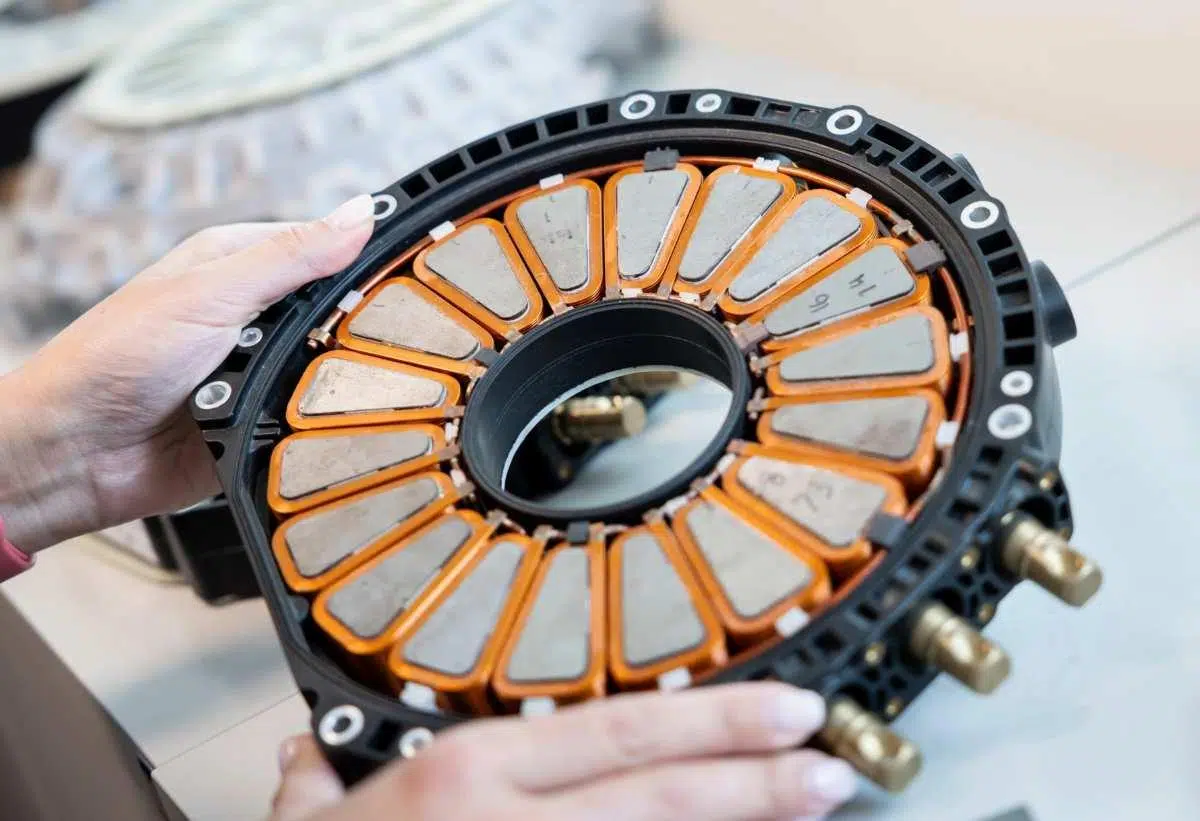
Electrical engineering has received a remarkable momentum After the presentation of the latest prototype of YASA, a British company specializing in axial flux motors. Its new electric motor stands out for its unprecedented lightness and power, placing itself at the forefront of current technology and opening up new possibilities for electric mobility.
This development represents a world reference in the relationship between power and weight, marking a before and after in applications that prioritize energy efficiency. In addition, Its design and materials point to industrial-scale manufacturing, which makes it a realistic and sustainable solution for different sectors.
The record-breaking engine: unparalleled figures
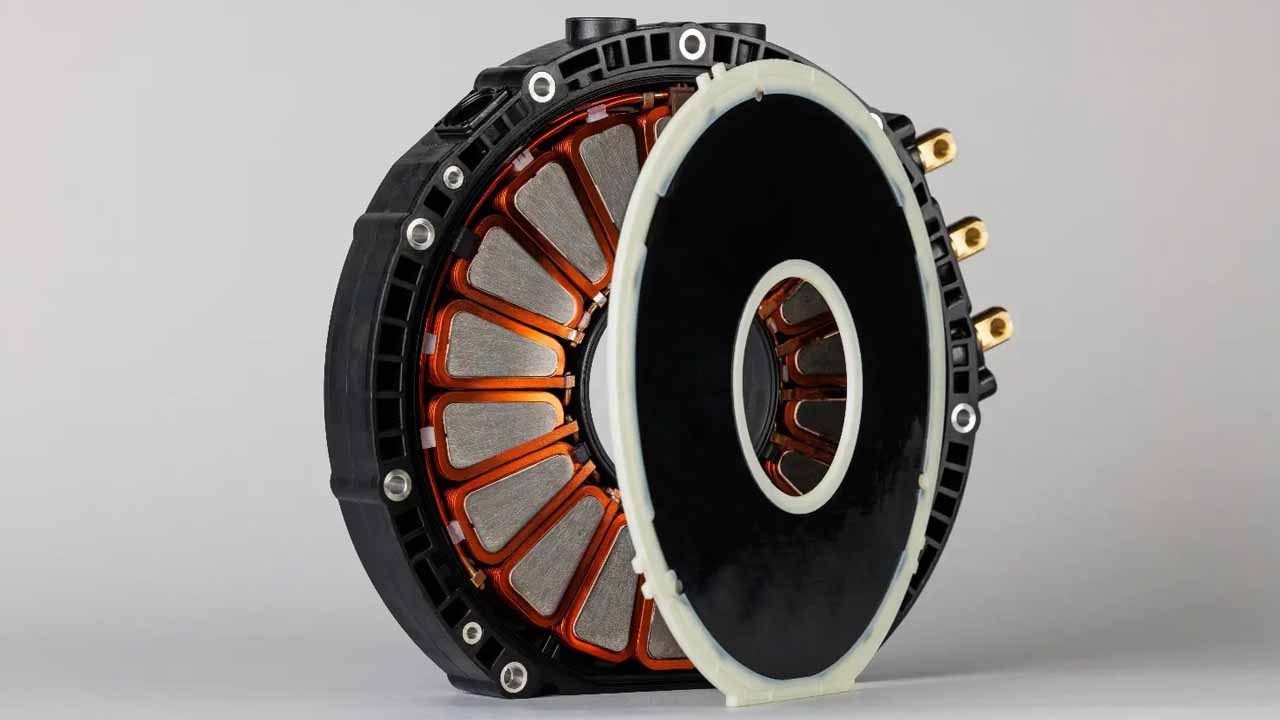
The prototype presented by YASA weighs only 13,1 kg and is capable of developing a 550 kW power (equivalent to 738 hp), achieving a record power density of 42 kW/kgThese figures far exceed the most advanced industry records, including engines used in aviation and high-performance vehicles, where the best power-to-weight ratio is traditionally required.
To put this achievement into context, engines as advanced as the Donut Labs (15,8 kW/kg) or the H3X HPDM-250 (13,4 kW/kg) are far behind in density. The YASA prototype, triples the highest known values to date in this regard.
New technology, accessible materials and large-scale production
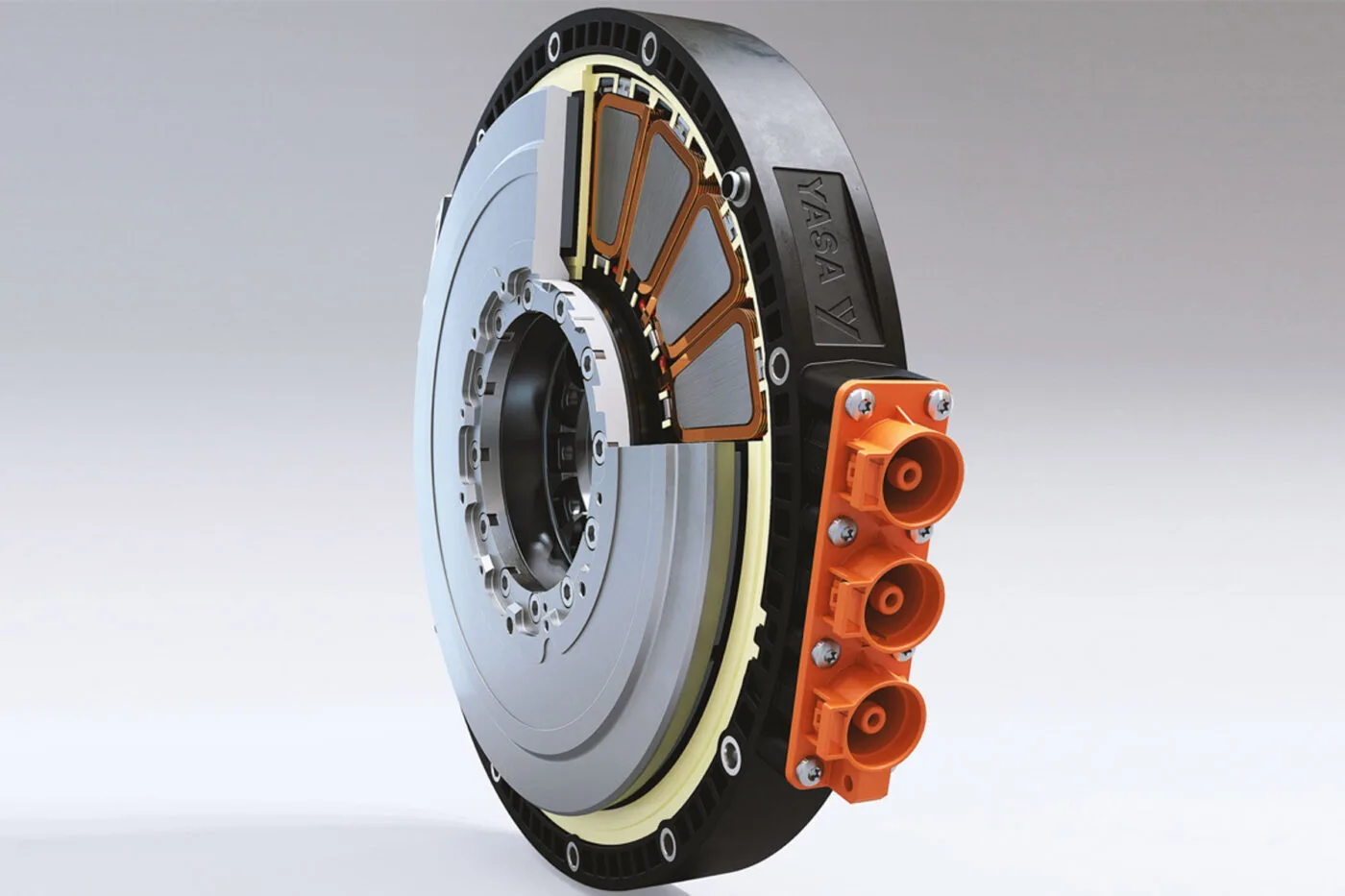
One of the keys to YASA's engine is its axial-flux architecture, which allows the creation of much flatter, more efficient and compact engines compared to traditional radial flow solutions. The most notable feature is that The prototype does not require hard-to-find materials or restrictive processes such as 3D printing, which makes it easier to large scale manufacturingThe company's own estimates place potential production between 10.000 and 50.000 units per year.
This industrially viable design represents a big difference compared to other experimental developments, which typically rely on rare earths or expensive techniques, YASA is committed to reducing the use of problematic materials for long-term sustainability.
Applications: much more than electric cars
YASA's primary objective is to integrate this engine into the automotive sector—facilitated by its relationship with Mercedes-Benz—but its scope goes much further. Sectors such as Urban aviation, logistics drones, light rail, and electrified agricultural machinery will benefit from weight reduction and increased efficiency.
In addition, this type of engines will be relevant in the renewable distributed generation, enabling portable, high-performance systems for remote or hard-to-reach locations, contributing to the global electrification of services and transportation.
Environmental impact and energy transition
The development of electric motors with such a high power-to-weight ratio also involves less material consumption and a smaller carbon footprint in manufacturing. The ease of recycling and the absence of exotic components fit with the challenges set by European and global regulations for decarbonization in the coming decades. This advance in electronic motor technology can facilitate a more accessible and ecological mobility, helping to reduce costs and promote a more sustainable industry.
YASA's axial-flux motor is presented as an innovative response to current electrification challenges, offering power and efficiency figures that seemed unattainable just a few years ago. Its impact goes beyond the automotive industry, opening up opportunities to advance toward more sustainable and competitive mobility and industry worldwide.

I am a technology enthusiast who has turned his "geek" interests into a profession. I have spent more than 10 years of my life using cutting-edge technology and tinkering with all kinds of programs out of pure curiosity. Now I have specialized in computer technology and video games. This is because for more than 5 years I have been writing for various websites on technology and video games, creating articles that seek to give you the information you need in a language that is understandable to everyone.
If you have any questions, my knowledge ranges from everything related to the Windows operating system as well as Android for mobile phones. And my commitment is to you, I am always willing to spend a few minutes and help you resolve any questions you may have in this internet world.