We understand your frustration: your external hard drive keeps disconnecting on its own in Windows and you don't know why. To find out, you need to Check three key aspects: USB power, cable, and chipsetIn this post we explain how to do each step to find the cause of this annoying error.
Your external hard drive keeps disconnecting in Windows: The ultimate guide to troubleshooting
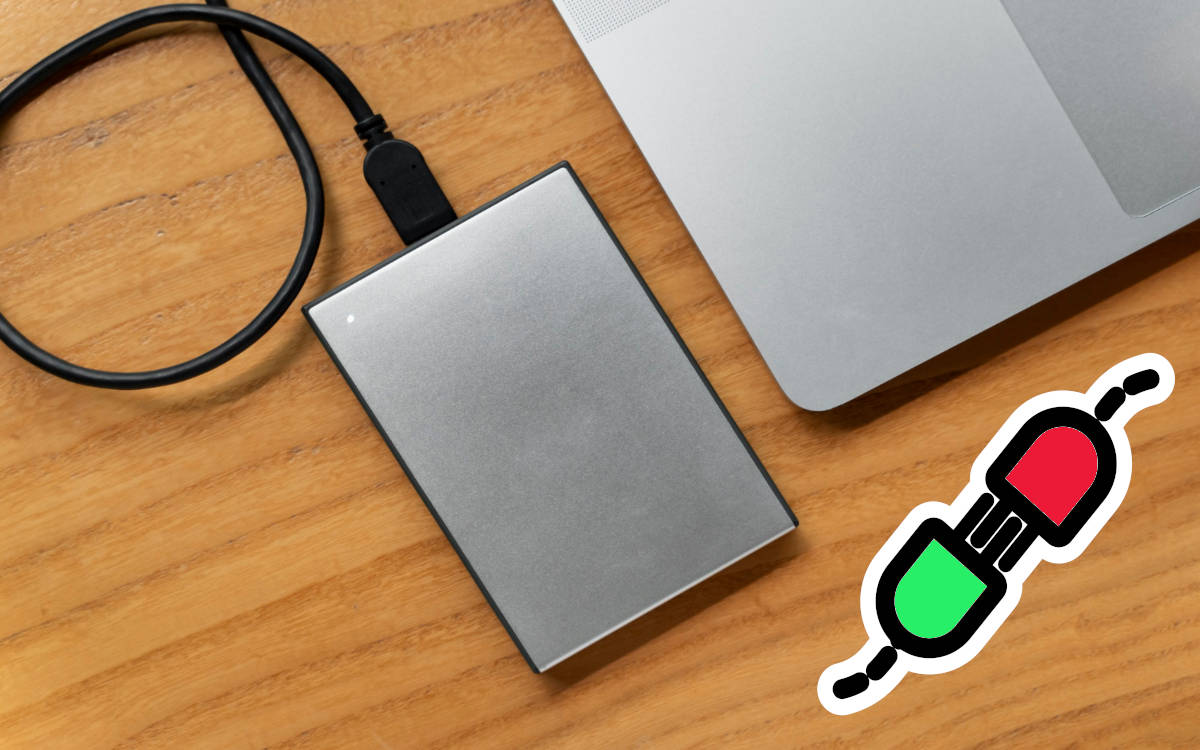
The problem isn't that the external drive disconnects on its own in Windows, but that do it in the middle of a file transferOr worse: while you're backing up or editing a project directly from the drive. What a mess! Hearing the dreaded disconnect sound or seeing the message, "Insert a disc into the drive," can be even more irritating.
If you're having this problem with your external hard drive, don't immediately assume the drive is failing. In most cases, the culprit isn't the storage itself, but one of these three things: USB power, cable, or chipsetIt may even be due to a combination of deficiencies within this trio of components.
Next, we'll break down how to diagnose and troubleshoot these connection drops. Some steps will be necessary. simple checks and review the quality of the connection itselfIn the end, you'll know what's going on and what you can do to restore stability to your workflow.
The first suspect: Windows power management
If your external hard drive keeps disconnecting in Windows, you need to check the computer USB power managementThis is the first thing to consider because it's essential for the drive to remain active as long as it's connected. If, in an attempt to save battery power, the system puts the USB ports to sleep, it's logical that the connection will be interrupted.
It's worth noting that Windows power policies are strict, especially on portable devices. When the system detects inactivityIt can reduce the port voltage or temporarily suspend it. And if the external drive is only powered via USB (like 2,5″ laptops), it's more sensitive to even the slightest voltage fluctuations. What to do?
Disable USB selective suspend
The first thing you're going to do is Disable USB selective suspend in WindowsIf it's enabled, this prevents Windows from putting USB ports to sleep without your permission. To do this, follow these steps:
- Open Control Panel – Power Options.
- In your active plan, click on Change plan settings.
- In Change advanced power settings, look for USB settings.
- Finally, disable USB Selective Suspend in both AC and battery power.
Prevent Windows from turning off the device to save energy
This is another power setting worth checking if your external hard drive keeps disconnecting in Windows. Open Device Manager and expand the section Universal serial bus controllersYou are going to do the following on each USB Root Hub: open Properties and uncheck the option Allow the computer to turn off this device to save energy in the tab Energy management.
Check the power settings of the hard drive itself.
It is also convenient Check the power settings on the side of the external driveSome are configured to go into sleep mode automatically, which can cause disconnections if the sleep time is too short. To check this, use tools like SeaTools, WD Dashboard or Samsung MagicianSoftware that allows you to adjust behaviors in compatible models.
Your external hard drive keeps disconnecting in Windows: check the USB cable
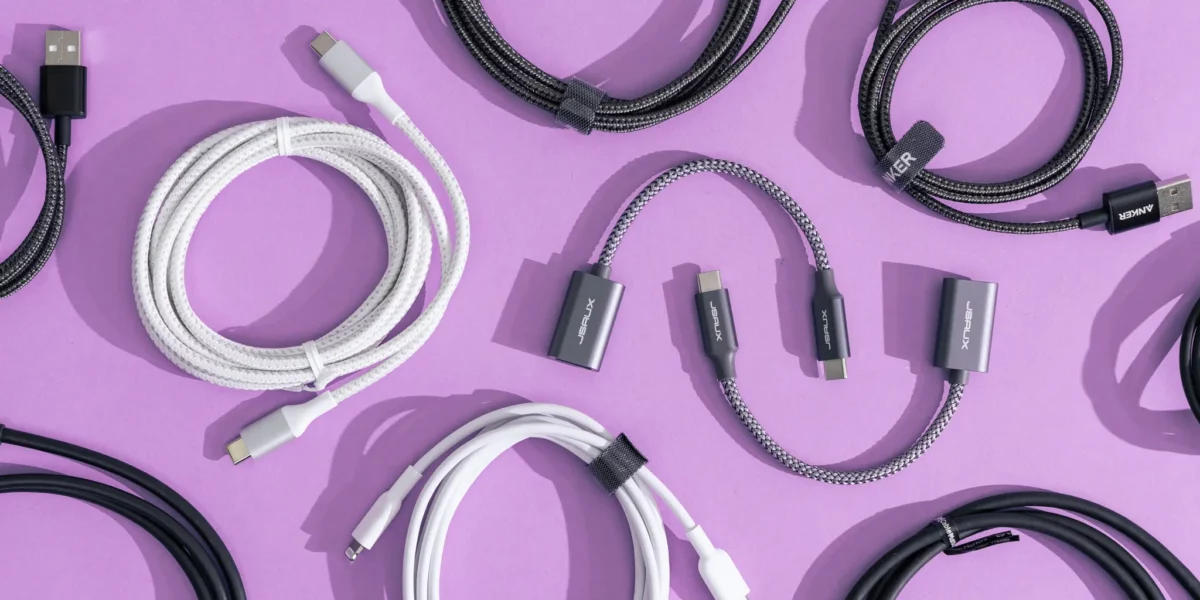
If everything is fine with Windows power management, it's time to check the USB cable you're using to connect it. It's not an insignificant detail: a damaged, too long, or poor quality cable This can cause connection instability. Voltage drops, interference, or simply momentary connection losses are the culprits when an external hard drive disconnects on its own in Windows.
What kind of cable do you need? It depends on the external drive: USB 3.0 drives require cables with certified USB 3.0 Micro-B, USB-C, or USB-A to USB-C connectorsVery thin, unshielded, or very long cables are not a good option, especially for modern high-speed hard drives. Also, keep in mind that some older hard drive models (USB 2.0) include Y-cables to draw power from two ports.
And how can you tell if the problem is with the USB cable? Simply try another cable to see if the drive continues to have connection problems. The disc disconnects when the cable is moved, or the LED flashes irregularly.It's a physical problem. Also, connect the drive directly to the PC, not to an unpowered hub.
External hard drive keeps disconnecting in Windows: chipset and driver conflict
The third thing to check is the motherboard chipset drivers, which are responsible for the USB ports. If the external drive disconnects on its own in Windows, there may be compatibility issues between its drivers and those of the chipset. This often happens when... connects a modern external hard drive to an older computer.
And it's more common with external SSDs. Modern models use the UASP (USB Attached SCSI) protocol: faster but more sensitive to controller latency. If you suspect compatibility issues, try Update your chipset drivers directly from your motherboard manufacturer's website. Don't trust those installed by Windows Update.
An effective trick in these cases is use the rear USB ports of the computerInstead of the front ones. The rear ones are connected directly to the motherboard, while the front ones use internal cables that can degrade the signal. You lose nothing by moving the external drive closer to the back of the tower to use one of these ports (See the entry How to find out what type of USB port you have in Windows and get the most out of it).
Conclusion
There are three main suspects when an external hard drive disconnects on its own in Windows: USB power, cable and chipsetBefore throwing your hard drive away, remove the Windows power restrictions.
Next, simplify the physical connection by upgrading the cable, and finally, update the chipset firmware and drivers. If you follow the steps outlined, you will be able to Identify the real cause and prevent your hard drive from disconnecting again. at the worst possible time.

From a young age, I've been fascinated by all things scientific and technological, especially those advancements that make our lives easier and more enjoyable. I love staying up-to-date on the latest news and trends, and sharing my experiences, opinions, and tips about the devices and gadgets I use. This led me to become a web writer a little over five years ago, focusing primarily on Android devices and Windows operating systems. I've learned to explain complex concepts in simple terms so my readers can easily understand them.