- In Windows 11, enabling the Bluetooth microphone may change the profile used to play sound.
- Interference usually causes outages or instability; it does not, on its own, explain a constant delay.
- Updating the driver and re-pairing the headphones helps rule out connection problems.
- Bluetooth 5.x does not guarantee low latency; PC and headphones must support the same features.

If you see that Someone speaks on screen and you hear their voice a moment laterYour Bluetooth headphones are experiencing a noticeable delay. In Windows 11, this issue can depend on the application, the wireless connection, or how the system is using the headphones' microphone. Before changing any settings, it's a good idea to identify the situation in which it occurs.
Check when the sound is delayed
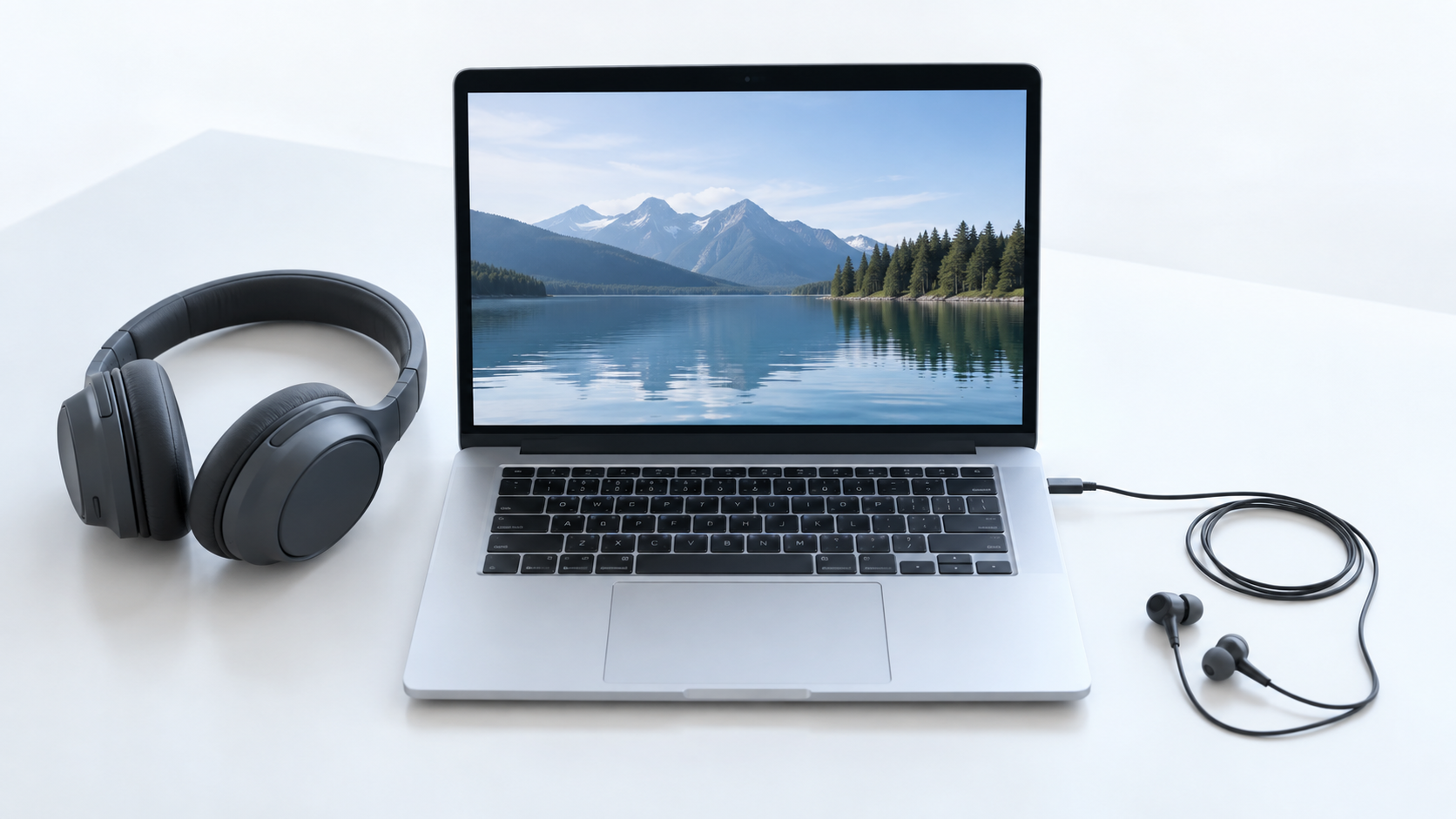
Play a video you're familiar with and compare it to another file or application. Then, try the same headphones on another device and, if possible, use wired headphones on your PC. These comparisons will help pinpoint the problem.
- It only happens in one application: Check that app and its playback settings.
- It happens across all Windows systems, but only via Bluetooth: Focus on the headphones, the adapter, and their drivers.
- This also happens with wired headphones: Check the general audio and video settings in Windows.
- You only notice it when you play: Some of the delay may be due to normal wireless audio processing. A video can compensate for the delay during playback; a game must respond to every action instantly.
Also, check if the problem started when you opened Discord, Teams, a video call, or a game's voice chat. That clue leads to a particularly useful check in Windows 11.
Check if an app is using the Bluetooth microphone
Traditional Bluetooth headsets use different profiles for stereo audio and microphone calls. When an application activates the headset's microphone, Windows 11 may switch from the A2DP stereo profile to the HFP hands-free profile. The change is usually noticeable, especially in sound quality; it's worth checking if it matches any perceived latency.
Close the calling and voice chat apps. Then go to Settings > System > Sound > Input Choose the laptop's built-in microphone or a separate one, if available. Play the content again and compare the results. If you need to keep a call open, also check which microphone the application itself has selected.
In Windows 11, two separate outputs labeled "Stereo" and "Hands-free" don't always appear: the system may display a single output and automatically switch between profiles. Therefore, manually searching for and selecting a "Stereo" output isn't a valid instruction for all computers.
Rule out signal problems and re-pair the headphones
Move closer to your computer and check if, in addition to the delay, you hear dropouts or slight skips. If you're using a desktop PC, make sure the antennas on the motherboard or wireless card are connected. You can also move the Bluetooth adapter away from nearby USB 3.0 devices: some unshielded USB accessories can interfere with the connection.
If the behavior is erratic, charge the headphones, turn them off, and then turn them back on. Afterward, turn Bluetooth off and then back on. Settings > Bluetooth & devicesIf it continues to fail, enter Bluetooth and devices > DevicesOpen the headphone options, select Remove device and pair the headphones again.
These tests are especially useful when there are interruptions or the connection behavior changes. If the sound is always late, even if the signal is stable, continue adjusting the audio settings.
Try the sound settings in Windows 11
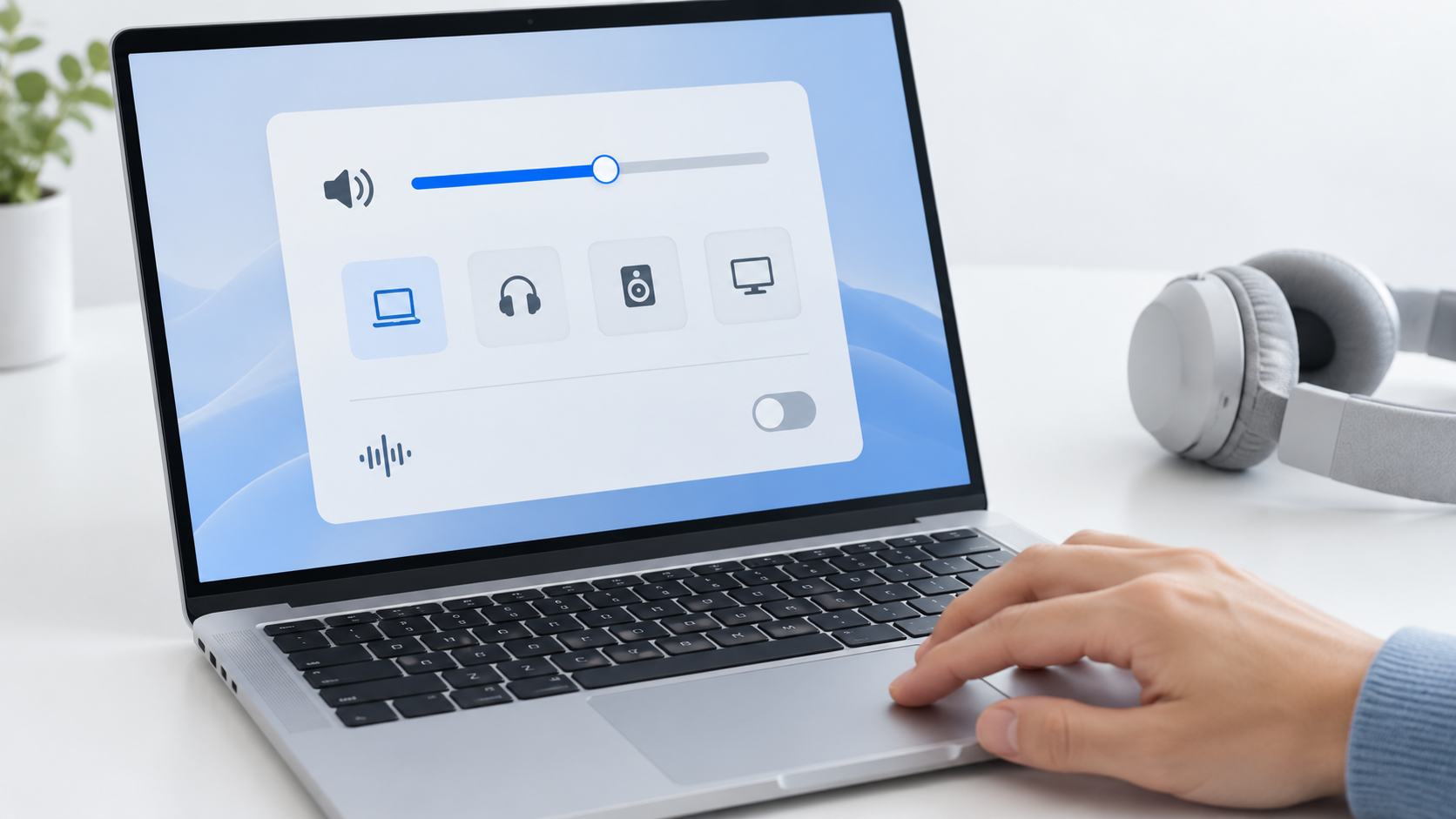
Open Settings > System > Sound and confirm that the headphones are the selected output. Go into their properties and try disabling them. Audio improvementsIf that option appears, play the same video before and after: if you don't notice any improvement, you can revert the setting to its original state.
Also check if the headphone or computer manufacturer has installed sound effects, spatial sound, or any additional processing application. Temporarily disable these effects and repeat the comparison. There's no single setting that will eliminate all Bluetooth latency, but this test allows you to rule out any added processing by the PC.
If the lag also occurs with wired audio devices, consult the guide for Audio and video desynchronization in Windows 11.
Update your Bluetooth driver and check LE Audio compatibility.

Install the available updates in Settings > Windows UpdateIf the problem persists, identify the exact model of your PC, motherboard, or Bluetooth adapter and consult the driver provided by its manufacturer. After installing it, restart your computer and repeat the test with the same application.
Don't rely solely on the "Bluetooth 5.x" number printed in the specifications. The experience also depends on the features supported by both devices, the drivers, and the manufacturer's implementation. Windows automatically chooses a codec that both the computer and the headphones support; it doesn't have a general selector to force aptX LL on any device.
If your headphones advertise compatibility with Bluetooth LE Audio, go into Settings > Bluetooth & devices > Devices and search Use AUDIO LE when availableTo use it, your computer, its drivers, and the installed version of Windows 11 must also support it. If the option doesn't appear, your PC doesn't currently offer that feature; having Bluetooth LE listed in the specifications alone isn't enough.
What to do if the delay persists
Open the app Get help From Windows, run the Bluetooth or audio troubleshooter depending on the problem. If the headphones work fine on another device, but several different models lag on the same PC, the focus should be on that computer and its adapter.
To watch videos, check if the player offers an audio-video synchronization setting. Apply it only after identifying which one arrives first: some settings simply add more delay to the sound and would worsen audio that is already late.
If you need game effects or audio editing changes to be heard with the least possible delay, a wired connection eliminates the Bluetooth connection. You might also consider headphones with a dedicated low-latency wireless receiver. In that case, consult the guide for latency in gaming headsets, which addresses that need in more detail.

I am a technology enthusiast who has turned his "geek" interests into a profession. I have spent more than 10 years of my life using cutting-edge technology and tinkering with all kinds of programs out of pure curiosity. Now I have specialized in computer technology and video games. This is because for more than 5 years I have been writing for various websites on technology and video games, creating articles that seek to give you the information you need in a language that is understandable to everyone.
If you have any questions, my knowledge ranges from everything related to the Windows operating system as well as Android for mobile phones. And my commitment is to you, I am always willing to spend a few minutes and help you resolve any questions you may have in this internet world.