- Most iCloud problems are due to an unstable connection, low battery, power saving modes, or full storage.
- It's key to check the status of your photo library, iCloud Drive, and the settings for each service in Settings.
- Updating the software, restarting devices, and logging back into iCloud usually resolves sync issues.
- If Apple's servers fail or the storage limit is exceeded, the only solution is to wait or free up/rent more space.
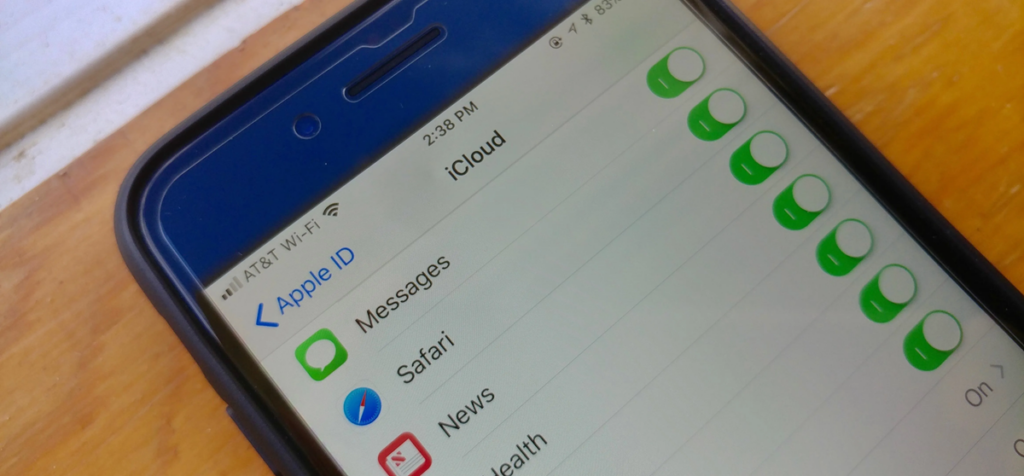
Normally, the Apple ecosystem seems like magic: you take a photo on your iPhone and it appears on your Mac, you create a document in Pages and see it on your iPad in seconds. But sometimes iCloud doesn't finish syncing on your iPhone, iPad, Mac, or even Windows. If synchronization gets stuck “thinking” forever or gets stuck at 1%, the experience becomes a real headache.
The good news is that, in most cases, it's a matter of occasional failures in connection, configuration, battery or storage which can be resolved by following a series of logical steps. In this guide you will see, in an organized and very detailed way, all the common causes of iCloud It won't sync properly, how to interpret the messages that appear, and what to do in each situation to get your photos, files, backups, and notes perfectly up to date on all your devices.
1. Check the basics: power, Wi-Fi, and sync time
Before getting into advanced settings, it's worth checking if the problem is simply that The device lacks time, power, or a good connection. To complete the process, iCloud moves a lot of information in the background and sometimes takes several hours.
The best option is to connect your iPhone, iPad, or Mac to a power source and pair it with a stable and fast Wi-Fi network and leave it running for a good while, preferably overnight. This is especially important when you've just gotten a new device, restored a backup, or have a huge photo library with thousands of high-resolution photos and videos.
Keep in mind that the size of your photo library and the speed of your Wi-Fi They have a huge impact. With slow or unstable connections, it's perfectly normal for the first synchronization to take many hours or seem to freeze.
If you're using mobile data, syncing may also be limited or stopped, because many iCloud features are designed for to function at full performance only under Wi-Fi to avoid devouring your data allowance.
2. Make sure you're using the same Apple ID on all your devices
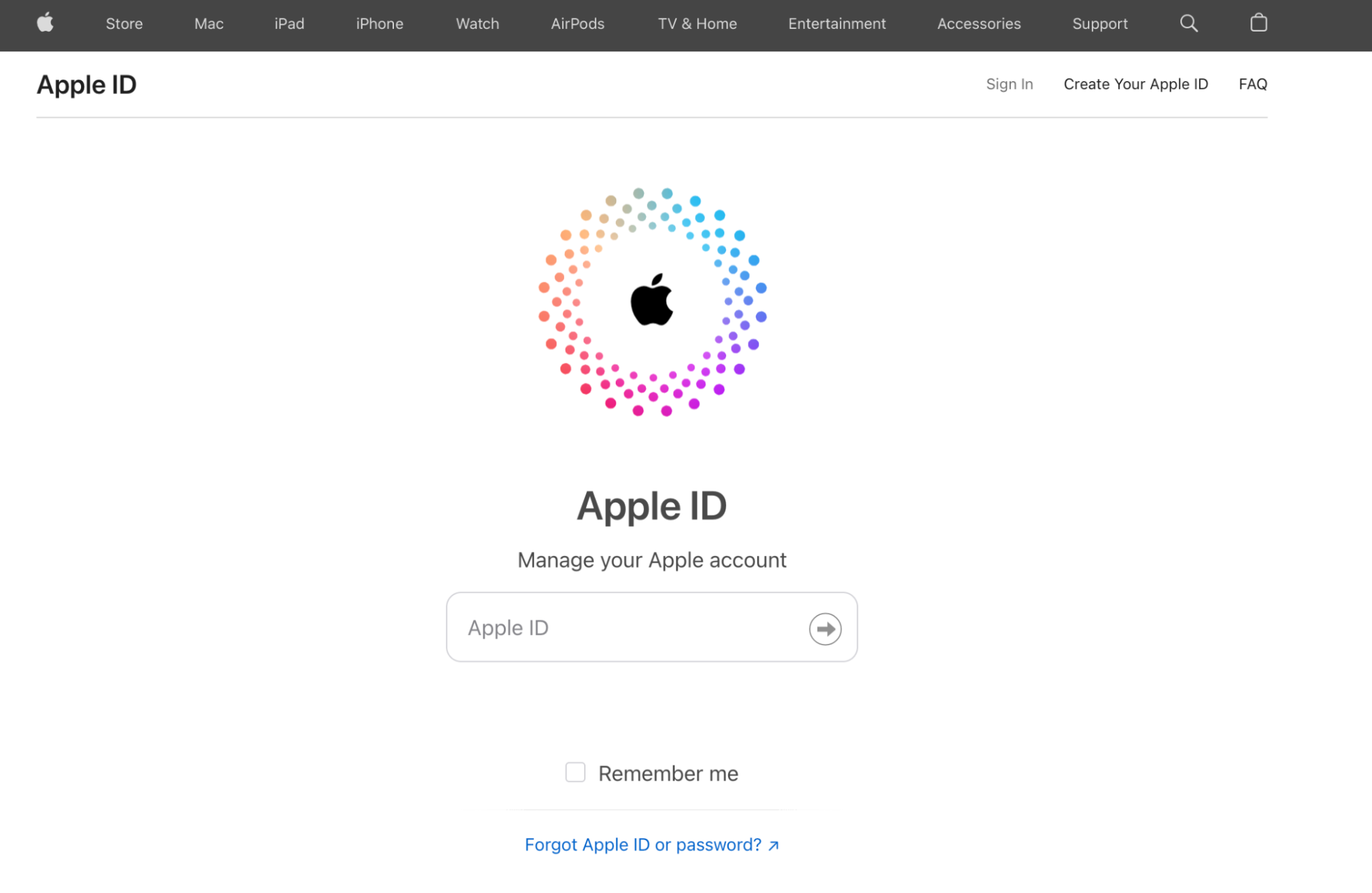
It may sound obvious, but one of the most common mistakes is having different Apple accounts on each deviceIn that scenario there's nothing to be done: each device syncs its own cloud and you'll never see the same data.
On iPhone or iPad, open Settings and tap your name (the icon with your photo at the top). There you will see the Apple ID you are signed in withOn a Mac, open System Settings (or System Preferences in earlier versions) and go to the Apple ID section to see the account used on that computer.
You should verify that it appears exactly the same on all your iPhones, iPads, and Macs. the same Apple ID emailIf anyone is using another account (even an old or secondary one), you'll experience problems syncing photos, notes, documents, and virtually any data associated with iCloud.
Even if the calculation is correct, it often helps. Log out and log back inBy doing so, You restart the connection to the iCloud servers and you force the entire synchronization process to be renegotiated from scratch, which eliminates many "phantom" errors.
3. Restart: the classic trick that still works
It might sound like typical, old-fashioned computer advice, but turn off and on Your iPhone, iPad, or Mac solves more problems than you might think. In the background, the system runs numerous iCloud-related processes, and one of them may have become stuck.
A simple reset forces all those internal system services They shut down and restart, clearing up crashes and minor memory errors. It's not magic; macOS, iOS, and iPadOS rely on processes that, like any app, can occasionally fail.
On an iPhone with Face ID, simply press and hold the side button and one of the volume buttons, then slide to power off; then turn it back on. On a Mac, you can use the Restart option from the Apple menu to avoid having processes hanging that are interfering with iCloud.
If you don't want to restart because you're in the middle of something very delicate on your Mac, there's another trick: force a minimal change in iCloudFor example, creating a new folder in iCloud Drive or uploading any file. This often restarts the sync process when it seemed to be stuck.

4. Make sure the internet connection is not the bottleneck
For iCloud to work properly, you need more than just being "connected to something." A Wi-Fi network with poor coverage, a malfunctioning router, or an unstable mobile connection can cause problems. The synchronization stops, is extremely slow, or never completes..
On a Mac, it's a good idea to run a speed test or open several demanding websites to see if The connection is actually usable.If pages load with great difficulty or don't even open, it's logical that iCloud also can't upload or download your data normally.
If you're using Windows, macOS, or iOS, you can also restart your router: turn it off, wait a few seconds, and turn it back on. Many temporary network issues are resolved with this simple action. Re-establish connection with your provider.
On your iPhone, also check Settings > Cellular. In many cases, full iCloud syncing is disabled over cellular data to prevent excessive data usage. If you want it to work with your data plan, you'll need to Enable iCloud options to use mobile dataKnowing that this can use several gigabytes if you have many photos or files.
5. Messages from iCloud indicating that synchronization has stopped
When iCloud slows down, iOS and macOS usually display fairly clear messages in Photos or Settings. It's helpful to understand what each one means. to determine if the problem is related to battery, data, temperature, or storage.
If you see messages like “Reduced Data Mode” or “Low Power Mode”, the system is Stopping synchronization to save data or batteryIn Settings > Cellular you can adjust Low Data Mode, and in Settings > Battery you can turn off Low Power Mode if you want iCloud to continue working normally.
You may also see messages like “Optimizing battery,” “Optimizing system performance,” or “Poor network connection.” In these situations, the device pauses to avoid wasting resources. You'll often see a button... “Sync now” to force resumptionHowever, if you're not in a hurry, it's best to wait a few minutes for it to continue on its own.
If the warning is "Low Battery," it means the charge has dropped below 20%. In this case, the device prioritizes preventing the battery from running dry. Pause the synchronization until you put it on charge.As soon as you plug it into a power source and it exceeds a certain threshold, iCloud starts working again.
Another common message is “needs to cool down.” Here, the problem is temperature: the system protects the hardware by stopping heavy tasks like uploading large amounts of photos. As soon as the phone or tablet cools down, Synchronization will resume automatically, or you can tap "Sync Now". if the option appears.
6. Errors due to lack of space in iCloud or shared photo libraries
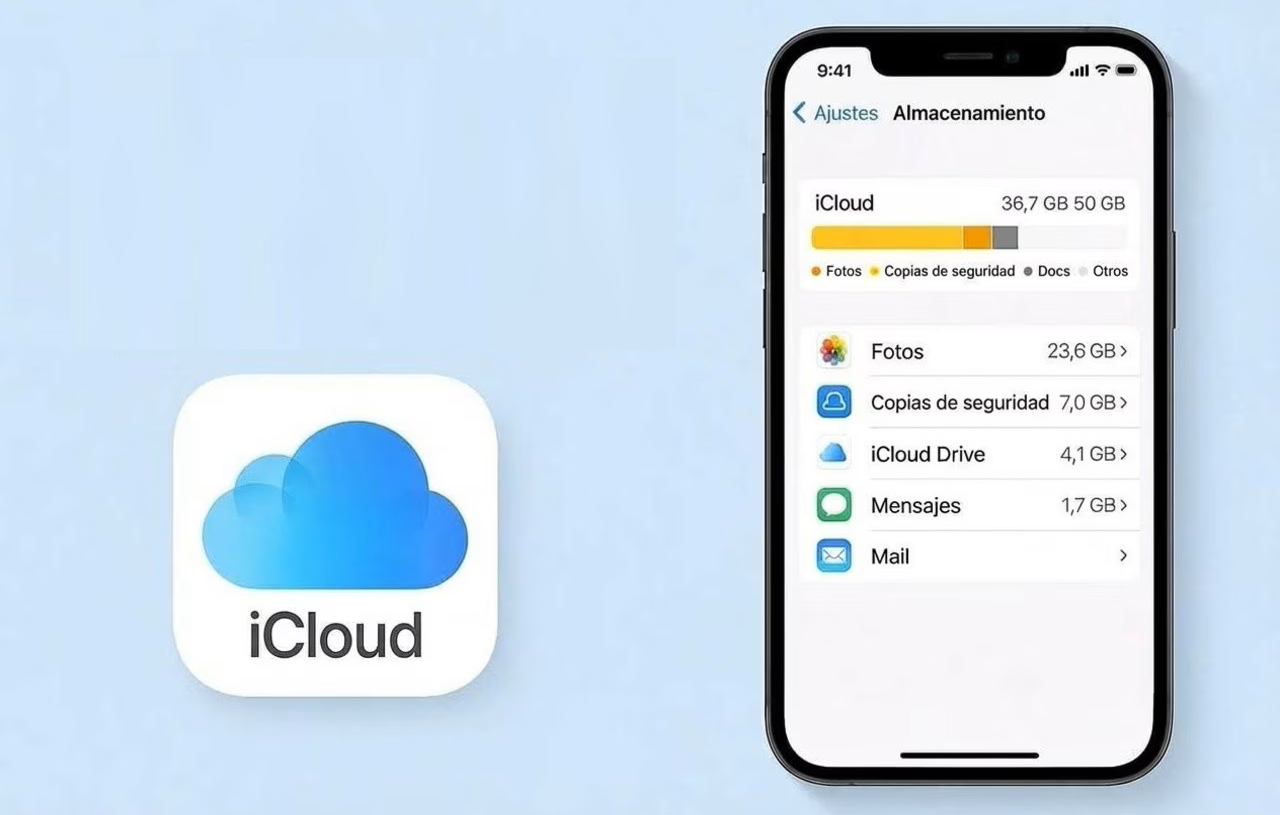
One of the most frequent reasons why iCloud doesn't finish syncing is that Your cloud storage is full or nearing its limitWhen iCloud doesn't have enough space, it simply stops accepting new data.
If you see the message “iCloud storage full,” tap it or go to Settings > iCloud > Manage Storage. There you can see what’s taking up the most space: photos, backups, documents, apps, etc. delete copies or data that you no longer need or upgrade to a paid plan with more gigabytes.
In the case of shared iCloud photo libraries, you may see a message such as “Move photos to your personal photo library to continue syncing.” This indicates that The owner of that shared photo library has reached his own limit.Until that person frees up space or upgrades their plan, any attempt to continue filling the shared photo library will be blocked.
If you see that message after trying to move items to the shared photo library, you will need to move those photos back to your personal photo libraryOnce the owner has resolved their storage issue, your personal content will resume syncing normally.
Remember that if your photos don't sync, It's not a good idea to turn off Photos in iCloud. Turning off the service haphazardly can leave you without cloud backups or cause massive downloads that overload your device. It's best to understand the status message and act accordingly.
7. How to check the status of your photo library on iPhone, iPad, and Mac
The Photos app offers a summary of the photo library's status so you know if iCloud is working. Uploading, downloading, or pausedDepending on the version of iOS or iPadOS, the information appears in slightly different places.
On iPhone or iPad with recent versions (iOS 18, iOS 17 and similar), open Photos and look for the your profile button in the top cornerOn some systems, you'll need to go to Collections first and then tap that profile icon. Below your name and photo count, you'll see a message indicating whether it's "Uploading X items," "Updating…," "Paused," or something similar.
In slightly earlier versions (for example, iOS 17 and earlier according to support documents), the path is to go to the Photos tab, tap on All Photos and scroll to the end of the viewAt the very bottom, the status of the photo library usually appears with text that guides you on what iCloud is doing.
On your Mac, open Photos, choose Library in the sidebar, and click All Photos at the top. Then, just like on iOS, scroll down to the bottom of the grid. At the bottom, you'll see an indicator that explains whether content is being uploaded to iCloud, whether there are still elements to analyze or whether the library is already up to date.
It's important to read these messages and follow the suggested actions. Apple usually includes "Learn More" links to clarify what each warning means and what to do. You need to make specific changes in Settings if there is any blockage.
8. iCloud Photos settings and battery/data optimization
If the problem is that your latest photos or videos They do not appear in the gallery From other devices, it's very likely something related to iCloud Photos, battery saving, or data restrictions.
On your iPhone or iPad, go to Settings > Photos and check that the option “Photos in iCloud” is enabledIf this option is unchecked, your device will not upload anything to the cloud and will only keep a local copy. On a Mac, this setting can be found in Photos > Settings > iCloud or in the iCloud section of your Apple ID, depending on your version.
Within the Photos app, if you go to All Photos and scroll to the bottom, you'll often see messages like "Uploading X items to iCloud" or "Uploading paused to save battery." In the latter case, a button is usually offered. “Resume” or “Continue uploading” which you must press if you want it to finish syncing now, even if the battery is a little lower.
In situations with low battery or Low Data Mode active, the system postpones photo uploads to avoid wasting resources. For maximum speed, disable both Low Data Mode in Settings > Battery and Low data mode in Settings > Mobile dataso that iCloud can work at full capacity.
Keep in mind that when you set up a new iPhone, iPad, or Mac, the first iCloud Photos sync may feel very slow or even slow. appear to be stopped for long periods of timeThat's normal. The system is indexing faces, objects, and memories, and downloading only what's necessary based on your selected optimization option.
9. iCloud Drive: Files that don't appear or uploads that get stuck
Besides Photos, many iCloud problems have to do with iCloud Drive and Documents from apps like Pages, Numbers, Keynote, or the Files app. Sometimes a file appears on the iPhone but not on the Mac, or vice versa.
First, confirm that iCloud Drive is active: On your iPhone or iPad, go to Settings > iCloud and check that iCloud Drive is turned onOn your Mac, go to System Settings > Apple ID > iCloud and make sure the iCloud Drive box is checked and, within that, that the apps you want (Pages, Numbers, etc.) have permission to use it.
When you upload large files or many documents at once, it's normal for iCloud Drive to take a while to complete the transfer. Your internet upload speed is key: if it's slow, It can take several minutes (or even hours) until you see those files on the rest of your devices.
If syncing seems stuck, a simple way to "force" it is to create a new folder within iCloud Drive or Upload any lightweight fileThis change forces the system to review the status of all content and, in many cases, unlocks items that had been locked for a long time for no clear reason.
On computers you're setting up for the first time, it's common for it to seem like it's going to last for the first few minutes (or more). “There is nothing” in iCloud DriveThe system is simply downloading and organizing your entire folder structure. In the meantime, you can use iCloud.com in your browser to check if those files actually exist in the cloud.
10. Outdated software versions and configuration conflicts
Another source of synchronization problems are the older versions of iOS, iPadOS, or macOSSometimes a simple bug in a specific version can cause iCloud to malfunction until it's fixed in an update.
On your iPhone or iPad, go to Settings > General > Software Update and wait for the system to check for a new version. If an update is available, tap it. Download and install to update your deviceOn Mac, the path is Apple menu > System Settings > General > Software Update.
On Windows, make sure you have both the system updated from Start > Settings > Update & Security > Windows Update and the iCloud app for Windows in its latest version, either from the Microsoft Store or from the official Apple installer.
It's also important to note that certain iCloud configuration changes (randomly activating or deactivating sections, tinkering with contact, note, calendar synchronization, etc.) can cause internal conflictsIf you suspect you've "broken something" in settings, one option is to temporarily disable the specific service (for example, Notes in iCloud) and then re-enable it after a few seconds.
As a slightly more drastic measure, you can sign out of iCloud and sign back in. This resets permissions, security tokens, and sync processes, and is usually effective if the problem is purely technical. authorization or authentication with the servers.
11. iCloud backups that fail to upload or get stuck
Another very typical case is that of the iCloud backup It never endsIt gets stuck at a fixed percentage or appears as "Pending" for hours. The first thing you should check is that your device meets Apple's requirements for creating a backup.
For automatic backup to run, the iPhone or iPad must be connected to a reliable Wi-Fi network, plugged into a power source, and with the screen lockedIf any of these requirements are missing, the copy will not start or will be interrupted at the slightest provocation.
Also, check Settings > iCloud > iCloud copy and verify that the option is enabled and that You have enough free space in iCloud.If there are no spare gigabytes, the copy will be left unfinished or won't even start.
If it's still stuck, you can temporarily disable iCloud backup, restart your device, re-enable it, and tap "Back Up Now" to see if it works. The new attempt is completed successfully.Alternatively, in critical situations, you can always use a backup solution on your computer instead of relying on the cloud.
In environments where iCloud performs particularly poorly, there are third-party tools that allow Make backups and transfer data outside of iCloudThese types of solutions can be useful when you need to move information from one iPhone to another in a hurry and don't want to wait for the cloud backup to finish.
12. Check the status of Apple's servers
Although it's not the most common scenario, sometimes the problem isn't with your mobile phone or your computer, but with... Apple's own serversDuring periods of high demand or internal issues, some iCloud services may go down or run very slowly.
To verify this, open any browser and visit the official website of Apple System StatusYou'll see a list of all online services, including iCloud Drive, iCloud Photos, iCloud Backup, etc., each with a color indicator.
If the indicator is green, that part of iCloud should be working. If it's yellow or red, it means that There are incidents or interruptionsIn that case, there's little you can do except wait for Apple to fix the problem, which usually happens within minutes or hours.
If the status panel indicates that everything is fine, but you are still experiencing synchronization issues, the cause is most likely in your connection, local configuration, or software versionTherefore, it makes sense to continue reviewing the previous sections.
13. Disable power-saving modes that limit synchronization
Resource-saving modes, while very useful, can be silent enemies of iCloud. Low data mode and the Low power mode They limit network access and device performance, thereby slowing down many background tasks.
To turn off Low Data Mode on your iPhone, go to Settings > Cellular (or Mobile Data), tap Cellular Data Options, and turn off the Low Data Mode switch. This will Apps can use the connection with fewer restrictions, including iCloud syncing.
For Low Power Mode, go to Settings > Battery and turn off the corresponding switch. From then on, the system will stop throttling background processes and This will allow heavy tasks such as bulk photo uploads to continue. even if the battery drains faster.
It's important to find a balance: if you're running low on battery or data, you might not want everything maxed out. But if your priority is for iCloud to finish syncing as quickly as possible, then it's better. Remove these power-saving modes while the process is underway and then reactivate them if you need to.
In any case, if you see explicit messages warning that synchronization has stopped to save data or battery, you already know that the solution almost always involves... Connect the device to a power source and a good Wi-Fi network and, if possible, temporarily disable power saving modes.
With all these points checked—correct Apple account, stable connection, unrestricted battery and data, sufficient iCloud space, updated versions, and properly configured settings—iCloud should normally return to its usual behavior, and your photos, files, contacts, notes, and backups should stay up-to-date across devices, smoothly and without you having to constantly worry about whether the synchronization has frozen or not.

Editor specialized in technology and internet issues with more than ten years of experience in different digital media. I have worked as an editor and content creator for e-commerce, communication, online marketing and advertising companies. I have also written on economics, finance and other sectors websites. My work is also my passion. Now, through my articles in Tecnobits, I try to explore all the news and new opportunities that the world of technology offers us every day to improve our lives.