- Flowise has finished its official development and is only suitable for legacy local installations.
- The final version requires Node.js 24 to avoid serious compatibility issues.
- NPM installs Flowise globally and allows you to open its interface from localhost:3000.
- Persistent routes preserve flows, credentials, logs, and files between reboots.
Installing Flowise on Windows using NPM allows you to run its visual interface locally to create chatbots, agents, and AI workflows without using Docker. The procedure is relatively simple: install a compatible version of Node.js, download the Flowise package, and start your server from PowerShell.
However, before you begin, you need to know one important circumstance. Flowise Its development has officially ended.The team froze the code on July 29, 2026, archived the repository during August and set the end of official support for August 31, 2026.
This means you can continue downloading and running code published under the Apache 2.0 license, but You no longer need to expect new features, bug fixes, or security patches.This guide is intended for testing Flowise locally, learning how the platform works, or maintaining a legacy installation. It is not recommended for starting a new production service.
If you're looking for a platform with active maintenance for a new project, it's worth considering. Compare Langflow and Dify before choosing the final architecture.

What you need to install Flowise on Windows
Installing via NPM doesn't require Docker, a virtual machine, or compiling the entire repository. You need the following components:
- A computer with Windows 10 or Windows 11.
- A Windows account with permission to install applications.
- Node.js 24 along with its NPM package manager.
- PowerShell, Windows Terminal or Command Prompt.
- At least 4GB of RAM, although 8GB offers a more comfortable experience.
- Space available for Flowise, its database, and uploaded files.
Older instructions often recommend Node.js 18.15 or Node.js 20. These requirements are for earlier versions. The final Flowise package declares compatibility with Node.js 24Therefore, using an earlier version may cause the error EBADENGINE during installation.
You don't need a GPU to open Flowise. The graphics card will only be relevant if you later connect the platform to locally running models.
How to install Node.js 24 on Windows
Enter the official Node.js download page and select the 24 LTS version for Windows. Download the installer corresponding to your computer's architecture, usually x64.
Open the downloaded file and complete the wizard. You can keep the default options, ensuring that both are installed. Node.js as NPM and that the installer adds its executables to the variable PATH of Windows.
There's no need to enable the option to download additional build tools. Flowise will be installed as a pre-built package, and we won't be compiling its source code.
When the wizard finishes, close any open PowerShell windows and open a new one. This allows Windows to load the changes made to the PATH.
How to verify that Node.js and NPM are working
Open PowerShell and run:
node --version
npm --version
The first command should display a version that begins with v24The second one will return the version of NPM included with Node.js.
You can also check which executables Windows is using:
where.exe node
where.exe npm
If Windows responds that it doesn't recognize any of the commands, restart your computer. If the problem persists, run the Node.js installer again and check the integration with PATH is activated.
How to install Flowise using NPM
The last officially released version was Flowise 3.1.4. To prevent NPM from selecting a different cached version, you can explicitly set the version:
npm install -g flowise@3.1.4The option -g Install the package globally in your Windows profile, allowing you to run Flowise from any folder.
Numerous messages may appear during the process. npm WARN deprecatedThese warnings indicate that Flowise relies on packages that are no longer maintained, which is especially relevant after the project's closure. A warning does not necessarily mean that the installation has failed.You should look for a final message that begins with npm ERR!.
When finished, check the installed version:
npm list -g flowise --depth=0PowerShell should display the package flowise@3.1.4.
How to prepare a persistent folder for Flowise
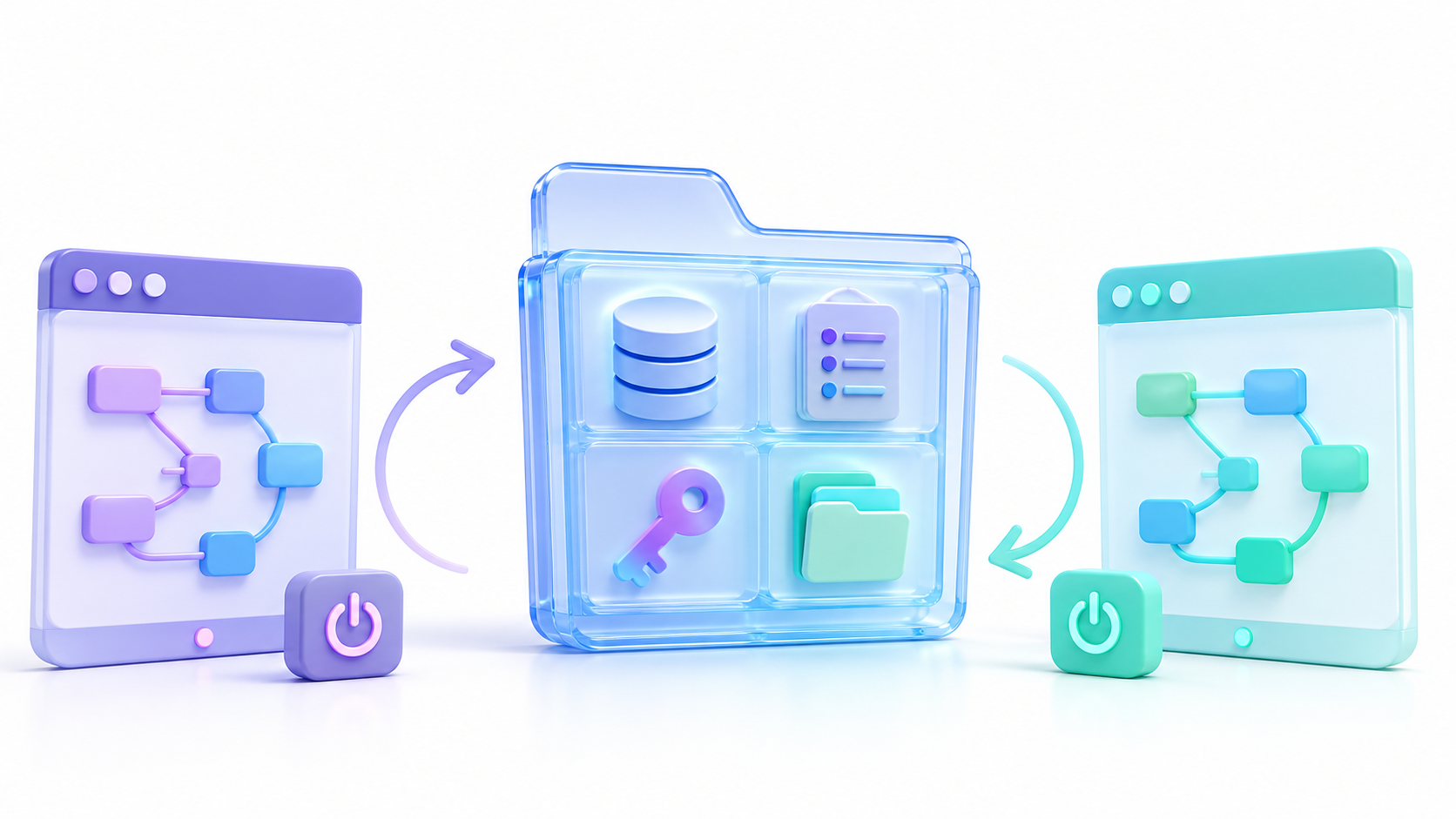
Flowise uses SQLite by default and needs to store the database, encrypted credentials, logs, and uploaded files. To prevent these items from being scattered throughout the user profile, you can create a dedicated folder.
Run in PowerShell:
New-Item -ItemType Directory -Force -Path "C:\FlowiseData","C:\FlowiseData\logs","C:\FlowiseData\secrets","C:\FlowiseData\storage" | Out-NullThen configure the routes for the current session:
$env:DATABASE_PATH="C:\FlowiseData"
$env:LOG_PATH="C:\FlowiseData\logs"
$env:SECRETKEY_PATH="C:\FlowiseData\secrets"
$env:BLOB_STORAGE_PATH="C:\FlowiseData\storage"
You must always use the same routes When starting Flowise. If you start the application with a different folder, it may appear that your agents have disappeared when, in reality, Flowise is using a different database.
The folder secrets It contains the information needed to decrypt the credentials. When you perform a backup, save the database, storage, and keys together.
How to protect local access
Flowise allows you to set a username and password to prevent others from directly accessing the panel. In the same PowerShell window, add:
$env:FLOWISE_USERNAME="administrador"
$env:FLOWISE_PASSWORD="CAMBIA_ESTA_CONTRASENA"
Replace the example value with a long and unique passwordThese variables will only remain active while you keep that PowerShell session open.
This authentication provides a basic barrier, but it doesn't make the installation a secure internet service. Flowise has had vulnerabilities related to code execution, permissions, and isolation between workspaces. Since there is no future maintenance, the instance must remain limited to the local computer.
How to start Flowise on Windows
After configuring the routes and credentials, run:
npx flowise startWait until the terminal indicates that the server is running. Then open it in your browser:
http://localhost:3000Enter the username and password you configured earlier. If the page loads correctly, the basic installation is complete.
Do not close PowerShell while using Flowise. The server runs within that window. To stop it gracefully, return to the terminal and press Ctrl + C.
How to use another port
The default port is 3000If another application is already using it, you can start Flowise on a different port:
npx flowise start --PORT=3001In that case, you will need to open:
http://localhost:3001To check if port 3000 is busy, use:
Get-NetTCPConnection -LocalPort 3000 -ErrorAction SilentlyContinueDo not open this port on your router or create a public rule in your Windows firewall. The address localhost It is designed to be used from your own computer.
How to verify that Flowise retains the data
Before creating a complex agent, it is advisable to validate persistence:
- Open Flowise and create an empty Chatflow with a recognizable name.
- Save the project.
- Stop the server using
Ctrl + C. - Configure the same variables again in PowerShell.
- Run it again
npx flowise start. - Check that the Chatflow is still available.
This test confirms that Flowise is being used correctly. C:\FlowiseDataYou still don't need a key from OpenAI, Anthropic, or any other provider to verify that the interface and database are working.
If you want to use a model running on your own computer, you can Connect Flowise with OllamaPlease note that this integration does not change the maintenance status of Flowise.
How to update Flowise installed using NPM
Before changing versions, make a full backup of C:\FlowiseDataTo check the installed edition, run:
npm list -g flowise --depth=0You can also check which version is still published on NPM:
npm view flowise versionOfficial development has ended, so No new versions maintained by the original team are expected.Do not configure automatic updates or run them periodically npm update -gsince dependencies could be modified without subsequent support.
If you need to reinstall the latest edition:
npm install -g flowise@3.1.4Then check the functionality and persistence before continuing to work.
How to uninstall Flowise without deleting your projects
To remove the global package, use:
npm uninstall -g flowiseThis command removes the application installed via NPM, but it shouldn't delete the custom folder. C:\FlowiseDataKeep that folder until you confirm that you don't need to recover the streams, files, or credentials.
If you later reinstall Flowise and use the same paths, it will be able to locate the database again. However, migrations between versions are not always reversible, so you should keep a previous backup.
Common mistakes when installing Flowise on Windows
NPM displays the EBADENGINE error
The Node.js version does not match the one required by Flowise. Run node --version and check that you are using Node.js 24.
Windows does not recognize the node or npm command
Close and reopen PowerShell after installing Node.js. If it continues to fail, run where.exe node and check the settings of PATH.
Windows does not recognize the flowise command.
Verify that the global installation has finished successfully:
npm list -g flowise --depth=0Then use the official NPX-based command:
npx flowise startMany warnings about outdated packages appear
Flowise includes legacy dependencies that generate messages npm WARN deprecatedYou can continue if the installation finishes successfully, but these warnings reinforce that The tool should not be used in production..
Flowise sample Cannot find module
First, verify the cache and perform a clean reinstall:
npm uninstall -g flowise
npm cache verify
npm install -g flowise@3.1.4
Version 3.1.4 accumulated reports of dependency errors that were left unresolved when the repository was archived. If it fails to start, you can try Flowise 3.1.3 only in a local, isolated environment.
npm uninstall -g flowise
npm cache verify
npm install -g flowise@3.1.3
Do not use a version earlier than 3.1.3, as it would lack several security fixes released during the final stage of the project.
Port 3000 is already occupied
Start Flowise using --PORT=3001 Or close the application using the port. Do not terminate unknown processes without first checking which program they belong to.
The flows disappear after restarting
Flowise is usually started with a different database path. Always configure the same value for DATABASE_PATH and check that the folder has not been moved or deleted.
The panel works, but the model is unresponsive.
The Flowise installation does not include a language model. You must add the credentials of a compatible provider or connect a local server. Also, check the URL, model name, and saved logs in C:\FlowiseData\logs.
Is it safe to continue using Flowise?
Flowise may continue to function after its closure, but its code is frozen and it will no longer receive official maintenance. An internet-connected installation could be permanently exposed if a new vulnerability is discovered.
To reduce risks:
- Use Flowise only on localhost or within a completely isolated network.
- Do not open port 3000 on your router or firewall.
- Do not upload business documents, personal data, or real credentials.
- Do not allow external users to create custom nodes, functions, or tools.
- Keep backups of the database and keys.
- Do not enable dependencies or code execution that you do not need.
- Plan your migration to a platform that will continue to receive updates.
Installing Flowise on Windows using NPM is still possible and can be useful for studying existing flows or reviving old projects. The process involves installing Node.js 24, specifying a particular version of Flowise, configuring persistent routes, and launching the interface from PowerShell.
However, the installation should be understood as a local and legacy solutionThe end of support makes Flowise a poor choice for new automations, utilities, or environments handling sensitive information. For any project intended to grow, it's preferable to migrate the workflow to a tool with active maintenance.


I am a technology enthusiast who has turned his "geek" interests into a profession. I have spent more than 10 years of my life using cutting-edge technology and tinkering with all kinds of programs out of pure curiosity. Now I have specialized in computer technology and video games. This is because for more than 5 years I have been writing for various websites on technology and video games, creating articles that seek to give you the information you need in a language that is understandable to everyone.
If you have any questions, my knowledge ranges from everything related to the Windows operating system as well as Android for mobile phones. And my commitment is to you, I am always willing to spend a few minutes and help you resolve any questions you may have in this internet world.