“We’ve detected a suspicious access attempt to your account. Was it you? If not, click here to secure your account immediately.”How can you tell if an email like this is legitimate or a scam? This post will tell you. What is password reset phishing and how to recognize it.
What is password reset phishing?

Digital threats are constantly evolving with the sole purpose of becoming increasingly difficult to detect. Such is the case with phishing, which is no longer limited to the classic emails promising million-dollar prizes or unexpected inheritances. Today, attackers use much more sophisticated tactics, designed to mimic legitimate processes and exploit user trust.
One of the most effective and dangerous variants of phishing is "password reset phishing." It is a well-studied technique that It takes advantage of users' familiarity with account recovery messages.But their sole purpose is to steal credentials, hijack profiles, and access personal or sensitive information.
In this type of attack, the cybercriminal sends an email or SMS that It pretends to be a legitimate request to change the password of a service.The message body contains a malicious link that redirects to a fake website that looks identical to the official one. The idea is that the user enters their credentials there in an attempt to protect their account; but in reality, they are handing them over on a silver platter.
Why is it so effective?
Unfortunately, password reset phishing has claimed countless victims. Why is it so effective? Because It relies on everyday behavior combined with a sense of urgencyLet's see: who hasn't received a password reset email at some point? We've all forgotten a password or username and had to change it to regain access.
This type of cyberattack takes advantage of this familiarity to create a sense of urgency and credibility. And the worst part is that the message not only mimics the design of the legitimate service, but also... It includes other misleading details as:
- Logos and corporate colors.
- Apparently official email addresses.
- Links that appear authentic at first glance.
- Safety warnings designed to generate psychological pressure.
All of this combined results in a clever attack capable of deceiving even the most experienced user. Password reset phishing It's disguised as a security measureIt makes you believe you're protecting your account, when in reality you're leaving it completely exposed to a third party.
How does password reset phishing work?
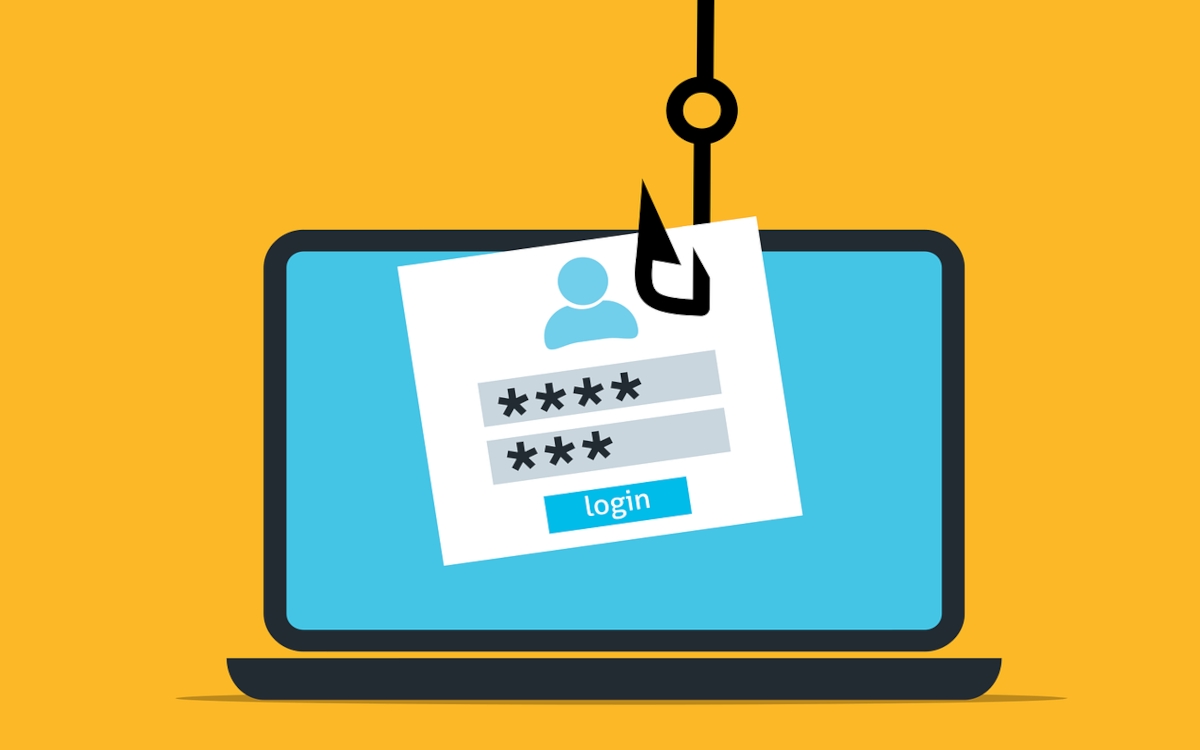
In order to recognize password reset phishing, it's helpful to understand how it works. Although variations exist, the mechanics of this attack generally follow a fairly consistent pattern. It all starts when The attacker gathers publicly available information about their victim.Email, username on platforms, phone number, etc. Actually, you don't need much: your email is enough.
There are two ways to initiate the attack. On the one hand, You may receive a FAKE email requesting a password change or updateIn some cases, the message claims that someone else tried to access the account, which increases the sense of urgency. The message contains a link that redirects to a fake website: a clone of the original website where you enter your credentials.
A more dangerous variant
The second type of attack is more subtle and deceptive. The attacker goes to the legitimate login page of the service (Gmail, PayPal, etc.) and enter your email address. Then, click on "Forgot your password?", and the legitimate service will send you a REAL password reset email or SMS. This step is crucial: The first message you receive IS AUTHENTIC.
And here's where it gets interesting: The criminal knows you received that message with a legitimate link. So immediately, It sends you an extremely urgent phishing message with the intention of diverting your attention from the first one.Since you've already received a legitimate message, it's easy to assume this second one is too. But it's actually a trap.
The second message, which is the password reset phishing message, It contains a link to a fake websiteThere, they ask you to enter the security code you received, or they simply ask you to create a new password. With the first option, the attacker can invalidate your current password and create one at will; with the second, they learn your new password and can use it to log in.
Whichever option you choose, you'll be giving the cybercriminal access to your account, with all the risks that entails. As you can see, The brilliance of this second modality lies in the mixture of legitimate elements with deception and urgency.All of this produces confusion and panic in the victim, making them more vulnerable to attack.
How to detect password reset phishing
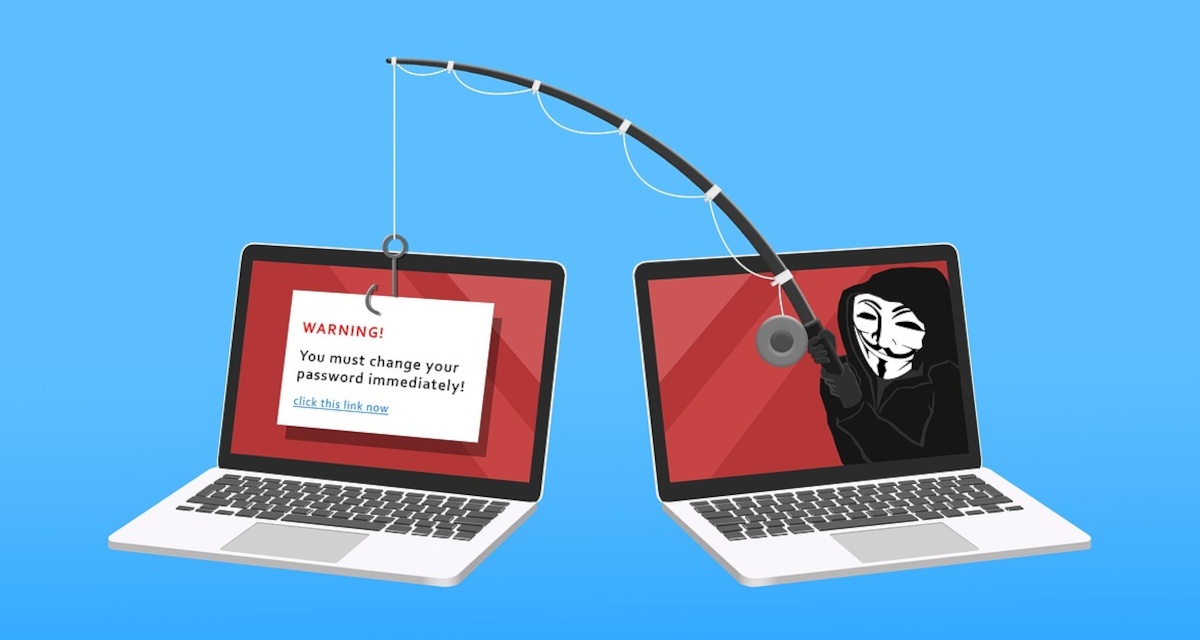
Knowing how password reset phishing works, the question remains: how do you detect it? Understanding the mechanism makes it easier to identify the red flags that warn you of danger. Pay attention to the following:
- Two messages for the same process? This is the clearest sign: a legitimate message or SMS arrives first, and shortly after, another one mentioning the same activity but with a tone of extreme urgency. Always ask yourself, "Did I initiate this process?" If the answer is no, be suspicious.
- Urgency and fearPassword reset phishing messages try to instill fear to prevent you from questioning anything. But remember, legitimate services rarely use urgent phrases or give you only a few minutes to act.
- Discrepancies and errorsMalicious links and websites often contain grammatical errors and use phrases different from legitimate ones. Be vigilant for these signs.
And remember: Never click on a link in an email you didn't request.The best way is to go to the official website in a new tab and manually type in the address. If there really is a problem, you'll definitely see a notification on the official platform. You'll find more tips on how to protect yourself in the articles. Phishing and vishing: Differences, how they work, and how to protect yourself y Complete guide to digital hygiene: The best habits to avoid getting hacked.

From a young age, I've been fascinated by all things scientific and technological, especially those advancements that make our lives easier and more enjoyable. I love staying up-to-date on the latest news and trends, and sharing my experiences, opinions, and tips about the devices and gadgets I use. This led me to become a web writer a little over five years ago, focusing primarily on Android devices and Windows operating systems. I've learned to explain complex concepts in simple terms so my readers can easily understand them.