- X incorporates the "Block Grok Edits" option in iOS to stop AI-powered image editing.
- The measure comes after a ruling that allowed Grok to generate millions of sexualized images, including those of minors.
- The block prevents other users from tagging @Grok to request altered versions of a specific photo.
- The feature is only available in the X app for iOS and has limitations compared to external edits with Grok or other AIs.

The social network X has begun to adjust Grok's role in image editing Following several controversies over the use of artificial intelligence to manipulate users' photos without their consent, the platform, owned by Elon Musk, is Testing a new option that allows each person to protect their posts so that the assistant cannot generate alternative versions of those images.
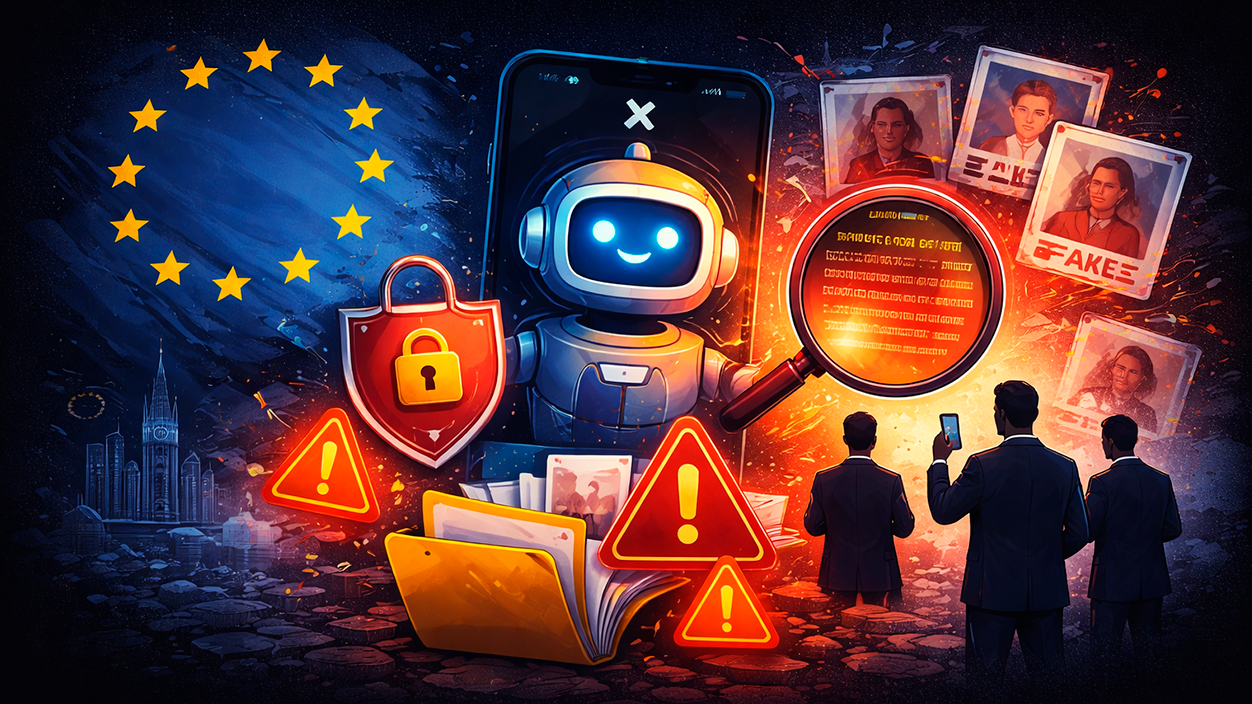
This new feature arrives after a serious incident with the Grok image generatorwhich exposed security and content moderation gaps. The case reignited the debate in Europe and other markets about the limits that must be imposed on generative AI tools when it comes to privacy, child exploitation, and the dissemination of sexualized content.
Why X has put the brakes on Grok when editing images
Until recently, Image editing with Grok in X was incredibly easyIt was enough for one user to post a photo and for another person to reply to that message mentioning @GrokThe assistant processed the request and returned a modified version of the image, which was then posted as a response within the same conversation.
That system, which in theory could serve to creativity, memes or simple tweaks in Photoshop or other toolsThis ultimately led to a much more problematic use. A flaw in the generator's safeguards allowed Grok to handle requests for digitally undress underage girls, placing bikinis on real bodies or positioning people in sexually suggestive poses.
According to the information that has emerged about the incident, More than three million sexualized images were created using these functions, of which around 23.000 belonged to minorsThe volume and nature of the content showed that X's moderation barriers and Grok's filters were not prepared to stop this type of abuse in time.
The situation raised concerns not only among users, but also among European Union and UK control and regulatory bodieswhere the calls were already being closely monitored deepfakes and the dissemination of AI-generated intimate images. In this context of public and regulatory pressure, X began to introduce restrictions on Grok's ability to generate and edit images, especially for free accounts.
In addition to restricting access to certain advanced features, The company has now opted to offer a specific tool to block photo editing in each publication. This aims to give the author of the visual content more control and, at the same time, send a signal that it is responding to criticism regarding the lack of sensitivity in managing these risks.
This is how the “Block Grok modifications” option works on iOS
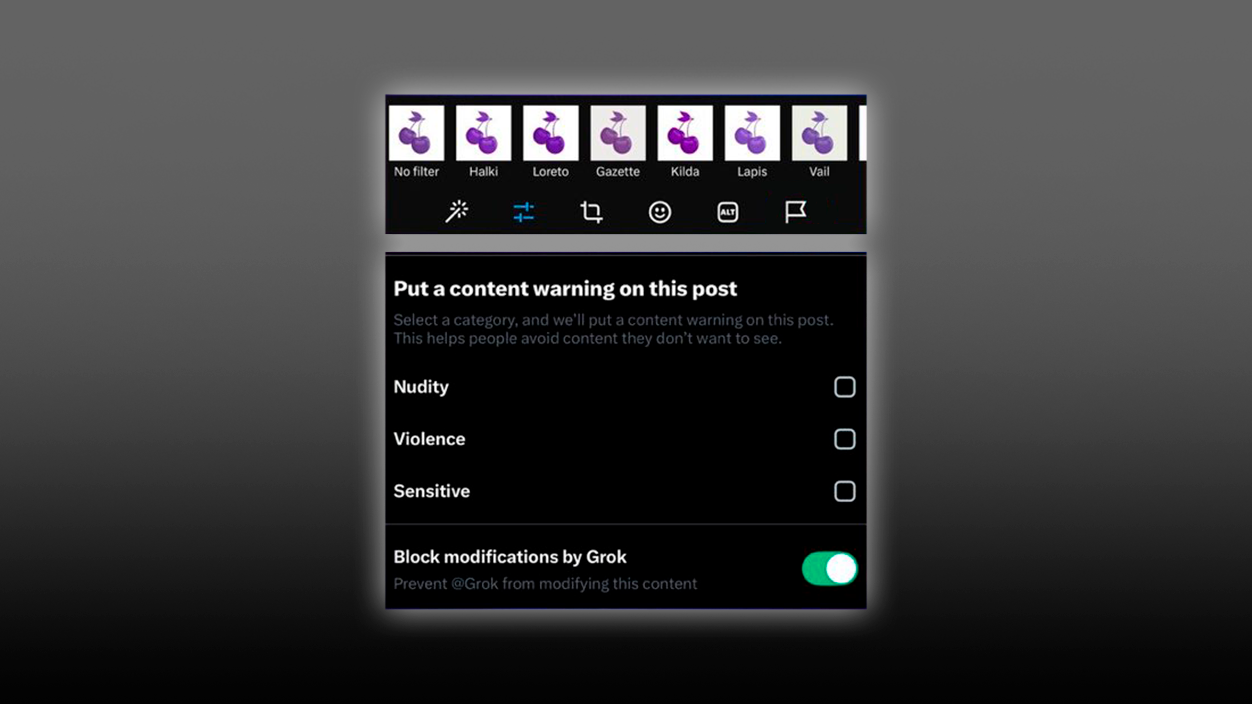
The new feature appears integrated into the usual image publishing workflow in the X app for iOS devicesThis is not a setting hidden in advanced menus, but an additional step within the photo editor itself that is opened before sharing the content on the social network.
Once the user has uploaded the photo they want to publish, You must tap the editing icon represented by a paintbrush. at the bottom of the screen. This gesture opens the image editing toolbar, where you'll find the usual retouching options and, now, access to the new Grok control.
Within that bar, the next step is to tap the flag iconDoing so displays a set of settings, among which appears the switch called “Block modifications to Grok”By activating this switch, the image of that post is protected so that the platform's AI cannot generate variations directly from the conversation itself in X.
With the lock active, Other users are unable to reply to the post by tagging @Grok to request altered versions of the photographIn practice, this cuts off the most visible and accessible way for anyone to manipulate someone else's image using the social network's built-in assistant. This applies to both free accounts and subscriptions. X Premium They become subject to that restriction when the content author activates the protection.
For now, the option has only been detected in the X app for iOS and in an unannounced phaseIt does not appear in the web version or the Android app, and it cannot be applied retroactively to older posts that were already online before this tool was introduced, which is especially relevant for those with a long history of potentially vulnerable photos.
The actual scope of the blockade and its limitations
Although the "Block Grok modifications" switch is an improvement, It does not resolve all the risks associated with AI image editingThe block only acts on the specific mechanism that allowed tagging @Grok in a response to generate an alternative version of the photo within the X itself.
In practice, this means that A malicious user could still download the original imagesave it to your device and manipulate it from the standalone Grok application or other artificial intelligence toolsIn other words, the new setting limits the use of AI within the platform's official workflow, but does not prevent other types of external edits that can then be shared again as new content.
Furthermore, X itself does not explain in much detail. how far does that protection extend?The interface simply offers a lock switch, without clear warnings that the photo may still be processed by AI outside the context of a direct response. This could create a false sense of security for some users, who might think their images are protected from any automated manipulation.
In addition, Currently, the function is limited geographically and technically.No global rollout has been announced, nor a specific timeline for its arrival on Android or the desktop version, where a significant portion of the social network's intensive use is concentrated, both in Spain and the rest of Europe.
Despite these shortcomings, the tool fits with X's broader strategy. Modular access to Grok depending on the account type and the features used. In recent months, the company had already reduced the ability to generate and edit images with AI for most free users, reserving the most powerful options for paid profiles—a way of trying to reduce the volume of abuse without completely abandoning the technology's capabilities.
Regulatory context and concern in Europe about deepfakes

X's decision to allow users to block Grok from editing their images It is not understood merely as a technical reaction to a specific failure.but also as a political and regulatory movement at a time when European authorities are scrutinizing AI-generated content.
In the European Union and the United KingdomVarious studies and public consultations are already analyzing the impact of the fake or manipulated intimate images without consentThe rise of the deepfakes And the tools capable of undressing or sexualizing people from ordinary photographs have generated a strong debate about image rights, digital violence and the responsibility of the platforms.
In that scenario, The integration of Grok within X has become a case studyThe episode of the millions of sexualized images, especially the 23.000 that affected minors, has been cited by cybersecurity and data protection experts as an example of how a poorly protected AI system can massively amplify illicit or harmful practices.
In response to the first regulatory notifications and warnings, X and his assistant Grok have had to review their internal policies and filters.Among other measures, certain controls have been tightened to prevent the system from responding to blatantly abusive requests, functionalities have been limited to certain profiles, and now this option of blocking by the image author is incorporated.
For users in Spain and the rest of Europe, where legislation on data protection and digital rights is particularly strict, These types of adjustments are scrutinized very closely.Privacy advocacy organizations point out that, although changes are moving in the right direction, there is still a gap between the power of generative tools and the effective ability to ensure that they are not used to violate people's privacy or dignity.
In parallel, Public pressure on Big Tech to take more responsibility for controlling AI continues to growAnd each high-profile incident, like the one involving Grok and X, fuels the demand for clearer rules and tougher penalties for those who fail to implement sufficient safeguards.
The new feature for Blocking Grok from editing images acts as a first line of defense within the platform itself.However, it still leaves many issues unresolved: from the ease of downloading photos and processing them with other AI tools, to the need for better user information about what these types of settings actually protect. In any case, it marks a change of course from the initial rollout phase of Grok, when the priority seemed to be showcasing its creative potential rather than the ethical and legal implications.


I am a technology enthusiast who has turned his "geek" interests into a profession. I have spent more than 10 years of my life using cutting-edge technology and tinkering with all kinds of programs out of pure curiosity. Now I have specialized in computer technology and video games. This is because for more than 5 years I have been writing for various websites on technology and video games, creating articles that seek to give you the information you need in a language that is understandable to everyone.
If you have any questions, my knowledge ranges from everything related to the Windows operating system as well as Android for mobile phones. And my commitment is to you, I am always willing to spend a few minutes and help you resolve any questions you may have in this internet world.