
Are you interested in the world of 3D printing in resin? This technology has improved a lot in recent years and is available to all types of users. If you are one of the less experienced, don't worry. In this post you will find a Beginner's Guide with Everything You Need to Know to Get Started.
You may have many questions about 3D printing in resin.How it works this type of printing and what advantages offers? What do I need to print 3D models with resin? What are the steps to follow and precautions should I take? In the following lines we will clarify these and other doubts.
3D printing in resin: Basic concepts
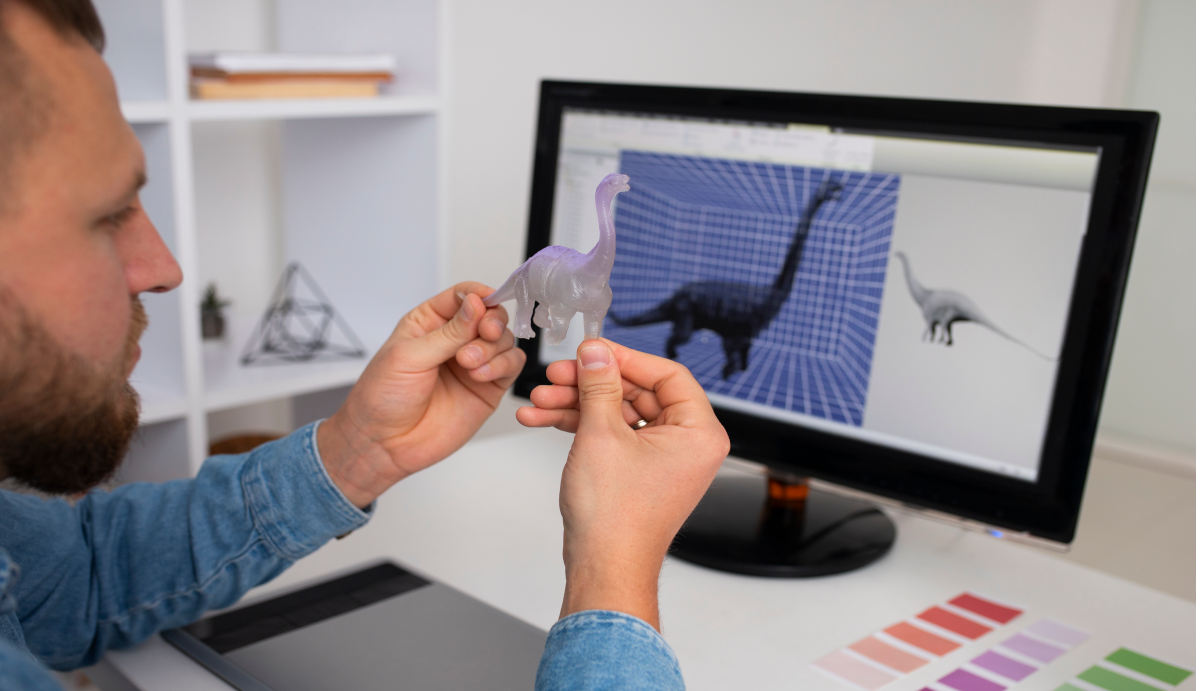
To start in the world of 3D printing In resin it is important to understand its main basic concepts. Resin (photopolymer), is one of the different materials used for 3D printingIt is a liquid material that hardens when exposed to an ultraviolet (UV) light source, and can be industrial, biocompatible, flexible or standard.
This resin is used to create three-dimensional objects through the use of a resin 3D printerUnlike filament 3D printers, which print using molten plastic, resin 3D printers solidify the resin by exposing it to a UV light source. There are different types of resin XNUMXD printers, but they all work in basically the same way:
- They have a tank where the liquid resin is deposited.
- They have a platform that is dipped in the resin and moves up and down.
- It has an ultraviolet light source, which can be a laser or a projector, depending on the method used to print.
- The printer projects ultraviolet light onto the resin to solidify it and create a layer of the object.
- This process is repeated, from top to bottom, to build the object layer by layer until it is ready.
Another basic concept in 3D printing in resin is the use of a software known as rolling mill (slicer). Imagine you have a digital model of the object you want to print in three dimensions. Since the 3D printer prints layer by layer, it is necessary to slice the model into many thin layers. The slicer takes care of this, and converts each layer into an instruction for the printer to reproduce it three-dimensionally.
In general, 3D printer brands have their own slicing software. In addition, there are standalone solutions that offer more advanced and customized features. One of the most popular slicers in the world of 3D printing is Chitubox, Available for Windows, Mac, and Linux.
Basic equipment for 3D printing with resin

If you are just starting out in the world of 3D printing with resin, you need to have the right equipment. In addition to the appropriate resin, a resin 3D printer and slicing software, there are other elements that cannot be missing. Specifically, we are referring to personal protective equipment and post-processing tools.
First of all, remember that printing with resin exposes you to dangerous chemical compounds. Therefore, it is very important that you handle them correctly and use them at all times. safety glasses. It is also advisable to use nitrile gloves to avoid direct contact with the resin. And it is always recommended that the work area is well ventilated to reduce exposure to fumes.
Secondly, you're going to need some tools to put the finishing touches on your newly printed piece. For example, it's helpful to have a plastic spatula to remove the figure without scratching the platform. A good amount of glue is also required. isopropyl alcohol to remove excess resin. And you can use fine grit sandpaper to finish polishing the support marks and smooth out some sections.
Procedure for the first 3D printing in resin
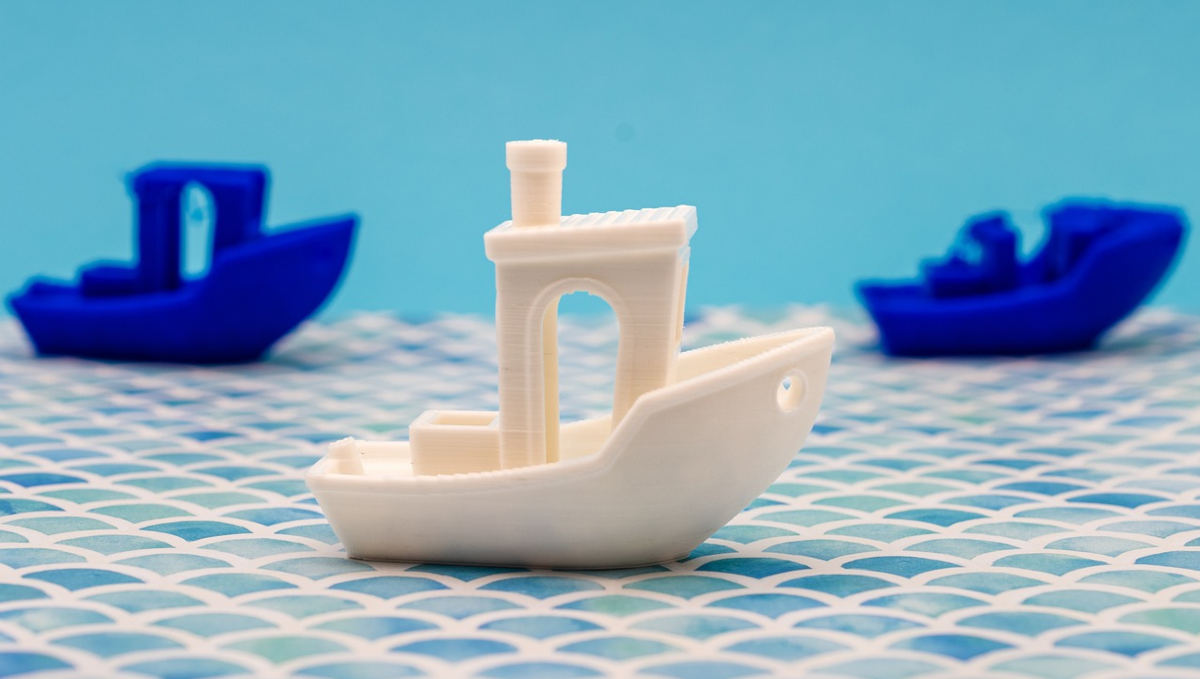
Once you have all the equipment and the work area ready, it's time to make your first 3D resin print. It all starts by choosing the 3D model you want to print, and ends when you can hold it in your hands. Let's briefly review each of the steps to follow:
Prepare the 3D model
For 3D printing in resin to be successful, you have to carefully choose the model to print. Typically, Models with well-defined details and clean geometry print more accurately. You also have to make sure that adjust its size to fit on the printer platform.
Also remember that highly detailed models or those with long overhangs require more supports. This can increase printing time and require more post-processing work. By the way, where can you find 3d models to print? There are online bookstores, such as Cults3D, Thingiverse y Printables, with hundreds of models to choose from.
Prepare the printer
It is very important that la 3D printer resin rests on a stable and secure surface during printing. Also, make sure that it is completely leveled, to ensure an accurate result. And, when you go to fill the resin tank, wear gloves and safety glasses, and do not exceed the limit set by the manufacturer.
Once the printer is ready, it is time to load the print file into the laminating software. Depending on the type of resin and the model to be printed, adjust the printing parameters.When everything is ready, it is time to start the process and wait patiently for it to finish.
Remove the printed model
When the printer has finished its work, it is time to remove the 3D printed model. To do this, Use a plastic spatula or mini clay modeling paletteThis way you can be sure that you don't scratch the surface of the base or apply any force to it. Take all the time you need to remove the piece without damaging it.
Post-processing and final touches
Finally, the piece needs to be given a final treatment so that it is completely ready. Start by Carefully remove all supports that might have attached. Afterwards, soak it in isopropyl alcohol to remove sticky resin from the surface.
Then you can insert the piece into a curing machine so that the ultraviolet light finishes solidifying it. Another option is to expose the piece to sunlight for a couple of hours. Finally, use a fine grit sandpaper to reduce the marks of the supports and smooth some surfaces.

From a young age, I've been fascinated by all things scientific and technological, especially those advancements that make our lives easier and more enjoyable. I love staying up-to-date on the latest news and trends, and sharing my experiences, opinions, and tips about the devices and gadgets I use. This led me to become a web writer a little over five years ago, focusing primarily on Android devices and Windows operating systems. I've learned to explain complex concepts in simple terms so my readers can easily understand them.