- Amazon MGM Studios creates an AI Studio to integrate artificial intelligence into the production of movies and series for Prime Video.
- The goal is to reduce costs, shorten deadlines, and produce more titles without sacrificing creative human talent.
- The initiative is generating concern in Hollywood due to its potential impact on employment and traditional work models.
- Prime Video relies on AWS, advanced language models, and collaborations with producers and directors to test practical uses of AI.

Amazon has decided to step on the gas and bringing artificial intelligence (AI) to the heart of Prime Video's creative processThe movement seeks to produce more series and films in less time, contain increasingly high budgets, and adjust the risk of each project at a delicate time for the audiovisual industry.
Far from presenting it as a direct replacement for screenwriters, directors, or actors, the company argues that AI will be a support tool to streamline technical and repetitive tasks.Even so, the announcement comes amid growing tension with Hollywood, where fears are rising that this technology will completely transform creative employment and the way content is produced for platforms like Prime Video, a phenomenon similar to... fear of AI in video games.
An in-house AI Studio to change how content is produced at Prime Video
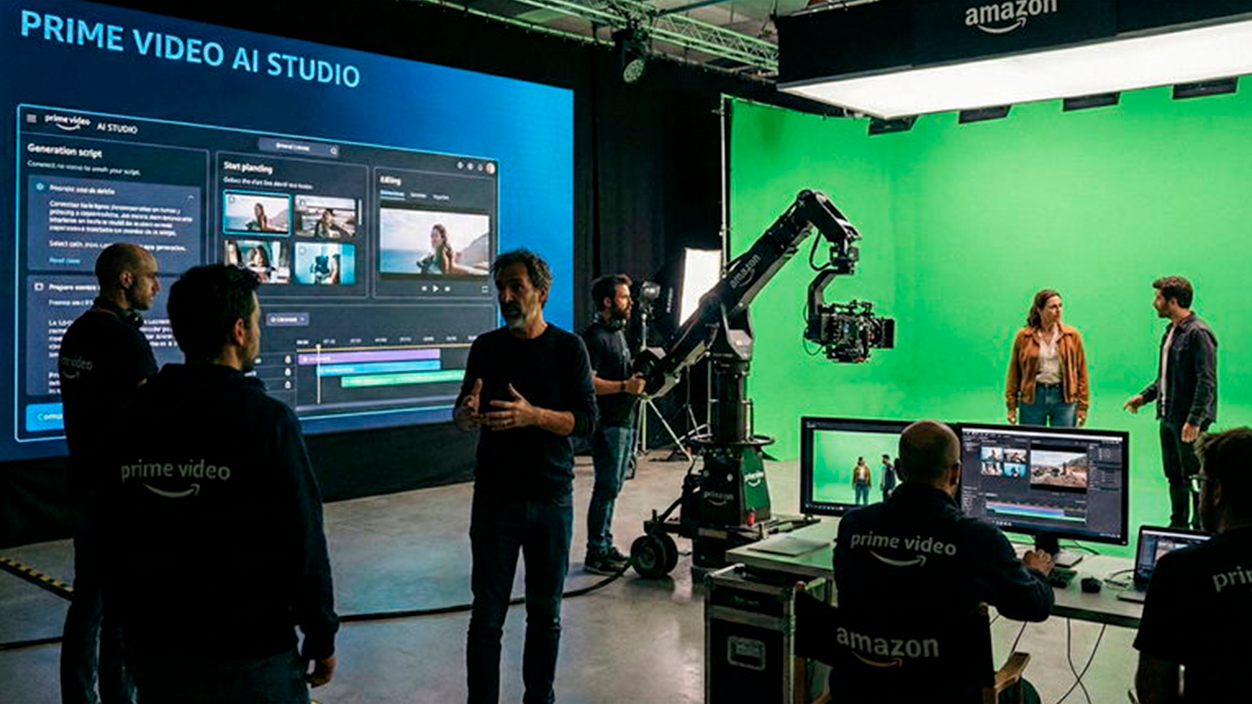
The project is being developed within Amazon MGM Studios through a specific team, known internally as AI Studio and led by executive Albert Cheng, a veteran of the entertainment industry who has become the face of this new stage.
This group functions, in Cheng's own words, as a kind of internal “startup” that follows Jeff Bezos’ “two-pizza team” philosophy: small, agile teams, with short decision lines and focused on solving very specific problems in film and television production.
The structure of AI Studio is mainly composed of Product engineers and data scientists, supported by a smaller core of creative and business profilesThe idea is that the technical side develops AI tools specifically for the audiovisual sector, while the creatives help to fit them into real workflows without losing artistic control.
Amazon is preparing to launch a A closed beta will begin in March, in which selected industry partners will participate.The goal is for producers, directors, and other professionals to test these solutions in real projects and provide feedback, with the expectation of being able to show the first significant results around May.
What can AI do within Prime Video?
In this first phase, the focus is not on writing complete scripts or generating films from beginning to end, but on using technology where More time and money are lost in the day-to-day running of a productionAmazon speaks of covering the "final stretch" of the creative process, that space between consumer AI and the professional needs of film and television.
The applications under development include tools for Maintain visual consistency of characters across shots and scenesThis is especially useful in large-scale or long-running productions, where small continuity errors can force reshoots or increase post-production costs.
Another line of work is the Integration of AI with standard industry programsboth in pre-production and post-production. This ranges from assisting in the planning of complex scenes, simulating results before filming, to facilitating visual or editing corrections without always having to resort to large external teams.
Cheng and his team insist that AI is conceived as an enhancement of human creativity, not as a substitute.Their role would be to shorten time, reduce mechanical tasks, and free up space for writers, directors, or designers to concentrate on the more purely artistic decisions.
In the broader context of streaming, artificial intelligence has been used for years in Prime Video as a content recommendation system in the style of "since you've seen this, you might like this other thing"The big difference in this new stage is that technology is no longer limited to selecting what you see and now has a direct impact on how the stories that end up in the catalog are created.
Reducing costs in an industry with skyrocketing budgets

Amazon's gamble cannot be understood without considering the current economic context. The audiovisual sector has been warning for some time that Budgets for TV series and films have skyrocketed to levels that are difficult to sustain.This limits the ability to approve new projects and forces us to be much more conservative with risk.
Cheng summed it up clearly when he acknowledged that “The cost of creating is so high that it becomes very difficult to do more and take on great risks.”In this scenario, AI appears as a way to reduce costs and accelerate processes, so that Prime Video can produce more projects without each one representing a financial leap into the void.
A recent example that the company cites as a case study is the biblical series “House of David.” In its second season, Director Jon Erwin combined real footage with AI tools to enhance and make the battle scenes more spectacular.avoiding having to blow the budget with large physical filming setups.
Beyond specific cases, the strategy fits with the stated objective of to produce more titles for Prime Video efficiently, without sacrificing a certain visual ambitionIt is a response both to rising costs and intense competition from other platforms, from Netflix to European services that are also starting to experiment with AI in their processes.
Meanwhile, market research estimates that The artificial intelligence business applied to entertainment could be worth around $100.000 billion by 2030., a volume that explains why giants like Amazon, Microsoft or Google have launched massive investments in this type of technology.
Who is behind it and who is the technology being tested on?
Amazon's AI Studio doesn't work in isolation. To translate ideas into concrete productions, the company... collaborates with professionals with extensive experience in Hollywoodwhich help explore which uses make the most sense in practice.
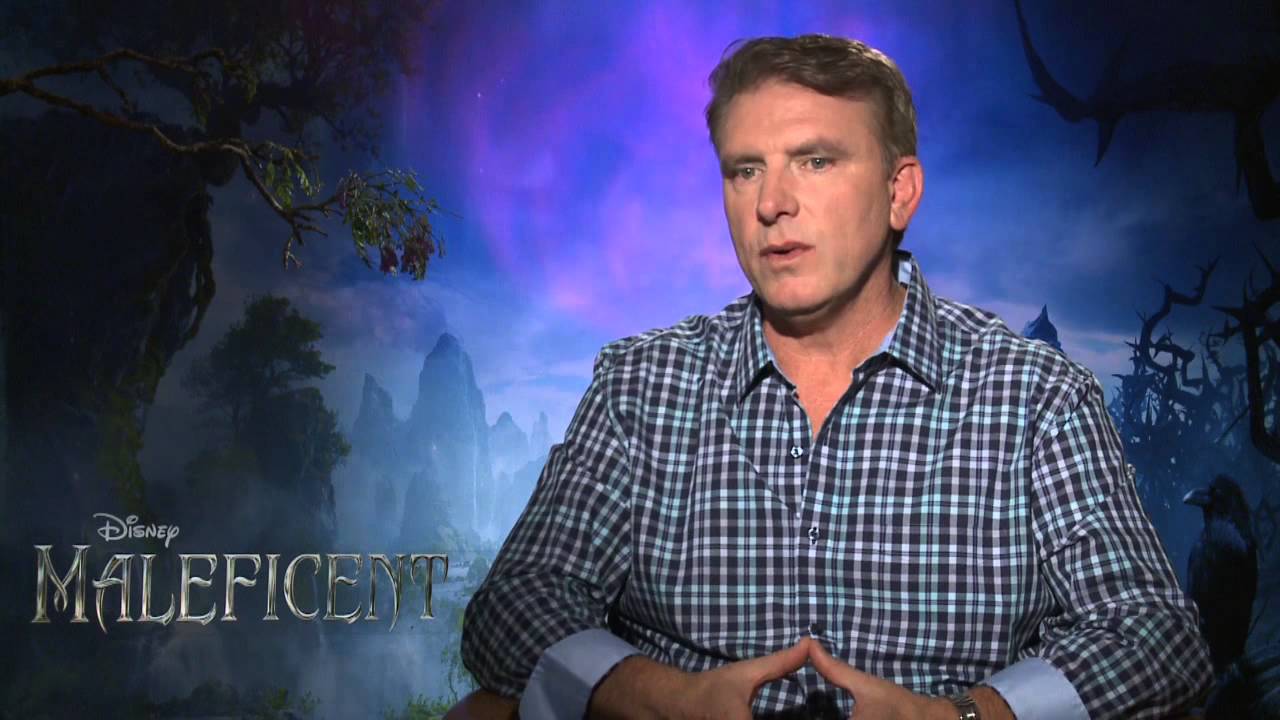
Among the names that have been linked to this laboratory are the producer Robert Stromberg, known for his work on “Maleficent” and head of the company Secret City; the actor Kunal Nayyar, popular for “The Big Bang Theory” and now at the helm of Good Karma Productionsor the entertainer Colin Brady, who has worked at studios such as Pixar and Industrial Light & Magic.
These collaborations serve to test the technology in real work contexts, adjusting the tools to specific needs: from the generation of background elements in certain scenes, to the optimization of editing workflows or digital retouching in post-production.
At the infrastructure level, Amazon relies on its cloud division, Amazon Web Services (AWS), and works with different providers of large language modelsIn this way, AI Studio can choose in each case the model that best suits the type of task or the level of precision required by a project.
One of the declared pillars of the program is the protection of intellectual property and working materialsThe company emphasizes that content generated or processed with these tools should not be reused without permission to train other AI models, a particularly sensitive point for European creators concerned about the unauthorized use of their work.
Job impact, cutbacks and fears in Hollywood
The shift towards artificial intelligence is not happening in a vacuum. In recent months, Amazon has cut nearly 30.000 corporate jobs, including layoffs at Prime Video., in what has been the biggest staff adjustment in its recent history.
Although the company links these cuts to a general reorganization and the search for greater efficiency, Advances in AI are also cited as one of the factors that allow for the automation of tasks and the reduction of costs.This combination of layoffs and technological investment fuels the fears of many professionals in the sector.
Top-tier actors, such as Emily Blunt, have expressed their concern about the rise of artificial intelligence in film and televisionThe debate includes everything from the emergence of virtual interpreters to the use of generative models capable of imitating voices or faces, something that clashes head-on with the demands of unions and the regulatory frameworks being discussed in both the United States and Europe.
Amazon insists that Screenwriters, directors, actors, and designers will remain involved in all phases of productionThe official narrative is that AI is here to enhance creativity, not to deplete teams. However, the feeling within some parts of the industry is that the line between support and replacement may become blurred over time.
This climate of uncertainty is also occurring at a time when Much of the content circulating on the Internet is already generated totally or partially with AIThis raises questions about the originality of the works, the remuneration of the authors, and the very differential value of stories made by humans versus those produced automatically, as well as how audit an AI-generated text to detect errors and biases.
From recommendations to data-driven content
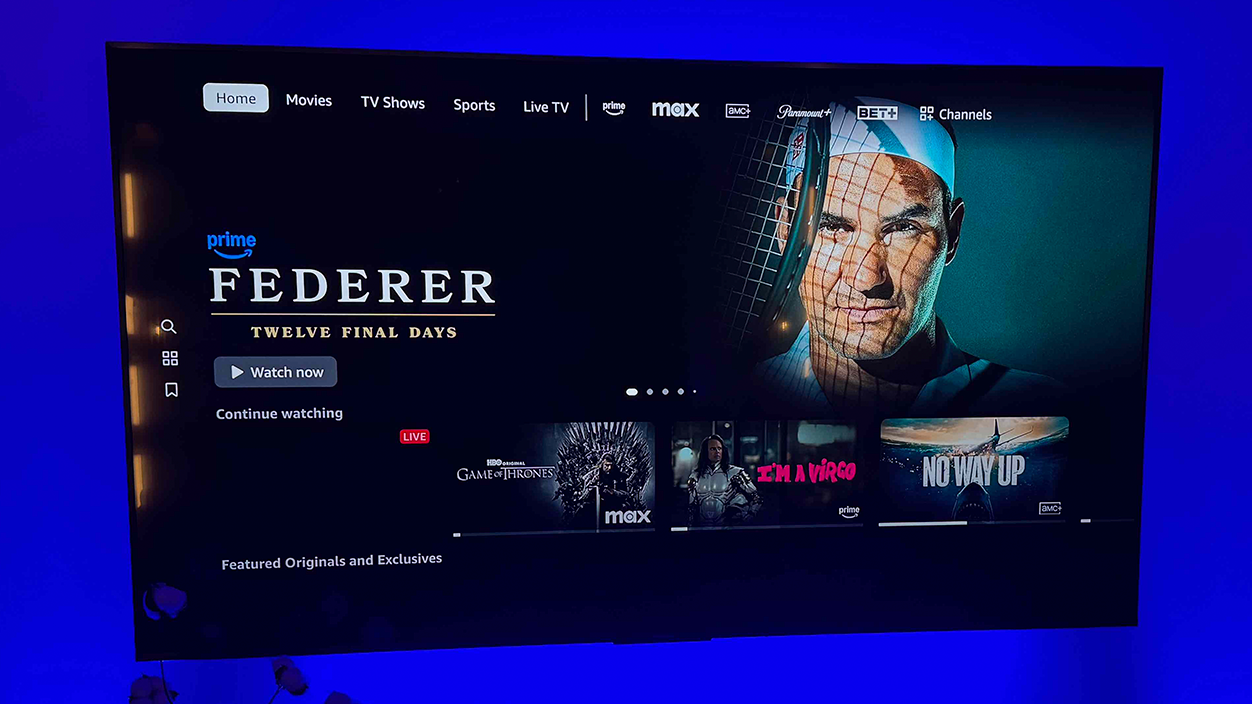
For years, the presence of artificial intelligence on streaming platforms like Prime Video or Netflix has been perceived mainly in the Recommendation algorithms, which link tastes and consumption habits to suggest new titlesThat use remains key, but it is now considered only one part of what's to come.
In the new phase that various industry analysts are pointing to, AI systems could to make a leap from the role of "recommender" to that of content creator or co-creatorThis opens the door to increasingly personalized formats, designed for very specific audience niches or even individual users.
Some experts envision a future in which Prime Video could offer Alternative versions of the same episode, with different endings depending on the viewer's preferences., or in which "micro dramas" of a few minutes are generated, designed to be consumed almost as if they were social media clips.
There is also talk of Automatic summaries of episodes or seasons, produced with AI for those who don't want to spend hours on a whole seriesThese are proposals reminiscent of the language of TikTok and other short video platforms, and they could gain prominence if younger audiences continue to shift towards fragmented consumption.
For now, no one is clear on the extent to which these uses will become widespread or how they will fit with European regulations on data protection, copyright, or algorithmic transparency. But There is a consensus that the influence of AI on streaming will become increasingly visible over the next few years., both in the United States and in the European market.
Amazon's decision to decisively integrate artificial intelligence into Prime Video illustrates a turning point for the industry: Technology ceases to be a discreet complement and becomes a central piece of the production modelIt remains to be seen whether the promise of doing more with less will materialize without eroding the role of human talent or the diversity of stories, but everything points to the fact that the next big streaming series and films will be created, increasingly, with AI as a traveling companion.


I am a technology enthusiast who has turned his "geek" interests into a profession. I have spent more than 10 years of my life using cutting-edge technology and tinkering with all kinds of programs out of pure curiosity. Now I have specialized in computer technology and video games. This is because for more than 5 years I have been writing for various websites on technology and video games, creating articles that seek to give you the information you need in a language that is understandable to everyone.
If you have any questions, my knowledge ranges from everything related to the Windows operating system as well as Android for mobile phones. And my commitment is to you, I am always willing to spend a few minutes and help you resolve any questions you may have in this internet world.