- Every year, thousands of tons of antibiotics from human consumption end up in rivers around the world.
- The accumulation of antibiotics generates bacterial resistance and seriously affects aquatic biodiversity.
- Southeast Asia is one of the regions most affected by amoxicillin levels in water.
- Experts are calling for stricter control and ongoing monitoring of river systems.
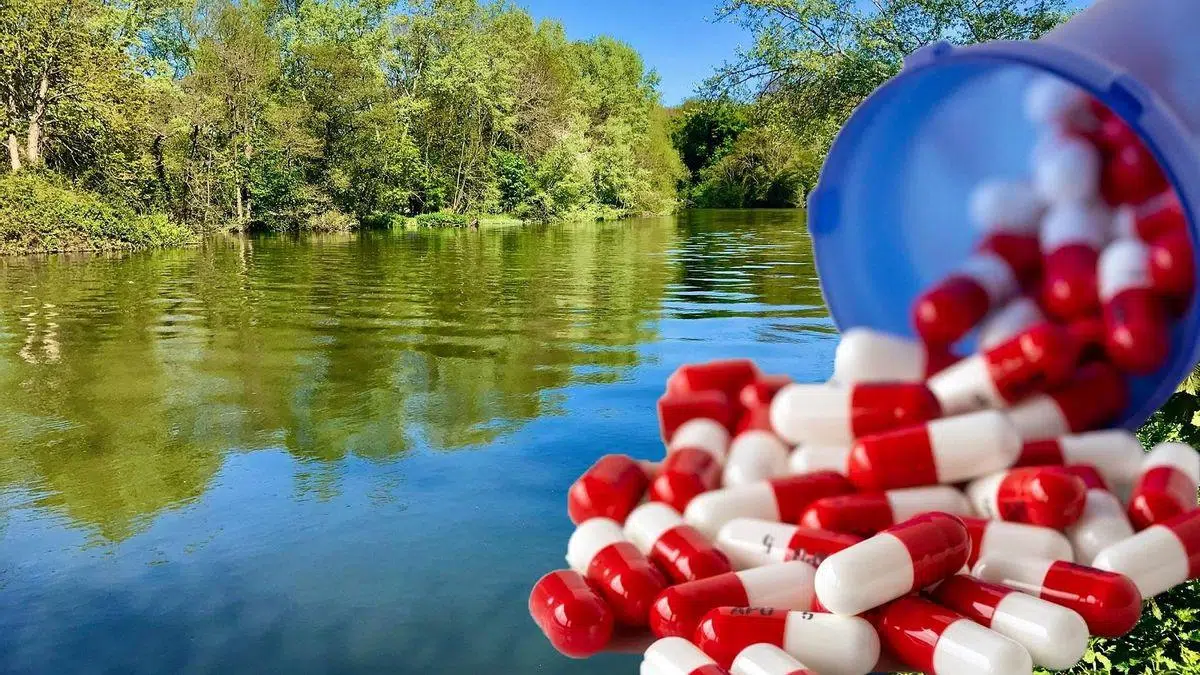
The pollution of the rivers for antibiotics has established itself as one of the most important environmental and health concerns of recent times. Although at first glance our river environment may seem clean, the reality is that large amounts of drug residues They reach the rivers every year, endangering both biodiversity and public health.
A recent international study led by McGill University has finally achieved measure the magnitude of the problem: Calculations show that approximately 8.500 tons of antibiotics from human consumption end up annually in river systems around the world. This figure represents almost a third of the total amount used by people worldwide each year.
Persistent Exposure: An Invisible Threat
Part of the problem is that wastewater treatment plantsEven in developed countries, antibiotics are not completely eliminated after use. Thus, although the quantities detected are low and difficult to identify, exposure constant and cumulative can lead to the development of increasingly drug-resistant bacteria. This is underlined by the researchers responsible for the study, who consider the situation a real challenge for public health and aquatic ecosystems.
The research took as reference about 900 river points distributed throughout the worldOne of the most striking results is the role of amoxicillin, the most widely used antibiotic globally and also the most frequently detected at levels considered risky.
The rivers of Southeast Asia are the most affected, mainly due to high consumption of the drug and insufficient water treatment infrastructure.
Consequences for nature and society
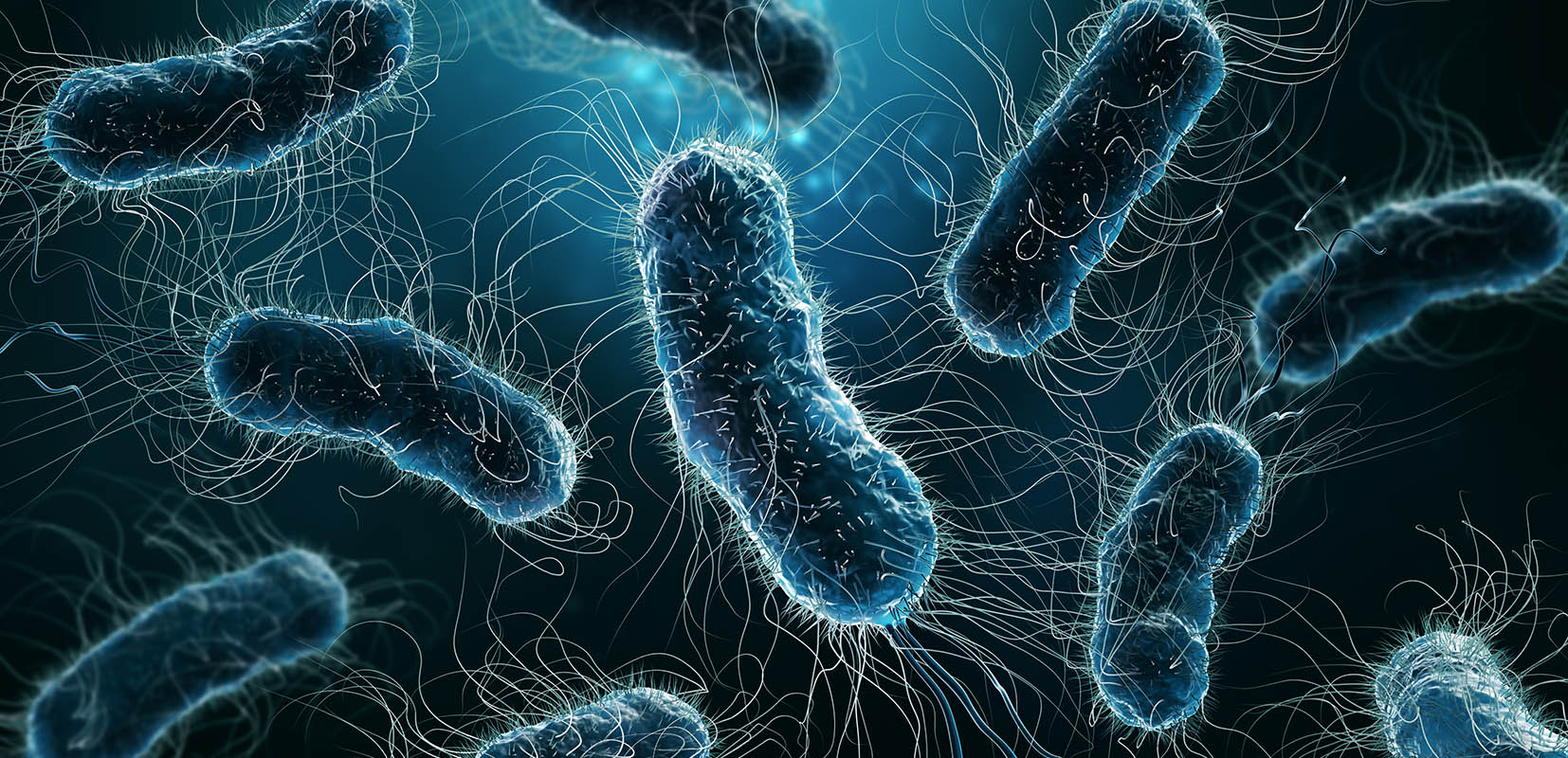
Excess antibiotics in water not only threatens the health of aquatic organisms, but also contributes to the emergence of superbugs resistant, a global problem that already accounts for thousands of deaths annually. The presence of these drugs in aquatic ecosystems can complicate the treatment of diseases in the future if effective measures are not implemented.
Furthermore, the findings indicate that Additional sources were not taken into account of contamination, such as veterinary use or discharge from the pharmaceutical industry, which suggests that the real magnitude of the problem could be even greater.
Experts and scientists involved in the research emphasize the importance of establish monitoring and management systems on the presence of these drugs in water, especially in critical areas. They also recommend working on the infrastructure improvement purification and adopt global policies for the rational use of antibiotics, both in human and animal medicine.
The response on a global scale
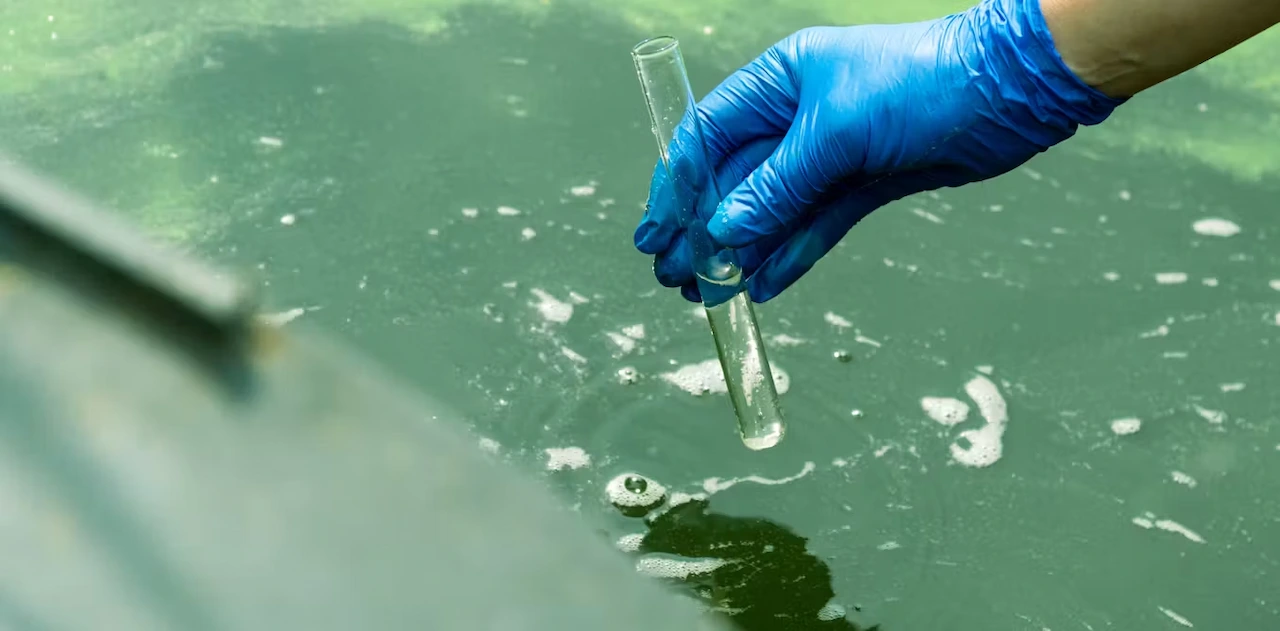
In different countries, public bodies and environmental organizations are asking for more resources to monitor the quality of aquatic ecosystems and strengthen existing regulations. The need to promote education on a responsible consumption of medicines and the implementation of mitigation strategies to prevent antibiotics from reaching waterways.
Likewise, collaboration between health and environmental institutions and society in general is key to confront the spread of resistant bacteria and protect the water resources on which life depends. Responsible management and the adoption of innovative solutions will be essential for a future in which rivers continue to provide biodiversity and well-being.
Excess and mismanagement of antibiotics in the home and hospital setting can have counterproductive effects for everyone. This study provides solid evidence that encourages reflection and immediate action to reduce the pharmaceutical footprint on the aquatic environment.
The problem of the antibiotics in rivers It is complex and requires multidisciplinary solutions. Implementing more effective treatment systems, regulating the use of medications, and promoting constant ecosystem monitoring will be essential to curbing pollution and avoiding much more serious consequences in the future.

I am a technology enthusiast who has turned his "geek" interests into a profession. I have spent more than 10 years of my life using cutting-edge technology and tinkering with all kinds of programs out of pure curiosity. Now I have specialized in computer technology and video games. This is because for more than 5 years I have been writing for various websites on technology and video games, creating articles that seek to give you the information you need in a language that is understandable to everyone.
If you have any questions, my knowledge ranges from everything related to the Windows operating system as well as Android for mobile phones. And my commitment is to you, I am always willing to spend a few minutes and help you resolve any questions you may have in this internet world.