- China launches a national virtual ID system to centralize user access and verification on the Internet.
- The measure, which has been implemented voluntarily since mid-July, has raised concerns about state control and privacy.
- Experts and human rights advocates fear for freedom of expression and the risk of massive data leaks.
- The government defends the system as a "bulletproof vest" for personal data protection and digital development.
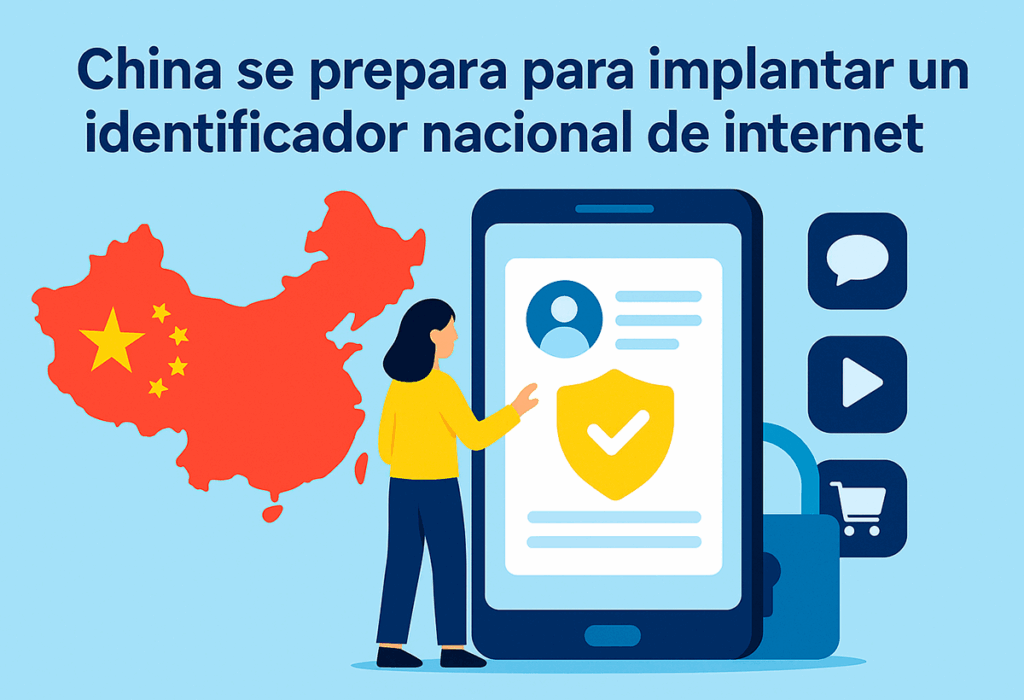
China is preparing to implement an innovative digital control measure that could transform its citizens' online access and interaction. The country, already known for its strict system of online censorship and surveillance, has announced the launch of a national internet identifier which will be applied from mid-JulyThis initiative, part of official efforts to strengthen digital security and centralize verification processes, has generated considerable debate inside and outside the country.
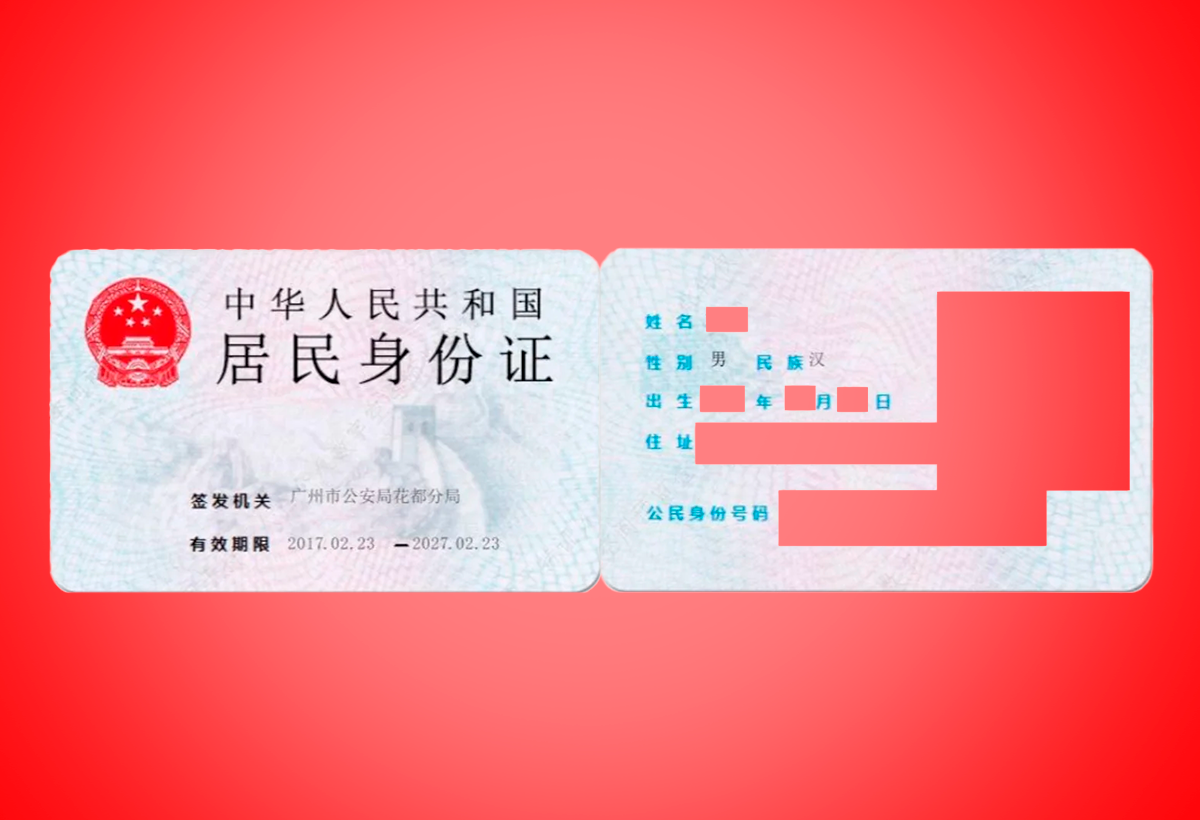
So far, the Chinese users needed to validate their identity independently in each application, social network or web portal, a repetitive process that made online anonymity difficult. The new system introduces a unique virtual ID issued by the State which can be used to log in to multiple platforms with a single account, concentrating information in a single point and facilitating both user management and monitoring.
How will the new system work?
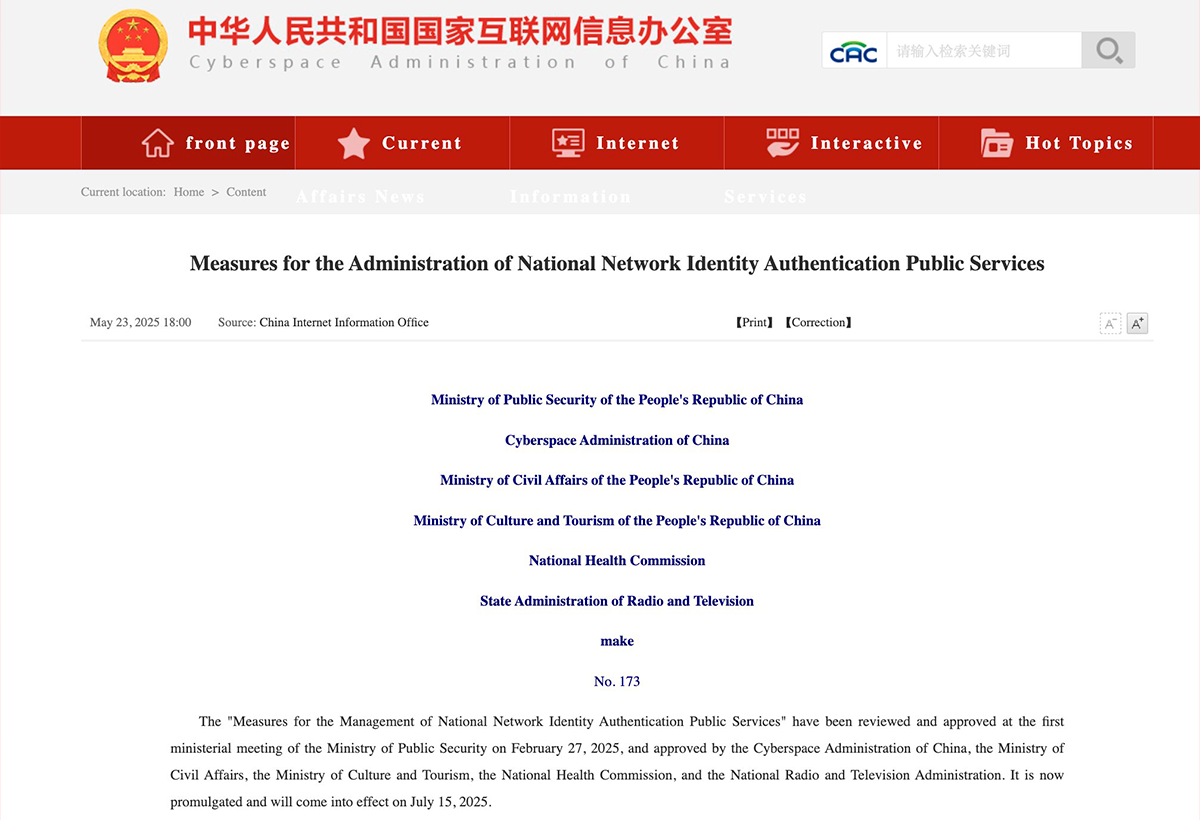
According to rules published at the end of May, Adherence to the digital identifier will initially be voluntary, although the administration is encouraging companies and organizations to integrate it into their services. More than Six million people have already registered, according to state media, although the online population in China exceeds one billion.
The government presents this solution as a protection tool against data breaches and a key driver for the development of its digital economy. In fact, Official media have described it as a “bulletproof vest for personal information.”Among the system's proponents, it is argued that its goal is to provide secure, convenient, and efficient identification, in addition to supporting technological innovation.
Now, the other side of the coin It is a cause for concern for many experts and human rights defenders.Voices like that of Xiao Qiang, a researcher specializing in internet freedom, warn that this centralized platform facilitates real-time monitoring and the blocking of any user considered problematic by the authorities. It would not only be a surveillance system, but a infrastructure capable of eliminating any message or digital presence that the government does not like.
The measure accentuates the trend of tightening digital controls under the leadership of Xi Jinping, who Since 2012, it has multiplied its efforts at censorship and repression. of dissent through legions of moderators and technological development. This new identifier, managed directly by the state, could allow anyone's activity across the entire network to be eliminated with a single command.

Controversial process and social reactions
The Authorities insist that participation is optional, but many analysts, such as Professor Haochen Sun of the University of Hong Kong, point out that The system could become a de facto requirement if certain privileges and facilities are linked to its use.. Furthermore, centralizing so much sensitive data on a single platform represents, in the eyes of cybersecurity experts, a risk of possible leaksIn 2022, one of the largest events has already occurred data thefts in China when police information on a billion citizens was exposed on the internet.
The implementation of the digital ID has followed the usual legislative process in China, with a year-long public consultation in which academics, legal experts, and citizens expressed reservations about the initiative. Despite this, Final rules have maintained the bulk of the initial proposalAfter the final approval was announced, there was little criticism online, partly due to content moderation and the government's practice of staggering the timeframes to reduce social pressure.
This process already affects sectors such as culture, tourism, health and media, which will begin to require this national identifier in their digital services. Meanwhile, numerous international users and analysts are wondering whether this model could be exported or influence network control at a global level.
The launch of the national internet identifier in China represents a major change in the management of digital identities, with arguments in favor of security and efficiency, but also with Deep concerns about privacy, state control, and potential failures in the protection of personal dataThis ongoing debate highlights the tension between technological development and fundamental rights in the digital age.


I am a technology enthusiast who has turned his "geek" interests into a profession. I have spent more than 10 years of my life using cutting-edge technology and tinkering with all kinds of programs out of pure curiosity. Now I have specialized in computer technology and video games. This is because for more than 5 years I have been writing for various websites on technology and video games, creating articles that seek to give you the information you need in a language that is understandable to everyone.
If you have any questions, my knowledge ranges from everything related to the Windows operating system as well as Android for mobile phones. And my commitment is to you, I am always willing to spend a few minutes and help you resolve any questions you may have in this internet world.