- Private AI Compute combines cloud-based Gemini models with local processing-style privacy guarantees.
- Architecture with TPUs, Titanium Intelligence Enclaves and encryption with remote attestation under a strict "no access" policy.
- Debuts on Pixel 10 with Magic Cue and Recorder improvements, with technical verification available.
- Focused on sensitive environments and compatible with Google's security and privacy principles.
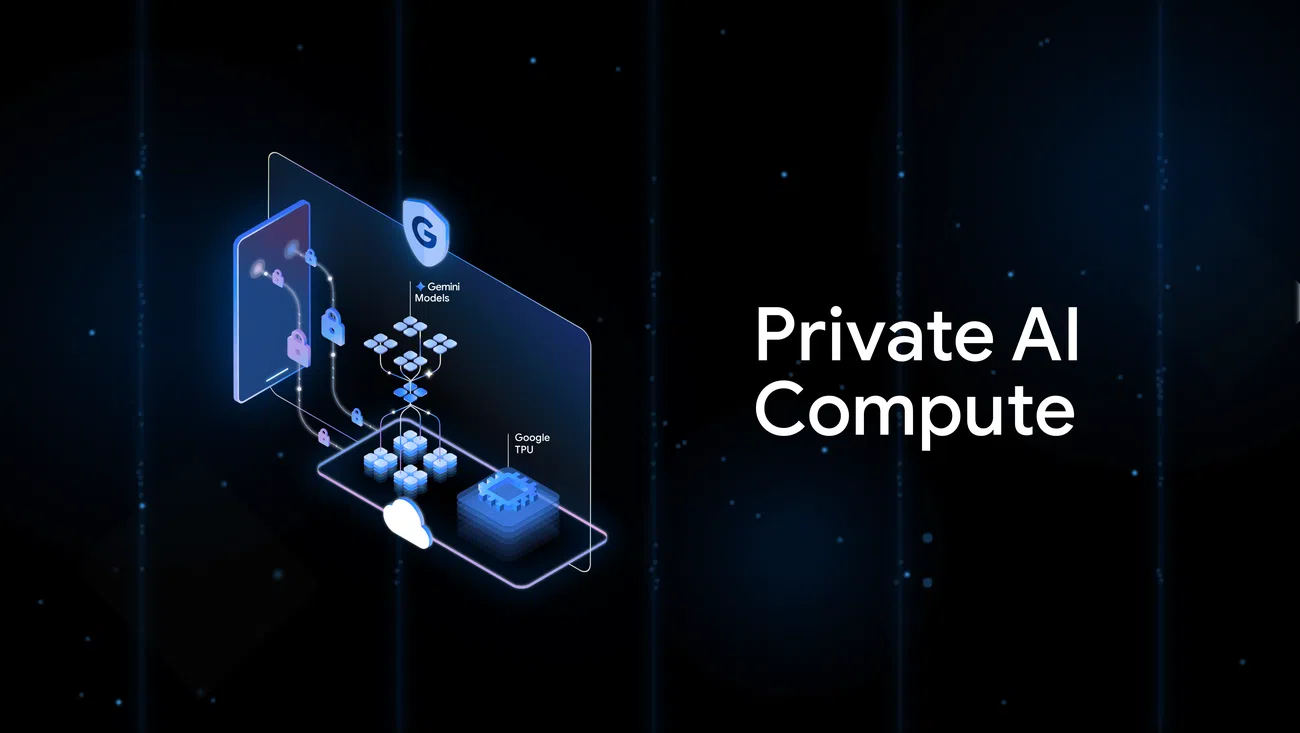
Google has announced a cloud-based AI processing platform designed to protect personal information without sacrificing the power of the most advanced models. It's called Private AI Compute and seeks to balance performance and privacy with an approach similar to what users expect when everything is done on the device.
The idea comes at a time when AI is moving from responding to simple requests to offering more personalized and proactive help. For these functions, Often, a computational muscle is needed that mobile devices alone cannot provide.That's where it comes in. Private AI Compute with its "secure space", which processes sensitive data in the cloud with controls equivalent to those of local processing, as happens in solutions that allow AI without uploading them to the cloud.
What does Private AI Compute propose and why now?
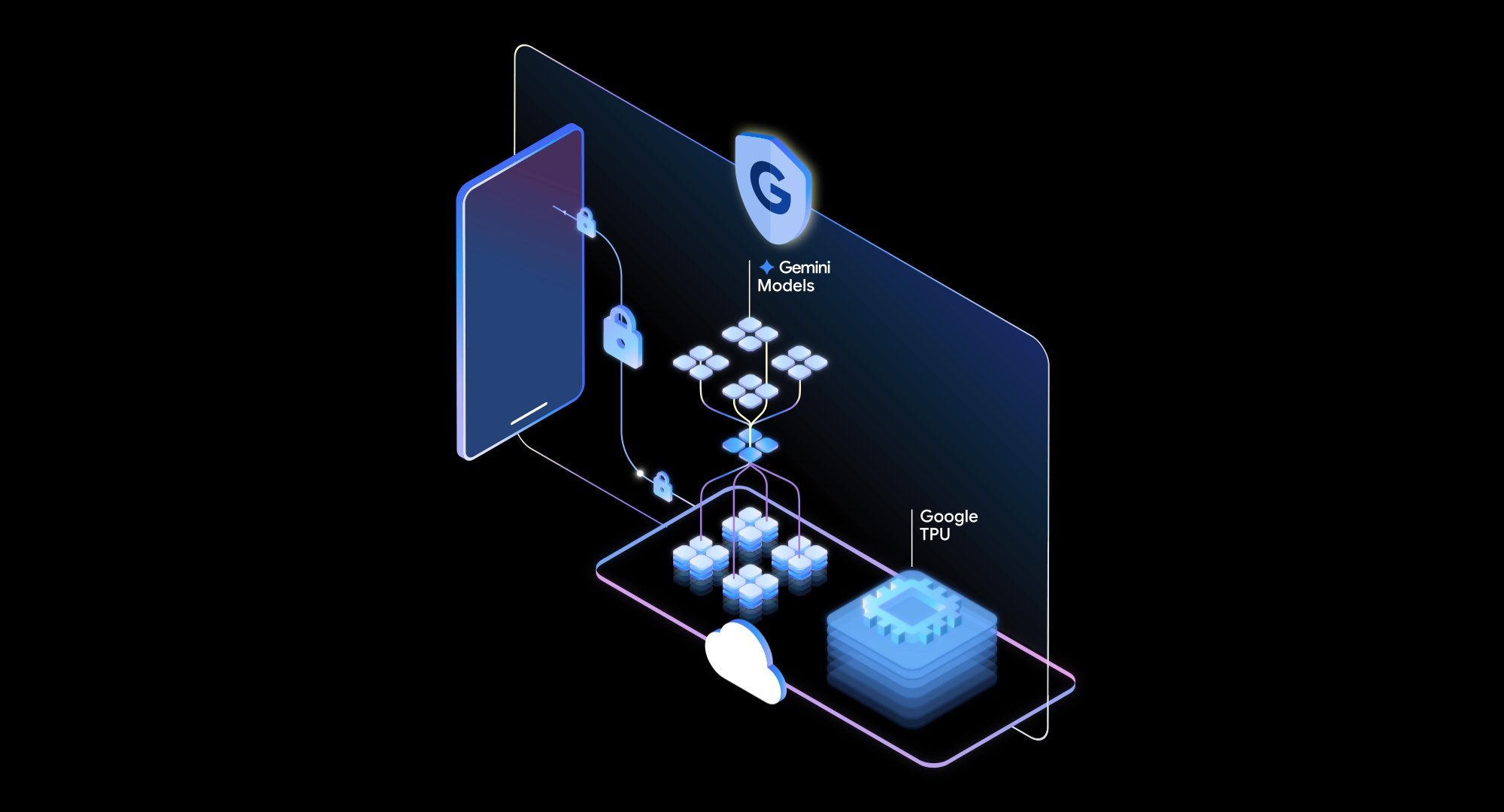
The platform combines the power of the Gemini models in the cloud with security guarantees comparable to those of on-the-mobile processing. With this, Google aims to enable faster and more helpful responses, contextual recommendations, and proactive tasks. without opening the door to unauthorized access to personal data.
This move comes after years of privacy enhancement technologies (PETs) and It's reminiscent of Apple's bet with its Private Cloud ComputeGoogle emphasizes that Private AI Compute is governed by its Secure AI Framework (SAIF), AI Principles and Privacy Principles, reinforcing a safety-by-design approach.
Layer by layer: architecture and security guarantees
Private AI Compute relies on an integrated Google technology stack with Custom TPUs and an architecture fortified by Titanium Intelligence Enclaves (TIE). Data is processed in isolated environments protected by hardware and encryption, so that no one—not even Google—can access the information in plain text, offering a protection against advanced espionage.
Access to that sealed environment is controlled by encryption and remote attestationThis process verifies the hardware and software status before allowing any transfer. This verification ensures that connections are only made to trusted instances and that processing occurs within the established security perimeter, helping to detect vulnerabilities. perimeter intrusion alerts.
The company define a "no access" policy: the Sensitive data sent to Private AI Compute remains accessible only to the user.This premise goes hand in hand with technical controls that limit system administration and prevent common escape routes.
Technical highlights
The models run on hard servers equipped with the latest Cloud TPUs (like Ironwood)capable of operating in massive clusters. To reduce the attack surface, Google has disabled shell access on these machines, preventing modifications to sensitive components that could compromise their integrity.
El traffic does not go directly to TPUs: before It passes through intermediate servers with AMD CPUs that use SEV-SNP to segment and encrypt memory, so that neither the hypervisor nor the operating system can decrypt it. This isolation mitigates side-channel attacks and protects information from the infrastructure operator.
To protect network identity, routing uses IP shielding relays which hide IP addresses, complicating the correlation of traffic with a specific user. Furthermore, the exchange is secured with modern protocols and code integrity controls such as binary authorization.
First features: Pixel 10, Magic Cue and Recorder
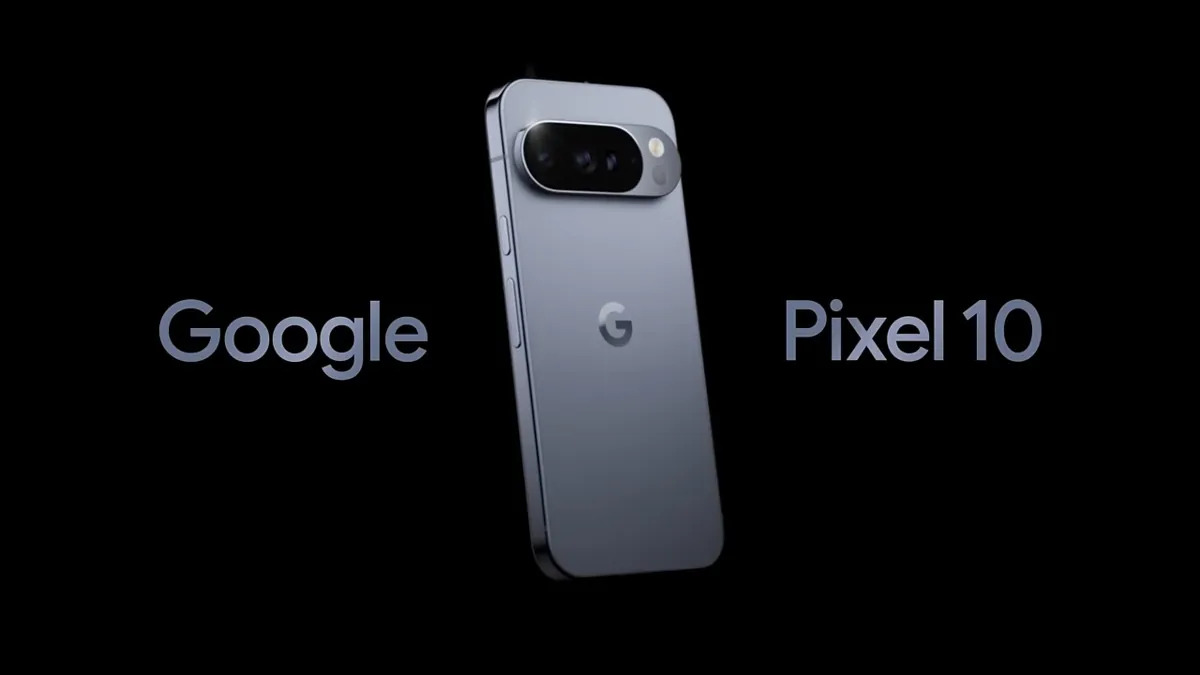
The initial adoption It arrives with the Pixel 10 familyMagic Cue, a feature that suggests content at the right time, now leverages Gemini's cloud-based reasoning capabilities through Private AI Compute, while lighter tasks still rely on Gemini Nano on the device.
According to Google, Magic Cue It appears in contexts such as conversations in Google Messages, the call screen, the Pixel Weather homepage with upcoming events, and the Gboard suggestions row. The goal is to offer more timely recommendations without exposing sensitive data outside the secure environment.
Another beneficiary is Recorder: the app Expand your transcript summaries to more languages thanks to cloud support, maintaining the same privacy barriersThese types of improvements show how more powerful features can be unlocked without sacrificing data protection.
Anyone who wants to check the use of Private AI Compute can enable developer options on Pixel and review the network activity log in Android System Intelligence, useful transparency for technical profiles.
What's under the hood and what's to come
Private AI Compute is the result of the joint work of Platforms & Devices, DeepMind and CloudIn addition to TIE and TPUs, Google mentions tools such as confidential computing sessions based on Project Oak and modern protocols (e.g., Noise) for secure communications.
The company has published a technical report with more details and emphasizes that this is only the first stageThe roadmap envisions useful, personalized, and proactive AI experiences for particularly sensitive cases, combining local and cloud models without data leaving the user's circle of trust.
The proposal places privacy at the center of the next wave of AI featuresA hardware-enhanced cloud environment with encryption and attestation for running advanced models, while Magic Cue and Recorder illustrate how this approach This can translate into tangible improvements in day-to-day operations without creating security vulnerabilities..

I am a technology enthusiast who has turned his "geek" interests into a profession. I have spent more than 10 years of my life using cutting-edge technology and tinkering with all kinds of programs out of pure curiosity. Now I have specialized in computer technology and video games. This is because for more than 5 years I have been writing for various websites on technology and video games, creating articles that seek to give you the information you need in a language that is understandable to everyone.
If you have any questions, my knowledge ranges from everything related to the Windows operating system as well as Android for mobile phones. And my commitment is to you, I am always willing to spend a few minutes and help you resolve any questions you may have in this internet world.