- Veo 3.1 incorporates native generation of 9:16 vertical video guided by reference images.
- The "Video Ingredients" feature enhances expressiveness, character consistency, and quality up to 1080p and 4K.
- The new features are integrated into YouTube Shorts, YouTube Create, Gemini, and professional tools on Google Cloud.
- The AI-powered vertical format opens up new possibilities for creators, brands, and startups on social media.
The push of Vertical video on social media This has led Google to take its Veo artificial intelligence model a step further. The company has strengthened I see 3.1 with new features focused on the 9:16 formatdesigned specifically for mobile devices and for platforms like YouTube Shorts, Instagram Reels or TikTok, where vertical consumption is already the norm.
With this update, the model goes from being a powerful but somewhat restricted tool in panoramic formats to to become a much more practical system for the day-to-day work of creatorsNow it's possible Generate native vertical videos from reference images, improving the expressiveness of the characters, visual coherence and final quality without the need to resort to cuts or subsequent manual edits.
What does Veo 3.1 bring to vertical video?
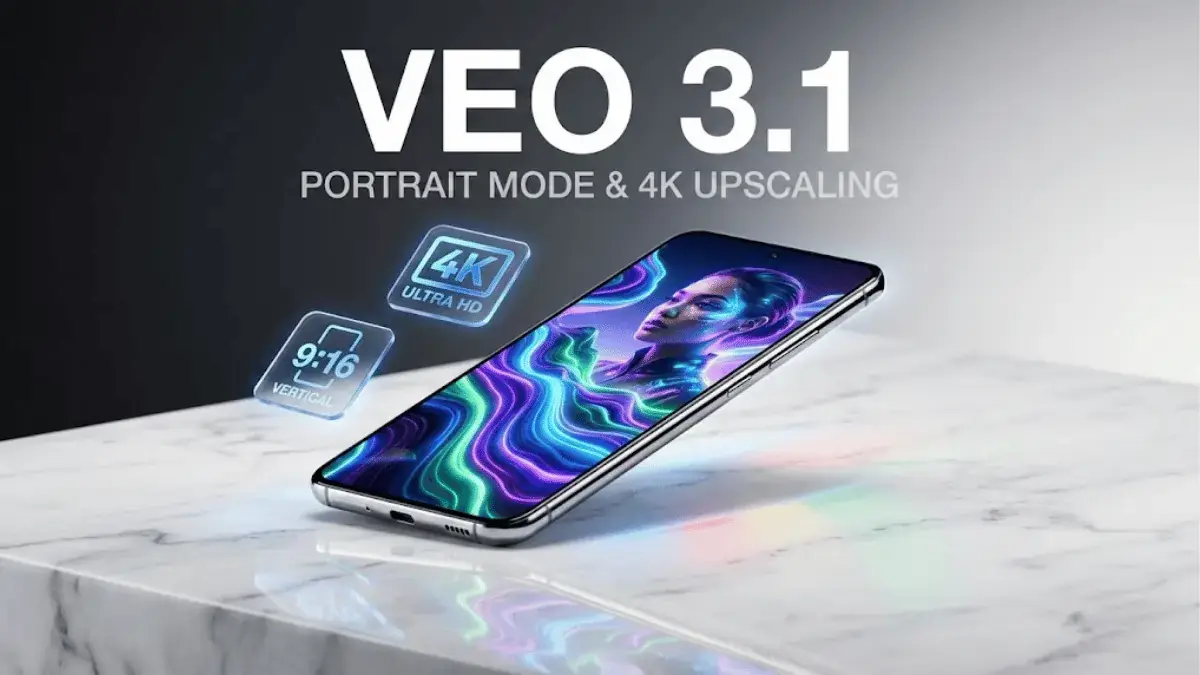
The main new feature of this version is that Veo 3.1 allows you to directly choose the 9:16 aspect ratio When working with reference images, something that until now required generating them horizontally and then adapting the material. The model understands from the beginning that The piece is designed to be viewed on a mobile phone in portrait mode.rearranging the scene so that everything fits into that narrow, tall frame.
According to Google, videos generated using this method turn out more expressive and dynamicwith visible improvements in facial expressions, body movements, and overall fluidity of action. The system Use reference images to better define the appearance of the characters and the environmentso that there are no abrupt changes or distortions between frames.
Another key aspect is the consistency between characters, backgrounds, objects, and texturesThe new version of Veo 3.1 reduces the typical continuity errors seen in some AI-generated videos, such as unexpected changes in clothing, strange variations in facial shape, or backgrounds that transform for no reason. The goal is that, even with shorter text cues, the scenes maintain a stable appearance.
Google has also activated an improved scaling system that allows for better results in 1080p and 4KAlthough in many cases This involves upscaling from material generated at a lower resolution.The extra processing helps to achieve a sharper image, making it more usable for productions that need a more professional finish.
Video Ingredients: Images that become vertical clips
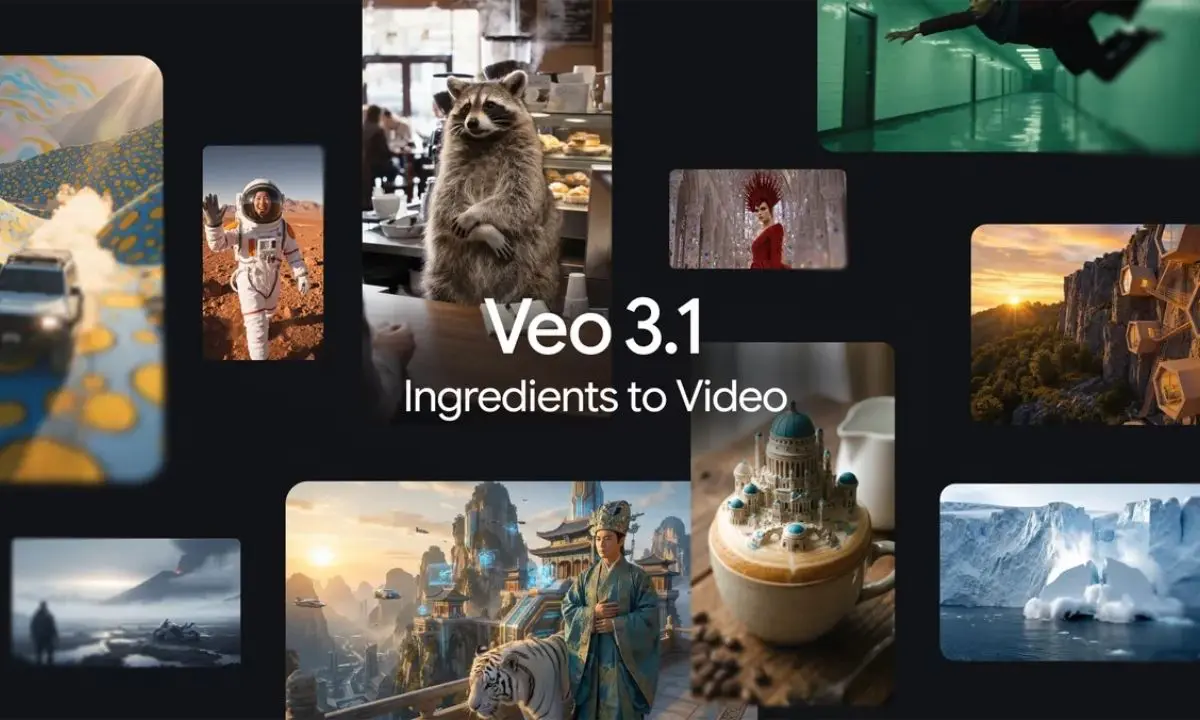
The function that changes the most with this update is the one known as «Ingredients for Video» (Ingredients to Video)Designed to generate clips from static images and short texts, this mode is particularly strengthened in Veo 3.1, as it receives full support for the vertical format.
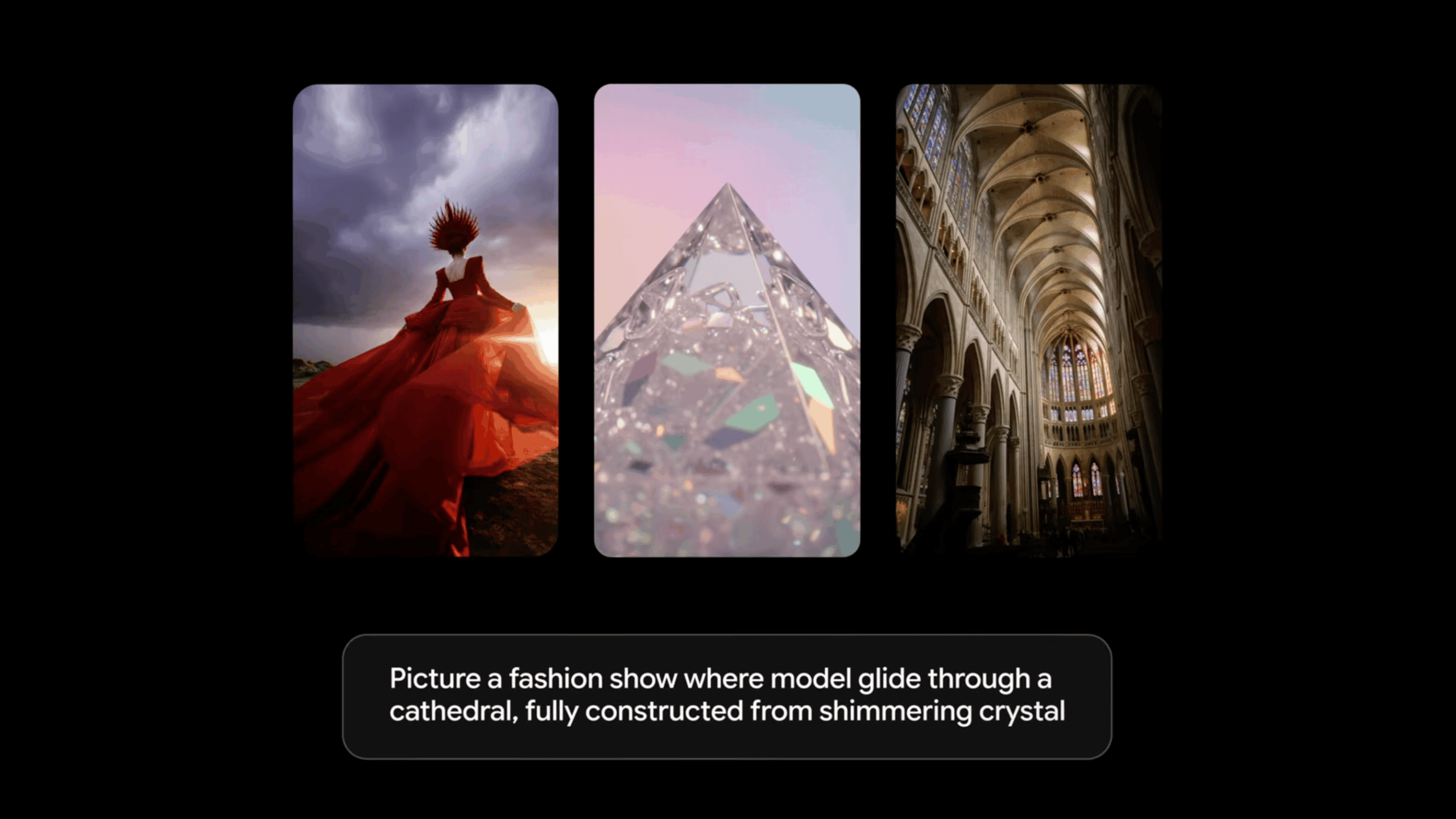
With this tool, users can upload one or more reference images so that the model can use them as the basis for the footage. From these references, the AI decides how the characters should move, how the camera behaves, and what type of transition occurs between scenes, always respecting the vertical framing and the indicated visual style.
Google indicates that it is possible to mix various characters, backgrounds and objects in a single project while maintaining a consistent result, which is useful for creators who want to reuse elements across multiple clips. This consistency is especially valuable for brands, advertising campaigns, or short series designed for Shorts, Reels, or TikTok.
The company itself admits that one of the common problems in AI-powered video generation was sudden shape changes, or what is known as morphing unintentional. In this version, the Veo 3.1 engine has been adjusted to offer more natural transitions and greater visual stability, which makes the resulting pieces more like a traditional editing job.
In practice, this means that a creator can start with a few well-chosen images and a relatively short text and obtain a Vertical clip ready to publish, without needing to master complex post-production tools or dedicate extra time to cutting and reframing the content.
Integration with YouTube Shorts, YouTube Create, and the Google ecosystem
To ensure these features don't remain merely technical demos, Google has opted to integrate them directly into its services most focused on short-form video. The option to create native image-based vertical videos arrives at YouTube Shorts The YouTube Create app already allows you to produce and upload mobile-optimized content in virtually the same workflow.
In addition to YouTube, the company has brought these capabilities to the app of GeminiIts assistant and AI modeling platform for the general public. From there, users can access Veo's vertical mode and the improved version of Ingredients to Video without having to use more technical tools. For those who just want to experiment or create quick content for social media, this integration greatly simplifies the process.
In the professional sphere, the improvements of Veo 3.1 are made available to developers and companies through Flow (or Move, according to internal terminology)Google's video editor, geared towards production workflows, as well as the Gemini API, Vertex AI, and the Google Vids tool, open the door to integrating AI-powered vertical video generation into more complex pipelines, for example, in agencies, production companies, or marketing departments.
Google highlights that, in the Google Cloud part, scaling to 1080p and 4K It is available to those working with Vertex AI and the Gemini API, so that these generated clips can be incorporated into larger projects without significantly compromising image quality.
In Spain and the rest of Europe, where the professional use of Google's cloud tools is quite widespread, this integration can make it easier for companies to advertising, media and startups Start experimenting with AI-generated content tailored to mobile from the ground up, without changing your technology provider.
Access, prices and target audiences
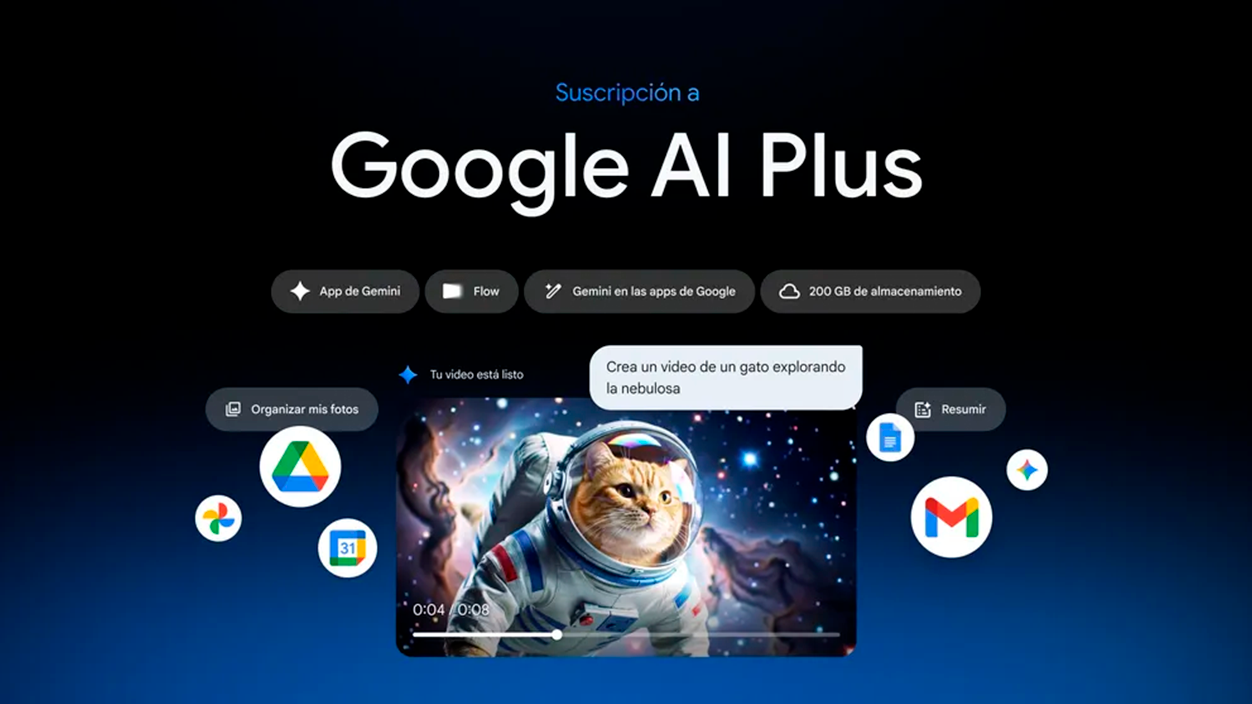
Although the Veo 3.1 update includes options clearly designed for the average social media user, not all features are included in the basic plans. To access the most advanced capabilities—such as intensive use of Ingredients to Video vertically or certain levels of quality and resolution—it is necessary to purchase high-end subscriptions within Google One.
Among the options the company mentions are plans such as Google AI Plus, AI Pro or AI Ultra, aimed at users who make intensive use of AI or who need more consistent results for their work. The most economical plans, for now, They do not include all the possibilities of the new version of Veo, which creates a certain barrier to entry for creators who are just starting out.
Even so, Google is opening up some of these features through the Gemini app and its integration with YouTube, so that those who create content more sporadically can Test vertical video generation with reference images without needing to immediately switch to a high-cost subscription. This strategy It seeks a balance between popularizing technology and keeping services designed for professional use distinct..
In the European context, where there is ongoing debate about the cost and accessibility of AI tools, this mixed approach may generate conflicting opinions: on the one hand, it democratizes basic access; on the other, it... More powerful features are reserved to those who can afford higher monthly fees.
For many independent creators and small businesses in Spain, the key will be to verify if the advantages in time savings and reduced production costs They compensate for the investment in these advanced plans, especially in sectors with tight margins.
Impact for creators, startups and brands in Spain and Europe
The turn towards the AI-generated vertical video This aligns with the reality of the Spanish and European markets, where mobile content consumption far surpasses that of desktop computers. Platforms like TikTok, Reels, and Shorts concentrate a large part of the young audience, and brands have been trying for some time to adapt to this fast-paced, visual language.
For startups and small teams, the ability to create high-quality vertical clips from a few images and a short text This can make a significant difference. Instead of relying on physical filming, camera equipment, and longer editing processes, much of the promotional or educational content could be generated directly from tools like Veo 3.1.
There are also implications for media outlets and production companies working with short formats. The improvement in the consistency of characters and settings For example, it facilitates the creation of series of micro-videos with the same visual style, something that can be used both in advertising campaigns and in narrative projects designed for social networks.
However, these possibilities come with some caveats. The intensive use of generative models raises questions about rights, transparency, and information quality, especially in Europe, where AI regulation is stricter. The fact that Veo 3.1 is integrated into professional tools like Vertex AI means that companies will have to pay attention to how they manage authorship, content licensing, and human oversight.
Despite these reservations, the update reinforces the idea that AI-generated vertical video is not a passing fad, but an element that It is beginning to become part of the workflows of creators, agencies, and companies that operate in the European digital environment.
With this evolution of Veo 3.1 geared towards vertical format and image-guided creationGoogle is reinforcing its commitment to a type of video that perfectly aligns with current consumption habits: short, mobile-friendly pieces ready to be distributed across multiple platforms without intermediate editing steps. The combination of YouTube and Gemini integration, improvements in expressiveness and visual consistency, and upscaling options up to 4K positions this model as a tool to consider for both advanced users and professionals who want to incorporate AI into their audiovisual projects without sacrificing control over the final product.

I am a technology enthusiast who has turned his "geek" interests into a profession. I have spent more than 10 years of my life using cutting-edge technology and tinkering with all kinds of programs out of pure curiosity. Now I have specialized in computer technology and video games. This is because for more than 5 years I have been writing for various websites on technology and video games, creating articles that seek to give you the information you need in a language that is understandable to everyone.
If you have any questions, my knowledge ranges from everything related to the Windows operating system as well as Android for mobile phones. And my commitment is to you, I am always willing to spend a few minutes and help you resolve any questions you may have in this internet world.