- LG is adding Microsoft Copilot to TVs with webOS through updates that are installed automatically.
- The application behaves like bloatware: it cannot be uninstalled, only hidden from the home screen.
- The same update activates Live Plus by default, which analyzes viewed content to deliver personalized ads.
- Users in Spain and Europe question the lack of control, transparency, and respect for privacy in these AI integrations.

The LG smart TVs with webOS has become the new showcase for Microsoft Copilot's artificial intelligenceBut not exactly in a discreet way. In recent weeks, numerous complaints have appeared in forums, social networks, and tech communities about a software update that automatically installs the Copilot app and without a clear way to eliminate it afterwards.
The movement has reopened the debate in Spain and the rest of Europe about to what extent can a manufacturer transform a product already sold through upgradesincorporating services that the buyer has not requested and that, moreover, raise serious concerns regarding privacy and data use. For many users, This is yet another case of bloatware, this time installed directly in the living room.
Copilot lands on webOS without asking permission and without an uninstall button
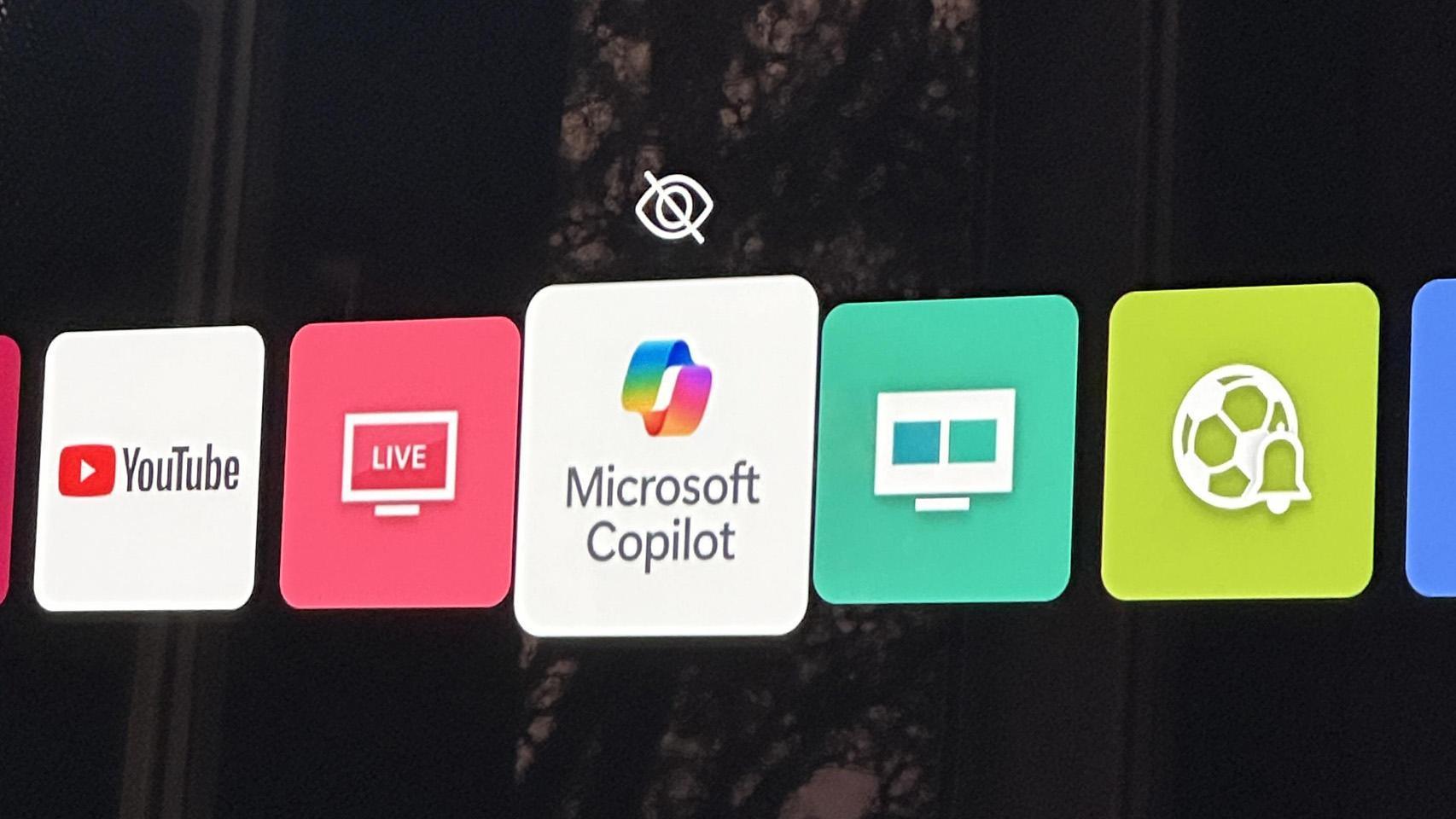
The controversy begins with a new version of webOS firmware for select LG TVswhich has been gradually rolling out to various recent models. After completing the update, the user finds the Microsoft Copilot icon placed in the taskbar, alongside familiar services like Netflix or YouTube, without any prior specific notification about its installation.
The detail that has ignited the community is that Copilot does not offer any official uninstallation option.In the application manager of the latest versions of webOS, the tool behaves like a system app: it can be moved, hidden, or pinned, but not deleted. There's no way to free up the space it occupies or completely remove it from the TV.
Users of forums like Reddit, especially in technology subreddits, explain that they have tried everything: To restore the TV to factory settings, review each section of advanced settings. or even temporarily disconnect the device from the network to see if the icon would disappear. None of this works; Copilot reappears once the settings are restored and the device reconnects.
This experience aligns with what LG's own support documentation states, which indicates that Certain pre-installed webOS applications cannot be removedUntil now, that group usually included basic system apps or brand-specific services; with this update, Copilot becomes part of that closed list.
The feeling among many European homeowners is that it has been introduced software imposed without clear and granular consentThe general terms of use may allow LG to add features through updates, but the fact that the user cannot uninstall a third-party app is what is being questioned most strongly.
Privacy under scrutiny: the role of Live Plus and content tracking
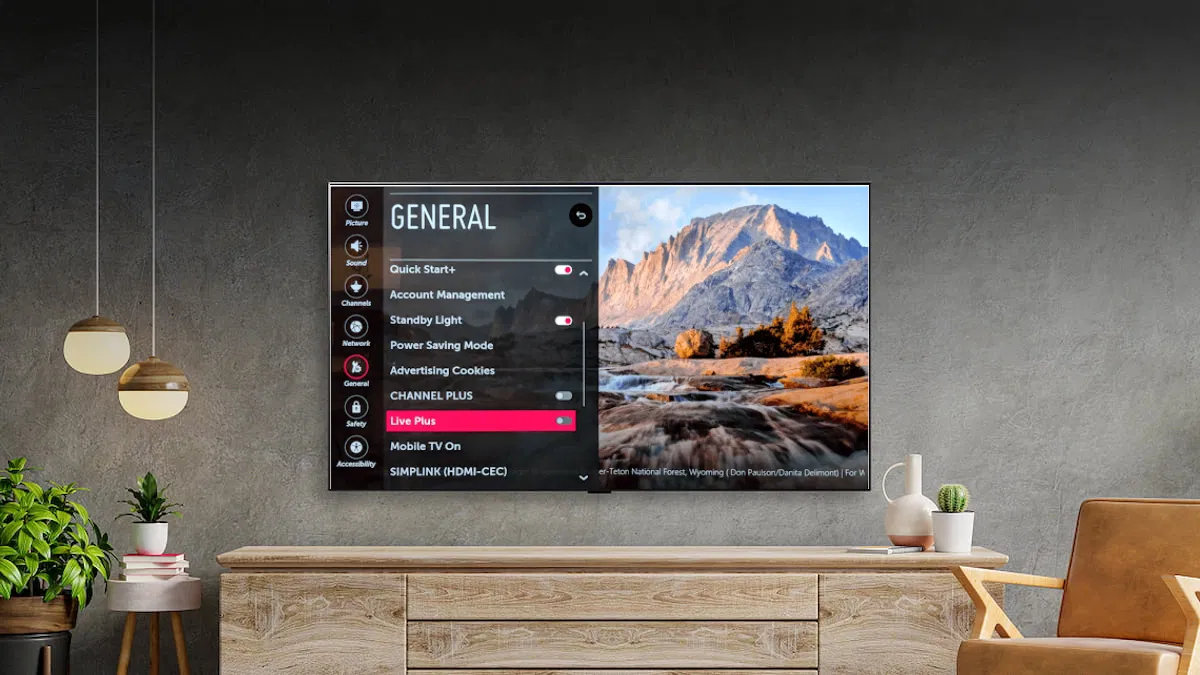
The arrival of Copilot hasn't been isolated. Several users have noticed that, along with the new app, LG televisions have activated by default a function called Live Plus, intended for to analyze in real time what is being displayed on the screen to offer personalized recommendations and advertising.
According to LG's own explanations in its help menus, with Live Plus active the TV can to collect information about the content viewed and consumption habits from the user. This data is supposedly used to improve the viewing experience, adjusting movie and series suggestions, and to show ads tailored to the detected interests.
In practice, many owners interpret this combination of permanent AI assistant and content recognition system as a form of opaque surveillance within the home. The concern is particularly intense in Europe, where there is growing sensitivity towards the processing of personal data and targeted advertising.
The only relevant difference compared to Copilot is that Live Plus can be disabled from the settingsIn models sold in Spain and other European countries, it is possible to access the menu of Settings > General > Additional settings (the path may vary depending on the model) and uncheck the Live Plus option to prevent the TV from continuing to analyze the played content.
Even so, consumer associations and data protection experts have long warned that the commercial exploitation of the information generated by Smart TVs It's intensifying. The default activation of tracking features and the imposition of new apps without the option to opt out fuel the perception that the television business is no longer limited to selling the device, but to the continuous monetization of its use.
Microsoft's strategy: Copilot on any screen, also in Europe
To understand the context, we need to look at Microsoft's roadmap. After being one of OpenAI's first strategic partners and betting heavily on GPT generative AI modelsThe company has been extending Copilot to almost all of its products: Windows, Office, cloud services and even mobile applications.
Televisions with webOS represent a new front in that expansion. LG announced earlier this year a dedicated artificial intelligence section in their Smart TVsThe announcement promised access to Copilot to help users find and organize complex information from their television. This collaboration joins other joint projects, such as the arrival of cloud gaming services linked to the Microsoft ecosystem.
The goal for the Redmond company is clear: Increase the presence of your assistant on all home devicesnot only on computers or mobile devices. Every connected TV becomes a new entry point to Copilot, expanding its market share in the AI sector and strengthening its position against other assistants.
However, many Spanish and European users question the practical usefulness of a text chatbot in an environment where Typing with the remote control is slow and cumbersomeAlthough Copilot opens as a web access point or as an adapted interface, the experience of typing queries from the living room is not comparable to that of a computer or a smartphone.
This clash between corporate strategy and the actual use the public makes of the device fuels the feeling that The priority is to be present and collect data.Rather than addressing a clear end-user need, in fact, some voices in Spain are already calling on data protection authorities to thoroughly investigate how these AI integrations are being implemented in home devices.
Reactions: between weariness with bloatware and concern about data
Complaints about LG Copilot have gained visibility thanks to viral threads on Reddit, where Users from different countries share screenshots and similar experiencesOn subreddits like r/mildlyinfuriating, comments are piling up from owners who don't understand why their TV installed an AI app without asking them and, moreover, prevents them from removing it.
Some of the messages insist that the problem is not so much the existence of Copilot as the way it has been introducedSeveral users acknowledge that they would have no problem with the app being available in the webOS store as an optional download, as long as it was possible to install and uninstall it at will, like any other service.
What's most irritating is the old specter of bloatware: Pre-installed software that takes up space, resources, and visual space in the interface without the user having requested it. Many recall similar practices on mobile phones and computers, where manufacturers and operators filled devices with promotional apps that were difficult to delete, and see this as another step in the same direction.
Another set of criticisms focuses on privacy. The combination of an AI app with potential access to microphone and usage data, along with a system like Live Plus that monitors the content played to adjust adsThis generates distrust. Some comments mention a "feeling of constant surveillance" that discourages people from connecting their televisions to the internet.
So far, neither LG nor Microsoft have offered one in Europe. a detailed public response that addresses these concernsSome specialized media outlets claim to have contacted the South Korean company to request explanations about the inability to uninstall Copilot and the default activation of Live Plus, but, for the moment, no changes to the update policy have been announced.
What options do owners of an LG television with webOS have in Spain and Europe?
Given this scenario, the options available to the average user are limited. The most drastic measure involves Disconnect your TV from the internet or block automatic updatesso that no unwanted new features are downloaded, whether related to Copilot or other similar services.
The problem is that this strategy also prevents receiving security fixes and stability improvements which are usually included in firmware updates. Keeping the TV "frozen" on an older version of webOS can leave it exposed to vulnerabilities that have been fixed in later versions, which is not recommended for a connected device.
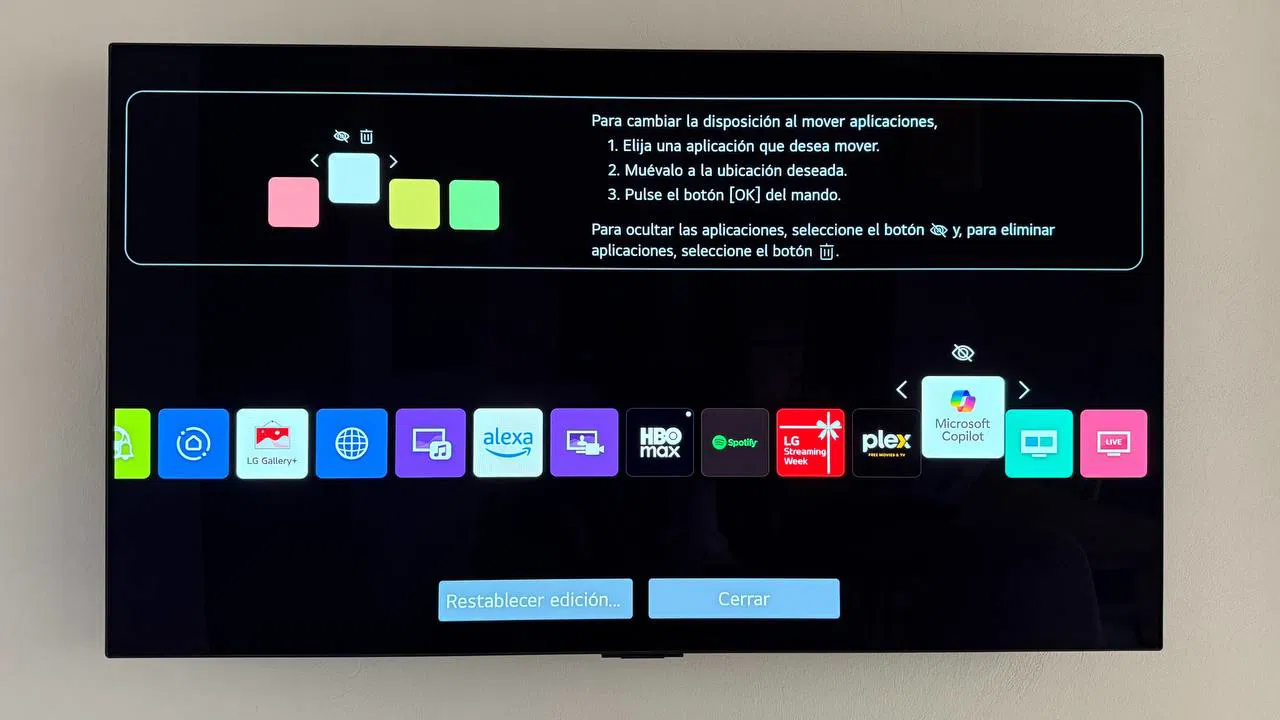
Therefore, the intermediate option most discussed in European forums is Keep your TV updated, but minimize the impact of Copilot and Live Plus.In practice, this involves going into the application manager to hide the Microsoft Copilot app from the home screen, and then disabling Live Plus in the general settings menu to stop it from analyzing what you see.
This combination doesn't solve the underlying problem—Copilot remains installed and taking up space—but it allows reduce its visible presence and curb content tracking for advertising purposesAdditionally, it's advisable to carefully review all the privacy settings in webOS, unchecking any permissions that are not essential for everyday use of the television.
Some Spanish landlords are also pointing to the institutional route: if complaints continue to grow, it wouldn't be surprising if European data protection bodies or consumer associations They are interested in this practice and are asking for more transparency about what information is collected, how it is processed, and to what extent the user can refuse these integrations.
The arrival of LG Copilot on TVs with webOS demonstrates how the race to bring artificial intelligence to every home device is on. This clashes directly with the expectations of control and privacy of many users.While Microsoft and LG seek to strengthen their position in the AI market, a significant portion of the public is demanding something as simple as being able to decide which applications they want—or don't want—on their television and how the data it generates each time they turn it on is used.

I am a technology enthusiast who has turned his "geek" interests into a profession. I have spent more than 10 years of my life using cutting-edge technology and tinkering with all kinds of programs out of pure curiosity. Now I have specialized in computer technology and video games. This is because for more than 5 years I have been writing for various websites on technology and video games, creating articles that seek to give you the information you need in a language that is understandable to everyone.
If you have any questions, my knowledge ranges from everything related to the Windows operating system as well as Android for mobile phones. And my commitment is to you, I am always willing to spend a few minutes and help you resolve any questions you may have in this internet world.