- Using your phone one hour before bed increases the risk of insomnia by 59% and reduces sleep by about 24 minutes each night.
- No matter what activity is being done on the screen, the determining factor is the amount of time spent in bed.
- Blue light and notifications directly affect circadian rhythms, impeding melatonin production and disrupting sleep.
- Experts recommend avoiding screens one hour before bedtime and keeping your phone away from your body at night.

It's common to end the day scrolling through social media, watching videos, or answering texts on your phone just before bed. Although this routine may seem harmless, More and more studies show that this practice can have real negative consequences on our sleep and health. in general.
Using a cell phone in bed directly affects the quality and duration of your night's rest. Recent research has shown that this behavior not only delays sleep onset, but also reduces its duration and can increase the likelihood of insomnia.
An hour of screen time can make a difference
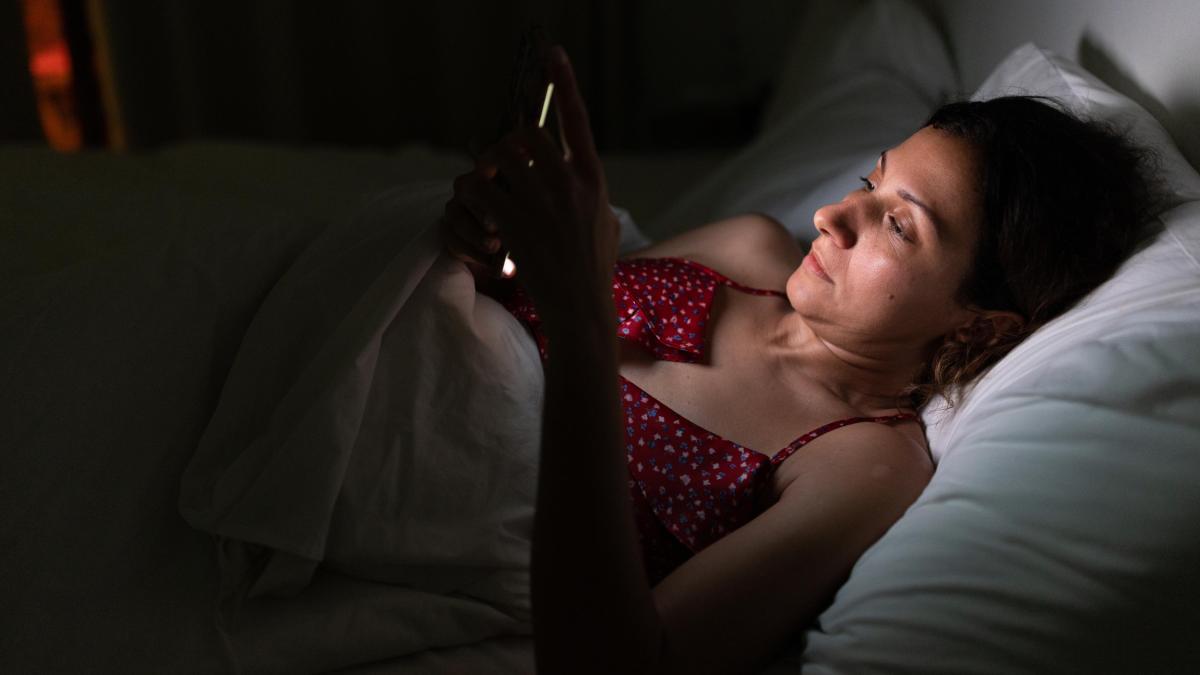
One of the largest studies to date, sponsored by the Norwegian Institute of Public Health, surveyed more than 45.000 people aged 18 to 28 to analyze their bedtime mobile phone usage habits and their impact on sleep. The results were overwhelming: using a mobile phone in bed for at least an hour It increases the risk of insomnia by 59% and reduces the rest time by approximately 24 minutes per night..
Not only that, but The effect was independent of the type of activity performed with the device. Whether watching videos, browsing the internet, using social media, or reading, all screen-related behaviors showed a similar relationship with sleep quality. This underlines the need to review digital habits.
Excessive screen time shifts bedtime, ultimately reducing sleep hours without necessarily increasing the feeling of wakefulness or alertness. That is, we gain nothing but less rest.
Mechanisms by which mobile phones harm our rest
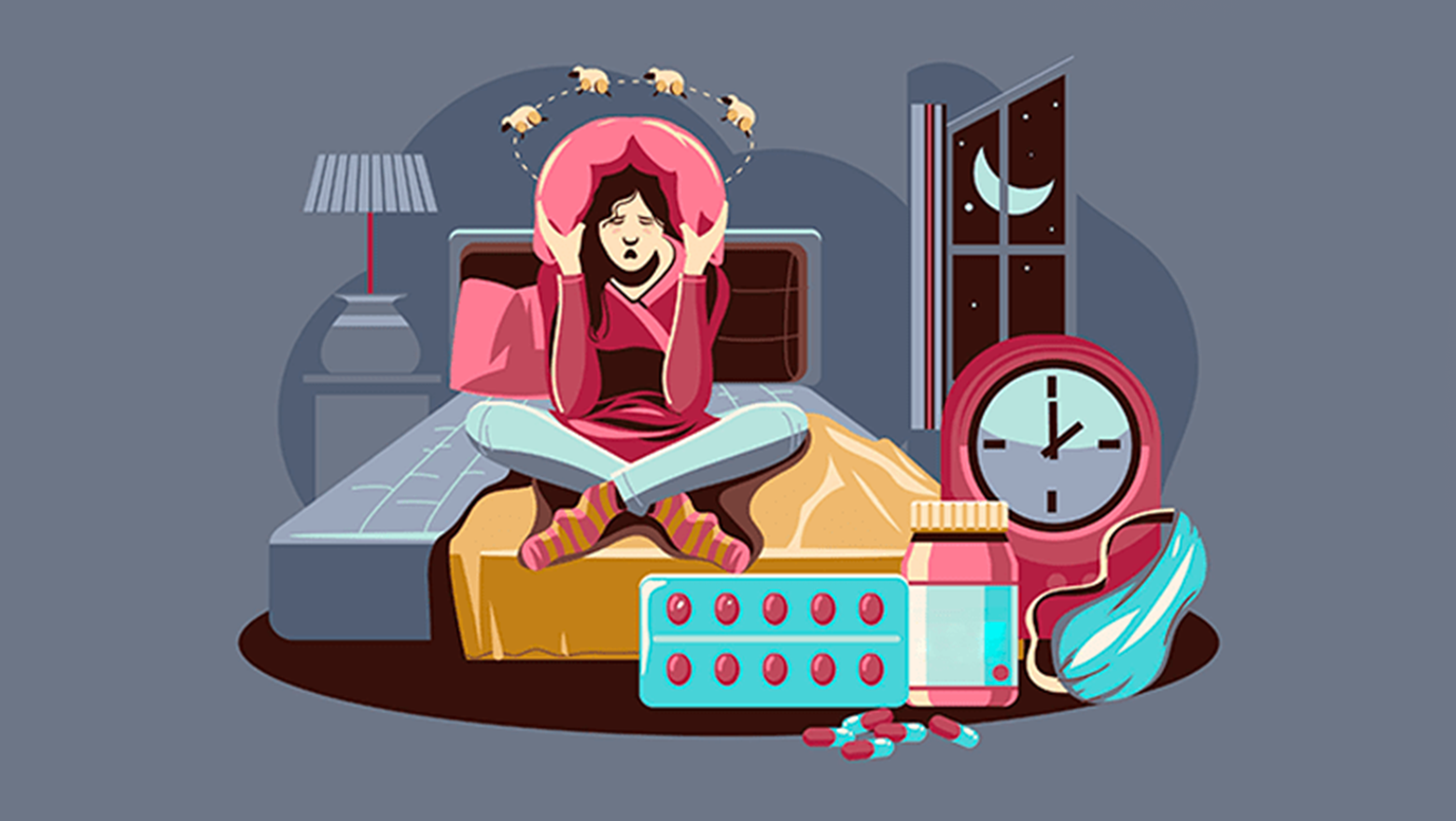
Several factors explain why using a mobile phone in bed affects our rest so much.. First, there is the blue light emitted by screens, which interferes with the natural production of melatonin, a key hormone in regulating sleep. Activate modes like "Do Not Disturb" during the night can help mitigate this problem.
BesidesConstant notifications can disrupt your sleep cycle at night., causing micro-awakenings that often go unnoticed but affect the overall quality of sleep. This phenomenon is especially detrimental when the phone is on the nightstand or even under the pillow.
Content also plays a role, as It is often stimulating or generates an emotional response (such as videos, messages, or online discussions), which keeps the brain active when it should actually be winding down. All of this delays the onset of sleep and makes it harder to switch off.
Does it matter what we do on our phones before going to sleep?
One of the big questions is whether the type of activity we do with our phones has a different impact. According to the Norwegian team's findings, No notable differences were observed between the effects of social media, watching TV series, playing games, or simply reading on a mobile phone. Any prolonged use had a negative impact. This shows that the prolonged use of screens is the real problem.
This suggests that The real problem is the prolonged time in front of the screen, and not so much what we do with it.Therefore, even seemingly relaxing activities like reading on a mobile phone can have an impact if done in front of a bright screen and just before bed.
Impacts on mental health and well-being
La The relationship between poor sleep and mental health is widely known., especially among young people and university students, where levels of academic stress, anxiety and even depression can increase without proper rest. Getting proper sleep is essential to avoid these problems..
The researchers of the study published in Frontiers in Psychiatry They emphasize that Frequent insomnia can affect concentration, memory and even academic performance.All of this is made worse if sleep deprivation is repeated night after night because of the cell phone.
This not only affects the academic environment, but also emotional and physical well-being, increasing daytime fatigue, irritability, and a greater susceptibility to illness.
Expert recommendations
Although many people are aware of the risks of using a cell phone in bed, it's not always easy to change these habits. Therefore, specialists offer a series of practical guidelines to improve sleep hygiene.
- Avoid using screens at least 30 to 60 minutes before bedtime.
- Leave your cell phone outside the bedroom or at least one meter away. out of bed.
- Activate modes like "Do Not Disturb" during the night to avoid interruptions.
- Establish a nightly routine to disconnect from technology to prepare the body and mind for sleep.
- Use a traditional alarm clock instead of your phone, to avoid the temptation of looking at the screen.
There are those who also They recommend starting a smooth transition to rest at least one hour before sleeping., turning off bright lights, avoiding intense conversations and gradually disconnecting from the digital environment.
It also affects adults
While much of the research focuses on young people, Adults are also harmed by this practice. Another study involving more than 120.000 US adults found that frequent screen use before bedtime It reduces the quality of sleep and has a more pronounced effect on those who tend to be more active at night. (evening chronotype). Control your sleep with apps It could be a good option.
Among these participants, Mobile phone use resulted in an average of 50 minutes less sleep per week, as well as a greater tendency to delay bedtime. Proof that this isn't a problem exclusive to the younger generations.
Changing habits is possible
Changing nighttime routines may require some effort at first, but experts insist it's possible and that improvements are quickly noticeable. In many cases, setting limits on cell phone use not only helps you sleep better, but also fosters a greater sense of control and personal well-being. Limit screen time It's an effective strategy.
Some people find it useful Set alarms that tell you when to stop using devices or use apps that block access to social media at night.These small gestures can make a noticeable difference in your daily rest.
Growing scientific evidence suggests that Using your cell phone in bed should be considered a habit to be reviewed. If you're having trouble sleeping, it's not just about avoiding blue light, but also about making up for the time meant for rest and allowing your body to enter a state of true relaxation.

I am a technology enthusiast who has turned his "geek" interests into a profession. I have spent more than 10 years of my life using cutting-edge technology and tinkering with all kinds of programs out of pure curiosity. Now I have specialized in computer technology and video games. This is because for more than 5 years I have been writing for various websites on technology and video games, creating articles that seek to give you the information you need in a language that is understandable to everyone.
If you have any questions, my knowledge ranges from everything related to the Windows operating system as well as Android for mobile phones. And my commitment is to you, I am always willing to spend a few minutes and help you resolve any questions you may have in this internet world.