- Facebook now allows you to log in with Passkeys on iOS and Android, improving security and password-free access.
- Passkeys use biometrics or PINs, and will soon be available for use in Messenger.
- More platforms like Google, Apple, and Microsoft already use passkeys, and the technology was promoted by the FIDO Alliance.
- Passkey management is done from the app's Accounts Center and does not eliminate other existing authentication methods.

Facebook takes a significant leap forward in terms of security by launching the Passkey support in your mobile appsThis system replaces the exclusive use of passwords with biometric authentication methods – either with the fingerprint, facial recognition or PIN –, strengthening account protection against attacks such as phishing or data theft.
The change comes in a context marked by the increase in fraud and account theft on social media. Now, Facebook users on iOS and Android devices will be able to set up and use passkeys to access their profile., without having to remember complex passwords or rely solely on two-factor authentication via SMS or email.
What is Facebook's passkey system?
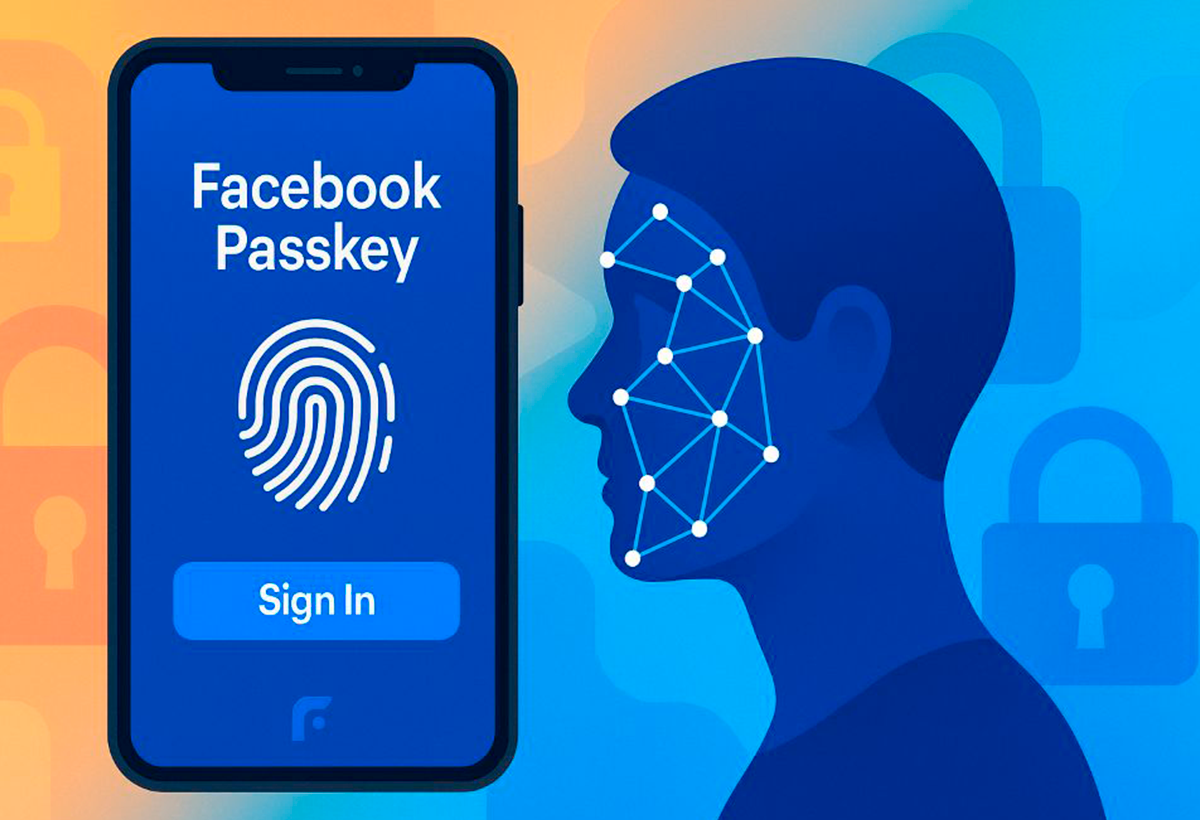
The implementation of passkeys on Facebook allows you to log in using biometric methods stored locally on your mobile phoneUpon login, the user authorizes access from their device using Face ID, Touch ID, or a PIN, preventing passwords or private data from being sent to Meta's servers.
Meta assures that The passkey can also be used for Messenger as soon as the feature is available, so It will not be necessary to create new credentials for each serviceThe goal is to provide a simpler experience and increase the level of protection for stored data, including payments made with Meta Pay and encrypted messages in Messenger.
La The technology behind the passkeys has been developed by the FIDO Alliance, an organization of which Meta is a part, and which is already used by other large companies such as Google, Apple, Microsoft, Amazon and PayPal.
Advantages: comfort and safety compared to classic failures
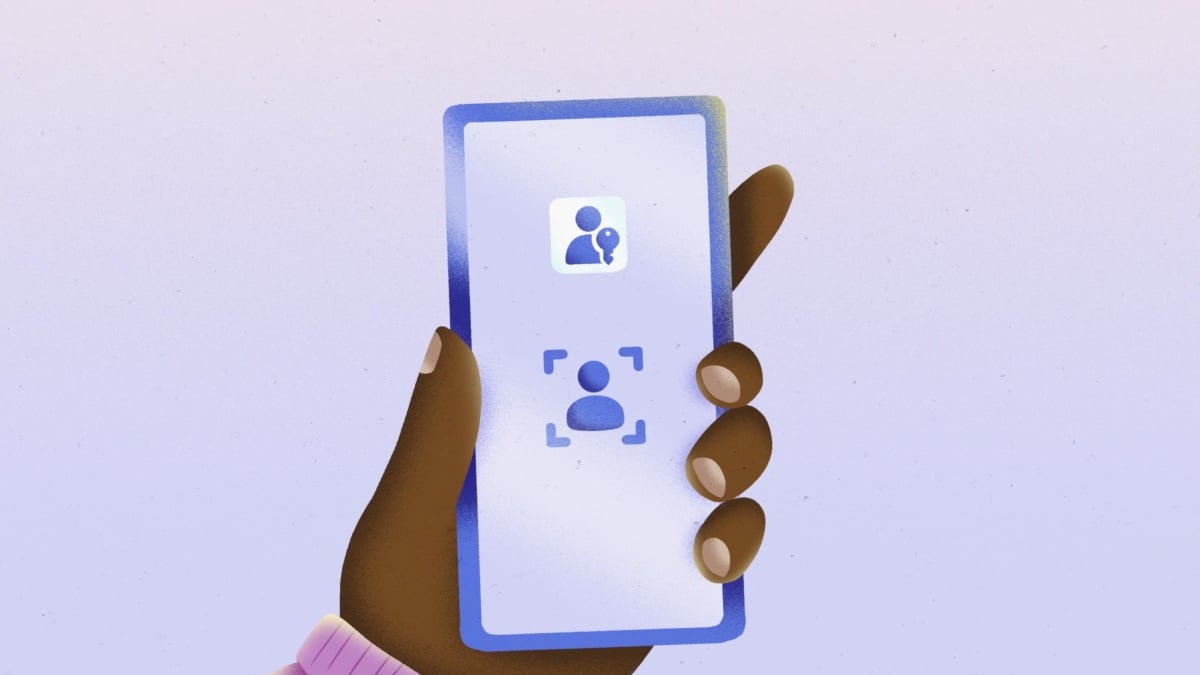
The push for passkeys aims to address the common problems with passwords: forgetting them, reusing them across different services, and vulnerability to attacks. With Passkeys, biometric data never leaves the device. and are not transmitted to Facebook, minimizing the risk of interception or impersonation.
In addition, the system is resistant to techniques such as phishing or brute-force attacks. Even if an old password is accidentally shared, Without the device configured for the passkey, no one else could access it. to the account.
Another relevant novelty is that the passkeys will allow you to fill in payment information automatically By using Meta Pay, you can simplify your shopping and avoid having to enter data manually each time.
How to activate and manage passkeys on Facebook
To take advantage of this new feature, users have to go to the section of "Accounts Center" within the app settingsThere you will find the option to configure and manage your passkey, following the steps on the screen. The system will ask for one last login with the traditional password before associating the biometric key or PIN with the profile.
Once configured, The passkey will become the primary authentication method on that device. However, Facebook will continue to allow you to log in using the classic method. if accessed from an old mobile phone or from a device that is not compatible with passkeys.

A movement aligned with the technology sector
Facebook's push for passkeys follows in the footsteps of other technology companies that have invested heavily in this type of authentication. Google, Telegram and even X (formerly Twitter) have already made passkeys a standard on some of its platforms, and WhatsApp has also allowed its users to use this technology since 2024.
Recent research by the FIDO Alliance reflects that Nearly half of the top 100 websites have already adopted passkeys, and a considerable proportion of users have suffered some type of intrusion into their accounts due to failure or theft of conventional passwords.
This trend points to the fact that Passkeys could become the dominant method for protecting online profiles and transactions. in the short term, as it makes it easier for the user to maintain control and greatly simplifies the user experience.
The arrival of Passkeys on Facebook and Messenger represents a significant advance in security and convenience for users. The ability to log in using biometrics or PINs, rather than relying solely on passwords, can drastically reduce unauthorized access incidents and protect sensitive information such as payments or encrypted messages. Although the system will coexist with other authentication methods for the time being, all indications are that this technology will become increasingly common on major digital platforms.

I am a technology enthusiast who has turned his "geek" interests into a profession. I have spent more than 10 years of my life using cutting-edge technology and tinkering with all kinds of programs out of pure curiosity. Now I have specialized in computer technology and video games. This is because for more than 5 years I have been writing for various websites on technology and video games, creating articles that seek to give you the information you need in a language that is understandable to everyone.
If you have any questions, my knowledge ranges from everything related to the Windows operating system as well as Android for mobile phones. And my commitment is to you, I am always willing to spend a few minutes and help you resolve any questions you may have in this internet world.