- Ubisoft cancels the Prince of Persia: The Sands of Time remake after years of troubled development.
- The decision is part of a global "reset" with six games cancelled and seven delayed.
- The company is reorganizing into five Creative Houses and cutting costs and staff in Europe and other territories.
- Ubisoft insists that the Prince of Persia saga is still alive despite the cancellation of the remake.
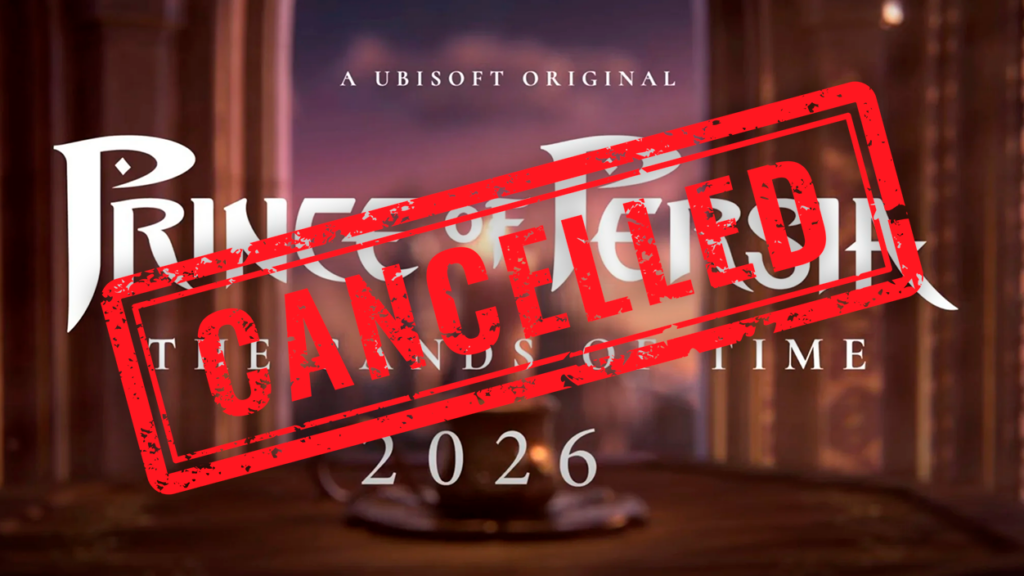
Fans had been waiting for years to walk the palace corridors again with the Prince, but the project has ended in the worst possible way: Ubisoft has definitively cancelled the remake of Prince of Persia: The Sands of Time What began as a love letter to one of the modern classics of video games has ended up becoming a symbol of a much deeper change of direction within the French company.
This shift didn't come out of nowhere. The decision is part of an aggressive restructuring of the group This strategy was designed to navigate an increasingly expensive and selective market for major releases. While some rumors were still circulating a few weeks ago about a possible surprise launch of the remake, the internal reality at Ubisoft was heading in a completely different direction.
From the dream Shadow Drop to the most painful cancellation
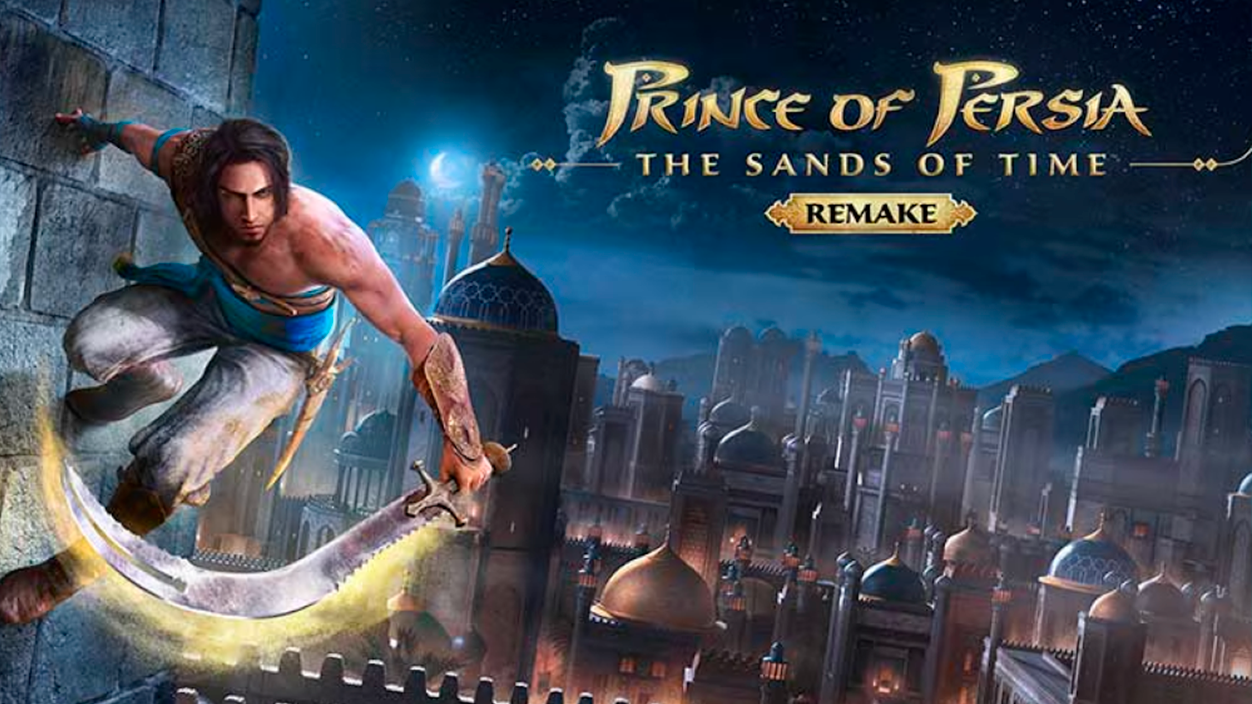
The project's trajectory has been anything but calm. Announced in 2020 As a faithful remake of the 2003 classic, the game was to be led by the studios of Ubisoft Pune and Ubisoft Mumbai with a planned release in 2021. The reception of the first trailer, however, was very lukewarm: the visual style and technical finish generated criticism, and it started there. the delays and changes of course .
In 2022, Ubisoft decided stop that version and restart development at Ubisoft Montreal The studio responsible for the original game. The idea was to move from a conservative remake to a more ambitious reinterpretation, with modifications to combat, parkour, the pace of the adventure, and even the narrative approach. On paper, it sounded like a top-notch relaunch of the franchise.
However, since that change of ownership, there has been almost complete silence. Only a small teaser in the summer of 2024, with a candle going out on screen It served as a reminder that the game was still alive… or so it seemed. That piece, instead of clearing up doubts, fueled the feeling that development was stalled.
Meanwhile, the community began to piece together clues that pointed to a possible imminent “shadow fall” even about How to unlock the secret level in Prince of Persia Among them was the update to the official website of the remake, where a file called "game-release-tomorrow.png" ("game launch tomorrow"), and the title's recent registration in age rating systems such as the ESRB, with a T (Teen) rating very similar to that of the original.
Even well-known voices in the leaks scene, such as insider Tom Henderson, went so far as to point to specific dates for a surprise release. Expectations soared to the point of placing the game's release within hours. Something that never came to pass. Shortly after, the Shadow Drop theory fizzled out: the game didn't appear, the official websites didn't change, and some social media users tried to debunk the theory of the mysterious image.
In this context, the announcement of the cancellation has been a real disappointment for the fans From a possible immediate release, it has gone to the confirmation that the remake will not see the light of day.
Six games cancelled, seven delayed, and a smaller Ubisoft
The cancellation of the remake is not an isolated case, but part of a global “reset” within Ubisoft Coinciding with the presentation of financial results, the company has announced a package of measures that includes cuts, studio closures and a thorough review of its project portfolio.
Specifically, the French publisher has canceled six games in development In addition to the remake of Prince of Persia: The Sands of Time, the following have been removed three new unannounced IPs A game designed for mobile devices and another project whose identity has not yet been revealed. The official message is clear: these titles did not meet the new quality standards nor did they fit with the more selective prioritization policy that Ubisoft wants to implement from now on.
Along with the cancellations, the company has decided delay seven more games Among them is an unannounced project that was planned for the current fiscal year and has now been moved to the next, pushing its launch closer to 2027. Industry insiders assume it could be the rumored [product/product/etc.]. remake of Assassin's Creed IV: Black Flag , also known internally as Black Flag Resynced, although Ubisoft has not confirmed it .
From the top management, the justification always revolves around the same axis: We have improved our quality standard And we want to ensure that teams focus on those projects with the greatest long-term potential.” Chief Financial Officer Frédérick Duguet emphasized that, with the current cost of AAA projects, it is necessary to be much more selective in choosing where to invest time and money.
These decisions have direct consequences for employment and structure. Ubisoft has closed its studios in Halifax (Canada) and Stockholm and has carried out layoffs at teams such as Abu Dhabi (Growtopia), RedLynx (Trials), and Massive (The Division). The company admits that the staff reduction and the concentration of resources are part of the same plan to cut costs and gain efficiency.
In Europe, this wave of adjustments is combined with the implementation of a mandate to return to in-person work five days a week with only a limited annual pool of remote work days for employees. This is a controversial measure that, according to Ubisoft, aims to strengthen coordination between teams at a time when it intends to accelerate production processes and decision-making.
A new internal map: Creative Houses and Prince of Persia role
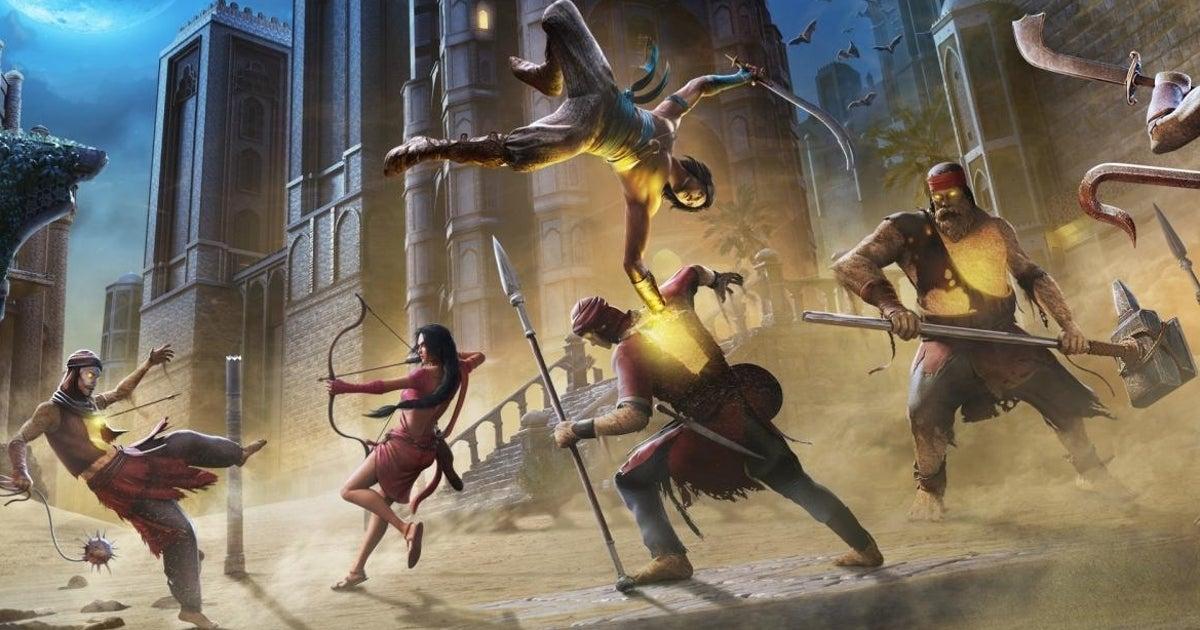
Beyond the specific projects, the multinational has decided reorganize its entire creative structure The group will now be organized into five major divisions, the so-called Creative Houses or Creative Houses, supported by an internal network of support studios.
The first of these houses is structured around the group's three major licenses Assassin's Creed, Far Cry, and Rainbow Six—which Ubisoft had previously transferred to its subsidiary Vantage Studios, in which Tencent holds a significant stake—represent the company's most strategic assets, playing a central role in its financial future.
The second house groups competitive and cooperative shooters with sagas like The Division, Ghost Recon, and Splinter Cell. The third focuses on online and service games , including titles such as For Honor, The Crew, Riders Republic, Brawlhalla or Skull & Bones, with a clear emphasis on experiences designed to last for many years through constant updates.
In this internal puzzle, Prince of Persia joins the fourth Creative House , dedicated to “fantasy worlds and narrative universes”. There It shares space with franchises like Anno, Rayman, Might & Magic or Beyond Good & Evil. According to Ubisoft, these units will have greater creative autonomy and decision-making power, within economic limits set by the parent company.
The fifth house, meanwhile, faces casual and family games with titles like Just Dance, Idle Miner Tycoon, Hungry Shark, Uno, or licenses based on third-party brands. The goal is to exploit the niche of products with quick access and a broad audience, both on consoles and mobile devices.
Cost cutting, financial impact, and a commitment to AI
Ubisoft's redesign isn't just creative: it's also clearly financial. The company has set itself a target for reducing fixed costs of around 500 million euros from 2022, with an initial tranche of 100 million to be reached before the end of the 2025-2026 financial year and an additional 200 million in subsequent years.
For the short term, the company has withdrawn its forecasts for 2026-2027 and revised its estimates downward. In the fiscal year ending in March 2026, Ubisoft expects revenues of around 1.500 billion euros This figure is significantly lower than what was projected a few months ago. Furthermore, it projects a negative operating result (non-IFRS EBIT) of around [amount missing]. -1.000 billion euros and a cash flow also in the red, between -400 and -500 million.
Paradoxically, these numbers come at a time when several of their recent releases and third-party deals have performed reasonably well. But management insists that The traditional model is no longer sufficient and that a major shake-up is needed to guarantee viability in the medium and long term.
Within this plan, Ubisoft has highlighted two open priority pillars: world adventures and games as a service (GaaS) In addition, the company will increase investment in “User-oriented” generative AI , a still vague formula that points to tools capable of adapting content and experiences to each individual, although for now no practical examples have been specified.
CEO Yves Guillemot defines this stage as “ a crucial and decisive point for Ubisoft ”, which is intended to “ reclaim creative leadership and build value for players and investors For the studies involved, however, the process translates into Role changes, closures, transfers, and more pressure for results This is something that will surely continue to generate discussion in Europe and the rest of the territories where Ubisoft has a presence.
The message to the fans: goodbye to the remake, but not to the saga
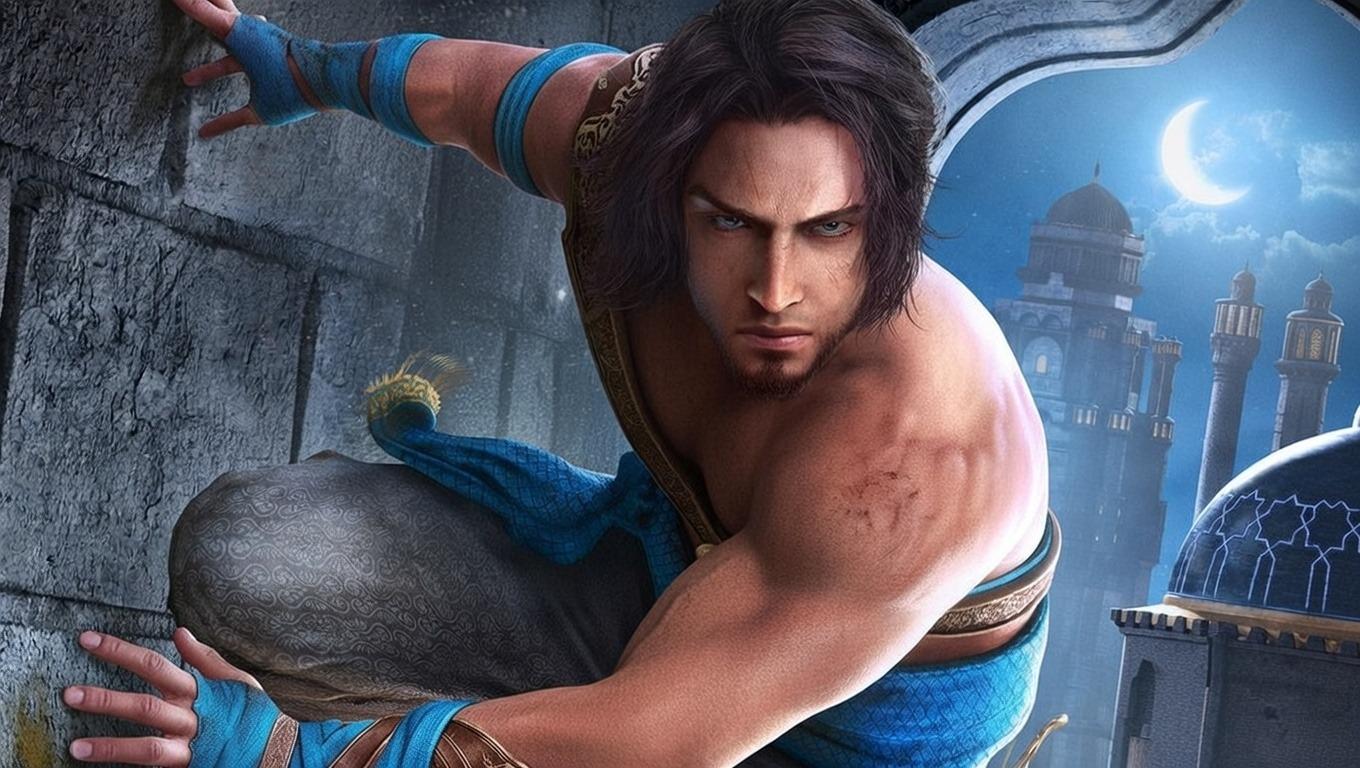
With the noise of restructuring in the background, Ubisoft wanted to address directly to the Prince of Persia community to explain the cancellation. In an official statement, the team involved admits that it is “a difficult and painful decision,” both because of what The Sands of Time means in the history of the medium and because of the work accumulated over years in different studios.
The company acknowledges that the project had potential, but insists that It did not reach the level of quality that they believe the saga deserves. Moving forward would have required more time and an even greater investment, something which, according to his own interpretation, was no longer responsible in the company's current context.
Ubisoft emphasizes that it preferred to avoid the launch of a remake that falls below its own creative and technical standards Even if it meant accepting the reputational cost of canceling a highly anticipated title. In other words, they opted for the lesser evil: losing a project, but avoiding a product that would damage the Prince of Persia brand.
At the same time, the editor insists that do not abandon the franchise In his message, he reiterates that the Prince of Persia universe remains important to the group, and that the cancellation of the remake does not mean the definitive end of the franchise. Without specifying any new developments, the statement suggests that Prince of Persia could reappear later in other forms, perhaps aligned with the new approach to narrative worlds and modern experiences.
Amidst expressions of gratitude for the players' patience and support, Ubisoft also acknowledges the disappointment generated after years of announcements, restarts and long silences For a large part of the European community, who experienced the 2003 original as one of the great standard-bearers of Ubisoft's most creative era, the feeling is that a golden opportunity to reconcile with that period has been lost.
In the end, the remake of The Sands of Time has become the perfect reflection of the moment the company is experiencing: A project with a rich history, caught between nostalgia and the new demands of an increasingly tough market With its cancellation, the Prince is once again left out of the spotlight, while Ubisoft is trying to rebuild its future through cuts, reorganizations, and calculated bets on large open worlds and long-duration games. Many fans will continue to turn to Prince of Persia cheats to relive classic moments from the saga, for now.
[related url="https://tecnobits.com/trucos-de-prince-of-persia-las-arenas-del-tiempo-remake-para-ps4-ps5-xbox-one-xbox-series-xsy-pc/»]

I am a technology enthusiast who has turned his "geek" interests into a profession. I have spent more than 10 years of my life using cutting-edge technology and tinkering with all kinds of programs out of pure curiosity. Now I have specialized in computer technology and video games. This is because for more than 5 years I have been writing for various websites on technology and video games, creating articles that seek to give you the information you need in a language that is understandable to everyone.
If you have any questions, my knowledge ranges from everything related to the Windows operating system as well as Android for mobile phones. And my commitment is to you, I am always willing to spend a few minutes and help you resolve any questions you may have in this internet world.