- Razer's concept headset with FPV cameras and a Snapdragon processor for real-time vision and context.
- Hands-free AI assistant compatible with platforms such as ChatGPT, Gemini, Grok or OpenAI, with audio-only responses.
- Near and far field microphones capture voice, dialogue and environment, enabling translation, task assistance and mobile support.
- A still conceptual project presented at CES 2026, with no confirmed release date or price for Europe or Spain.
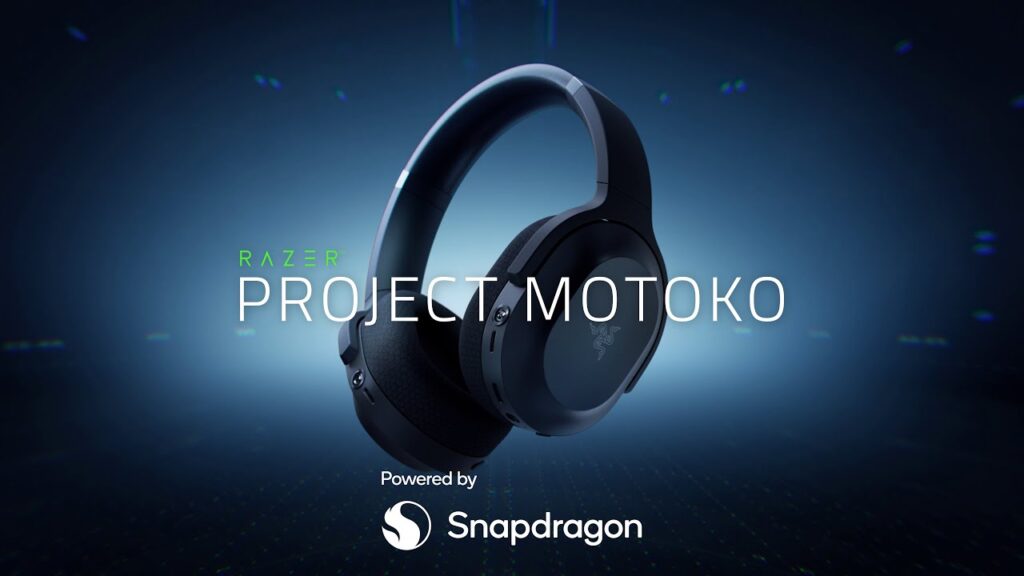
Within the framework of CES 2026 in Las VegasRazer has unveiled one of its most striking prototypes of recent years: Project Motoko, some wireless headphones with cameras and advanced artificial intelligence features Designed to accompany the user in their daily life. It is still a conceptual device, but it points to a type of portable computing very different from that of traditional smart glasses.
The company, known primarily for its PC and console peripherals, has fully embraced AI with a particular approach: instead of limiting itself to on-screen chatbots, it is betting on hardware with sensors capable of seeing and hearing its surroundings to offer real-time contextual help. In this context appears Motoko, a headset with native AI that wants to function as hands-free assistant in settings as varied as the kitchen, the gym, work, or play.
What exactly is Razer Project Motoko?
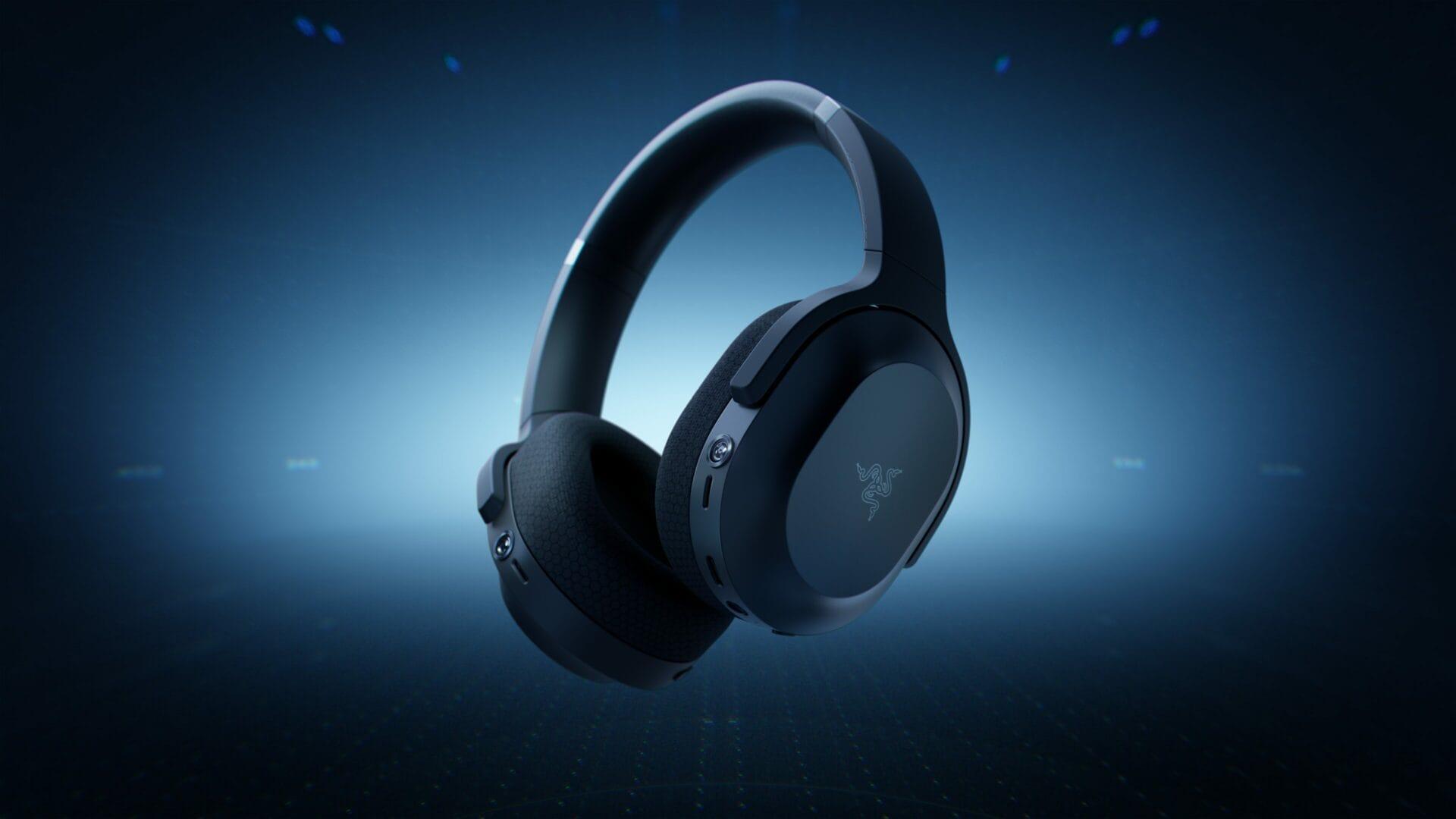
At first glance, Project Motoko is quite reminiscent of some Large Razer Barracuda, with a black finish and bulky comfort-oriented padsHowever, the resemblance ends there: each cup integrates a camera that aligns roughly with the user's eyes to offer a first-person view (FPV) of what is happening in front.
According to Razer, this approach turns the device into a kind of “second pair of eyes with stereoscopic precision”capable of measuring depth and locating objects with a level of detail that, in theory, surpasses normal human attention. The system maintains a broad field of attention, prepared to capture symbols, texts or elements that might be outside of peripheral vision.
Cameras don't work alone. Motoko incorporates multiple near and far field microphones designed to capture the user's voice, conversations taking place within the frame, and ambient sound. With this combination of image and audio, the device can offer a fairly comprehensive interpretation of the context in which we move.
Inside, the helmet rests on a Snapdragon processor to perform real-time vision and audio processing. Razer hasn't specified the model or provided details on memory or storage, but it does mention a platform ready for generative AI and to perform complex tasks without the user having to constantly interact with a screen.
How the built-in AI assistant works
One of Motoko's key strengths is that it doesn't rely on its own AI model. Razer has opted for a different approach. “agnostic” regarding platformsThe device can work with ChatGPT, Google's Gemini modelGrok, OpenAI, and other compatible servicesso that each user and each developer can integrate the solution that best fits their needs.
In practice, it's simple to use: the user activates the assistant by voice commands And, based on what the cameras and microphones capture, the system interprets the situation and returns Answers in audio format onlyThere are no screens, no projections on the lenses, and nothing that would draw too much attention in public, which makes it easier to go unnoticed compared to other more flashy wearables.
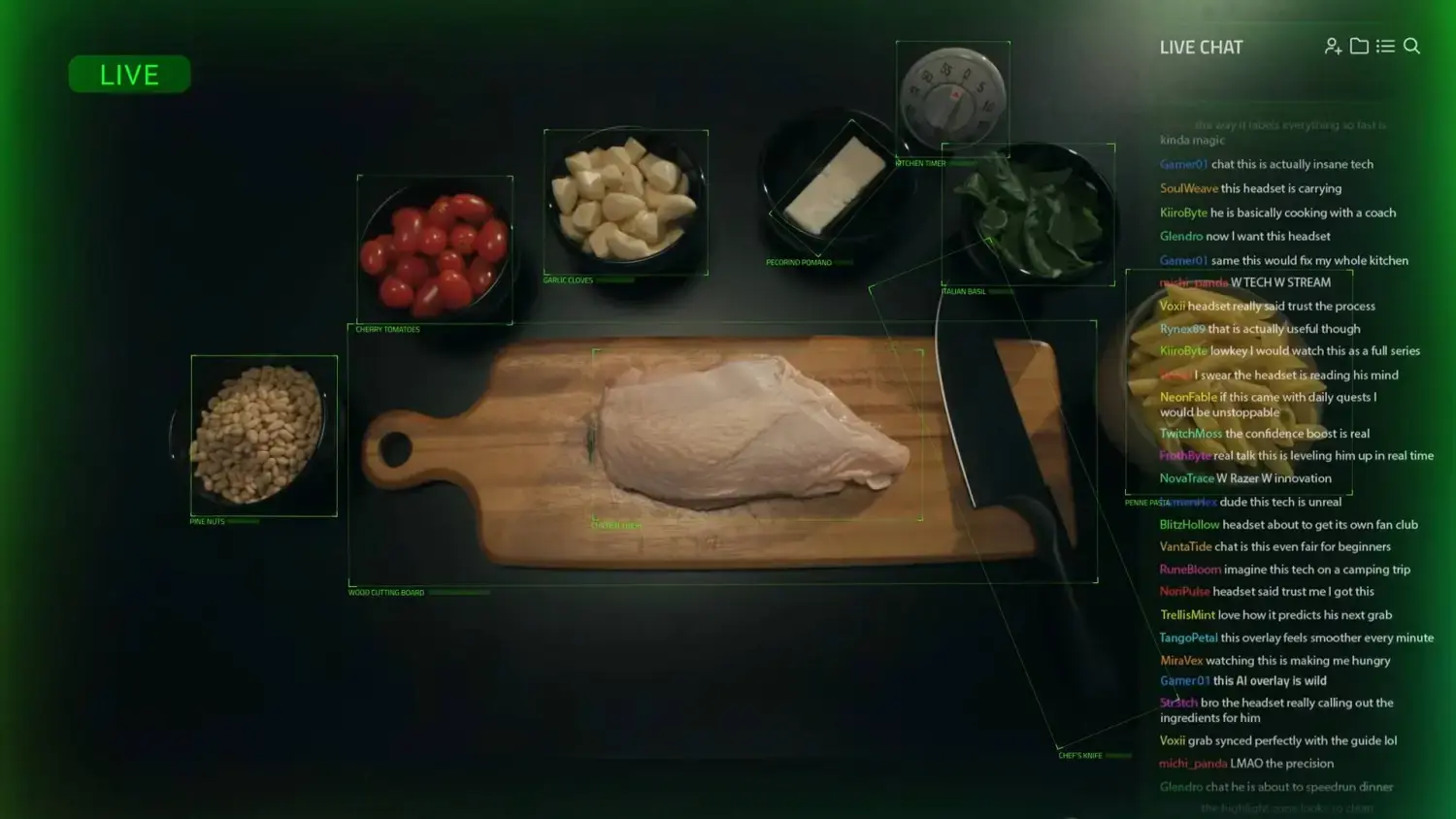
During the presentation, Razer showed several everyday examples. With the headphones on, you can ask for help following a cooking recipeConsult the steps to repair a household item or request translations of conversations in another language while maintaining a dialogue with another person. In all cases, the assistant combines what it "sees" with voice guidance to offer instructions tailored to the real-life situation.
The company also proposes uses related to the physical exercise and productivityThanks to the first-person perspective, Motoko could count repetitions in the gym or correct posture in a training routine, in addition to summarize printed or on-screen documents if the user has them in front of them. The idea is that the device understands what is being done at any given moment and adapts the response without forcing the user to constantly switch devices.
By integrating with different AI models, Motoko is emerging as a hands-free companion for leisure and work tasksFrom checking emails while cooking to asking for suggestions for a project or brainstorming, Razer's proposal goes beyond the purely gaming use for which the brand is known.
Augmented vision, context, and first-person data capture
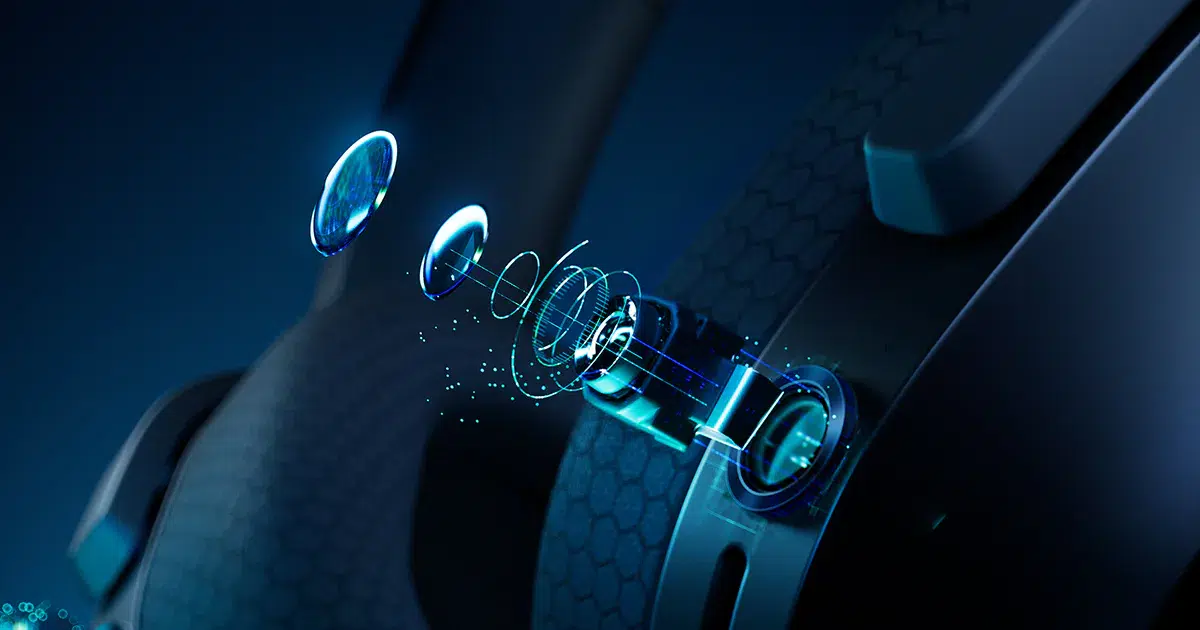
The differentiating factor of Project Motoko compared to other AI devices is the constant capture of visual contextThe two cameras positioned at eye level replicate the user's natural point of view and allow recognize objects and text on the flyThis includes everything from street signs or information on screens, to labels, manuals, or any written document.
Razer talks about stereoscopic precision and wide field of viewThis combination is designed to identify depth, symbols, and details that the user might overlook. This capability is especially useful when... navigating complex environments, such as airports, train stations or unfamiliar cities, where the assistant could help interpret signs, locate landmarks or provide step-by-step guidance.
Beyond everyday use, the company underlines Motoko's potential as first-person view data capture toolThe video stream with depth, focus, and attention information could be used to generate high-value datasets for training robotic and humanoid systems, bringing the perception of machines closer to the way people observe and process the environment.
This aspect is particularly interesting in Europe, where there are a strong boost to research in robotics and automationbut also a demanding regulatory framework in the area of privacy and data protectionThe use of cameras that continuously record the user's surroundings would, in the event of a commercial launch, require establishing clear limits on how these images are stored and processed, something that will be key for its possible arrival in Spain and other EU countries.
Differences compared to smart glasses and other AI devices
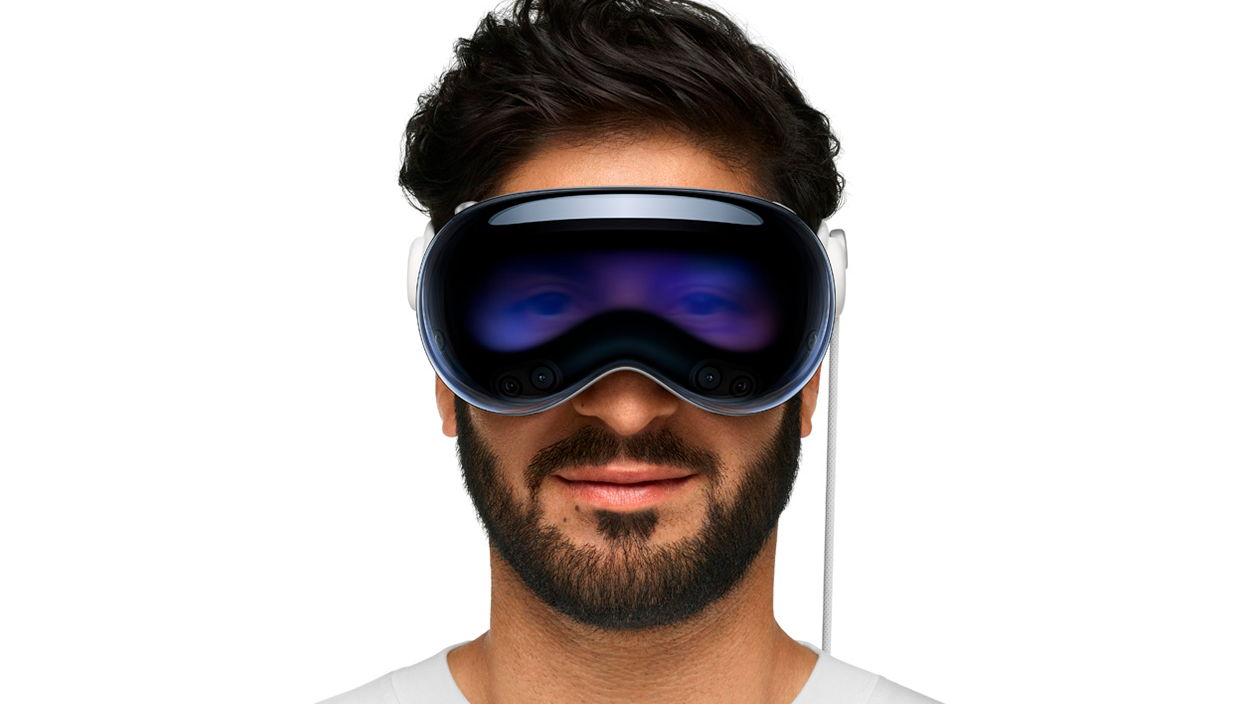
Project Motoko inevitably finds itself in the same conversation as Smart glasses like the Meta Ray-Ban Display or mixed reality devices like the Apple Vision ProHowever, Razer argues that its proposal aims to cover a different space within the ecosystem of AI-powered wearables.
The company states that Not everyone is willing to wear smart glasses all day.Whether for aesthetic reasons, discomfort, or simple habit. On the other hand, some over-ear headphones They fit better in everyday contexts: teleworking, commuting on public transport, gaming sessions or even walks around the city, where wearing headphones of this type is quite common.
Another key difference lies in how the results are presented. While the display glasses project the information into the user's field of vision, Motoko opts for answers via audio onlyThis has several implications: on the one hand, No one around can see what the assistant is showing.On the other hand, the user can continue looking at the surroundings without superimposed elements, which can be less intrusive and more comfortable for extended use.
The functions, however, partially overlap with what other devices already offer: Instant translation, text reading, contextual help, or step-by-step guidanceRazer doesn't hide this similarity, but argues that its headset might be more appealing to those They prioritize discretion and quality audio versus visual augmented reality.
Compared to more traditional assistants integrated into mobile phones or computers, Motoko adds the layer of real-time view directly from the user's perspectiveThis allows AI to understand what is being viewed without the need to manually take a photo or focus with the phone's camera, reducing friction and encouraging more natural use.
Project status, development and availability

Razer has been clear in presenting Project Motoko as an early-stage conceptAs of today, no announcement has been made. release date, indicative price, or target marketsThe company has indeed announced that it plans to offer a software development kit (SDK) around the second quarter of 2026so that studios, researchers, and interested brands can experiment with the device and its vision and AI capabilities.
This approach aligns with Razer's track record at CES, where in previous editions they showcased eye-catching prototypes that never reached the publicsuch as a laptop with three foldable screens, a highly advanced modular PC, or even a face mask with filters and LEDs developed during the pandemic. Therefore, it's not guaranteed that Motoko will become a commercial product; it could also remain as a concept. a laboratory experiment that sets the course for future releases.
Should the project move forward, one of the clearest challenges will be in adapt the product to the privacy regulations of the European UnionA device that continuously records its surroundings, even if for local or anonymized processing, will have to comply with regulations such as... General Data Protection Regulation (GDPR) and the specific guidelines on AI systems that Brussels is developing, something especially relevant if third-party cloud services are used for part of the processing.
From the perspective of the European user, Motoko could be of interest in areas such as teleworking, urban mobility, tourism or educationprovided that clear guarantees are offered regarding the use of the captured images and audio. In any case, until Razer details concrete plans for the region, the device will remain a medium-term promise more than an imminent product for Spanish stores.
Project Motoko is shaping up to be A serious attempt by Razer to redefine portable computing by leveraging generative AI and first-person visionIt remains to be seen whether the concept will make it past the prototype stage, but the idea of headphones with cameras, local Snapdragon processing, and compatibility with multiple AI platforms paints a picture where headphones cease to be mere audio accessories and become... a new link between the physical environment and intelligent cloud services.

I am a technology enthusiast who has turned his "geek" interests into a profession. I have spent more than 10 years of my life using cutting-edge technology and tinkering with all kinds of programs out of pure curiosity. Now I have specialized in computer technology and video games. This is because for more than 5 years I have been writing for various websites on technology and video games, creating articles that seek to give you the information you need in a language that is understandable to everyone.
If you have any questions, my knowledge ranges from everything related to the Windows operating system as well as Android for mobile phones. And my commitment is to you, I am always willing to spend a few minutes and help you resolve any questions you may have in this internet world.