- The Redmi Turbo 5 Max debuts the MediaTek Dimensity 9500s chip and focuses on high-end performance
- It incorporates a 9.000 mAh battery with 100W fast charging and 27W reverse charging
- 6,83-inch 1,5K AMOLED display with up to 3.500 nits and ultrasonic fingerprint reader
- It will arrive first in China and is expected to launch in Europe under the POCO brand.
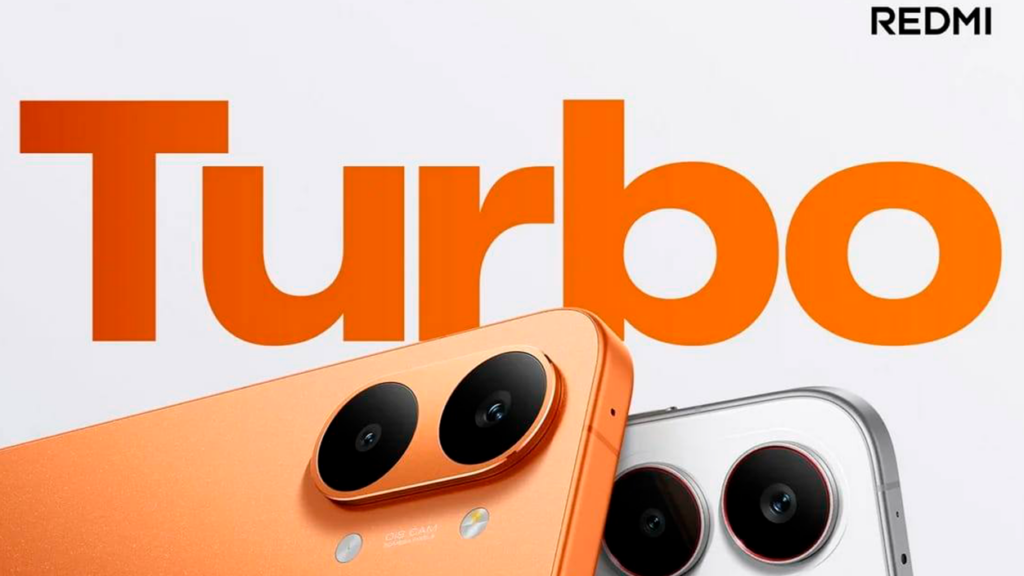
The new Redmi Turbo 5 Max It has become one of the most talked-about releases in Xiaomi's catalog, mainly due to a very clear decision: to bring autonomy to a point where the user stops looking at the battery percentage Every other day. With a gigantic battery, a new generation processor and a price that targets the mid-range, this model aims to become one of the most interesting options for those who use their mobile phone all the time.
The brand has designed this device as the top of the range within the Redmi Turbo 5 familyA series designed to bridge the gap between traditional mid-range and flagship models, both in terms of power and features. With highly ambitious hardware and a The cost in China is around 2.500 yuan (about 300 euros at the current exchange rate).Everything points to us seeing it in Europe under the POCO umbrella, probably with minimal name changes and some battery adjustments.
Design and display: minimalism, striking colors, and record-breaking brightness
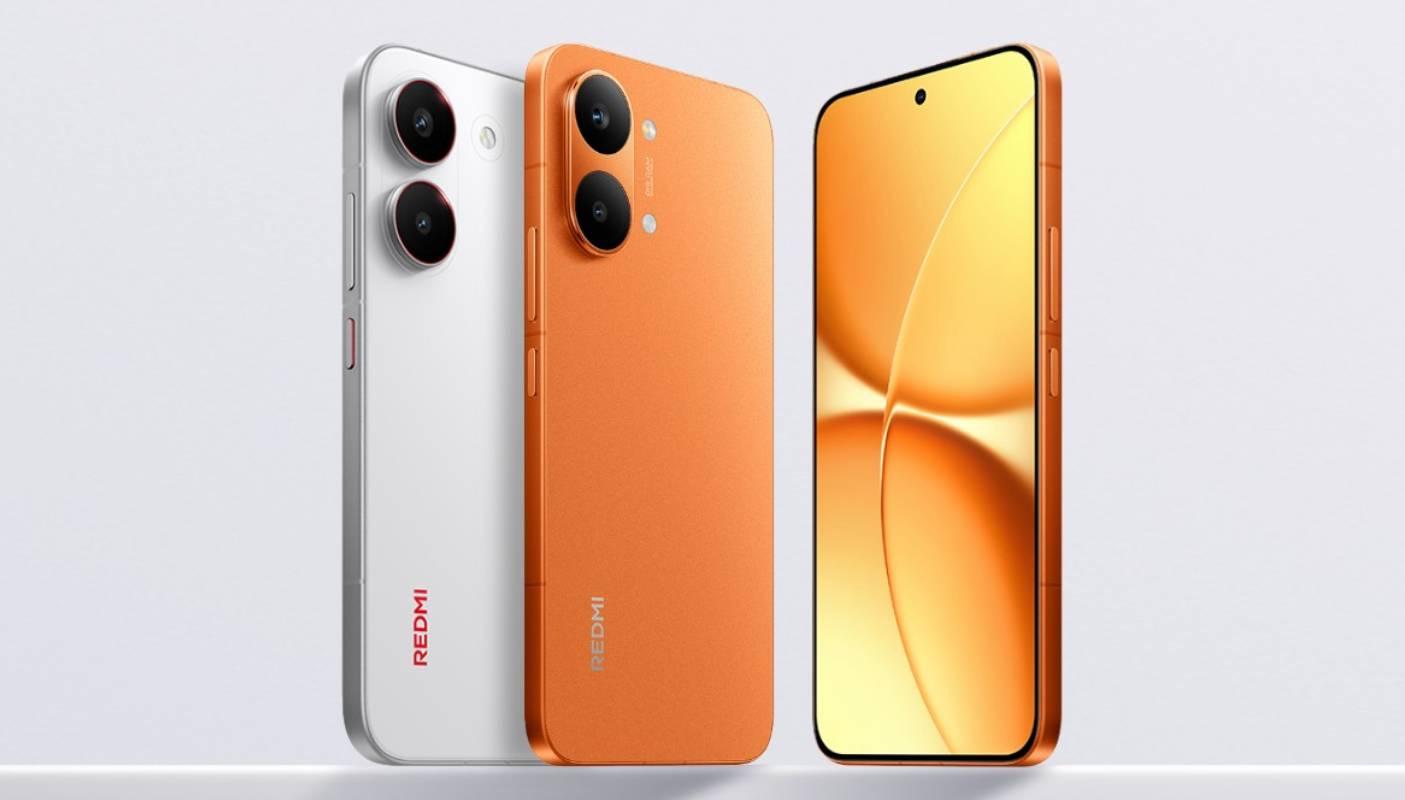
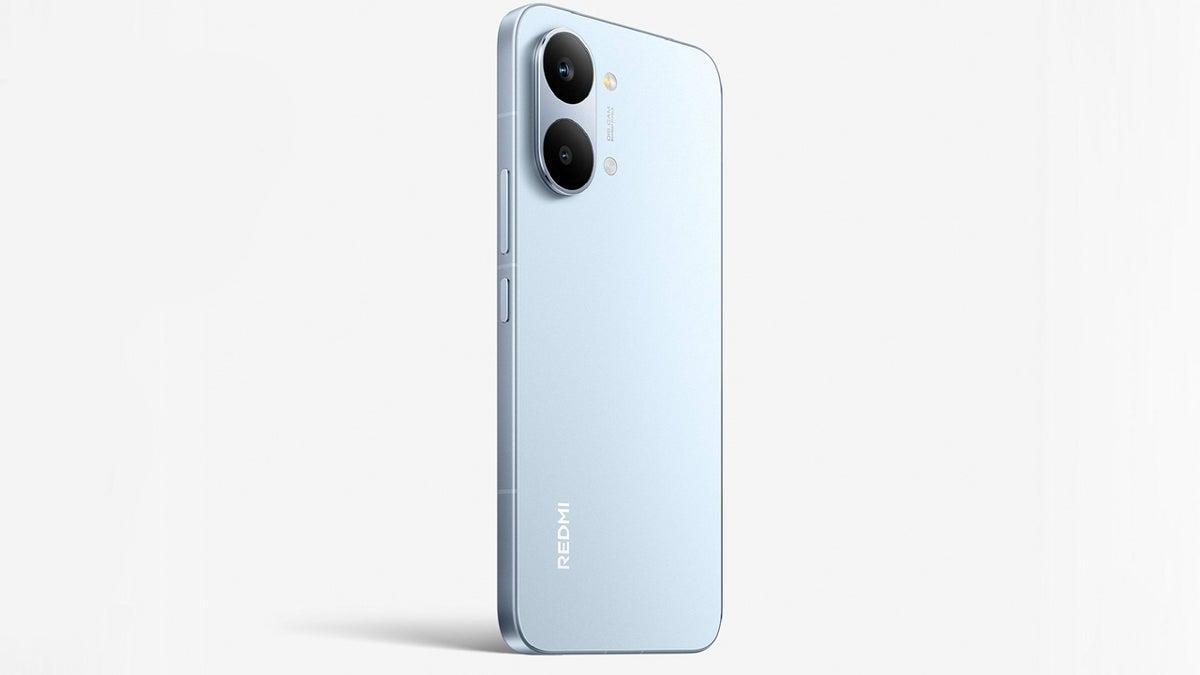
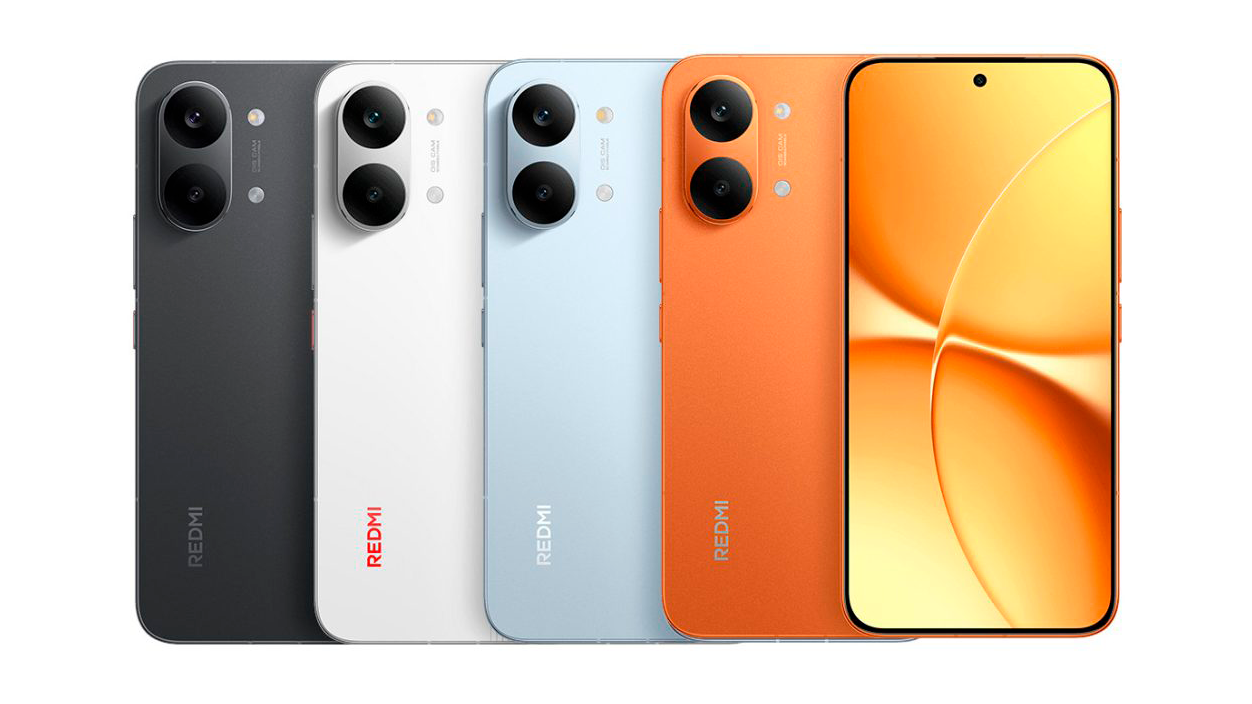
Far from the ornate designs of other models, the Redmi Turbo 5 Max opts for a fairly clean aesthetic.with straight lines, sharp edges, and a simple rear camera module with two main sensors. The chassis uses a CNC machined metal frameWhile the back combines materials such as fiberglass or crystal depending on the version, giving it a look closer to the high-end range than to the price range in which it competes.
As for finishes, the terminal is sold in China in several colors: shadow black, ocean blue, auspicious cloud white, and a A very striking orange color reminiscent of designs from other high-end manufacturers.This last color, similar to the tones seen in "Pro Max" models from the competition, has become the brand image of the device and is the protagonist of much of the official communication.
The screen also wants to play in another leagueThe Redmi Turbo 5 Max features a 6,83-inch flat Super Sunlight AMOLED panel with 1,5K resolution (2772 x 1280 pixels) and a 120Hz refresh rate. It's a large screen, designed for those who consume a lot of multimedia content or play games frequently and want Activate Auto HDRbut without reaching the size of a tablet.
The panel uses a new M10 luminescent material to improve efficiency, allowing it to achieve a maximum brightness of up to 3.500 nitsThis figure sets a record for Xiaomi and should guarantee good visibility even in bright sunlight. Furthermore, it includes a combined PWM + DC 3.840Hz dimming system to reduce flicker and protect your eyes during extended use.
Hidden beneath the screen is a ultrasonic fingerprint sensorThis is a solution typically found in high-end phones that improves both unlocking speed and reliability under various conditions, even with a slightly damp finger. In addition, it features dual stereo speakers and water and dust resistance, with certifications. IP66, IP68, IP69 and even IP69K in some technical specifications, which reinforces its profile as a durable mobile phone for everyday use.
Performance: The world premiere of the Dimensity 9500s
The Redmi Turbo 5 Max's processor is one of its biggest selling points. The device MediaTek launches its new Dimensity 9500s processor worldwideThis chip is designed to approach top-of-the-range performance while keeping the final price down. It is, in fact, MediaTek's most ambitious offering in this segment and positions itself above the Snapdragon processors typically found in mid-range phones.
This chipset incorporates a second-generation CPU architecture with always-available large cores, reducing the typical inefficiency of traditional big-little configurations, where The powerful cores remain inactive while the smaller ones take on the heavy lifting.With this approach, the processor promises more stable performance under prolonged loads, such as demanding games or intense multitasking sessions, avoiding sudden performance drops.
In terms of graphics, the terminal features a Immortalis-G925 12-core GPU It operates at a frequency of around 1,61 GHz and is compatible with the Dimensity OMM ray tracing engine. This means it can handle advanced lighting effects in ray-traced games, something that until recently was reserved for more expensive models.
Memory configurations range from 12 GB up to 16 GB of RAMUsing LPDDR5 or LPDDR5X modules, according to various sources, and UFS 4.1 storage, with options of 256 GB and 512 GB, the Redmi Turbo 5 Max is highly competitive for those seeking a phone capable of running demanding games, editing video, or keeping multiple apps open smoothly.
To ensure all this hardware performs without thermal issues, Xiaomi has integrated a 3D Ice-Circulation Pump cooling systemThis is a vapor chamber cooling solution, previously seen in the brand's flagship models. Combined with the Frenzy Engine's performance optimization system, the goal is to keep temperatures under control and prevent throttling, even after extended gaming sessions.
Cameras: Dual 50MP module and practical focus
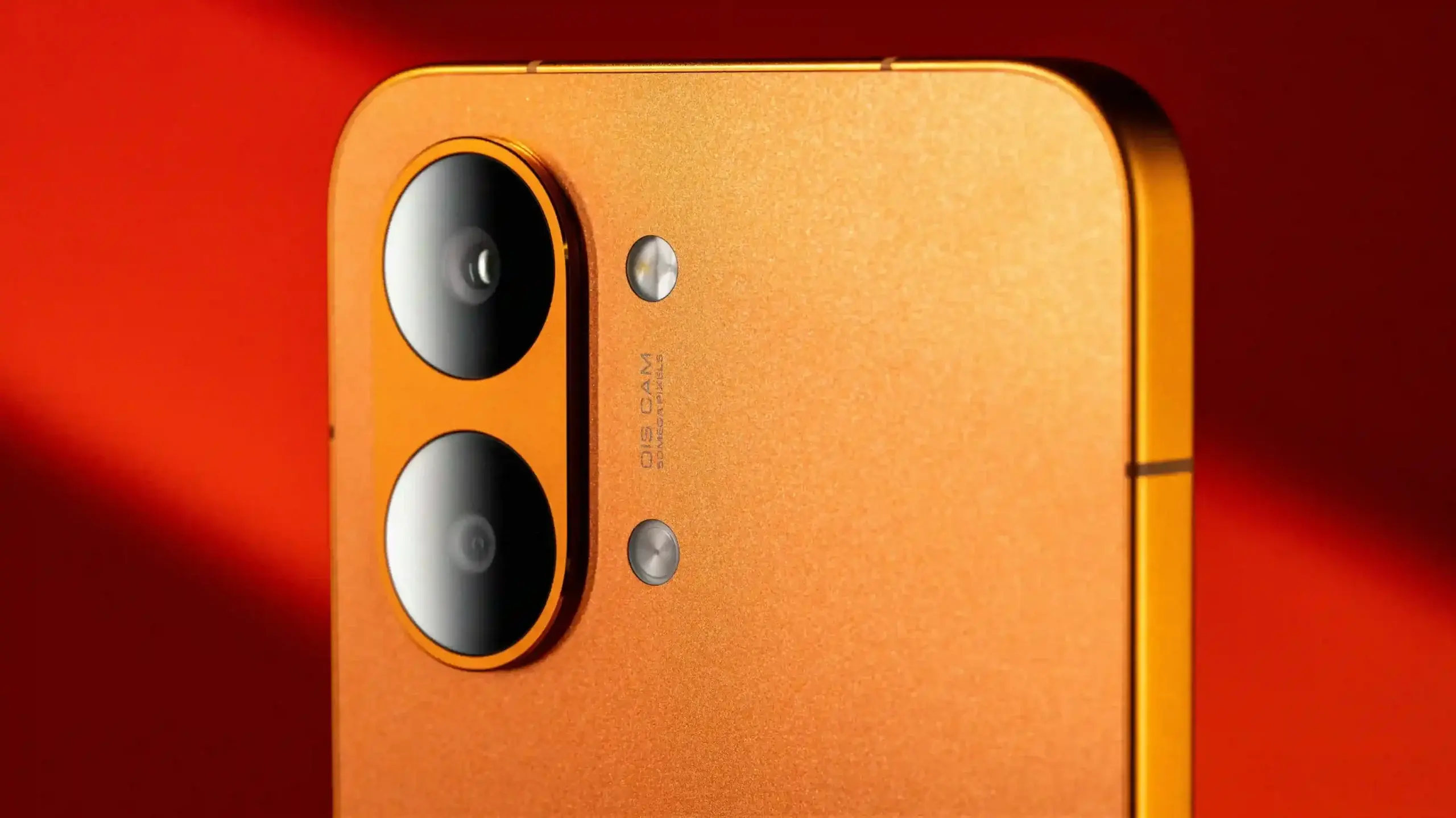
In photography, the Redmi Turbo 5 Max's approach is more pragmatic. It doesn't try to compete with camera-centric phones.but rather to offer a reliable package for everyday use. The main system consists of a dual rear module, headlined by a 50-megapixel Light Hunter sensor with high dynamic range and optical image stabilization (OIS), accompanied by an 8-megapixel ultra-wide-angle lens.
The main camera features f/1,5 aperture, 1/1,95-inch sensor, 12,5 EV dynamic range, and 1,6 μm fused pixels...in addition to a 6P lens. On paper, this combination should allow for good low-light captures, with more detail in shadows and highlights thanks to the greater dynamic range, and more stable video footage thanks to OIS.
The ultra-wide-angle lens, with 1/4 inch sensor, f/2,2 aperture and 5P lensIt occupies a more modest position, geared towards offering versatility for landscapes, interiors, or group photos, but without the pretension of competing with the ultra-wide-angle cameras of much more expensive phones. Even so, it meets the minimum expectations for this price range.
On the front there is a 20-megapixel selfie cameraIt also features a 1/4-inch sensor, f/2,2 aperture, and 4P lens. It's designed for video calls, social media, and vertical content recording, with support for the beauty modes and filters typical of Xiaomi's interface. Overall, the camera setup aligns with the phone's philosophy: prioritizing power and battery life without neglecting the camera too much, but without making it the star attraction.
9.000 mAh battery: Redmi's big bet
If there's one area where this phone aims to make a real difference, it's battery life. The Redmi Turbo 5 Max integrates a 9.000 mAh batteryThis figure easily surpasses almost any current Xiaomi smartphone, including many high-end models in the Note series. It's not just about capacity, but also about the technology used in its manufacture.
The company has resorted to a Jinshajiang ultra-capacity batterywith an energy density that reaches 894 Wh/L according to official data. This high density allows it to house 9.000 mAh without turning the phone into an unmanageable brickThis is usually the main problem with models that have huge batteries. The weight remains around 219 grams, a high figure, but reasonable for the capacity it offers.
To demonstrate that it's not just a number on the spec sheet, Redmi has organized the so-called «Turbo 5 Max Battery Endurance Challenge»A live battery life test pits the device against other phones in the same price range and even competing models with nominal capacities exceeding 10.000 mAh. The goal is to demonstrate how improvements in density and efficiency allow it to match or surpass the battery life of even larger batteries on paper.
According to the brand, the battery not only withstands intense gaming sessions and continuous use throughout the day, but also It can compete with 10.000 mAh terminals thanks to the combination of hardware and optimization.For normal use, it's reasonable to expect one or even two full days without needing to plug in your phone, something many users in Europe have been demanding for some time in the face of the race for the thinnest millimeter.
Another noteworthy aspect is durability. Xiaomi indicates that the Jinshajiang battery in the Redmi Turbo 5 Max supports up to 1.600 long-life charging cyclesAnd a special guarantee is being offered to the first buyers in China: if the battery status drops below 80% within five years, The brand promises to replace it free of charge.These types of guarantees are uncommon in the market and reinforce the message of durability that is intended to be associated with the device.
Fast charging, reverse charging and Surge P3 technology
Such a large battery would be impractical without a suitable charging system. That's why the Redmi Turbo 5 Max incorporates 100W wired fast charging, a power we have already seen in other models from the company, but which makes more sense here than ever: the idea is to clearly reduce the time needed to fill 9.000 mAh.
In addition to traditional fast charging, the device is compatible with reverse charging up to 27WThis allows you to use your phone as an external battery to power other devices, such as headphones, smartwatches, or other phones. Xiaomi uses power management technology to handle all of this. P3 emerges, responsible for optimizing both charging speed and heating and safety.
Some listings also mention support for 27W wireless chargingThis feature aligns with reverse wired charging and the overall goal of turning the Redmi Turbo 5 Max into a portable power station. However, it remains to be seen how these features will be implemented in a potential European version, as Xiaomi sometimes adjusts charging power or removes certain options in global models.
In any case, the combination of a 9.000 mAh battery, 100W charging, and advanced management allows us to envision a scenario in which Anxiety about running out of battery during the day causes weight loss.For users who spend many hours away from home, professionals who use their mobile phone as their main tool, or hardcore gamers, this approach is especially interesting.
Software, connectivity and philosophy of the Turbo series
Beyond the hardware, the Redmi Turbo 5 Max comes with an updated software layer. Recent rumors and leaks mention the presence of HyperOS 3 based on Android 16 In the more advanced versions of the series, although Xiaomi typically uses the latest version available at the time of its initial launch in China and updates it later. In any case, full compatibility with the brand's new interface features is expected.
In terms of connectivity, the device offers 5G, WiFi 7, Bluetooth 5.4, NFC, USB-C port and dual SIM supportIn addition to infrared, a feature Xiaomi is reluctant to abandon and which allows you to use the phone as a remote control for televisions, audio equipment, and other household appliances, it also includes stereo speakers and a more precise haptic vibration system, especially designed to enhance the gaming experience.
The Redmi Turbo series was born, as Lu Weibing (president of the Xiaomi group and head of Redmi) explains, with a very specific idea: to fill the gap between the best-selling mid-range phones and flagshipsIn a context where component costs continue to rise, the key pillars they've established are performance, stability, and durability—three concepts that align with their commitment to a powerful processor, a high-capacity battery, and a more robust build.
The goal is to stay within a price range that hovers around 2.500 yuan, that is to say, around 300-360 euros at the current exchange rateThis is a highly competitive market where brands like Samsung, Realme, HONOR, and Xiaomi (via POCO) compete in Europe. The difference lies in the extent to which a device in this price range can offer specifications that were recently almost exclusively the domain of models costing €600 or more.
Price, versions and possible arrival in Spain and Europe
In the Chinese market, the Redmi Turbo 5 Max is already being sold in several memory configurations with especially competitive prices for what it offers in terms of power and battery life. Typical combinations include:
- 12 GB + 256 GB for 2.499 yuan (approximately 300 euros at the current exchange rate)
- 16 GB + 256 GB for 2.799 yuan (around 337 euros)
- 12 GB + 512 GB for 2.999 yuan (about 361 euros)
- 16 GB + 512 GB for 3.099 yuan (about 373 euros)
Other media outlets are reporting starting prices around 239-300 euros at the current exchange rate Depending on the promotion and exact configuration, it's clearly priced below €400 in its home market. That doesn't mean we'll see the same figures in Europe, as taxes, tariffs, and marketing strategies often increase the final price.
What does seem quite likely is that the Redmi Turbo 5 Max I arrived in Spain and other European countries under the POCO brand.Following Xiaomi's usual pattern with the Turbo series, there has been speculation about a version with names like POCO X8 Pro Max, maintaining the same hardware or with slight reductions, especially regarding the battery. Some sources suggest that the global version could lose up to 1.500 mAh compared to the Chinese model, a trend we've already seen in previous releases.
In any case, if the approach of offering is maintained High-end for under 400 eurosIt's easy to imagine that this phone, or its global variant, will position itself as one of the most interesting options for those looking for long battery life, a good screen, and a powerful processor without reaching the prices of true flagships. It remains to be seen, however, how it will fare against direct competitors from brands like Realme or HONOR at the time of its international launch.
With all of the above in mind, the Redmi Turbo 5 Max is shaping up to be one of the most unique mobile phones in its segmentIt combines one of the largest batteries we've seen in a relatively compact phone, a next-generation chip, an advanced cooling system, and a very bright screen, all at a competitive price in China. If Xiaomi decides to bring a similar version to Europe, even under a different brand and with minor tweaks, it could become a very serious alternative for those who prioritize battery life and performance over having the most sophisticated camera on the market.


I am a technology enthusiast who has turned his "geek" interests into a profession. I have spent more than 10 years of my life using cutting-edge technology and tinkering with all kinds of programs out of pure curiosity. Now I have specialized in computer technology and video games. This is because for more than 5 years I have been writing for various websites on technology and video games, creating articles that seek to give you the information you need in a language that is understandable to everyone.
If you have any questions, my knowledge ranges from everything related to the Windows operating system as well as Android for mobile phones. And my commitment is to you, I am always willing to spend a few minutes and help you resolve any questions you may have in this internet world.