- Android XR debuts with built-in Gemini and an open ecosystem
- Lightweight design (545g), external battery and 3.552x3.840 Micro-OLED displays
- Snapdragon XR2+ Gen 2, 16GB RAM, 256GB storage, and a wide array of sensors
- Priced at $1.799; available in the US and Korea from October 21
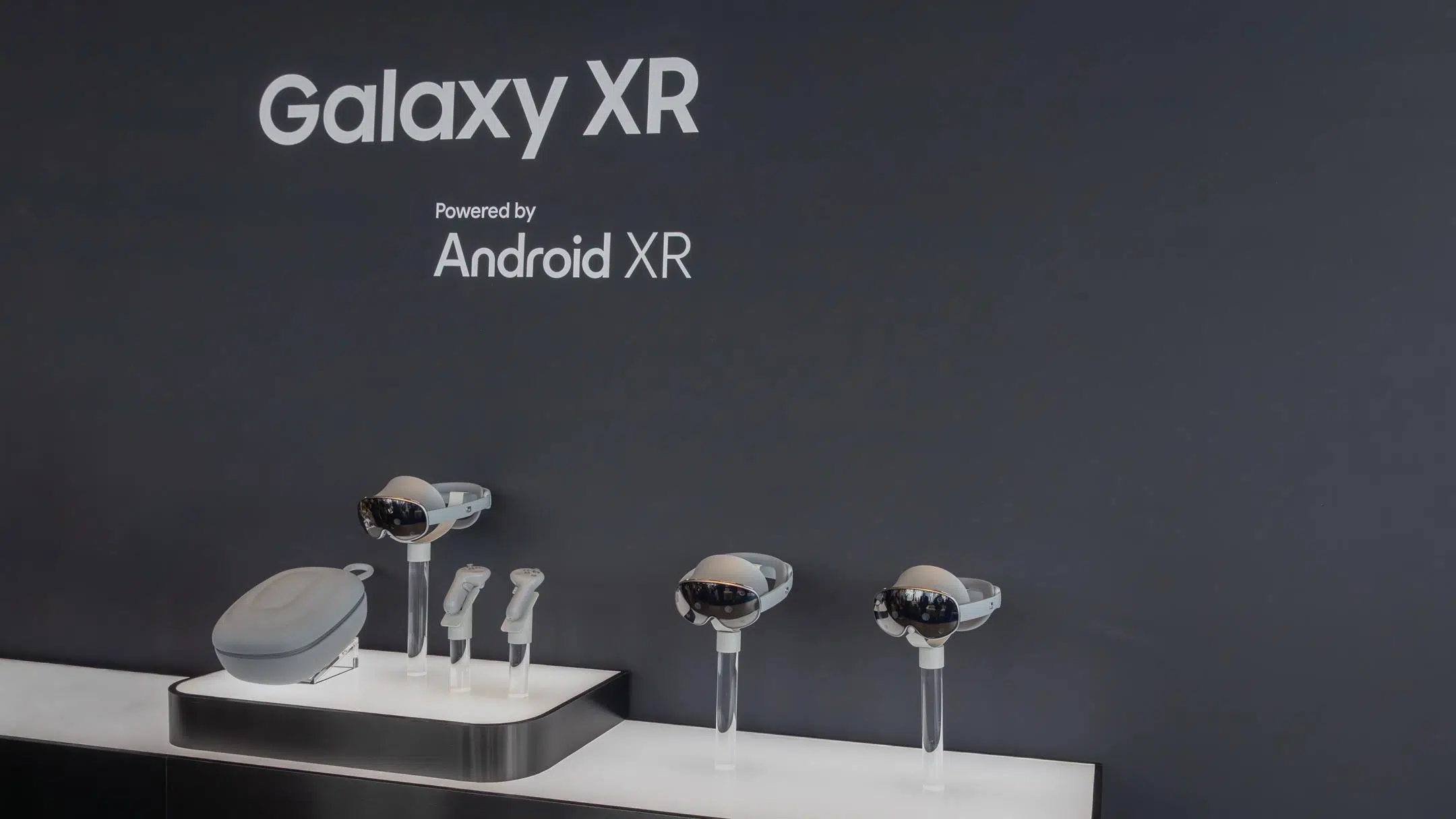
Samsung has unveiled its first extended reality headset with Android XR and native AI features, a device that aims to bring spatial computing to everyday use without complications. In collaboration with Google and Qualcomm, the new Galaxy XR It is positioned as a proposal focused on discovery, work and immersive leisure.
This release marks the start of the Android XR ecosystem with Gemini integrated at the system level, and comes with a very practical approach: Compatibility with popular apps, natural voice, vision and gesture controls, and a session-ready design long. Its official price is $1.799 and its availability begins in the United States and Korea.
Android XR platform and ecosystem

Android XR was born as an open platform in which Gemini acts as an “AI companion”, not just as a one-off assistant. Thanks to multimodal understanding of the environment (voice, vision, and gestures), the display interprets what the user sees and hears to respond naturally and contextually.
From day one, the Galaxy XR enables familiar experiences and the first Android XR apps: Google Maps in 3D with Gemini guide, YouTube with contextual information, Google Photos, or Circle to Search in video passthrough mode to circle an object with your hand and search instantly. In addition, the system can convert 2D photos and videos into 3D to relive memories in a spatial key.
Being based on standards such as OpenXR, WebXR and Unity, developers have a direct path to bring experiences to Android XR. And because apps built on the Android platform work right out of the box, the headset is useful right out of the box, without sacrificing a scalable ecosystem which will grow with new formats, including AI glasses.
The proposal also looks at the professional world: Samsung and its partners promote use cases such as immersive training and remote collaboration, in addition to the new mixed reality headsetInitiatives with Samsung Heavy Industries and leveraging Snapdragon Spaces pave the way for accelerating Android XR adoption in the enterprise.
Design, display and hardware
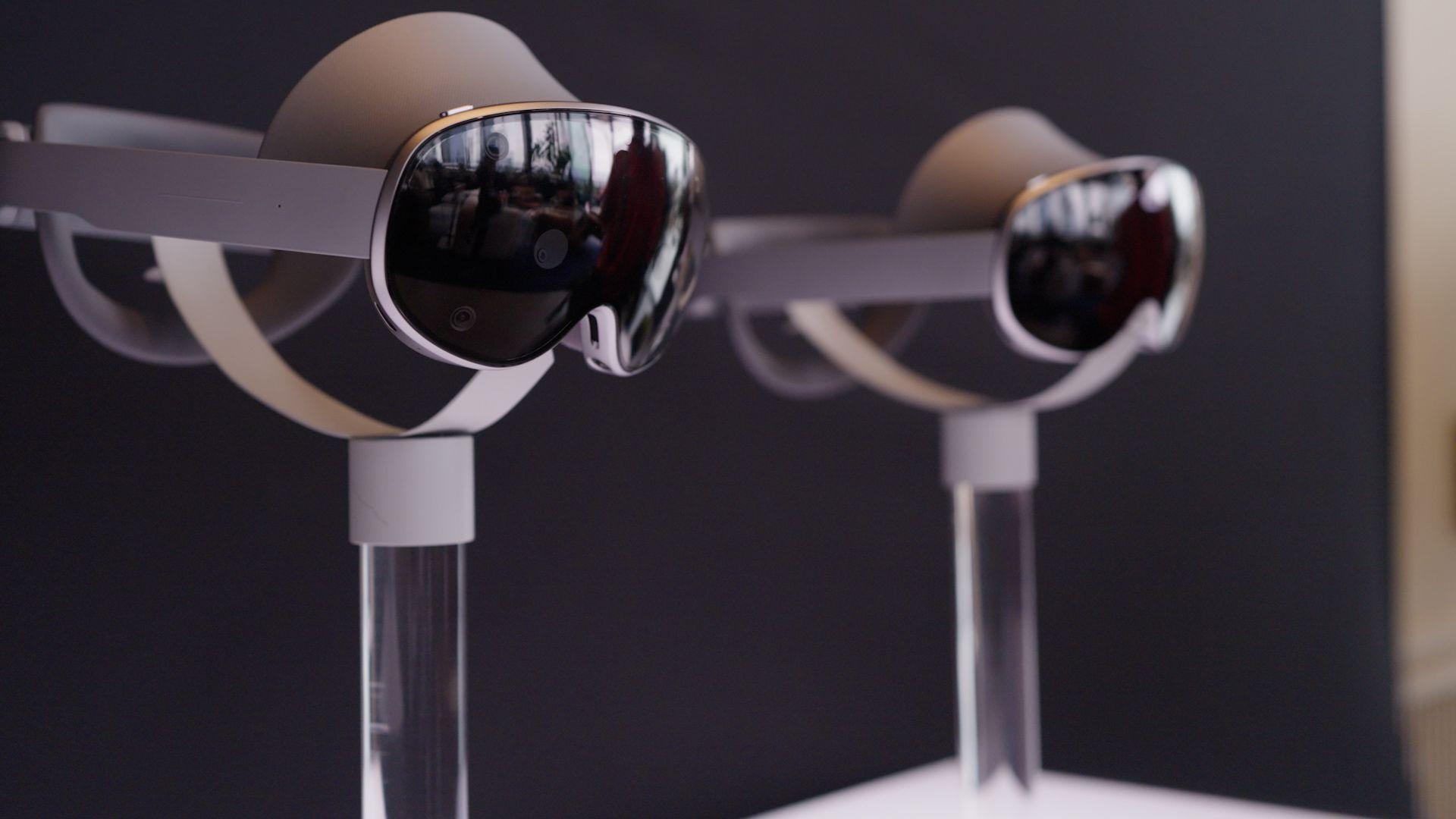
The headset prioritizes long-wearing comfort with a balanced chassis that distributes the pressure between the forehead and the nape of the neck. Weighs 545g and includes a removable light shield to block out the exterior when looking for greater immersion; the battery is external (302 g) to reduce volume on the head.
On screen, mount panels 3.552 × 3.840 pixel Micro-OLED with 95% DCI‑P3 coverage and 60/72/90 Hz refresh rates. The field of view reaches 109° horizontally and 100° vertically, a configuration designed for a clear and immersive vision.
The hardware is supported by the platform Snapdragon XR2+ Gen 2 with Hexagon NPU for AI, 16GB of memory and 256GB of storage. Connectivity includes Wi-Fi 7 and Bluetooth 5.4, geared toward seamless experiences in both content consumption and work and play.
In sensors, the set is wide: two passthrough cameras high resolution, six environment-facing cameras, four eye-tracking cameras, five IMUs, a depth sensor, and a blink sensor. The headset supports iris recognition for unlocking and authentication in compatible apps.
The audiovisual section adds two two-way speakers and six microphones with support for beamforming, next to 8K video playback at 60 fps (HDR10/HLG) and latest generation codecs. For spatial capture, it features 3d camera (18mm f/2.0, 6,5 MP, variable resolution). The setting 54–70 mm automatic interpupillary (IPD) and optional prescription optical inserts complete the set.
| Screens | Micro-OLED 3.552 × 3.840; 60/72/90Hz; FOV 109°H/100°V |
| Processor | Snapdragon XR2+ Gen 2 with Hexagon NPU |
| Memory/Storage | 16GB RAM / 256GB |
| Sensors | 2 passthrough, 6 world-facing, 4 eye-tracking, 5 IMU, depth, flicker |
| Authentication | Iris recognition |
| Audio Video | 2-Way speakers, 6 microphones; 8K/60 video with HDR10/HLG |
| Connectivity | Wi‑Fi 7, Bluetooth 5.4 |
| Weight | 545 g (viewfinder); 302 g (external battery) |
User experiences and applications
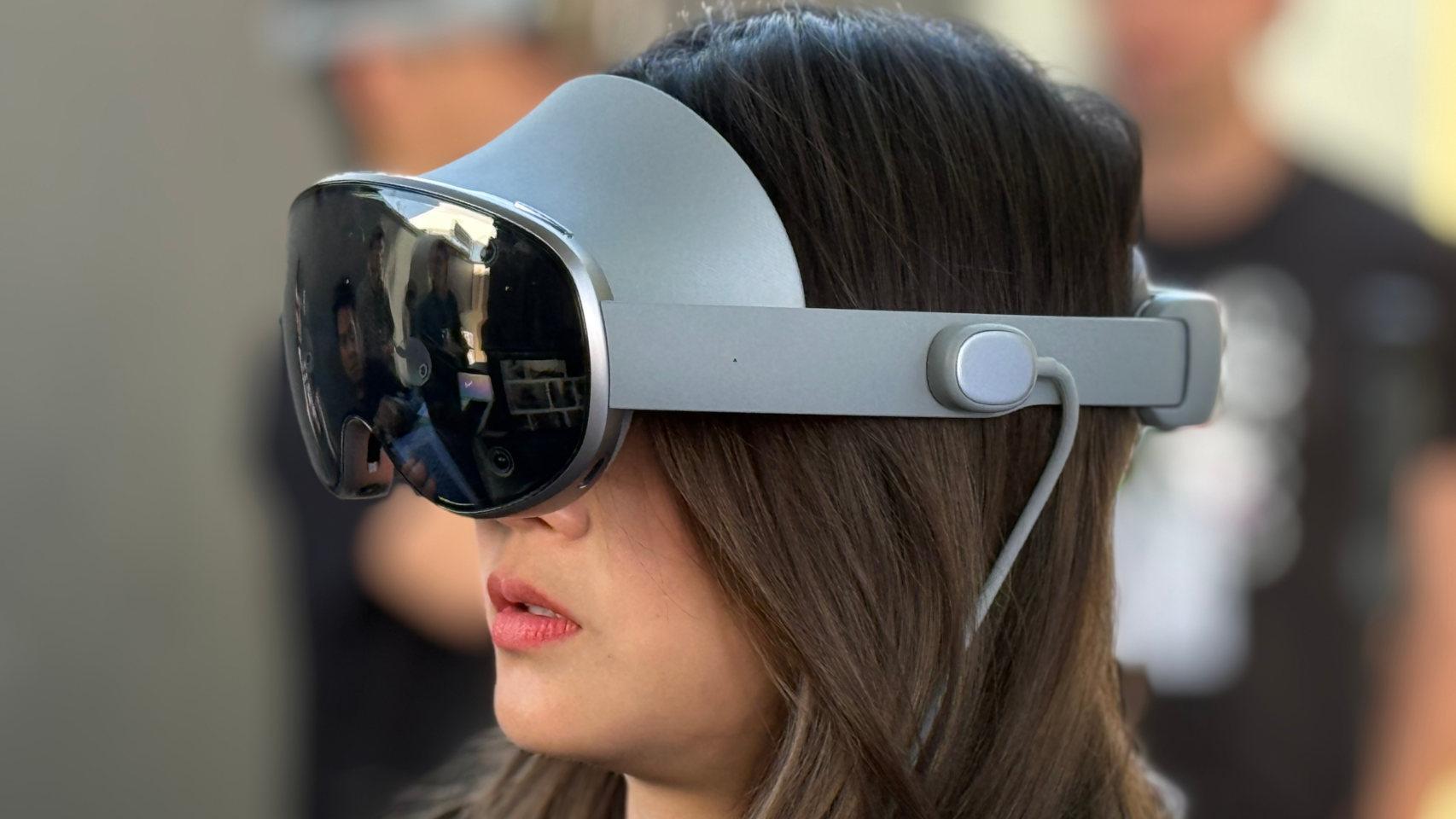
The viewer turns any room into a 4K Micro‑OLED “personal cinema” and allows you to follow multiple sporting events at once. In games, the Gemini integration enables real-time coaching, contextual tips, and assistance with mastering XR titles.
For productivity and creativity, it supports multi-screen workspaces, keyboard/mouse connection, and PC link. Tools like Adobe's Project Pulsar make editing with 3D depth easier, placing elements behind subjects on large canvases.
In passthrough mode, you can see the real environment and use Circle to Search drawing a circle with your hand to get information about what's ahead. In addition, the system can automatically spatialize photos and videos to add volume to 2D memories.
The gaming and entertainment ecosystem already includes optimized releases and, through applications such as Virtual Desktop, opens the door to PC VR experiences. Samsung offers optional controls (sold separately) to complement hand- and eye-gaze-based control.
In launch promotions, the company and its partners have announced bundles with services and contents (e.g., trial periods for selected subscriptions and titles), initiatives that may vary by market and date.
Price and availability
Samsung places the Galaxy XR in $1.799. Marketing starts in United States and Korea scheduled to begin on October 21, and an international deployment that will be carried out progressively.
The official autonomy is of up to 2 hours of general use y 2,5 hours of video playback, with the option to use the visor while the external battery is charging. This approach, combined with the helmet's 545g weight, seeks a balance between everyday comfort and immersion.
With an open platform, Integrated multimodal AI and XR-specific hardware, the Galaxy XR is positioned as Android XR’s first step into the market: a headset that combines familiar app support, natural controls, and a design geared toward bringing spatial computing to more people without the hassle.

I am a technology enthusiast who has turned his "geek" interests into a profession. I have spent more than 10 years of my life using cutting-edge technology and tinkering with all kinds of programs out of pure curiosity. Now I have specialized in computer technology and video games. This is because for more than 5 years I have been writing for various websites on technology and video games, creating articles that seek to give you the information you need in a language that is understandable to everyone.
If you have any questions, my knowledge ranges from everything related to the Windows operating system as well as Android for mobile phones. And my commitment is to you, I am always willing to spend a few minutes and help you resolve any questions you may have in this internet world.