- Samsung and Apple have resumed their chip manufacturing collaboration, focusing on the Austin, Texas, plant.
- Apple's investment in the U.S. adds an additional $100.000 billion to boost domestic production and diversify its supply chain.
- Samsung will manufacture image sensors and other innovative chips for iPhones, using pioneering technology.
- This agreement strengthens Apple's technological independence from traditional suppliers in Asia and opens up new industrial opportunities.
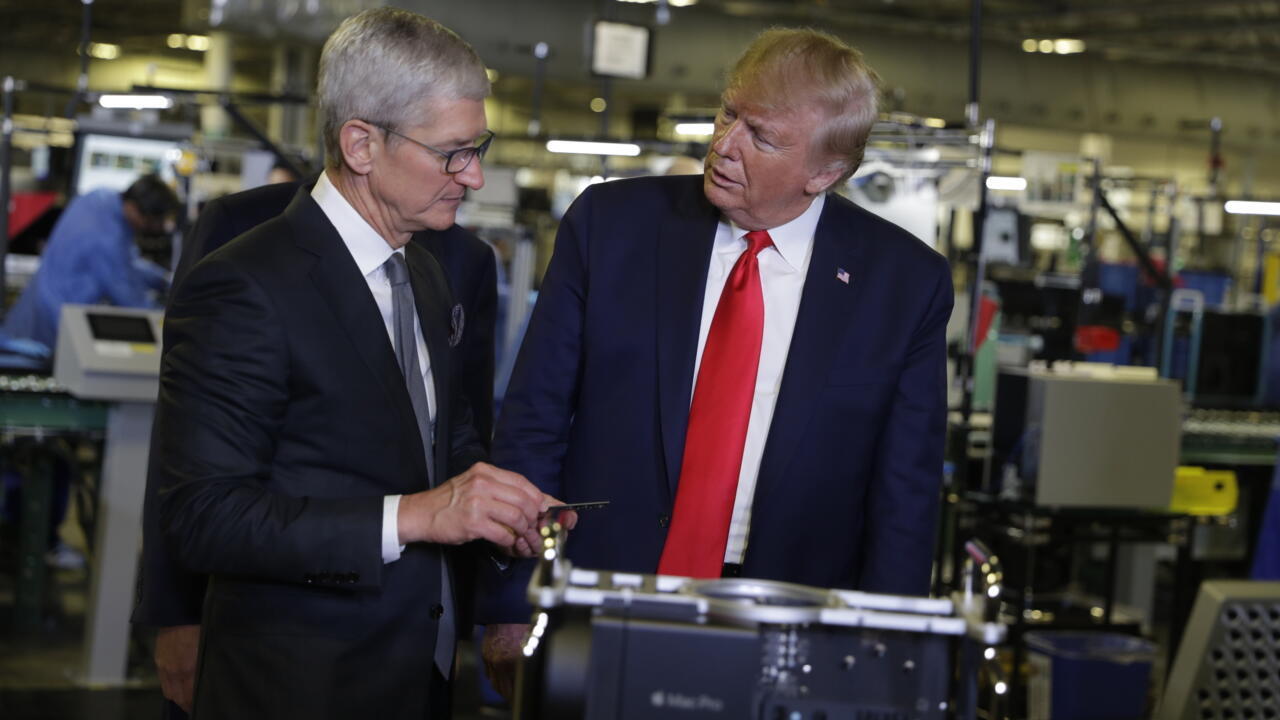
In recent days a important agreement between Apple and Samsung which aims to transform the landscape of the semiconductor industry. Both companies, historically rivals but also technological partners by necessity, They have decided to boost the manufacturing of chips for products like the iPhone in the United States.This strategic move, which will be carried out at Samsung's Texas factory, is accompanied by a huge investment of 100.000 billion dollars announced by Apple for the next four years, aimed at strengthening its industrial capacity within the United States.
The news has not gone unnoticed in the sector, as it represents a New chapter in the relationship between two tech giants They have alternated fierce competition with high-level collaborations in the component sector. Beyond the numbers, the alliance sends a clear message: the industry seeks refuge and stability in times marked by international tensions and the need to ensure the supply of critical parts.
Historical link between Samsung and Apple
The collaboration between the two companies is not new. Samsung was the main supplier for years of the chips in the first generations of Apple's A-Series processors, from the A4 in the iPhone 4 to the A9 in the iPhone 6s. After the A10 Fusion, Apple opted to move production of its main processors to TSMC, seeking greater control over the process and innovation in design.
Despite this gap in core chip production, Samsung has continued to supply essential components to Apple, such as NAND memory, RAM, and OLED displays. Now, with the announced agreement, the relationship places Samsung back at the core of Apple's production devices, especially with a view to providing image sensors and other key elements.
According to industry sources, Apple's decision responds to both strategic criteria and the need to diversify suppliers. Until now, Sony was the only supplier of photographic sensors. for Apple phones, but localized production in Japan limits the flexibility of the global logistics chain.
What chips will Samsung make for Apple?
In the official statement, Apple has been deliberately secretive and has avoided specifying the exact type of chips that Samsung will manufacture for them.. He has limited himself to indicating that the plant in Texas “It will provide chips that optimize energy and performance.” of the company's products, including iPhones.
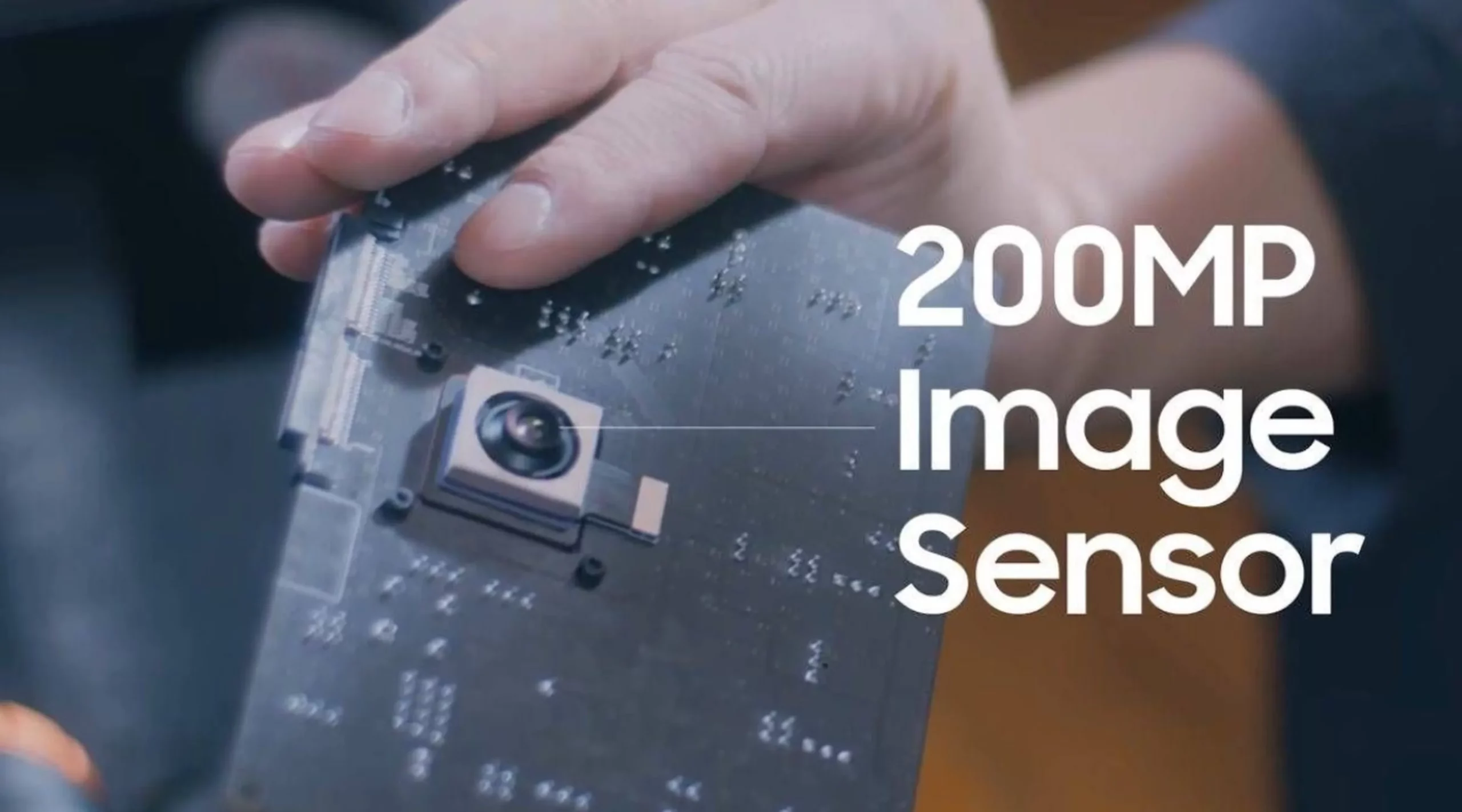
However, industry analysts and Korean tech media suggests Samsung will supply, from 2026, ISOCELL image sensors for the iPhone 18 rangeThis step would allow Apple to reduce its dependence on Sony and strengthen its policy of manufacturer diversification, while bringing the production of key components closer to the US market.
La Samsung's semiconductor division, which will also supply chips for Tesla at the same factory, It hopes that these agreements will help reduce losses in the contract manufacturing area., boosting local activity and employment.
Although There are no signs that Samsung will resume production of A-Series processors., as Apple maintains its collaboration with TSMC for the A19 and A19 Pro chips, Samsung's contribution could focus on auxiliary components and sensors that will enhance the photographic and energy performance of future models.
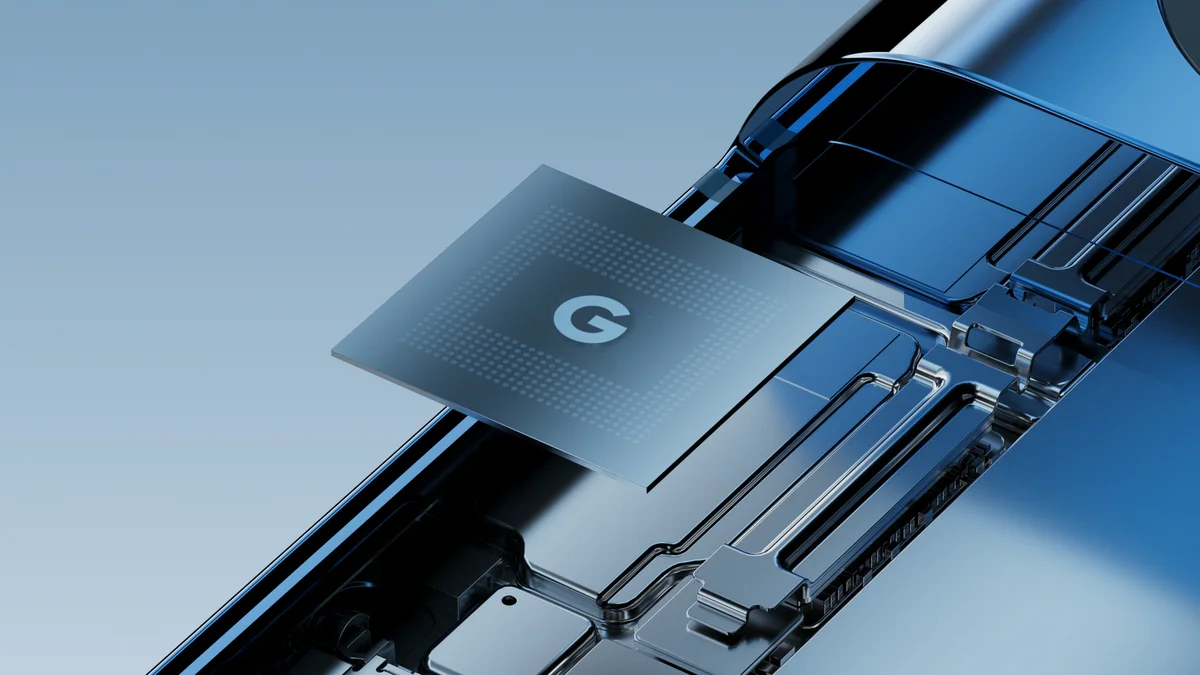
Unprecedented technology and commitment to U.S. manufacturing.
One of the most notable attractions of the advertisement is the mention of the “innovative technology never before used” that both companies intend to introduce at the Austin plant. Although technical details have not been disclosed, this strategy demonstrates the intention to invest in more advanced and efficient processes within the United States.
The geopolitical factor is also essential. Growing trade tensions in Asia and pressure to avoid potential tariffs have led Apple to prioritize domestic production and invest in a more secure economic environment. Samsung, for its part, sees this agreement as a An opportunity to consolidate its position in the US market and expand its premium client portfolio..
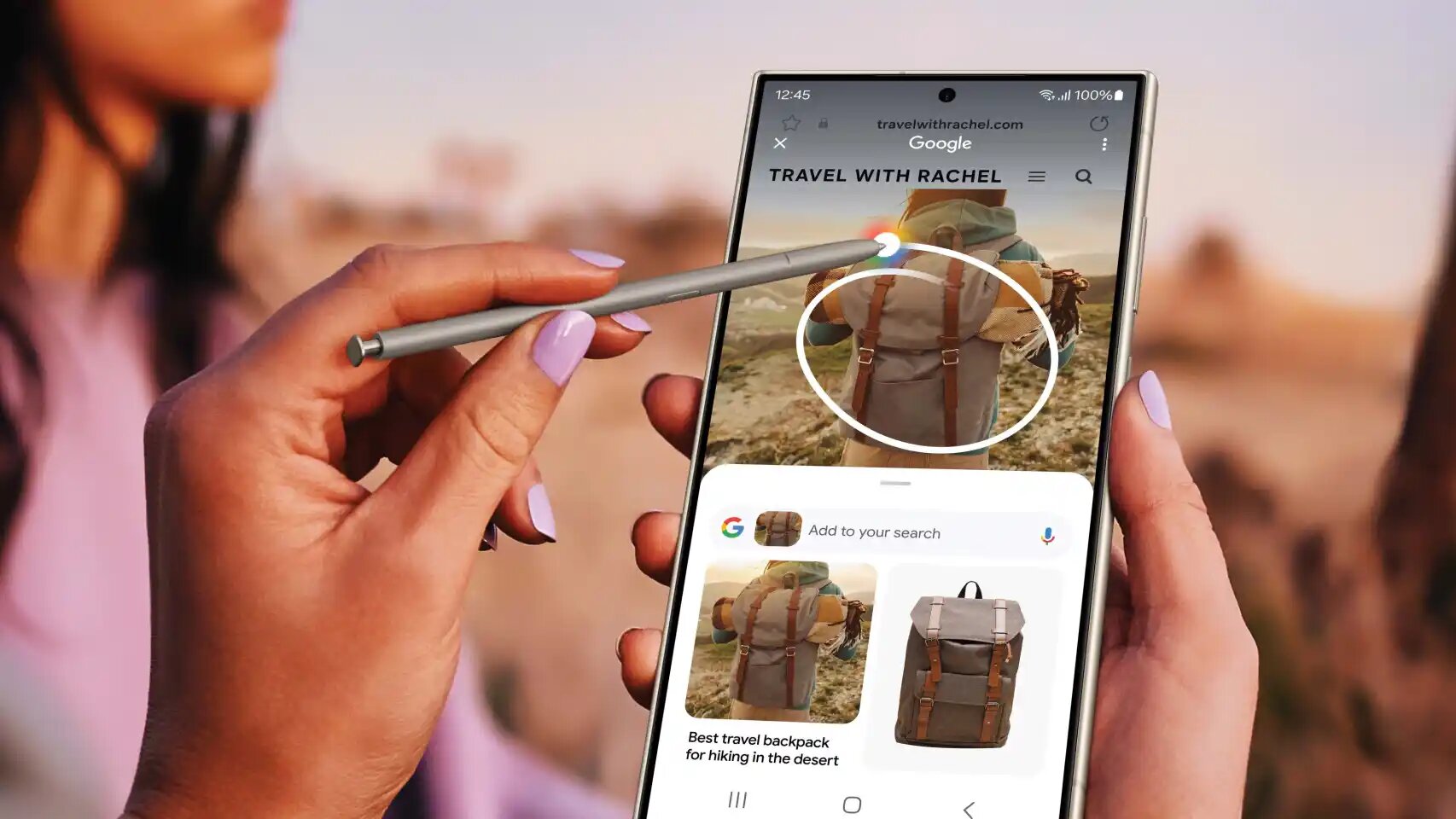
Impact on the future of iPhone and other brands
This collaboration not only affects the immediate future of the iPhone, but will also set a precedent for the industry as a whole. The quality of Samsung's ISOCELL image sensors is highly valued, especially in low-light conditions and high energy efficiency, which could translate into notable improvements in the photography experience in the next models.
For Samsung, collaboration with giants like Apple and Tesla strengthens the position of its Austin factory as nerve center for semiconductor innovationThe strategy allows you to diversify risks and secure important contracts, while increasing your visibility in an increasingly competitive market.
This announcement expands opportunities for collaboration between historical rivals and offers new alternatives to dependence on Asia for components and final assembly, opening the door to a more competitive and innovative semiconductor industry, with tangible benefits for consumers in improvements to their electronic devices.

I am a technology enthusiast who has turned his "geek" interests into a profession. I have spent more than 10 years of my life using cutting-edge technology and tinkering with all kinds of programs out of pure curiosity. Now I have specialized in computer technology and video games. This is because for more than 5 years I have been writing for various websites on technology and video games, creating articles that seek to give you the information you need in a language that is understandable to everyone.
If you have any questions, my knowledge ranges from everything related to the Windows operating system as well as Android for mobile phones. And my commitment is to you, I am always willing to spend a few minutes and help you resolve any questions you may have in this internet world.