- South Korea has temporarily suspended DeepSeek downloads due to data privacy concerns.
- Chinese artificial intelligence has been criticized for transferring user data to servers in China.
- DeepSeek is committed to working with South Korean authorities to comply with regulations.
- Other countries, including Italy and the United States, have imposed similar restrictions on the app.

South Korea has decided to temporarily suspend access to DeepSeek artificial intelligence, a Chinese app that has sparked controversy in multiple countries over concerns about the user privacyThe measure, announced by the Personal Information Protection Commission (PIPC), means that the application cannot be downloaded from official stores until it complies with local regulations.
The regulator has expressed concerns about the transfer of South Korean user data to servers in China, which could put sensitive personal information at risk. The move follows similar restrictions imposed in other nations, including Italy and the United States, reflecting Growing global concern over DeepSeek's data handling practices.
A blockage motivated by privacy concerns
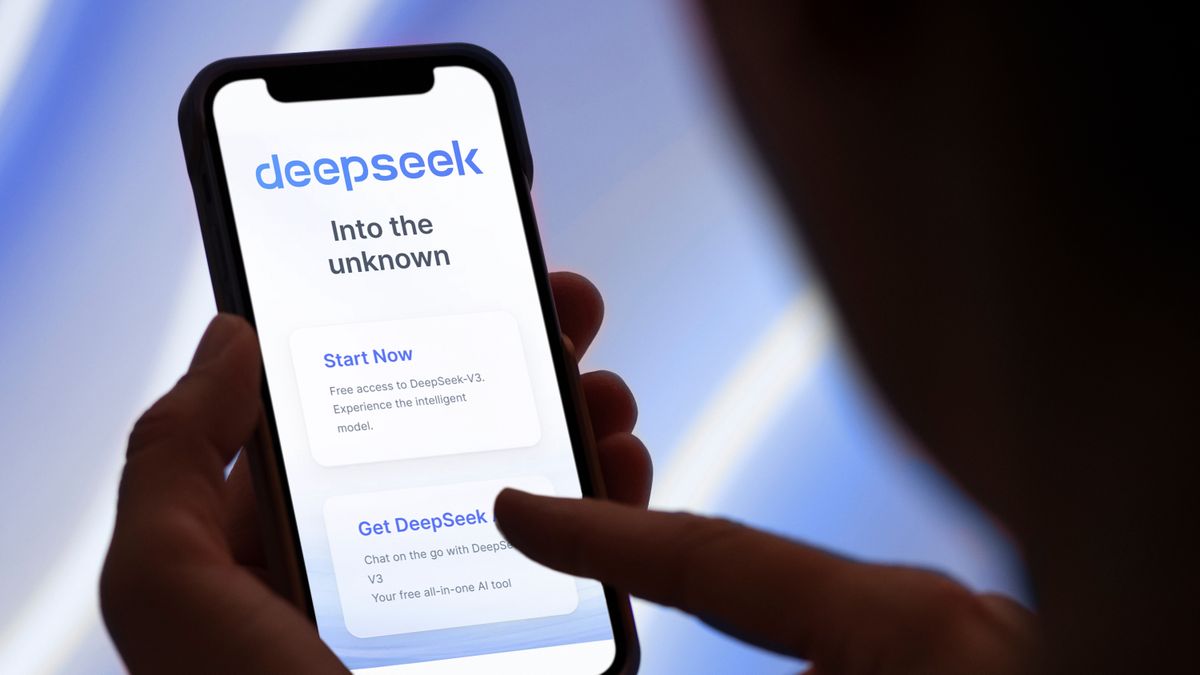
The South Korean ban came after an assessment of DeepSeek's privacy policies found shortcomings in protecting user data. According to authorities, The application did not comply with local data protection regulations and presented vulnerabilities that could facilitate unauthorized access to personal information.
The PIPC has noted that the app will continue to work for those who already have it installed, but has advised users to avoid entering personal data until security concerns are resolvedMeanwhile, DeepSeek has appointed a local representative to work with South Korean authorities to bring the service into compliance with the country's laws.
Although there is always the possibility of Using DeepSeek locally on Windows 11 to avoid connections with external servers. This way of using AI is perfect for preventing our conversations and requests from being shared with external servers.
Reactions and background of suspension
DeepSeek has been blocked in other countries before its blockage in South Korea. Italy, for example, ordered the app removed from its digital stores in late January due to similar concerns about data protection. In the United States, artificial intelligence has also been banned on government devices, citing potential data protection risks. national security.
The South Korean government had already watched the launch of DeepSeek with caution, and Several ministries and government agencies had restricted its use on official devicesCompanies such as Hyundai Motor had also taken steps to prevent employees from using the app amid concerns about how DeepSeek handled user information.
The future of DeepSeek in South Korea
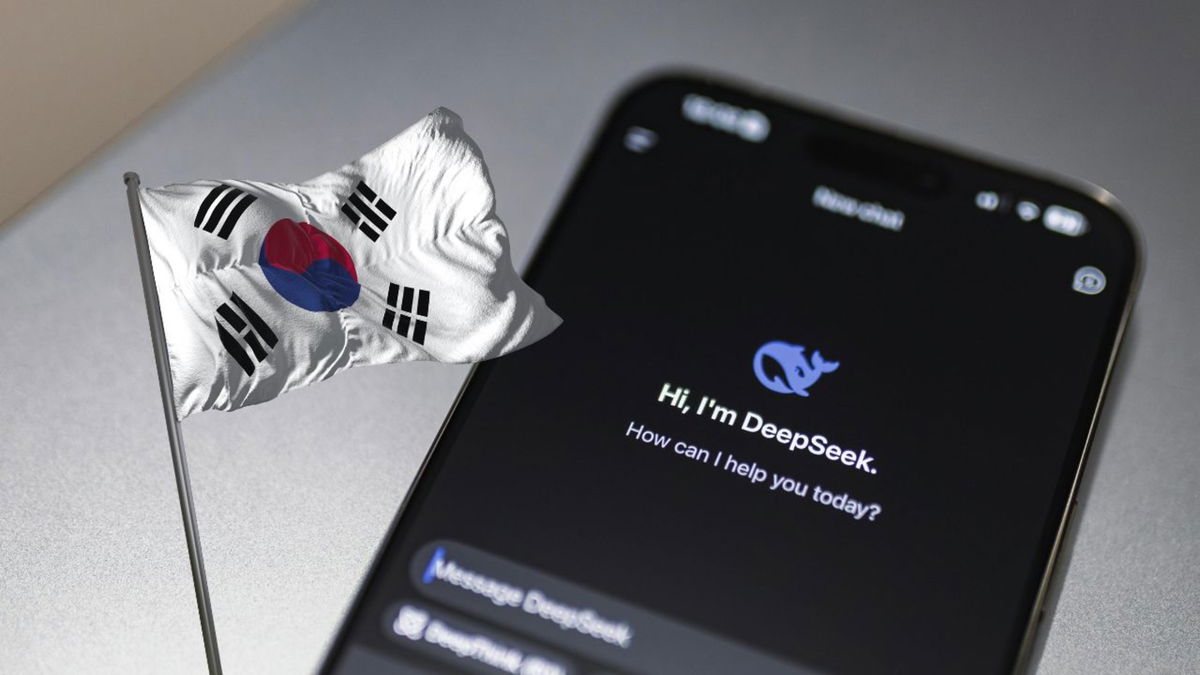
Despite the blockade, The Chinese company has shown willingness to comply with regulations and correct the issues raised by the South Korean regulator. In a recent statement, DeepSeek acknowledged that its global launch had not adequately considered the privacy laws of each country and has pledged to work on adjustments to regain access to the South Korean market.
The PIPC has indicated that if DeepSeek implements the necessary improvements, the app could be made available again in the country's app stores. However, the review process could take time, and The company must demonstrate a real commitment to the protection of user data before the restriction is lifted.
The controversy surrounding DeepSeek is part of a broader debate over the regulation of artificial intelligence globally. As these models advance and become integrated into everyday life, authorities are seeking to balance technological innovation with the need to ensure privacy and security of the users.

I am a technology enthusiast who has turned his "geek" interests into a profession. I have spent more than 10 years of my life using cutting-edge technology and tinkering with all kinds of programs out of pure curiosity. Now I have specialized in computer technology and video games. This is because for more than 5 years I have been writing for various websites on technology and video games, creating articles that seek to give you the information you need in a language that is understandable to everyone.
If you have any questions, my knowledge ranges from everything related to the Windows operating system as well as Android for mobile phones. And my commitment is to you, I am always willing to spend a few minutes and help you resolve any questions you may have in this internet world.