- A large European study (86.149 people, 27 countries) links multilingualism with a lower risk of accelerated aging.
- Dose-response effect: the more languages used, the greater the protection; monolinguals have approximately twice the risk.
- Measurement with “biobehavioral age gap” based on 14 indicators and AI models, adjusting for social, environmental and linguistic factors.
- Relevance for Spain and the EU: support for educational and public health policies that promote the active use of several languages.

Speaking more than one language daily is associated with a slower biological agingThat is the main conclusion of an international study published in Nature Aging that analyzed population data from Europe and found a clear pattern: Multilingualism works as a protective factor against deterioration associated with age.
The study, with significant participation from teams in Spain, describes a cumulative effect: The more languages that are used regularlyThe greater the protection, the higher the number of languages spoken. The figures show that monolingual people have a significantly higher risk of exhibiting markers of accelerated aging.
What the new study says
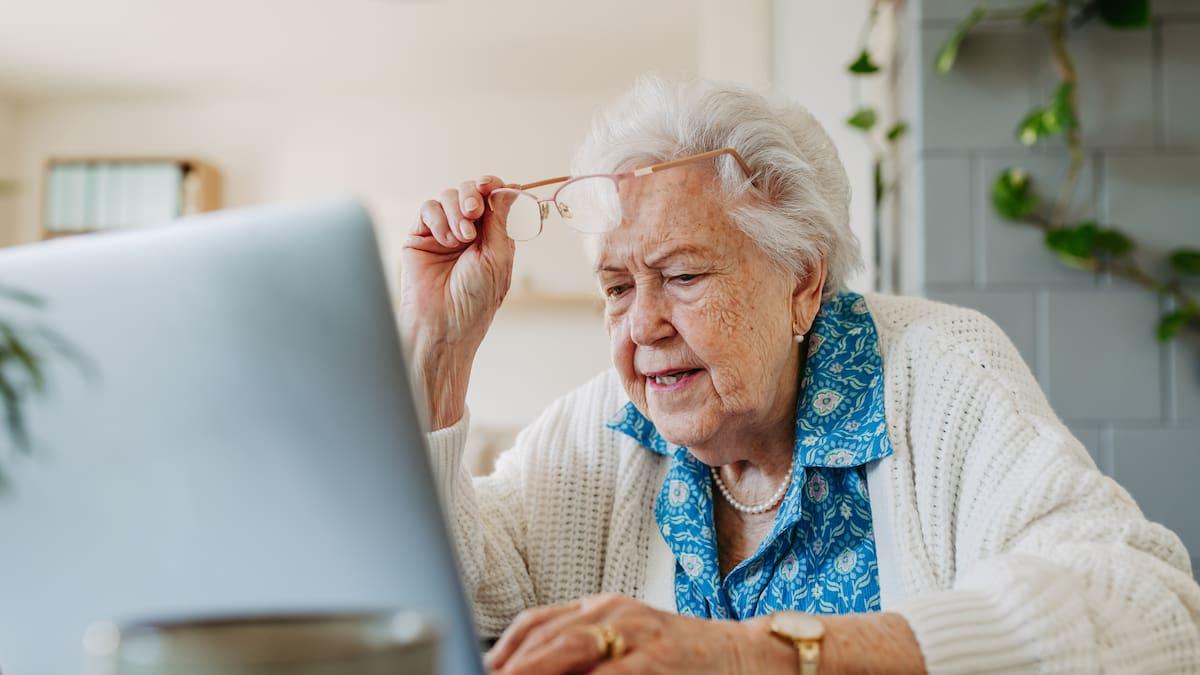
The analysis included 86.149 adults between 51 and 90 years old from 27 European countries and assessed whether their “real” (biobehavioral) age was higher or lower than expected based on health and lifestyle. Compared to monolingual individuals, multilingual people showed, on average, about half the likelihood of exhibiting accelerated aging, with a dose-response relationship clear.
Among the finer findings, the team observed that being bilingual was associated with a appreciable reduction of risk of accelerated aging, which increased with trilingualism and continued to grow with four or more languages. In other words, the benefit is incremental.
The authors point out that, in European contexts where the use of several languages is common, health trajectories In old age, outcomes tend to be more favorable. This pattern was repeated in all age groups in the study and was more pronounced in older age groups.
How was biobehavioral age measured?
To estimate the difference between chronological and biological age, the team developed a model of artificial intelligence It integrates 14 indicators of health and functionality (blood pressure, physical activity, autonomy, vision and hearing, among others). Only a small part of these measures is strictly cognitive; the "clock" reflects the organism as a whole.
The model was adjusted by multiple lifetime exposures (exposome): socioeconomic level, migration, air quality, inequality, sociopolitical context and even the distance between languages (combining closely related languages does not require the same effort as combining very different linguistic systems).
The metric used, known as biobehavioral age gapThis allowed researchers to classify whether a person ages faster (positive values) or slower (negative values) than expected. With this approach, the protective effect of multilingualism remained after all adjustments.
Key results in Europe and in Spain
The data shows that the monolinguals They have approximately twice the risk of accelerated aging than those who use several languages. As the number of languages increases, the probability of aging beyond the expected age decreases steadily.
In the European context, Nearly 75% of the working-age population reports speaking more than one languageHowever, there are regional differences: The Nordic countries lead in bilingualism levelswhile southern Europe lags behind. Spain, due to its linguistic diversity, is an interesting case study for evaluating the real impact of everyday multilingualism.
The investigation involves institutions such as the Basque Centre for Cognition, Brain and Language (BCBL) and the BarcelonaBeta Research Centre. A specific study is being prepared in Spain to compare the effect of closely related languages (e.g., Catalan-Spanish) versus more distant languages (e.g., Basque-Spanish), with preliminary indications of greater protection when languages are typologically similar.
Possible mechanisms: from brain to body
The most widely accepted explanation is that Multilingualism demands constant executive control: activating one language, inhibiting the other, alternating rules, and managing interference.That “training” reinforces brain networks of attention and memory, precisely those most vulnerable to the passage of time.
But it doesn't stop at the brain. Using multiple languages expands social networks, reduces stress, and can promote... cardiovascular and metabolic healthThe result is multilevel resilience: biological, cognitive, and social, with systemic benefits.
Independent experts have compared this process to a “mental gym"everyday: the more the linguistic control network is used, the stronger it becomes, which helps to sustain functioning with age."
Implications for public policy and for daily life
The authors propose incorporating the learning and active use of languages to public health strategies, in parallel with physical activity or healthy eating. Beyond the school setting, they recommend creating real opportunities for use for all ages.
Furthermore, they point out that other challenging activities—music, dance, arts, chess, or strategic video games—also contribute to a Healthy agingThe important thing is to maintain sustained stimulation of complex cognitive and emotional networks.
- Practice the language in real-life contexts: conversation, volunteering, reading and media.
- Combining closely related languages and, where possible, more distant systems to complementary challenges.
- Sustaining use over time: the Frequency and social interaction make the difference.
However, the research is large-scale observational: It shows robust associations, not unequivocal individual causalityFuture lines will integrate biobehavioral “clocks” with brain biomarkers (neuroimaging/EEG) and epigenetics to pinpoint the mechanisms.
The available evidence suggests that multilingualism, especially when practiced actively And sustained, it acts as an accessible factor to promote healthier aging in Europe and Spain, with the potential to inspire educational and health policies that take advantage of this everyday lever.

I am a technology enthusiast who has turned his "geek" interests into a profession. I have spent more than 10 years of my life using cutting-edge technology and tinkering with all kinds of programs out of pure curiosity. Now I have specialized in computer technology and video games. This is because for more than 5 years I have been writing for various websites on technology and video games, creating articles that seek to give you the information you need in a language that is understandable to everyone.
If you have any questions, my knowledge ranges from everything related to the Windows operating system as well as Android for mobile phones. And my commitment is to you, I am always willing to spend a few minutes and help you resolve any questions you may have in this internet world.