- Super apps integrate multiple services such as messaging, payments, and transportation into a single interface, eliminating the need for multiple applications.
- While Asia and Latin America have already successfully adopted this model, Europe is progressing more slowly due to privacy regulations and consumer habits.
- Artificial intelligence and multi-platform interoperability are the driving forces behind the evolution of these tools by 2026.

Sometimes, glancing at our phone screen is like walking into a chaotic warehouse. We have an app for every little thing: one for ordering a burger, another for calling a taxi, another for chatting with friends, and yet another for managing our bank accounts. It's what some call the virtual Diogenes syndromewhere we accumulate dozens of icons that we barely use but are reluctant to delete, turning the search for a simple tool into a real digital odyssey.
However, while we continue jumping from one app to another, in Asia they've already made the leap to a very different reality. There, the so-called "calls" have triumphed. super appsThese are colossal platforms that bring together virtually every imaginable service in one place. It's not just a matter of convenience, but a complete shift in how we interact with technology, one that will inevitably take hold in the European market.
What exactly does the concept of a Superapp consist of?
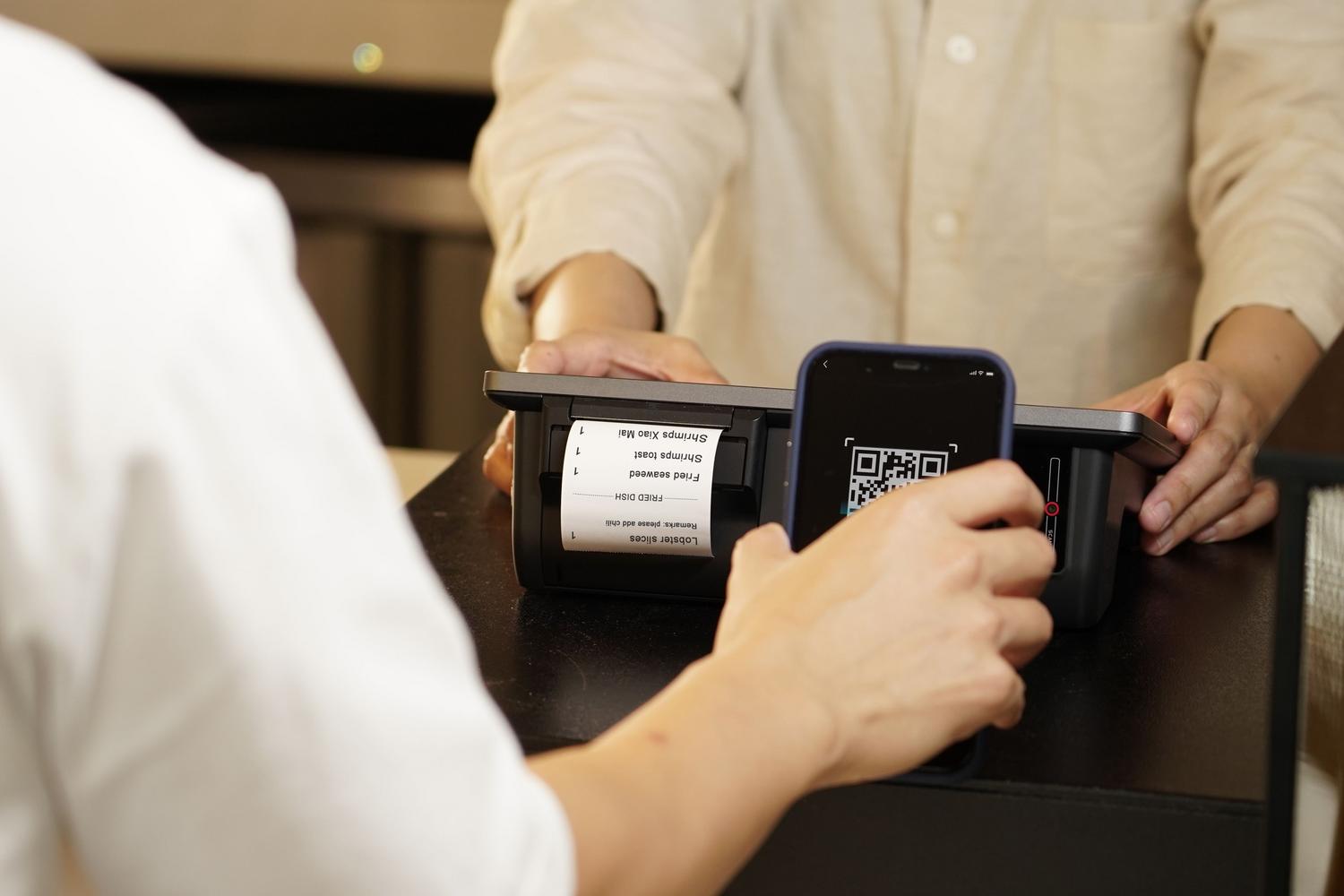
To put it simply, a superapp is a tool that solves several user needs without the user having to leave the platform. Instead of downloading twenty different apps, you have one centralized interface where you can send a message, pay a bill, book a hotel, or request a dog walk. The goal is to retain the user's attention for as long as possible by offering a seamless and efficient experience.
These platforms weren't born giants; most started by offering a very specific service and added layers of functionality over time. WeChat is the master exampleSince it started as a WhatsApp clone and ended up becoming the nerve center of digital life in China, with over 1.200 billion users. What makes this model work perfectly is the full integration of payments, which allows any transaction to be instantaneous.
The map to success: From Asia to Latin America
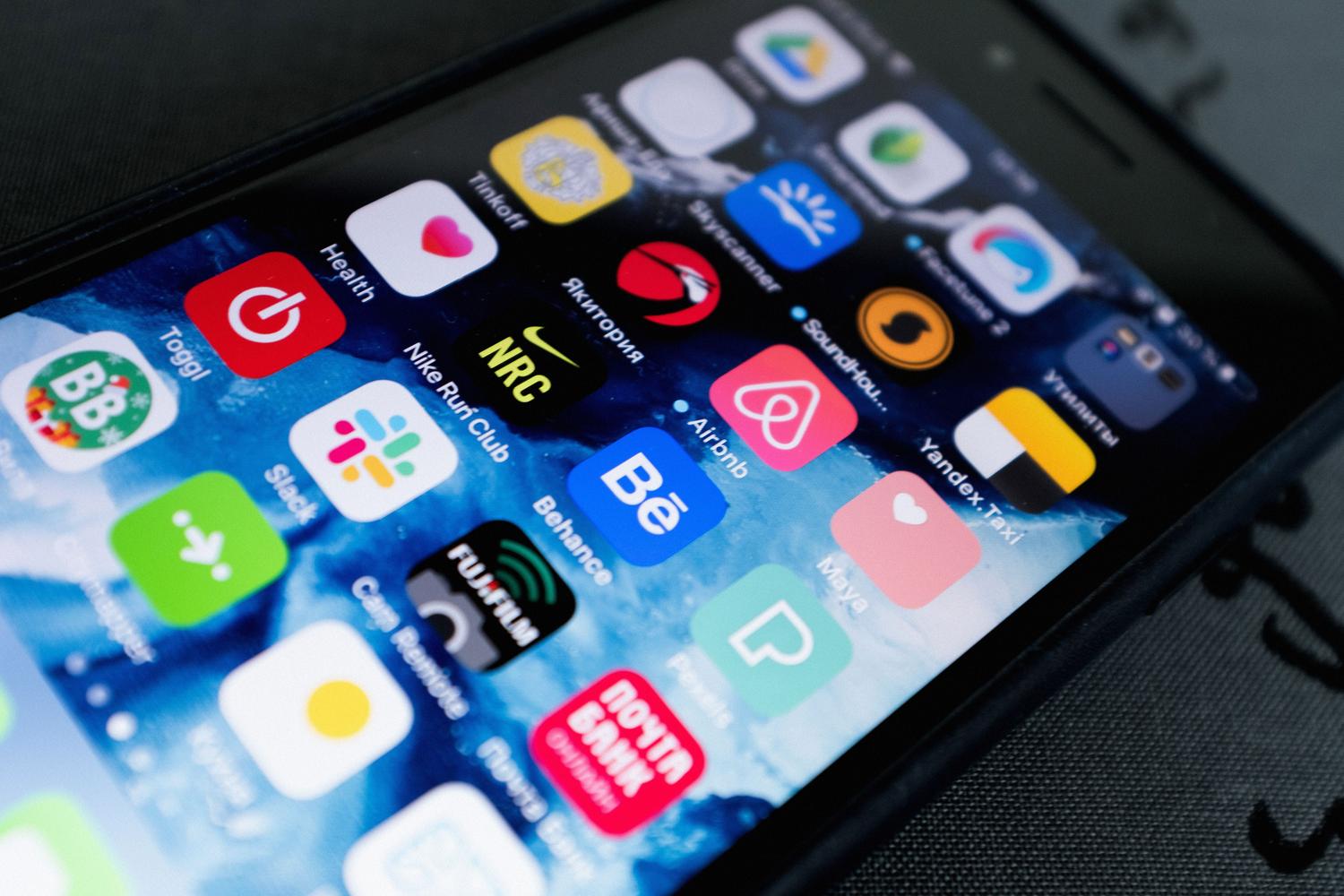
Looking at the global landscape, the United States and Asia dominate, leaving Europe in a rather secondary role. In Southeast Asia, we have impressive examples such as Grab, which went from being a transportation app to offering financial services and delivery, or Gojek In Indonesia, you can book everything from massages to movie streaming. Also noteworthy is Meituan, which has managed to combine gastronomy with travel, becoming the one-stop shop for millennials and Generation Z.
This model is not exclusive to Asia. In Latin America, Rappi is the benchmarkallowing users not only to order food, but also to manage personal favors or make transfers through Rappipay. In Central America, apps like Omni They follow the same path. The key to their success is that in these regions users adapted to mobile more directly, without going through the traditional web services ecosystem we had in the West.
The road to Europe: Challenges and barriers

Will these apps arrive in Spain and the rest of the EU? Most likely, yes, although the process will be slower and more cautious. In Europe, we have a different digital culture and, above all, a very strict legislation on privacy and monopolies. The risk is clear: handing over all our data to a single company grants it enormous power, potentially creating monopolies that limit consumer freedom of choice.
Even so, we are already seeing attempts. In Spain, some banking apps like BBVA's They are trying to add extra services to resemble this model. We also see platforms like Wallapop, Booking, and Airbnb expanding their functions to cover more user needs. The definitive arrival of European super apps will likely be closely linked to the evolution of artificial intelligencewhich will allow for a much more natural personalization of the experience.
Technological trends and the impact of AI towards 2026

The near future indicates that AI will cease to be a novelty and become the standard. It's no longer about using it because it's trendy, but about applying it to... intelligent user segmentationAnalyzing behaviors and purchase intentions in real time will allow apps to become not just tools, but assistants that anticipate our needs, optimizing operational efficiency by more than 20% for companies that know how to implement it.
Another fundamental change is the shift from 'mobile first' to a cross-platform strategyThe modern user is not linear: they search on their mobile device, compare on their PC, and buy in the app. Eliminating these frictions and connecting the user across different devices is the major challenge today. Furthermore, the sector of mobile gaming It is changing its approach: it is no longer looking for quantity of downloads, but retention and quality, focusing on the user spending more time inside the game.
The digital ecosystem and global governance
As the market moves, the European Union is trying not to fall behind by International Digital StrategyThrough digital partnerships with countries such as Japan, South Korea, and Brazil, the EU seeks to promote an agenda focused on competitiveness and security. Forums such as the Trade and Technology Council are being created to reduce dependence on dominant technological powers and coordinate regulations on technology. Emerging standards and security.
In the business world, the trend is to redesign entire processes rather than simply creating AI copilots. Google, for example, is moving forward with the AP2 protocol so that... self-employed agents make secure paymentsThis paints a picture of a future where machines negotiate with each other. Added to this is the fight for content compensation through the RSL standard, which aims to ensure creators receive fair payment when their data is used to train AI models.
Digital transformation is leading us toward a scenario of uncertainty and opportunity where AI is redefining employment, reducing the influx of junior profiles but accelerating internal promotions. In this context, the ability of platforms to merge services, protect privacy, and leverage the non-determinism of technology This will determine who will dominate our digital lives in the coming years, moving us toward a world where a single app could manage our entire virtual existence. Now you know everything thanks to this article about these apps that are taking Asia by storm and could become the next big thing in Europe.
Index
