- FOMO describes the fear of missing out on meaningful experiences and the associated social anxiety, caused and amplified by constant use of social media.
- Symptoms such as excessive cell phone use, social comparisons, and low self-esteem are common, impacting both emotional health and personal relationships.
- Setting digital boundaries, practicing self-awareness, and finding a balance between online and offline life are essential to successfully managing FOMO.

We live in an era of near-constant digital connection, surrounded by notifications, social media stories, and an avalanche of information about what others are doing. In this hyperconnected context, FOMO has emerged (acronym from English) Fear of Missing Out), a phenomenon that affects more and more people who feel the fear of missing out on something relevant If they are not present at certain events, plans, or social experiences, especially those that others share on their networks. This feeling, although it may seem superficial at first, has profound implications for mental health and quality of life.
And despite popular belief, FOMO is not exclusive to young people, although it is true that the digital generation and teenagers are particularly affected. The pressure to be present, compare one's own with that of others and not miss any opportunity has become a source of anxiety, stress and feeling of emptiness. Understand what FOMO is, where it comes from, how it affects us and, above all, how to deal with this phenomenon It is essential to develop a healthier relationship with technology and with our own social life.
Definition and origin of FOMO
FOMO stands for Fear Of Missing Out, an English expression that translates as “fear of missing out.” This syndrome describes anxiety or restlessness which occurs when you think that others are having positive or exciting experiences from which you are excluded. Although the term became popular in the early 21st century, especially with the rise of social media, The feeling of exclusion is as old as humanity itself and is deeply linked to our need for belonging and social validation.
The arrival of the Internet and The proliferation of social networks has amplified this phenomenon, continually exposing us to the often idealized lives and achievements of others. Platforms like Instagram, TikTok, or Facebook, with their filters and carefully curated posts, have created a showcase where what is shown isn't always real, but it does generate the feeling that there is always something better happening somewhere else.
The idealization of what is foreign is one of the key ingredients. By seeing only the fun and successful moments of others, one tends to perceive one's own life as less attractive., which fosters negative feelingsand decisions that, in the long run, do not bring well-being: going out out of obligation, extending plans even if you don't feel like it, or spending more time and money than desired so as not to be left out.
Main symptoms and signs of FOMO
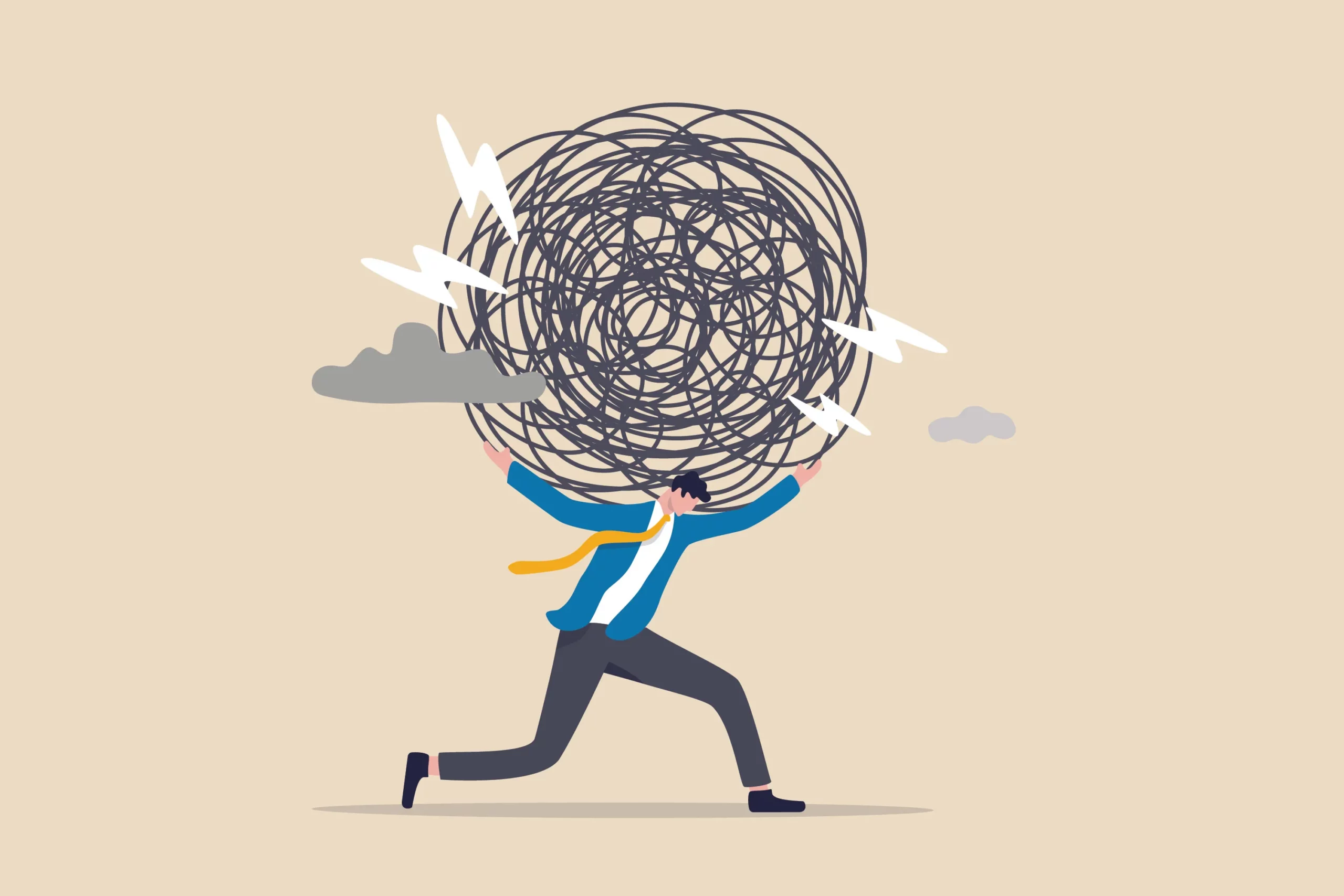
It's not easy to recognize FOMO in oneself, as many of its manifestations have become normalized, especially among younger people. Some of the most common symptoms and behaviors are:
- Constant need for connection: almost obsessively “checking” social media to make sure you don’t miss any updates or events.
- Continuous comparison: to feel envy or dissatisfaction when seeing other people's achievements and plans.
- Social anxiety: fear of not being part of the group's plans, or feeling pressured to attract attention so as not to go unnoticed.
- Difficulty disconnecting: The idea of leaving your phone or not checking notifications can cause nervousness and even insomnia.
- Self-esteem issues: perception that others lead more interesting or successful lives.
- Impulsive behaviors and stress from being in everything: Attending events half-heartedly, constantly making plans, or experiencing discomfort if you don't receive enough interaction on social media.
- Sudden mood swings, feeling of loneliness, insecurity and psychological emptiness.
- Difficulties enjoying the present: living moments thinking about sharing them or waiting for others' reactions instead of focusing on the experience itself.
Emotional and social consequences of FOMO
The repercussions of FOMO go far beyond mere momentary discomfort.. Research shows that it can cause high levels of anxiety, stress, insomnia, low self-esteem and even depressive symptoms. Next to this appears a chronic dissatisfaction, by always being aware of what is happening outside, and a greater difficulty in establishing healthy and deep relationships in real life.
In extreme cases, FOMO can lead to to social isolation: Although the person constantly seeks to be connected, they end up neglecting face-to-face relationships in favor of digital communication. At the academic or professional level, this is also observed significant declines in motivation and productivity, as attention is continually dispersed between notifications and constant comparisons.
FOMO in teens and young adults: a silent epidemic

Among teens and young adults, FOMO is especially prevalent. Several studies indicate that between 69% and 70% of young people recognize experiencing this syndrome on a regular basis. During this stage of life, the need for acceptance and belonging to the group is older, so the influence of networks and the anxiety of fitting in are difficult to manage.
It's not just about "missing a plan"; Pressure to always show an interesting life on social media, to get likes or comments and being available at all times can lead to compulsive behaviors, sleep disorders, and a deep sense of not being enough.
The root of this phenomenon is in human psychology: We all seek to feel valued, accepted, and part of a community. In a hyper-connected world, social media offers an immediate reward in the form of social interaction, but it is often a superficial and ephemeral validation that never ends up filling the emotional void.
Continuous exposure to other people's stories not only creates an insatiable desire to be in everything, but encourages comparison and self-criticismThis, combined with the lack of tools to manage the use of technology, leads to greater vulnerability to anxiety and stress.
Causes of FOMO: factors that trigger it
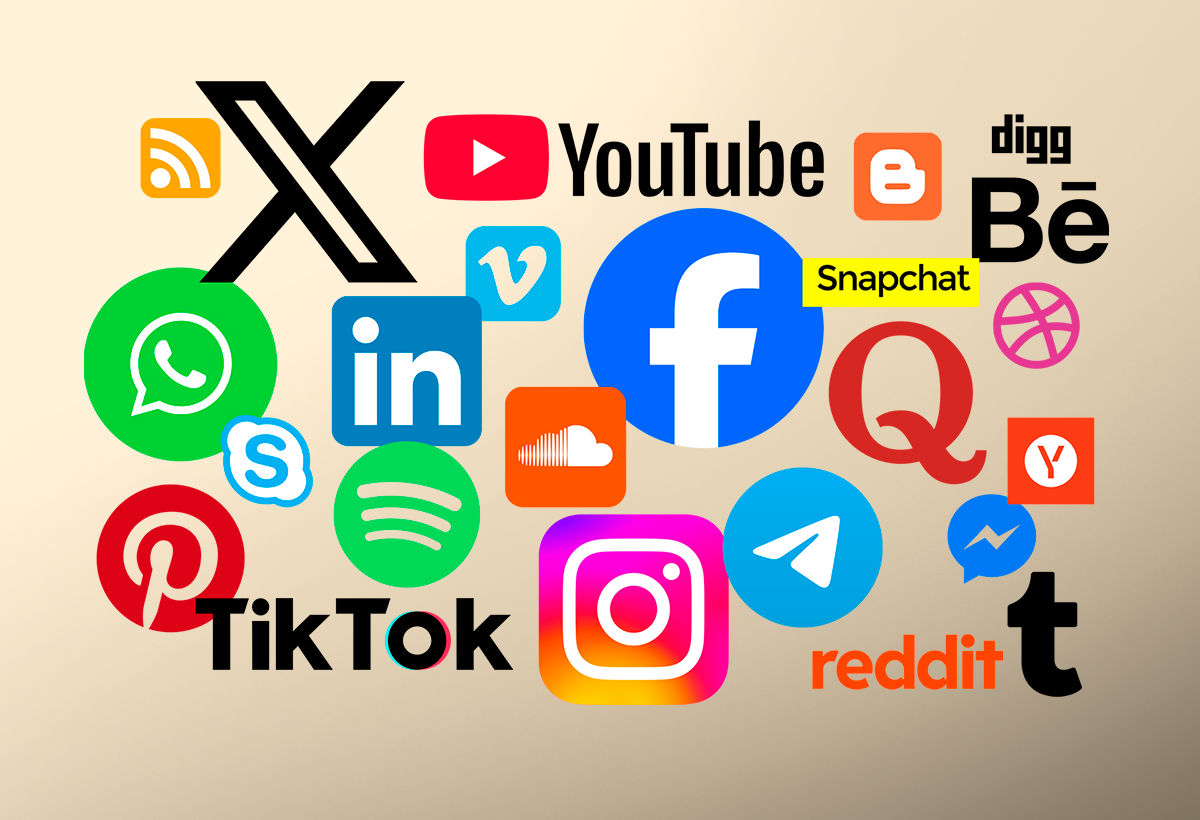
There are several main triggers of FOMO:
- Excessive use of social media and mobile devices, which encourage comparison and dependence
- The desire to always be up to date on what is happening in the social environment
- Lack of time and attention management skills
- Uncontrolled search for external validation
- Little awareness of the psychological effects derived from this intensive use
Exposure to the edited and filtered success of others To make life appear more exciting than it really is, it creates unattainable standards that fuel permanent dissatisfaction.
How to know if you suffer from FOMO
Answering "yes" to several of these questions may indicate that FOMO is present in your life:
- Do you feel anxiety or stress when you don't have access to social networks?
- Do you notice that your mood depends on virtual interactions?
- Do you often compare your experiences with those of others?
- Do you give more importance to what happens on the Internet than to what happens around you?
- Do you neglect real activities, relationships, or responsibilities to prioritize your digital life?
If the answer is yes, it's time to reflect on your use of technology and, if necessary, seek professional guidance.
Recommendations and strategies for managing FOMO
Dealing with FOMO requires a holistic and conscious approach.Here are some proven strategies:
- Practice self-awarenessIdentifying the problem is the first step. Observe how social media use and constant comparison affect your emotions.
- Set healthy boundaries When using social media: turn off notifications, set mobile-free hours, and limit connection time.
- Value the present: Focus your attention on your real experiences, without seeking external validation at every moment.
- Foster personal relationships off-screen, looking for spaces where there are no technological distractions.
- Work on gratitude: Focus on what you have and who you are, rather than what you think you lack.
The key is in learn to live with technology in a reasonable manner, accepting that it's impossible to be in everything and that real life happens, above all, off-screen. The goal isn't to give up social media, but to use it consciously and in a balanced way.
Finally, parents and other adults can play an essential role as role models for healthy technology use: encouraging device-free family activities and opening up a dialogue about the risks of FOMO will help young people grow up with a healthier relationship with digital life.

I am a technology enthusiast who has turned his "geek" interests into a profession. I have spent more than 10 years of my life using cutting-edge technology and tinkering with all kinds of programs out of pure curiosity. Now I have specialized in computer technology and video games. This is because for more than 5 years I have been writing for various websites on technology and video games, creating articles that seek to give you the information you need in a language that is understandable to everyone.
If you have any questions, my knowledge ranges from everything related to the Windows operating system as well as Android for mobile phones. And my commitment is to you, I am always willing to spend a few minutes and help you resolve any questions you may have in this internet world.