
In recent years, we've witnessed how immersive technology is transforming the way we interact with digital content. Beyond clicks and screens, this technology It immerses us in three-dimensional environments where we can not only observe, but also experienceWhat exactly is it? How does it work, and what applications is it receiving? Let's tackle this interesting topic.
What is immersive technology?
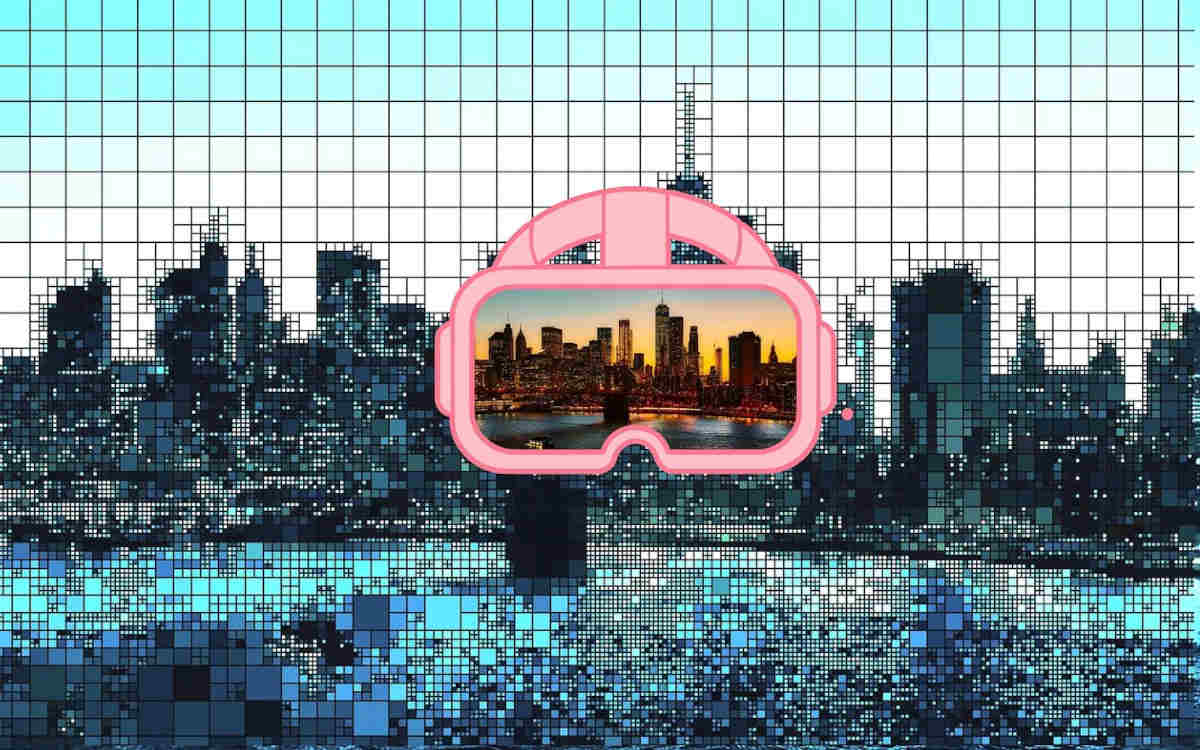
Imagine being able to study anatomy by visiting the inside of a human body, or learn about ancient cultures by touring digitally reconstructed villages and sites. This and much more is perfectly possible thanks to immersive technology. one of the most important advances of our timeWhat once seemed like science fiction is now accessible to everyone through ultra-modern, easy-to-use devices.
- In essence, immersive technology is that which manages to envelop the user in a multisensory experience through one or more systems and devices.
- These are capable of generating a feeling of real presence in virtual environments, allowing interaction with various digital elements.
- In other words, immersive reality technology creates a immersive sensory experience which makes the user feel as if they were inside that space.
It's very different from the experience of sitting in front of a screen with a mouse, keyboard, and speakers. This traditional way of interacting with the digital world is passive, unlike the active interaction offered by immersive technology. To achieve this, It uses advanced devices such as virtual reality glasses, mixed reality headsets or even haptic sensors. to increase realism.
Main types of immersive reality technology
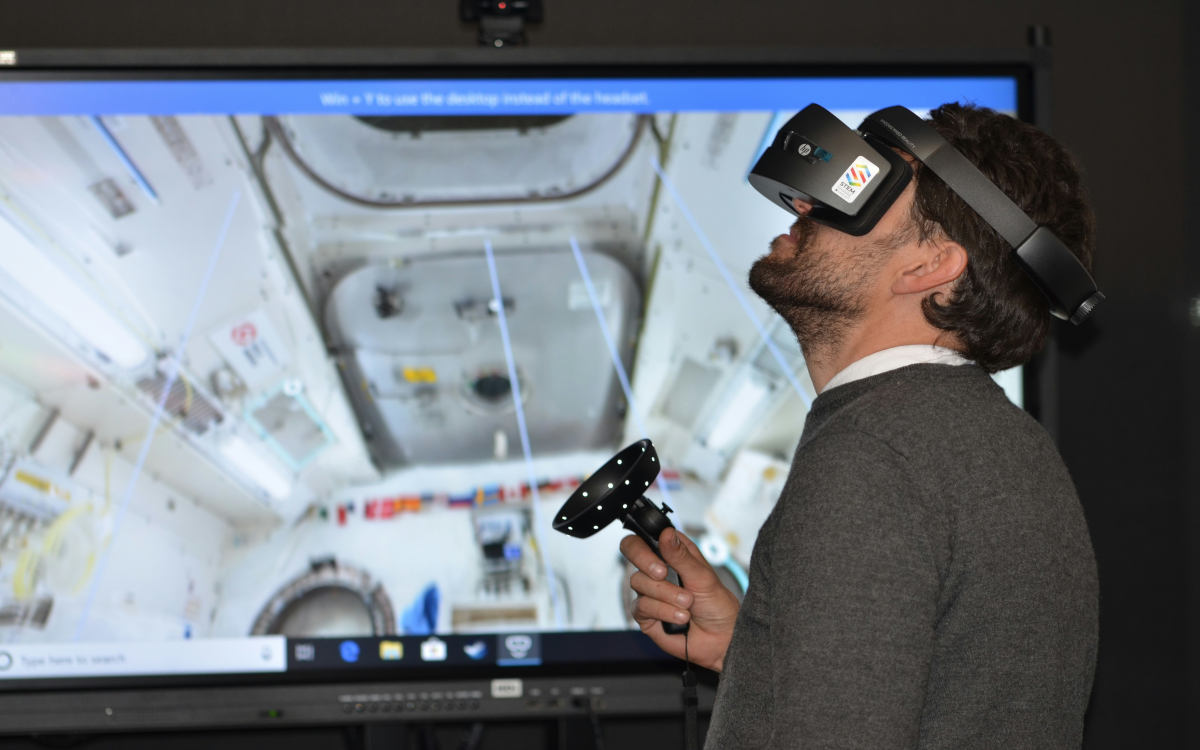
Immersive technology has seen great advances in recent years thanks to the combination of different systems and devices. That's why offers increasingly real experiences, where it's increasingly difficult to differentiate between what's real and what's virtual. Today, there are several forms of immersive technology, each with unique characteristics:
Virtual Reality (VR)
Perhaps the most well-known immersive technology is Virtual Reality (VR). Basically, what it does is transport the user to a completely digital world, blocking the entire physical environment.
A reference device for this technology is virtual reality glasses. Meta Quest, with which it is possible explore simulated worlds in 360 degreesThe same can be said of other devices that use this technology, such as the PlayStation VR2 or the HTC Vive headset.
Augmented Reality (AR)
Unlike VR, Augmented Reality (AR) is one that superimposes digital elements (images, sounds, or data) on the real world, combining the best of both worlds. Instead of isolating the user from the real world, AR allows them to interact with it more efficiently and comprehensively.
A very popular example of this type of technology is the game Pokémon GO. When a player finds a Pokémon, they can see it superimposed on the real world through the mobile phone cameraIn fact, these digital creatures appear in specific physical locations such as parks or streets, forcing the player to physically move around to find and capture them.
Of course, augmented reality is much more immersive when using other devices, such as Apple Vision ProWith them it is possible view interactive holograms or anchor apps in physical spaces, and also interact with these elements.
Mixed Reality (MR)
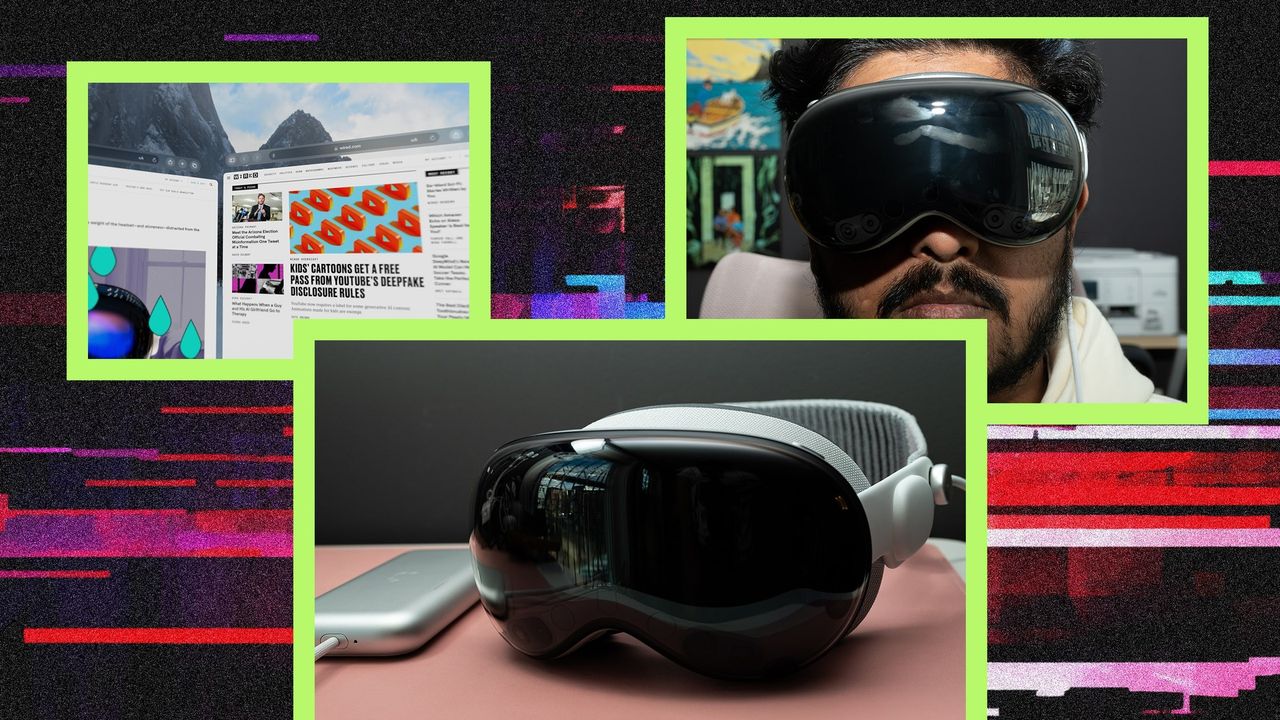
A third type of immersive technology is Mixed Reality (MR), which is nothing more than a combination of VR and ARWith it, virtual objects can interact with the physical environment in real time. Advanced spatial recognition technologies are used to achieve this, achieving a much more realistic interaction.
Again, devices like the Apple Vision Pro They manage to combine virtual reality with augmented reality. On the one hand, they can be used to explore completely digital environments; but they also offer options to take full advantage of augmented reality.
Other immersive technologies
There are also other devices that use immersive technology aimed at simulating sensations and offering a more immersive experience than traditional ones. For example, there are haptic gloves and vibrating vests, which stimulate the sense of touch by simulating impacts, textures, temperatures, etc.
Likewise, the cContent recorded in all directions, or 360º Video, is designed to create an immersive and immersive experience through visual and auditory stimulation. And we mustn't forget the technological advances that seek to connecting the brain directly to digital systems, such as the experimental Brain-Computer Interfaces (BCI) technology.
What uses and applications is immersive technology receiving?
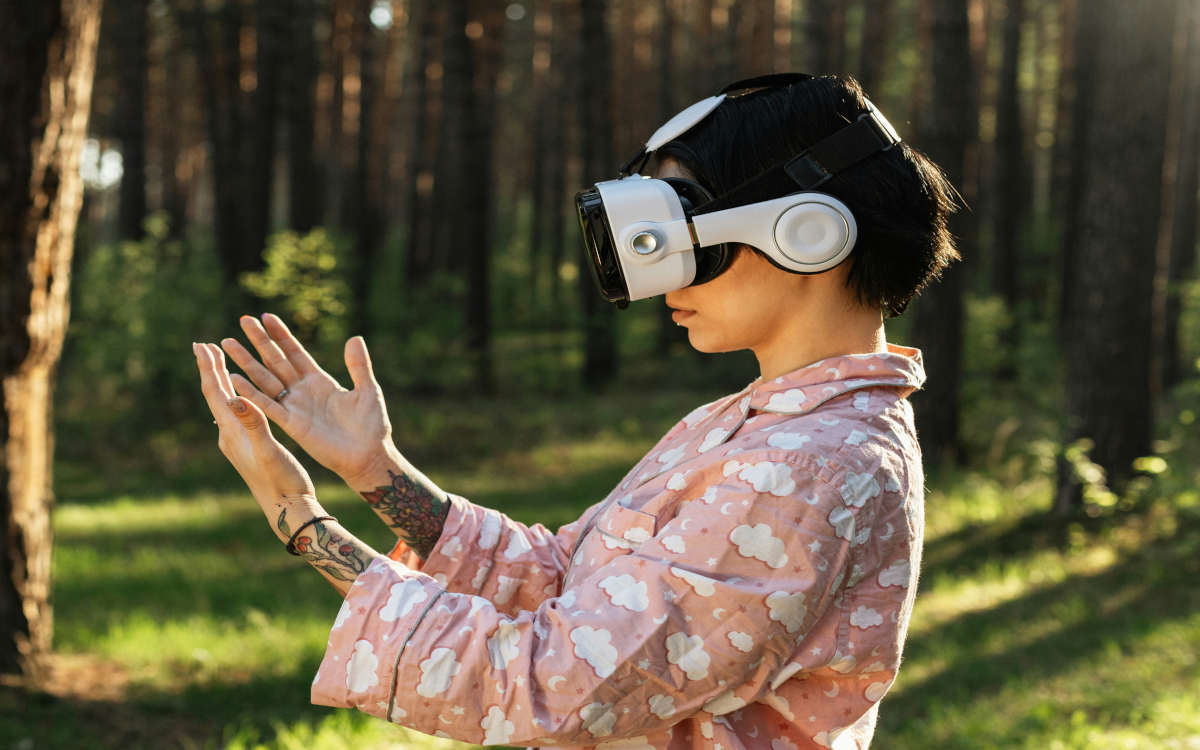
We usually use a computer or mobile phone to interact with the digital world, but this reality is changing. Devices that incorporate immersive technology are becoming more and more common., such as smart glasses and mixed reality headsets. And the truth is that this technology is currently receiving countless applications, starting in the world of entertainment and extending to medicine and business.
- Entertainment and video gamesTitles like Half-Life: Alyx offer hyperrealistic experiences. The same goes for immersive theaters with their 360º screens and movable seats.
- Education and trainingVirtual campuses for universities, medical simulators for practicing complex surgeries, school tours in augmented reality…
- Medicine and therapiesClinics using VR to treat phobias and anxiety disorders, apps like MindMaze that aid in neurological rehabilitation, and relaxing VR landscapes to reduce stress in hospitals.
- Industry and business: VR architectural designs that allow you to tour buildings before they are built, and technicians who receive instructions via augmented reality to perform maintenance on machinery.
- Retail and marketing: Immersive catwalks in the metaverse, virtual makeup and clothing fittings, or even seeing how furniture looks in your home using augmented reality.
And much more. As immersive technology advances, it is sure to receive many more uses and practical applications. So far, it has been clear that it is redefining human-digital interaction, offering experiences previously reserved for science fiction. There's no doubt we're witnessing the beginning of what will be the next technological revolution.

From a young age, I've been fascinated by all things scientific and technological, especially those advancements that make our lives easier and more enjoyable. I love staying up-to-date on the latest news and trends, and sharing my experiences, opinions, and tips about the devices and gadgets I use. This led me to become a web writer a little over five years ago, focusing primarily on Android devices and Windows operating systems. I've learned to explain complex concepts in simple terms so my readers can easily understand them.