- YouTube permanently removes the Screen Culture and KH Studio channels for posting fake AI-generated trailers that looked official.
- More than 2 million subscribers and more than one billion views are taken out of the game for violating spam rules and misleading metadata.
- The videos mixed real material with synthetic content and even surpassed official trailers from Marvel and other studios in search rankings.
- Hollywood is torn between protecting its intellectual property and the economic interest in capturing advertising revenue from this content.
The era of fake, AI-generated trailers on YouTube has just hit a pretty solid wall. The video platform Google has decided to permanently close two of the best-known channels in this field, Screen Culture and KH Studio., after months of warnings, sanctions and back-and-forth with the big Hollywood studios.
Both profiles had achieved an enviable position within the YouTube ecosystem: They had over two million subscribers and far exceeded one billion views. Thanks to trailers for movies and series that, in many cases, didn't even exist yet. The hook was in their completely plausible appearance, the result of a mix of official footage, aggressive editing and abundant generative AI.
How the fake trailer business worked

For years, Screen Culture and KH Studio became almost obligatory stops for those looking for the "first trailer" of major premieres. When you type highly anticipated titles like new Marvel releasesWhether it was reboots of classic sagas or future seasons of popular series, their videos often appeared above the official trailers.
The key lay in a highly calculated method: leverage the YouTube algorithm to rank highly in search results As soon as interest in a film or series spiked, they would release a supposed trailer, measure its performance, replace it with a slightly different version, and repeat the process as many times as necessary to keep capturing clicks.
In the case of Screen Culture, Deadline and other media outlets describe a veritable assembly line production, with a team of editors and dozens of variations of the same fictional plotAn extreme example was 'Fantastic Four: First Steps', for which they produced up to 23 different trailers that saturated searches related to the film.
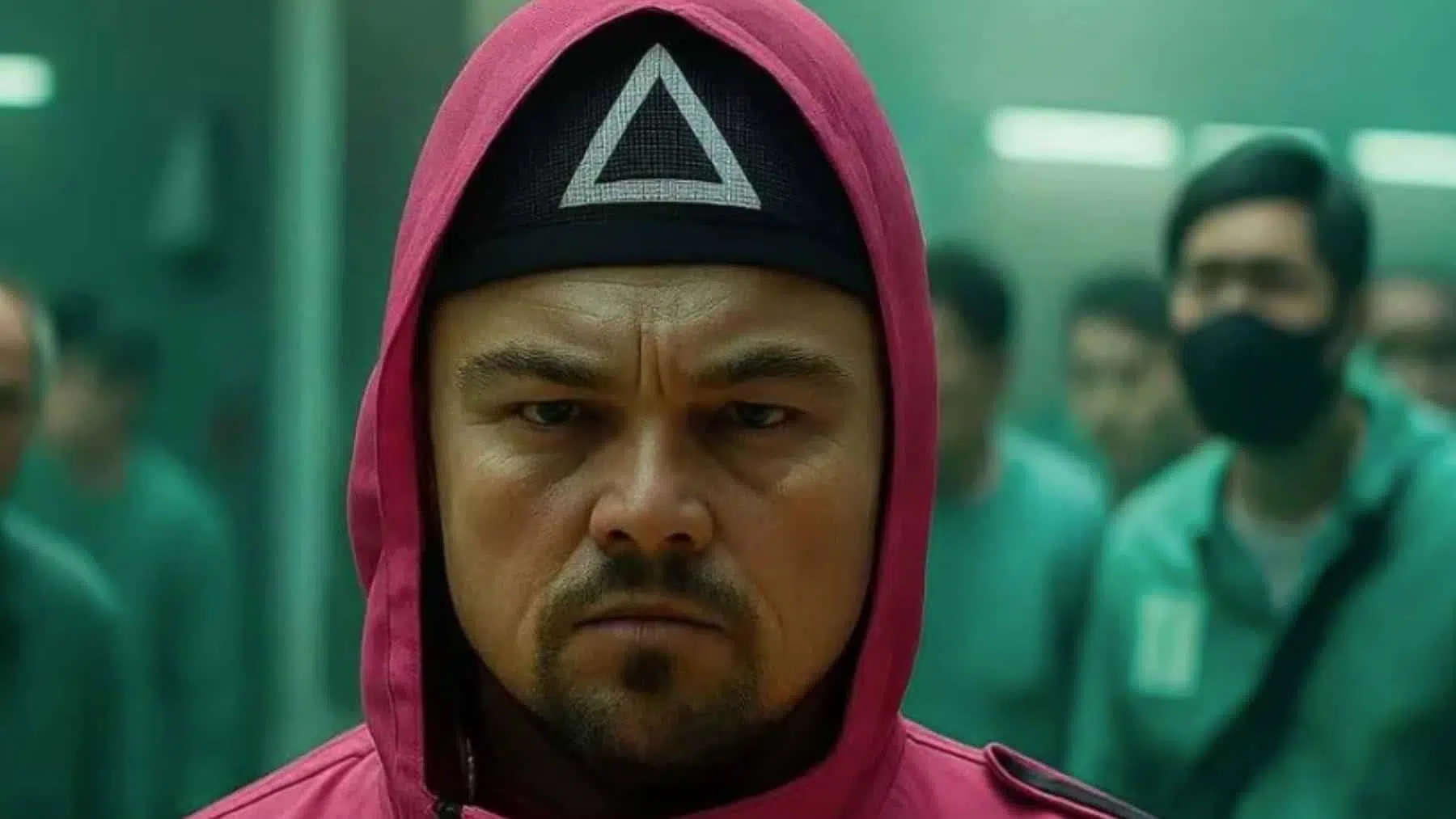
KH Studio, for its part, specialized in impossible fantasies and fan-casting: hyperrealistic montages They imagined Henry Cavill as the new James Bond, Margot Robbie in the same saga, or Leonardo DiCaprio headlining a new season of 'Squid Game'. All of this with studio logos, invented dates, and post-production polished enough to confuse anyone who stumbled across the video without context.
The formula combined real promotional clips, visual effects, synthetic voices, and AI-generated scenes to give the impression that they were leaked trailers or early previews. Many viewers assumed that it was official material.They shared it on social media and contributed to its viral spread on platforms like X, Reddit, TikTok, and others.
From mass monetization to final closure
All of this was not just a matter of technical creativity. The model was based on a A very specific crack in the YouTube ecosystem: getting there before the official marketing. and sneak into the top of the search results even before a real trailer was released. This gap allowed them to accumulate millions of views on each supposed preview, and with it, significant advertising revenue and sponsorship deals.
It is estimated that, between both channels, The cumulative views were approaching 10.000 billion. In some periods, this figure translates into several million dollars thanks to the YouTube Partner Program, pre-roll ads, direct sponsorships, and even affiliate links associated with these "exclusive" videos.
The problem is that this strategy clashed head-on with several of the platform's rules. YouTube's monetization policies require that repurposed content be significantly transformed and expressly prohibit spam, deceptive techniques and the use of false metadata to rank videos.
Following an initial extensive investigation by Deadline, YouTube reacted by suspending monetization for Screen Culture and KH Studio. The message was clear: the revenue generated by these videos was largely going to the major studios, which violated the Partner Program rules. To be reinstated in the payment system, the creators were forced to add explicit warnings such as “fan trailer”, “parody” or “concept trailer”.
For a time, That "fan trailer" label allowed both channels to regain monetization. and continued operating almost as before. However, as the months passed, the ads began to disappear from many videos, while the practices for capturing search results remained the same. The feeling in the industry was that it was simply a cosmetic change to keep the business afloat.
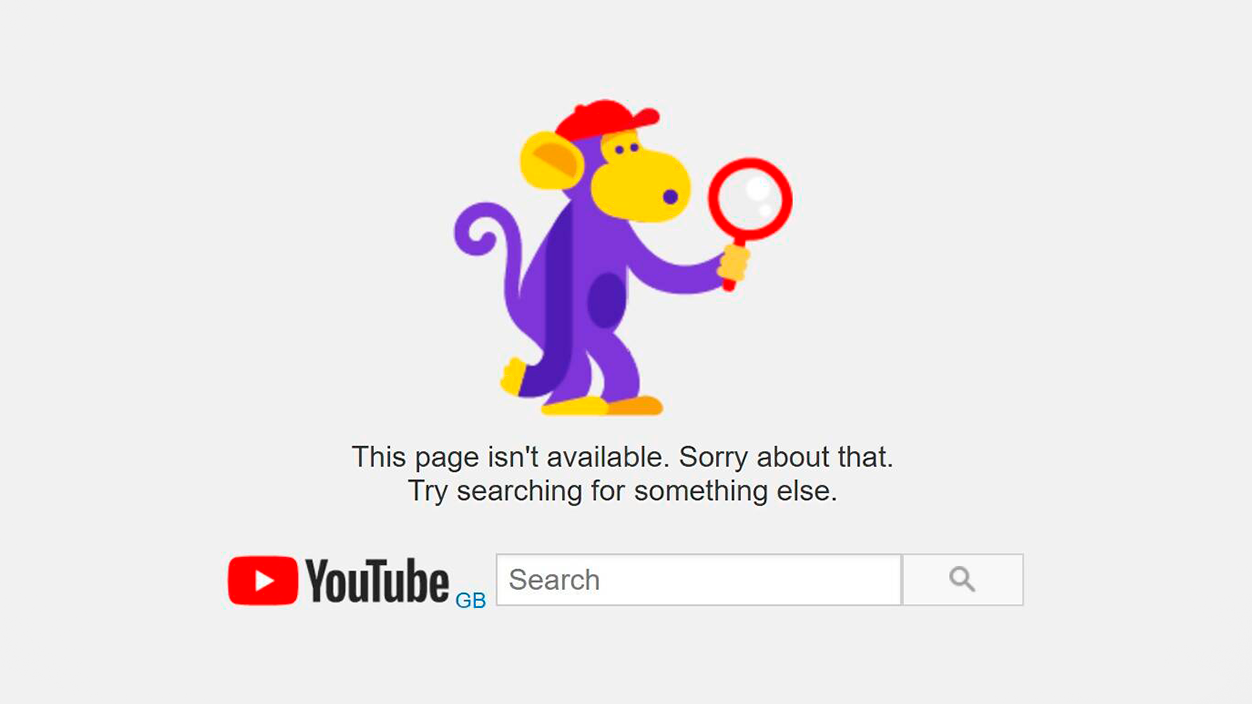
Finally, YouTube concluded that it was “clear violations” of its policies against spam and deceptive metadataThe result has been the complete closure of the channels: when trying to access their pages now, only the standard message appears, “This page is unavailable. Sorry. Try searching for something else.”
The reaction of the creators and the unease of the industry
Those responsible for these projects do not share YouTube's vision at all. Nikhil P. Chaudhari, founder of Screen Culture, has previously stated that his work was “a creative experiment and a form of entertainment for fans”He acknowledged that they mixed official footage with AI-generated scenes, but framed it as an early exploration of the possibilities of artificial intelligence applied to audiovisual marketing.
The founder of KH Studio also insisted on that point, stating that He had been working full-time on the channel for over three years. He didn't see his production as "deceptive content," but rather as a way to fantasize about impossible castings and alternate universes. His central argument was that the goal was never to supplant real releases, but to play with them.
That narrative, however, has not calmed film studios or a large part of the audiovisual sector. Major companies such as Warner Bros., Sony or Warner Bros. Discovery They had been pressing to curb the proliferation of this type of material, considering that it confuses the audience and erodes the official communication of its premieres.
In many cases, the request was not so much to delete the videos as redirect advertising revenue to rights holdersSome production companies asked YouTube if they could keep the relevant portion of the advertising revenue generated by these fake trailers, instead of demanding their immediate removal. This attitude illustrates the extent to which money has influenced the debate.
Other studies, however, opted for a more forceful approach. Disney sent Google cease and desist letters alleging that the artificial intelligence models and services used for these montages infringed their intellectual property on a large scale, as they fed on and recreated specially protected material without authorization.
Between generative AI, copyright, and user trust
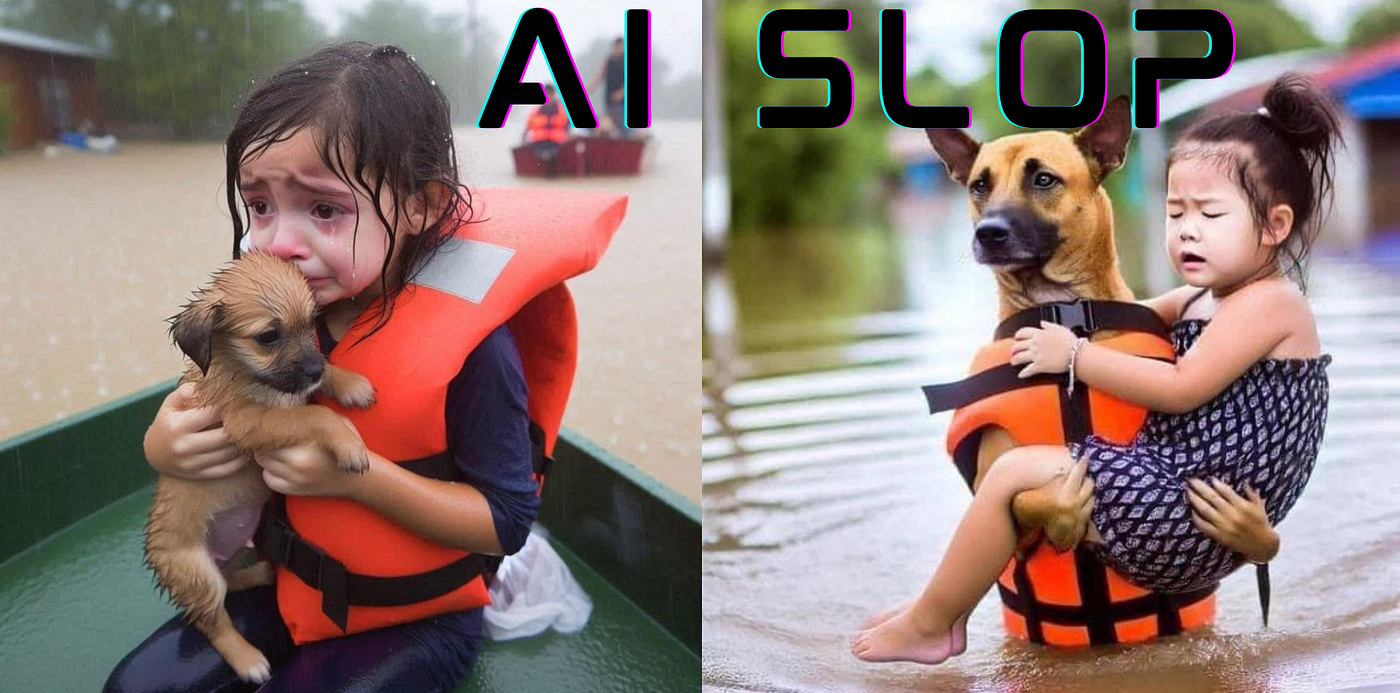
All this controversy is taking place in a context in which Generative AI is pushing copyright laws to their limits. And forcing platforms and studios to redefine their boundaries. While criticizing the indiscriminate use of their catalogs to train AI models, some major studios are negotiating multi-million dollar licenses to leverage that same technology in their own products.
Disney itself, for example, has closed a licensing and investment agreement with OpenAI so that tools like Sora can generate videos with more than 200 characters from their catalogThe underlying message is that it does not open the door to a "free-for-all" use of content, but rather to a market where everything is subject to payment and rights are perfectly priced.
For YouTube, however, the problem goes beyond who gets the advertising revenue. The company insists that the closure of Screen Culture and KH Studio falls within its policies on deceptive content, inauthentic practices, and automated mass productionThe priority, they say, is to protect trust in the search engine and in video tagging.
When a supposed “official trailer” appears in the top results and it isn't, Both the user experience and the integrity of the recommendation system suffer.Viewers waste time watching a trailer that doesn't correspond to the actual film, channels that follow the rules are sidelined, and the platform itself suffers damage to its reputation as a reliable source of information about new releases.
In recent months, YouTube has been refining its criteria for what it considers "repetitive," "low-effort," or mass-produced content using automated tools. The official line is that AI itself is not the enemy.but rather its use to flood the platform with virtually indistinguishable videos whose sole purpose is to capture popular searches at any cost.
Impact on creators and future of fake trailers
The fall of these two giants does not mean that the phenomenon has disappeared. There are still dozens of channels that replicate the same formula.With visual remixes, alternate universes, and imagined reboots of franchises like 'Harry Potter', 'The Lord of the Rings', and 'Star Wars', the difference now is that they all know YouTube is prepared to go as far as permanent closure if they cross certain lines.
For those who use AI responsibly, the platform's official message is relatively clear: Generative models may be used, provided their use is indicated and the public is not misled.For months, creators have had to tick a specific box when uploading AI-generated content, and the company insists that it does not intend to ban such videos, but rather to label them and limit uses that compromise trust.
At the same time, an uncomfortable debate opens up about to what extent Studies have tolerated or even taken advantage of artificial hype that some of these fabrications generated. When the fake trailers aligned with real projects in development, more than one executive looked the other way because the buzz benefited their franchises. When the fantasy didn't correspond to any real plan or could harm their strategies, then legal notices would arrive.
In Europe and in Spain, where Discussions on AI regulation and intellectual property protection These issues are very much on the legislative agenda, and moves like this one from YouTube serve as a barometer. The platform's decision aligns with the community's concern about combating inauthentic content, especially when it can influence public perception, affect copyright, or distort entire markets like the entertainment industry.
The next steps will determine whether the closure of Screen Culture and KH Studio remains an isolated warning to two extreme cases or whether, on the contrary, it becomes the starting point of a deeper cleanup of fake AI trailers on YouTubeThe message being conveyed to both creators and studios is quite clear: artificial intelligence can be a powerful tool for experimentation, but when it's used to fabricate releases that don't exist and play with audience expectations, the platform's patience has its limits.

I am a technology enthusiast who has turned his "geek" interests into a profession. I have spent more than 10 years of my life using cutting-edge technology and tinkering with all kinds of programs out of pure curiosity. Now I have specialized in computer technology and video games. This is because for more than 5 years I have been writing for various websites on technology and video games, creating articles that seek to give you the information you need in a language that is understandable to everyone.
If you have any questions, my knowledge ranges from everything related to the Windows operating system as well as Android for mobile phones. And my commitment is to you, I am always willing to spend a few minutes and help you resolve any questions you may have in this internet world.