- New daily time limits for YouTube Shorts on supervised accounts
- Option to completely block Shorts and activate rest and bedtime alerts
- Simplified interface and family account process for switching between adult and child profiles
- Parents play a more prominent role with Family Link: teenagers cannot turn off supervision on their own

YouTube has decided to toughen its parental controls about the consumption of short videos and is deploying a battery of Changes designed to reduce the time children and teenagers spend on Shorts and be better protected from sensitive content. The company, owned by Google, acknowledges that its platform is a key space for young people and that the infinite scrolling model can become a problem if not managed properly.
Far from proposing a total disconnection from the digital environment, the company insists that the idea is "Protecting children in the digital world, not from the digital world"To achieve this, it relies on new time limits and clearer adjustments to the supervised accounts and tools that give more weight to the Parental decision about what their children watch, how long they watch it, and from what type of profile they access YouTube.
New time limits for Shorts and total blocking if parents decide
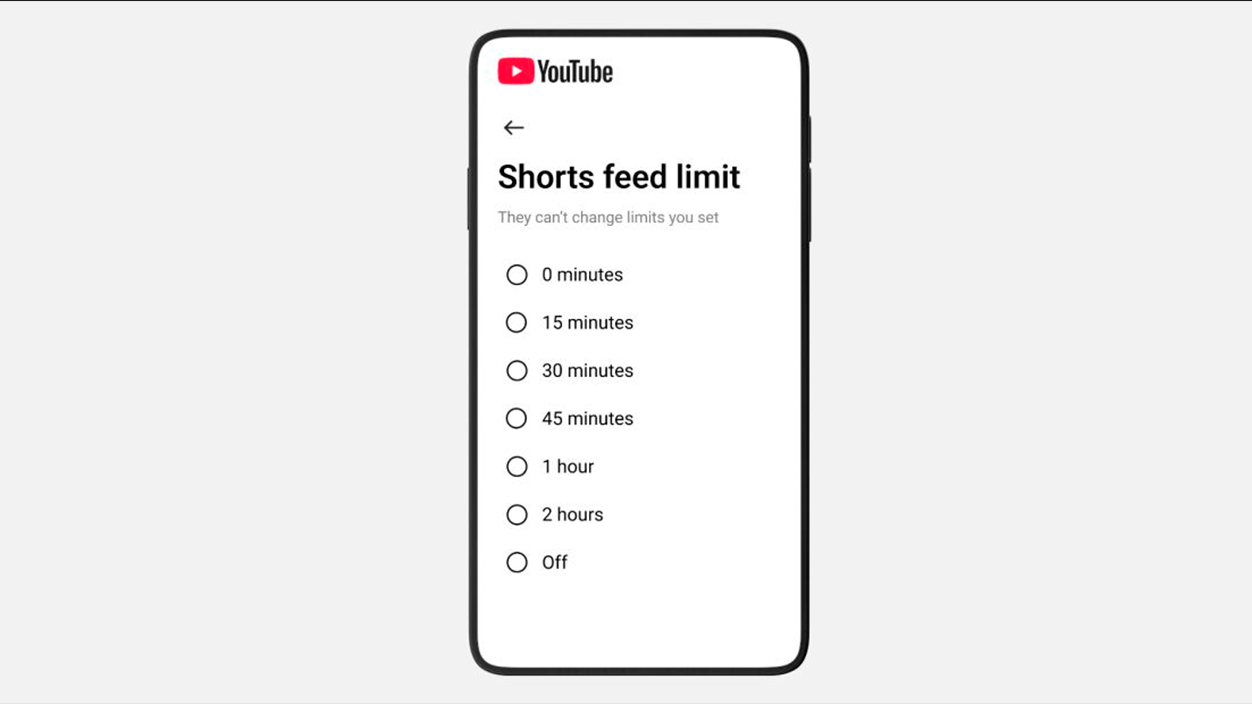
The most noticeable change directly affects short videos. From now on, Parents will be able to set a daily time limit for their children to watch YouTube Shorts, with a range from zero minutes up to a maximum of two hours per dayThe goal is to put an end to the endless commutes that cause so many headaches for families.
The configuration allows, for example, completely block access to Shorts during study hours or rest periods, and later extend the time to 60 or 120 minutes during more relaxed times, such as a long trip or the weekend. In many cases, these limits can be set in predefined time slots, making it easier for adults to adjust usage to each child's daily routine.
In addition to the minute limit, YouTube is strengthening its digital wellbeing tools by incorporating personalized bedtime reminders and reminders to take breaksThese notifications, which already existed for younger users, are now better integrated with the new controls so that teenagers are more aware of the time they spend in front of the screen.
The platform insists that these adjustments are not only for minors. Adult users can also activate reminders and self-limit their own Shorts consumptionThis aligns with the general trend in the technology sector to promote more balanced digital habits across all age groups.
Behind these decisions lies the growing concern of families, health experts, and European regulators about the impact of constant exposure to short, highly addictive content served by recommendation algorithms. YouTube acknowledges that short videos are designed to maximize viewing timeThat is why it now offers specific tools to break that cycle when parents deem it appropriate.
Clearer interface and easier-to-manage supervised accounts

Along with the new Shorts limits, the company is introducing changes to how supervised accounts are displayed and managed. The app's home screen will more closely resemble the YouTube app experience on televisions.making it much clearer which profile is active at any given time and who is actually using the device.
This revamped interface aims to Avoid confusion when switching between adult and child accountsThis is common in homes where mobile phones or tablets are shared. With the new login experience, it will be more obvious when a parent is on their own profile and when they have switched to a supervised profile, thus reducing the risk of the algorithm recommending adult videos to teenagers.
The company has also simplified the process of registering child and youth profiles. Creating a supervised account for a minor will now be a more guided processThe settings clearly explain the content options, age restriction levels, and parental controls available. This makes it less likely that a quick, careless setup will leave children exposed to inappropriate material.
In supervised accounts, Responsible adults can adapt the type of videos available to the child's developmental stage.From content clearly aimed at children to a broader catalog for teenagers, always filtered by age. YouTube emphasizes that it already applied automatic restrictions for younger users, but now intends to make these settings more transparent and easier to review.
These changes to account management align with the European regulatory framework, which requires large platforms to be clearer in their interface designs to avoid what is known as “dark patterns”That is, elements that push the user to make less safe or less informed decisions without realizing it.
More educational recommendations and protection against sensitive content

Beyond screen time, the platform has focused on the type of content teenagers watch. YouTube says it has reviewed the algorithm that decides which videos are recommended to young users.with the idea of prioritizing pieces that encourage curiosity, skills learning, personal development and well-being.
In practice, this means that Youth profiles should receive more recommendations for educational, informative, and high-quality videos.And even less so those that display unhealthy consumption patterns or problematic messages. According to the company, mechanisms already existed to limit repeated access to potentially harmful content, such as videos that idealize certain body types or depict risky behaviors, but these are now being strengthened to prevent "chains" of content that could affect mental health.
To refine this approach, Google and YouTube have collaborated with specialized organizations such as Save the Children and Digital Wellness Labwho have provided criteria on what constitutes "high-quality content" in the context of children and adolescents. The intention is that, when a minor opens the application, the likelihood of encountering useful and appropriate videos is greater than the likelihood of finding sensationalist or overly commercial material.
In parallel, YouTube has been working on a set of guiding principles for creators whose primary audience is teenagersThese voluntary recommendations encourage the production of entertaining yet age-appropriate videos, prioritizing educational and inspirational content over pure, empty entertainment. While not legally binding, the company hopes they will establish a standard of best practices within the creator community.
This line of work aligns with the demands of various European bodies and with online child protection initiatives, which have long been calling on large platforms to assume a more active responsibility for the impact of their algorithms on minorsinstead of shifting the entire burden onto families.
Family Link: Teenagers can no longer remove parental controls on their own
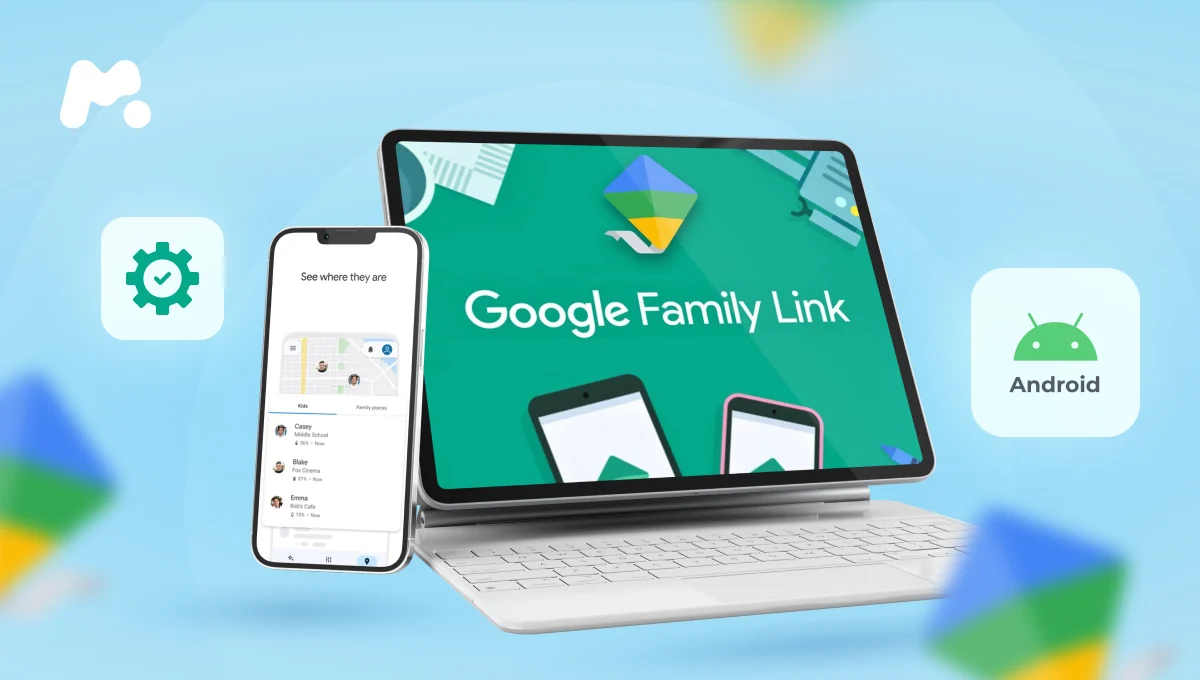
The new controls on YouTube go hand in hand with changes in Family Link, Google's parental control tool for Android and iOSUntil now, when a minor turned 13 (the usual minimum age to register for many online services), they had the possibility of disable monitoringThis had generated concern among parents and child safety experts.
Following the controversy sparked by some screenshots on social media, which showed the warning that From the age of 13, supervision could be removed without adult permission.Google has changed its policy. From now on, for a teenager to stop being supervised, explicit approval from their parents or legal guardians will be required.
Kate Charlet, head of Privacy, Security and Protection at Google, explained that The new rule ensures that protections remain active until both parties, parents and children, consider that the time has come to give more digital autonomy.In this way, the decision no longer rests solely with the minor once they reach the minimum age, something that had been criticized by child protection associations.
These changes to Family Link are being rolled out globally and directly affect the management of usage time, allowed applications, and the type of accessible content For teenagers. In the specific case of YouTube, the integration between the video app and the parental control tool makes it easy to manage everything from a single panel: Shorts limits, access to features, viewing history, and more.
With this move, Google It partly responds to the demands These concerns come from Europe and other regions, where it is questioned whether large technology companies should unilaterally determine when a minor is ready to operate without adult supervision.
Artificial intelligence to estimate age and convergence with other platforms
The latest developments in parental controls are also based on the use of age estimation systems based on artificial intelligenceYouTube has begun using this technology to identify teenage users even if they entered an inaccurate date of birth when creating their account, with the idea of automatically placing them in more restrictive settings that are appropriate for their stage of life.
According to the company, these systems analyze various usage patterns and internal signals to detect when a profile is likely to belong to a minor And, in that case, activate safeguards, filtered recommendations, and functionality limits. Although YouTube doesn't go into too much technical detail, it states that this approach aims to reduce the gap between the user's real age and the age they declare, a common practice among teenagers and also present in services where it's necessary Verify your age on Roblox.
These types of measures are not exclusive to YouTube. Other platforms such as Instagram, as well as artificial intelligence services like ChatGPT or Character.AIThey are also deploying additional age verification or estimation systems and new layers of parental control. The trend points toward a scenario in which major digital services will offer, at a minimum, a basic set of tools so that parents can monitor and limit their children's use of these services.
In the European context, where the Digital Services Regulation (DSA) and the General Data Protection Regulation (GDPR) set clear restrictions on the processing of data of minors, These initiatives are interpreted as an attempt to anticipate even stricter regulations.The EU institutions have made it clear that They expect the platforms to make an additional effort to protect young usersespecially in the face of targeted advertising and potentially harmful content.
YouTube itself maintains that these age estimation technologies are combined with the preferences expressed by parents and Family Link settings, so that They do not replace adult supervision, but rather complement it. when the system detects behaviors or patterns typical of a teenage user.
More control for families without giving up the benefits of online video
With the arrival of the new Shorts limits, rest alerts, the simplification of supervised accounts, and the strengthening of Family Link, YouTube is trying to find a balance between the platform's enormous appeal to minors and the need to reduce risks. associated with excessive screen time and exposure to sensitive contentThe company is now putting more tools in the hands of parents, but at the same time insists that family support and dialogue remain key.
For families in Spain and the rest of Europe, these changes mean having access to a more comprehensive set of options to adapt the YouTube experience to the reality of each homeFrom households where very strict control of access to Shorts is sought, to others where more flexible but well-defined usage limits are preferred.
In a digital environment that is increasingly present in the daily lives of children and adolescents, the combination of technical controls, clear information and active supervision by adults is emerging as the most realistic way to take advantage of the benefits of the network while minimizing its most problematic effects.

I am a technology enthusiast who has turned his "geek" interests into a profession. I have spent more than 10 years of my life using cutting-edge technology and tinkering with all kinds of programs out of pure curiosity. Now I have specialized in computer technology and video games. This is because for more than 5 years I have been writing for various websites on technology and video games, creating articles that seek to give you the information you need in a language that is understandable to everyone.
If you have any questions, my knowledge ranges from everything related to the Windows operating system as well as Android for mobile phones. And my commitment is to you, I am always willing to spend a few minutes and help you resolve any questions you may have in this internet world.