- The Shilin (Taiwan) Prosecutor's Office issued an arrest warrant for Pete Lau, CEO and co-founder of OnePlus, for allegedly illegally hiring engineers.
- He is accused of creating a corporate structure in Hong Kong and Taiwan to recruit more than 70 R&D professionals without government authorization.
- OnePlus reportedly channeled around $72 million to fund salaries, equipment, and operations for this covert team.
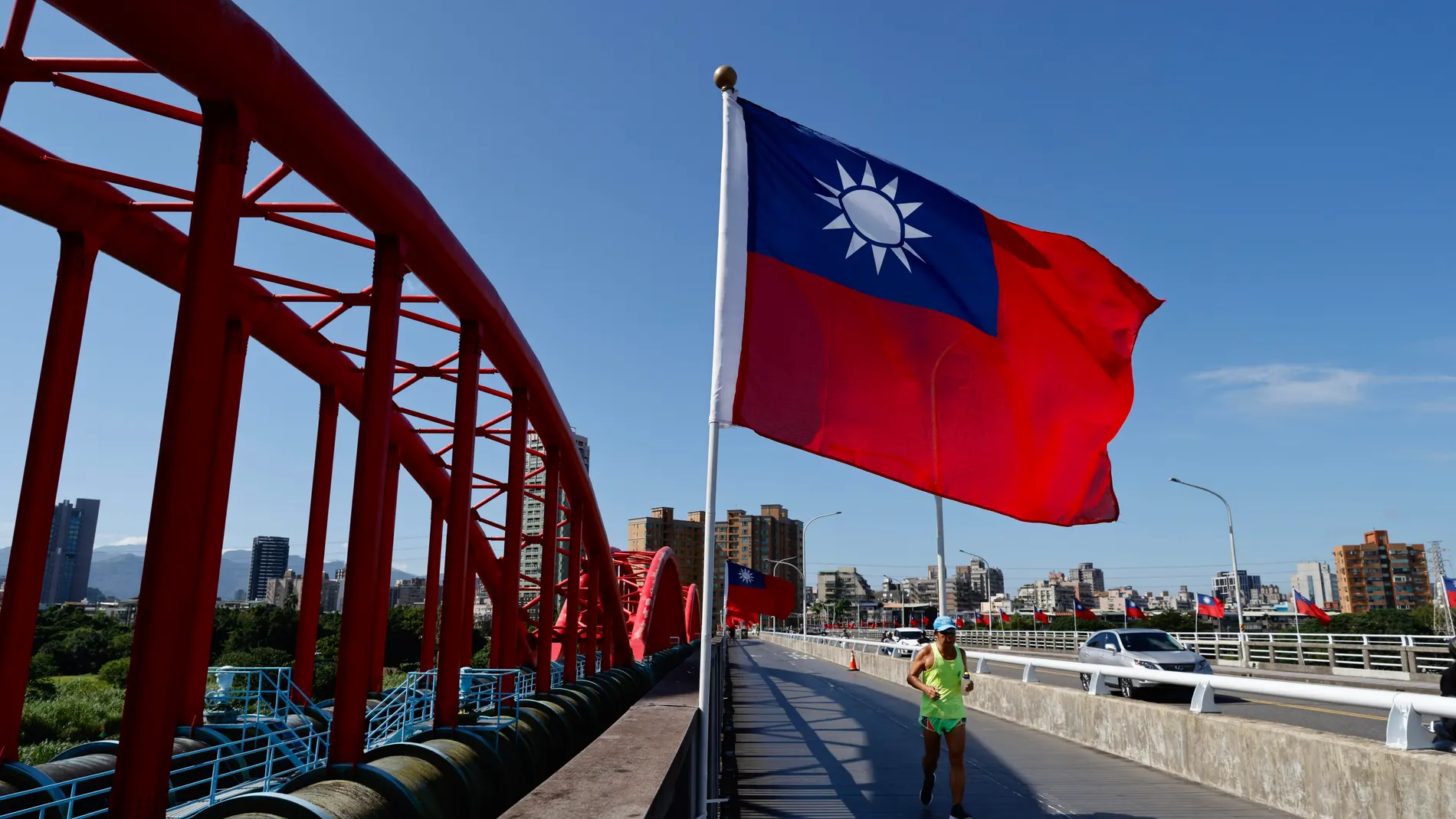
- The case is part of Taiwan's offensive to curb the brain drain of technology talent to Chinese companies in a context of strong geopolitical tension.

The figure of Pete Lau, CEO of OnePlus, has been left in the center of a A court case that reflects the growing technological tension between China and Taiwan.The Shilin District Procurator's Office in Taipei has issued a arrest warrant against the executive considering that he promoted business and hiring operations on the island outside of local regulations.
The procedure not only targets the company's top management, but also to those who allegedly facilitated OnePlus's entry into Taiwanese territoryAccording to the tax documentation, Two Taiwanese citizens allegedly collaborated directly with Lau to set up a structure designed to recruit highly qualified engineers without the express authorization of the Government.
Accusations of illegal operation and covert recruitment

According to Shilin prosecutors, the case dates back to at least 2014, when Lau, also known by his Chinese name Liu ZuohuHe reportedly traveled to Taiwan to meet with a local businessman named Lin. The purpose of that meeting was allegedly to build a mobile software research and development team for OnePlus using a formally independent route, but in reality linked to the Chinese company.
Under these premises, Lau, Lin and a collaborator identified as Cheng would have formed the company in March 2014 Hong Kong OnePlus and, subsequently, a subsidiary in Taiwan run by Cheng herself. This structure allegedly served to to hide the involvement of a mainland Chinese firm in the recruitment activities within the island.
The prosecution maintains that, through this network, they were able to recruit more than 70 Taiwanese engineersThese professionals would have been dedicated to key tasks for OnePlus' smartphone business: application development, software testing, and verification processes associated with the brand's devices.
Million-dollar transfers and possible violation of Taiwanese law
One of the most sensitive aspects of the case is the flow of money that, according to investigators, was used to sustain these operations. Between August 2015 and January 2021, OnePlus allegedly... transferred approximately 72 million US dollars to the Taiwanese subsidiary through several companies based in Hong Kong.
These items would have been justified as income derived from R&D contracts and sale of research resultsBut prosecutors point to a very different use: paying salaries, hiring new staff, and buying technical equipment for the team installed in Taiwan.
According to the authorities, this scheme could violate the Law on Relations between the People of the Taiwan Area and the Mainland Areawhich requires any company linked to mainland China to obtain prior approval from the government before investing, operating, or contracting directly on the island. The suspicion is that the creation of shell companies in Hong Kong may have served to circumvent those legal restrictions.
Arrest warrant and limited international scope
The arrest warrant against Pete Lau was issued in November 2025, although The details have only recently come to light. through local media and international agencies. The Shilin Prosecutor's Office document also formalizes charges against Lin and Cheng, who are considered key figures in setting up and maintaining the Taiwanese structure.
Although the arrest warrant is fully valid within Taiwan, its impact outside the island is considerably more relative. Since it is not As an INTERPOL member, Taiwan lacks some standard channels of police cooperationTherefore, the execution of the order in other territories depends on specific bilateral agreements or collaboration mechanisms.
In practice, this means that, as long as it remains in mainland China or other jurisdictions that do not process the Taiwanese request, Lau is not at immediate risk of arrestHowever, any travel to countries with greater legal or political alignment with Taipei could significantly increase its exposure.
OnePlus and OPPO remain silent while business continues.

In response to inquiries from the international press, agencies such as Reuters and other media outlets have indicated that Neither OnePlus nor its parent company, OPPO, have offered detailed comments Regarding the accusation, no direct response has been obtained from Pete Lau to clarify his position or assessment of the events.
The only noteworthy statement from the company, disseminated by some media outlets, merely points out that Business activity continues as normalIn other words, for now, no operational impact resulting from the case is acknowledged, nor has any organizational adjustment been communicated at the top of the company.
Meanwhile, various local news reports indicate conflicting accounts from the collaborators involvedCheng, for example, reportedly claimed that his responsibilities were limited to tax and administrative matters, although he also acknowledged his involvement in software development for OnePlus, a detail that raises further questions about the true extent of his duties. Lin, meanwhile, reportedly stated that he was acting on Lau's instructions and that his primary role was to lead the software team on the island.
Another case in Taiwan's offensive against brain drain
The trial against the OnePlus CEO's move is part of a broader strategy Taiwanese authorities are working to curb the exodus of tech talent to companies linked to mainland China. In recent years, Taipei has intensified controls and investigations into potential covert structures operating without formal licenses on the island.
In March of last year, the Investigation Bureau of the Ministry of Justice conducted searches at more than thirty locations and the questioning of some 90 people as part of a larger investigation into Chinese technology companies. The pattern is repeated: shell companies registered in third-party territories, undeclared offices, and the use of recruitment intermediaries to hiding the link with China while local engineers are being recruited.
The semiconductor sector is particularly sensitive. Taiwan is home to giants such as TSMC, a key player in the global chip supply chainThis makes the island a prime target for companies worldwide seeking highly skilled personnel. This pressure is further amplified by the global race in artificial intelligence, where the demand for hardware and specialized talent has skyrocketed.
Precedents: SMIC and other companies under scrutiny
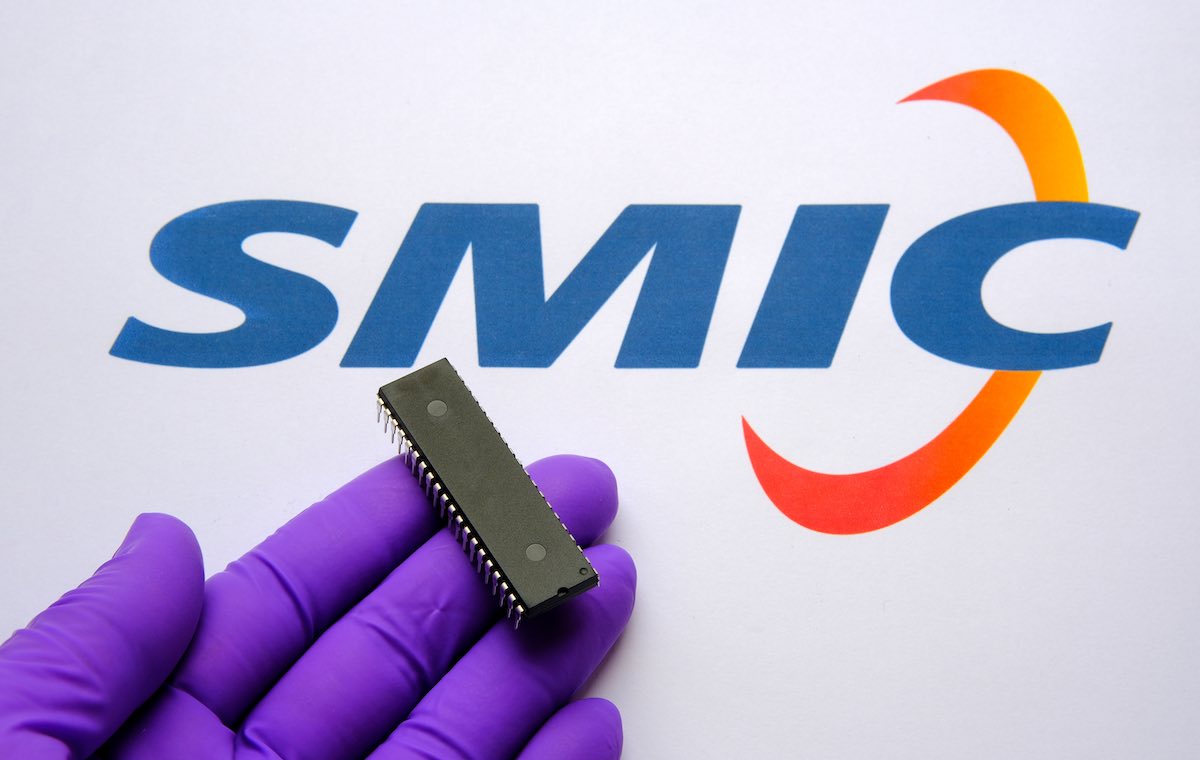
The OnePlus case is not the first to reach Taiwanese courts with a similar argument. In recent years, companies such as SMIC, China's leading semiconductor manufacturerThey have been under scrutiny for allegedly operating on the island through shell companies registered in third countries.
Taiwanese authorities have arrived to blacklist SMICThis policy requires specific licenses for local companies to provide services or supply products to China. In practice, this measure aims to hinder direct access to the island's technological ecosystem by Chinese industry, while simultaneously strengthening control over the flow of knowledge and technology.
In August 2025, the Taipei government reported that it was investigating 16 Chinese companies due to possible aggressive talent acquisition practices in semiconductors and other high-tech sectors. The offensive stems from fears of leaks of strategic information, key designs, or manufacturing methodologies to direct competitors during this period. geopolitical and trade dispute between China, Taiwan and the United States.
Underlying geopolitical tension and the role of the mobile industry
The case opened against Pete Lau and OnePlus cannot be separated from the broader political context. Beijing considers Taiwan as inalienable part of its territory and does not rule out the use of force to advance its unification goals. The island, governed democratically, rejects these demands and maintains that only its people have the right to decide their future.
In this scenario, technology has become one of the main battlegrounds. Taiwan not only concentrates a significant portion of the world's chip production, but also possesses a consolidated ecosystem of engineers and developers These components are in high demand by global industry. China, for its part, seeks to strengthen its national capabilities to reduce its dependence on third countries for critical components.
The case against Pete Lau has become more than just a labor dispute: It is a symbol of the struggle for control of technological knowledge In Asia, where tax decisions, business moves, and arrest warrants intertwine with top-level strategic interests that look far beyond the smartphone industry.


I am a technology enthusiast who has turned his "geek" interests into a profession. I have spent more than 10 years of my life using cutting-edge technology and tinkering with all kinds of programs out of pure curiosity. Now I have specialized in computer technology and video games. This is because for more than 5 years I have been writing for various websites on technology and video games, creating articles that seek to give you the information you need in a language that is understandable to everyone.
If you have any questions, my knowledge ranges from everything related to the Windows operating system as well as Android for mobile phones. And my commitment is to you, I am always willing to spend a few minutes and help you resolve any questions you may have in this internet world.