- CL1 is the first commercial biological computer using human neurons grown on silicon chips.
- Its bioS operating system allows direct interaction with neurons and their programming in real time.
- Reduced energy consumption: Uses between 850 and 1.000 W per rack, compared to the megawatts of traditional servers.
- Possible applications in AI, medicine and neuroscience, with special impact on research into brain diseases.

The Australian company Cortical Labs has taken a revolutionary step in the field of computing by introducing the CL1, the world's first commercial biological computer. This innovative system combines Human neurons grown in the laboratory using silicon chips, forming a neural network capable of learning and processing information autonomously. Its launch, which took place in Mobile World Congress 2025 in Barcelona, marks a milestone in the interaction between biology and technology.
Biological computing has been a promising field of study for years, and with CL1, this vision becomes a reality. Its operation is based on the use of neuronal cells cultured on a silicon substrate, which allows them to communicate through electrical stimuli.
According to the developers, this technology It is more efficient and sustainable compared to conventional AI chips, which could represent a significant advance in various applications. To better understand the importance of cell biology in these developments, you can consult our dictionary of cellular biology.
An operating system for biological intelligence
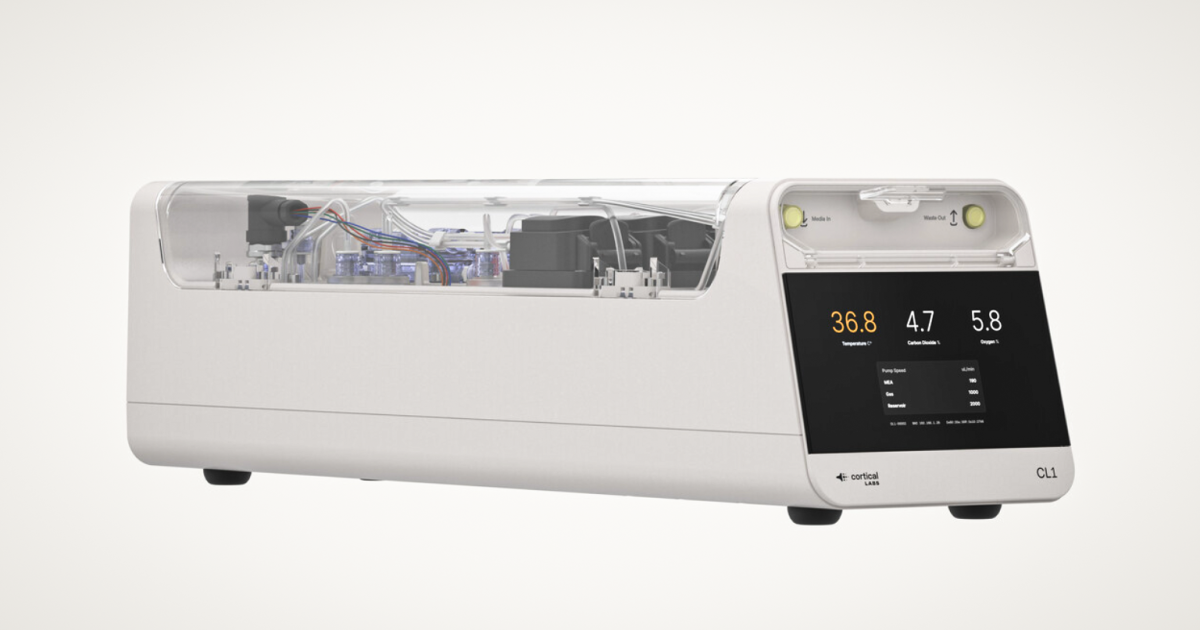
One of the biggest innovations of the CL1 is its management software, called bios (Biological Intelligence Operating System). This operating system allows direct interaction with neurons, facilitating programming and control of neural learning in real time. Through bios, developers can deploy code directly on the neural network, establishing new connections and adapting its behavior to different needs.
CL1 operates with neurons held in a life support unit, which regulates temperature, oxygenation and nutrient supply to ensure its operation until six monthsThis represents a limitation compared to traditional chips, which do not require biological maintenance. However, the implications of working with biological systems are broad and complex, which may lead to interesting debates about their future.
One of the highlights of the CL1 is its low energy consumption. While a silicon-based server may require several megawatts of power, a single rack of the CL1 consumes between 850 and 1.000 W. This efficiency makes it an attractive alternative for the development of artificial intelligence models with a lower environmental impact. Given the growing concern for sustainability, this feature of the CL1 may revolutionize the approach to artificial intelligence in the future, just as the 4D printing is changing manufacturing.
From an artificial intelligence perspective, the CL1 offers a completely new approach. Unlike conventional chips, which process information based on predefined algorithms, this system uses adaptive learning similar to that of the human brain. Its ability to form new neural connections and respond dynamically to stimuli allows for the development More flexible and efficient artificial intelligences.
Cortical Labs has introduced a business model called Wetware-as-a-Service (WaaS), allowing customers to access CL1 technology without having to purchase their own hardware. This approach allows researchers and businesses to use the power of the system remotely via the cloud.
A promising future for medicine
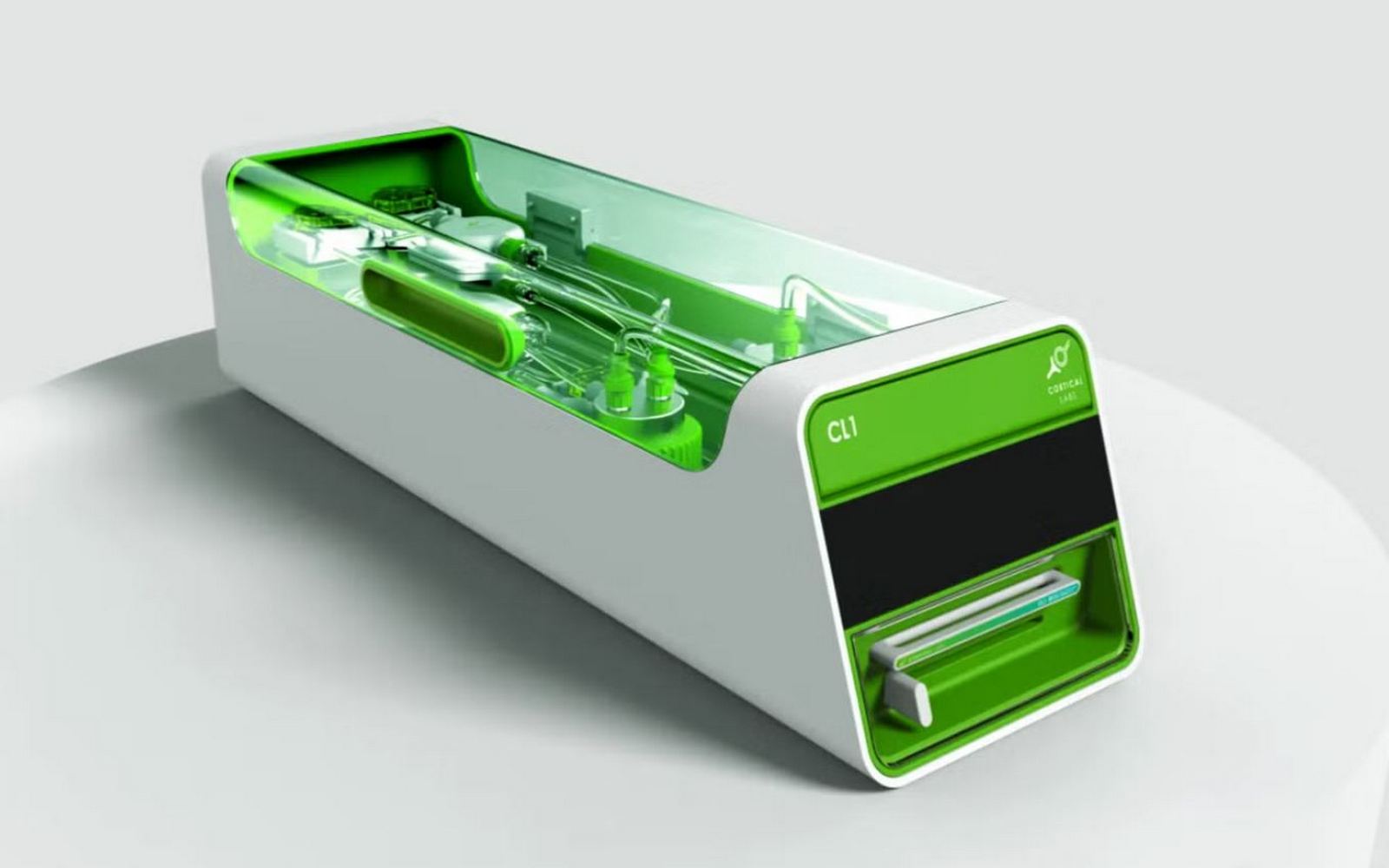
The CL1 is not only designed for the development of advanced artificial intelligence, but also could revolutionize medicineIts ability to simulate human neural networks makes it an ideal tool for Neurodegenerative disease research such as Alzheimer's or Parkinson's. In addition, its use in drug development could reduce the dependence on animal models in clinical trials, which poses a very interesting ethical alternative in the field of biomedical research.
Despite its potential, biological computing still faces significant challengesOne of the main ones is the limited lifespan of neurons, which require renewal every few months. In addition, ensuring system stability on a large scale remains a challenge compared to silicon chips, which can operate for years without degradation.
Another critical aspect is the Regulation and ethics in the use of human tissues. Although CL1 neurons are grown in the laboratory and do not have consciousness, their application in computing awakens bioethical debates. Cortical Labs assures that the use of these technologies is subject to strict regulations, with the aim of avoiding any improper exploitation.
The CL1 will be marketed from June 2025 with an initial price of $35.000Its arrival on the market represents the first step towards an era in which biological computing could play a key role in technology, research and medicine. Although its scalability is still a challenge, its efficiency and innovative potential position it as an unprecedented advance.

I am a technology enthusiast who has turned his "geek" interests into a profession. I have spent more than 10 years of my life using cutting-edge technology and tinkering with all kinds of programs out of pure curiosity. Now I have specialized in computer technology and video games. This is because for more than 5 years I have been writing for various websites on technology and video games, creating articles that seek to give you the information you need in a language that is understandable to everyone.
If you have any questions, my knowledge ranges from everything related to the Windows operating system as well as Android for mobile phones. And my commitment is to you, I am always willing to spend a few minutes and help you resolve any questions you may have in this internet world.