
Artificial intelligence is making great strides in the field of meteorology, and Google DeepMind has made a splash with its innovative system, GenCast AI, designed to revolutionize the way we understand and predict the weather. This model is not only touted as the most advanced of its kind, but also promises to transform meteorology as we know it, thanks to its ability to generate forecasts with a speed and precision that leaves traditional methods behind.
What is GenCast and how does it make a difference?
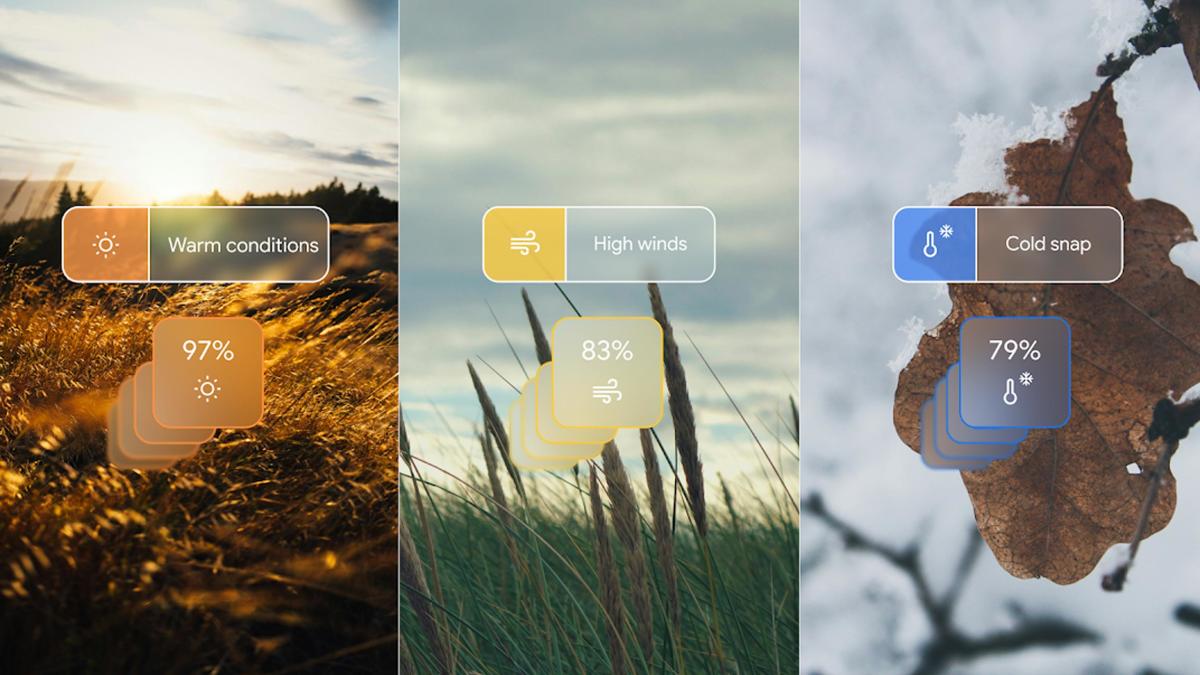
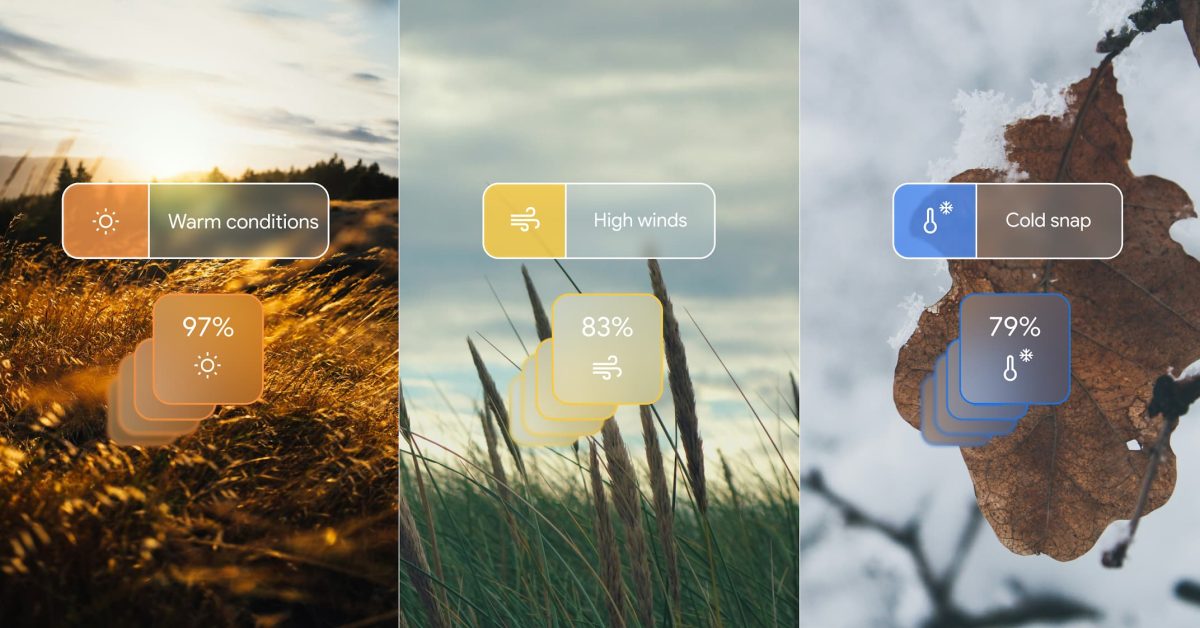
GenCast is an artificial intelligence model based on historical data from the last 40 years, specifically collected between 1979 and 2018 by the European Centre for Medium-Range Weather Forecasts (ECMWF). Unlike traditional models that rely on physical equations and require powerful supercomputers to run, GenCast stands out for its probabilistic approach. This means that it doesn’t just predict a single scenario, but offers a range of possibilities, assigning probabilities to different climate outcomes.
GenCast's accuracy is remarkableIn tests using 2019 data, this model outperformed ECMWF's ENS system in 97.2% of cases, achieving 99.8% accuracy in forecasts beyond 36 hours. These figures make it an essential tool not only for daily predictions, but also for extreme phenomena such as hurricanes, heat waves and tropical cyclones.
Technical advantages over traditional methods
One of the most impressive points of GenCast is its ability to generate a 15-day forecast in just eight minutes using a Google Cloud TPU v5 unitThis contrasts with the hours that traditional systems, such as ENS, require on supercomputers with tens of thousands of processors. This saving in resources not only represents a technical advance, but also positions it as an accessible tool for more sectors and countries with technological limitations.
GenCast uses diffusion model algorithms, a technology that also powers image and text generative tools. Its adaptation to work with the Earth's spherical geometry allows it to understand the complex interactions between atmospheric variables such as pressure, temperature, wind and humidity. In addition, its probabilistic capacity helps reduce uncertainty, providing more reliable predictions even in critical scenarios.
Practical applications and the future of weather forecasting
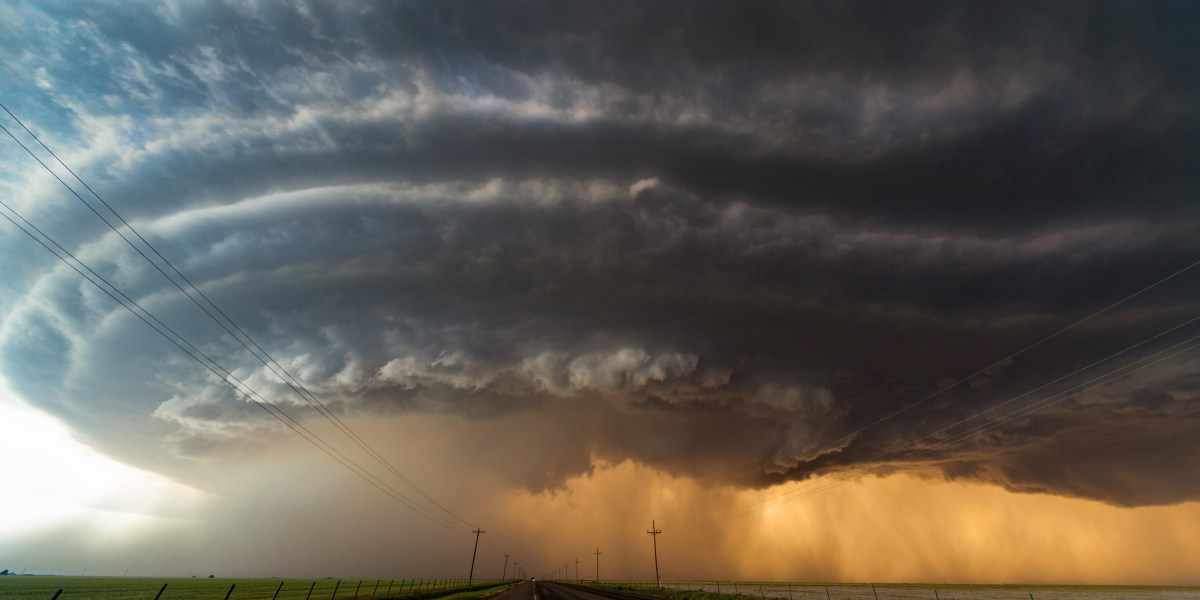
In addition to its accuracy in extreme conditions, GenCast has clear practical applications. Industries such as emergency management, agriculture, and energy planning can greatly benefit from more detailed and faster forecasts. For example, power companies can anticipate changes in wind energy production, while emergency services can better prepare for hurricanes and severe storms.
In the future, this model is expected to evolve even further. While it currently relies on historical data to train its predictions, the scientists behind GenCast are investigating the possibility of using more recent observational data, such as real-time humidity and wind readings, to further improve its accuracy.
An open model for the community
Another innovative aspect of GenCast is its openness. Google has decided to make the model's code and data available, allowing researchers and institutions to use it and adapt it to their specific needs. This not only fosters global collaboration, but also encourages the development of new applications and improvements on this solid foundation.
However, experts point out that there is still a long way to go before AI-based models can completely replace traditional approaches. While GenCast shows great potential, it still faces challenges such as capturing certain complex physical dynamics, essential for long-term phenomena.
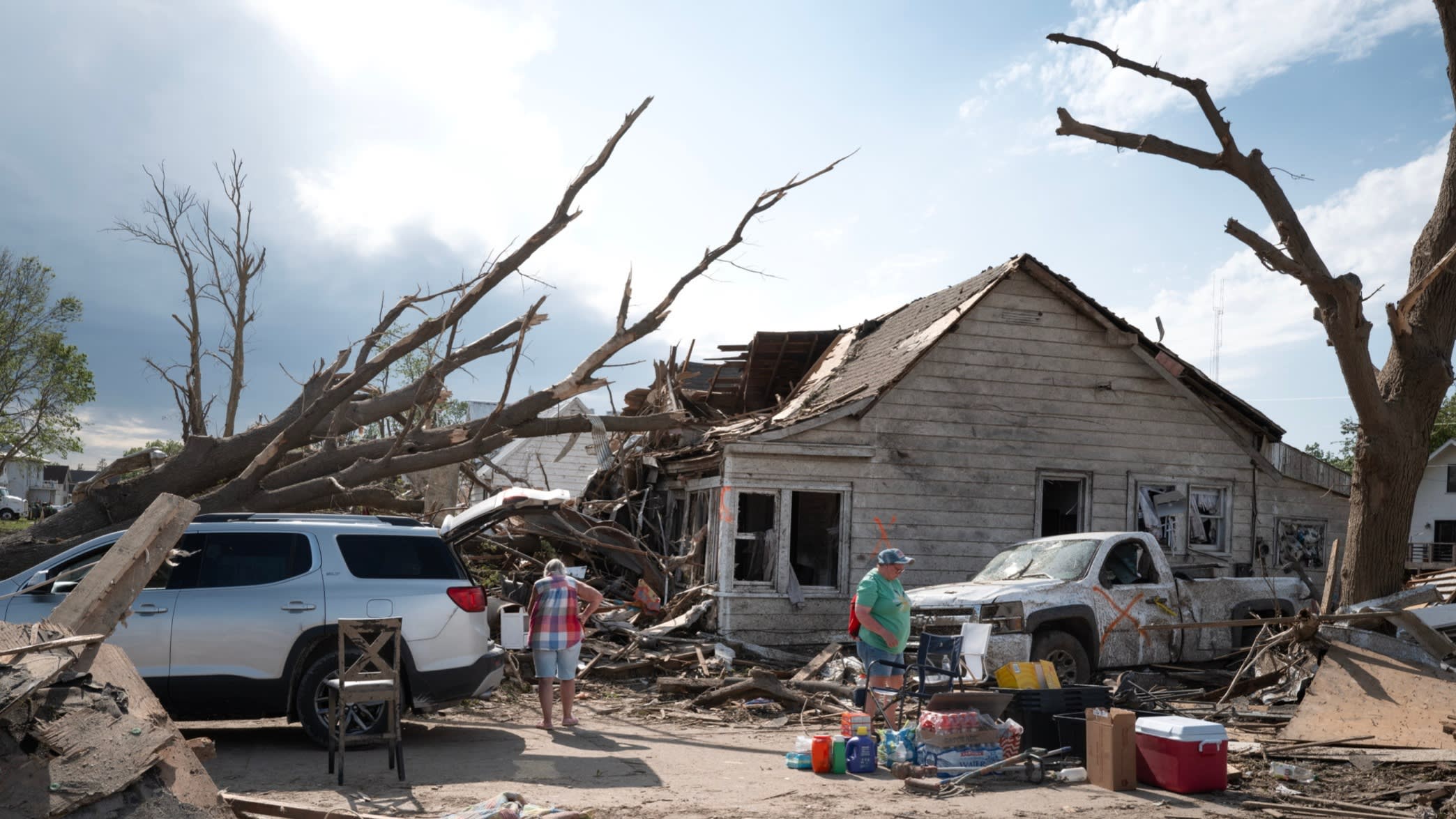
GenCast is already making a difference in the meteorological sector, demonstrating how artificial intelligence can overcome the limitations of traditional systems, offering faster, more accurate and accessible predictions. With its ability to handle extreme phenomena and its open approach towards the scientific community, this model promises to be a crucial tool in the fight against global climate challenges.

I am a technology enthusiast who has turned his "geek" interests into a profession. I have spent more than 10 years of my life using cutting-edge technology and tinkering with all kinds of programs out of pure curiosity. Now I have specialized in computer technology and video games. This is because for more than 5 years I have been writing for various websites on technology and video games, creating articles that seek to give you the information you need in a language that is understandable to everyone.
If you have any questions, my knowledge ranges from everything related to the Windows operating system as well as Android for mobile phones. And my commitment is to you, I am always willing to spend a few minutes and help you resolve any questions you may have in this internet world.