- Project Taara uses light beams to transmit data without cables.
- Provides speeds of up to 20 Gbps at distances of up to 20 km.
- It has been tested in India, Kenya and the Republic of Congo with success.
- It presents challenges such as requiring clear line of sight and potential weather interference.
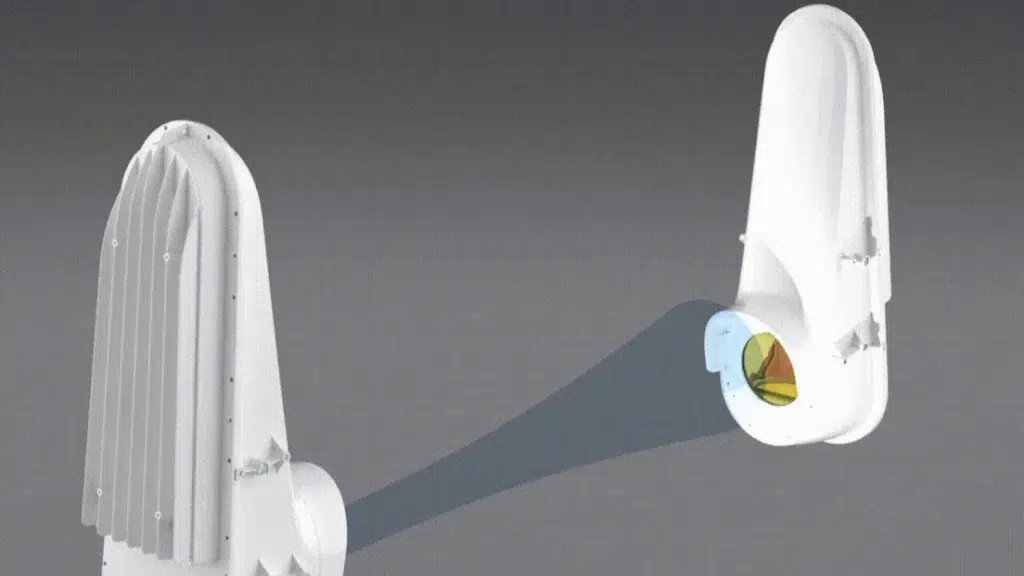
In a world where Internet connectivity is essential, Google continues to explore new ways to bring access to more people. One of its latest developments, Project Taara, seeks to provide Internet access in areas where fiber optics is difficult to implement or too expensive. This innovative system uses light rays to transmit data, offering an effective alternative to traditional solutions.
Project Taara was born as a derivative of Project Loon, Alphabet's cancelled initiative that sought to bring Internet via hot air balloons. Based on this experience, the team at Google X, Alphabet's innovation division, has developed a system of wireless optical communications capable of transmitting data at speeds comparable to fiber optics without the need for cablesFor those wondering why light transmission is used, the Taara project is a practical example of this technology.
How Project Taara works
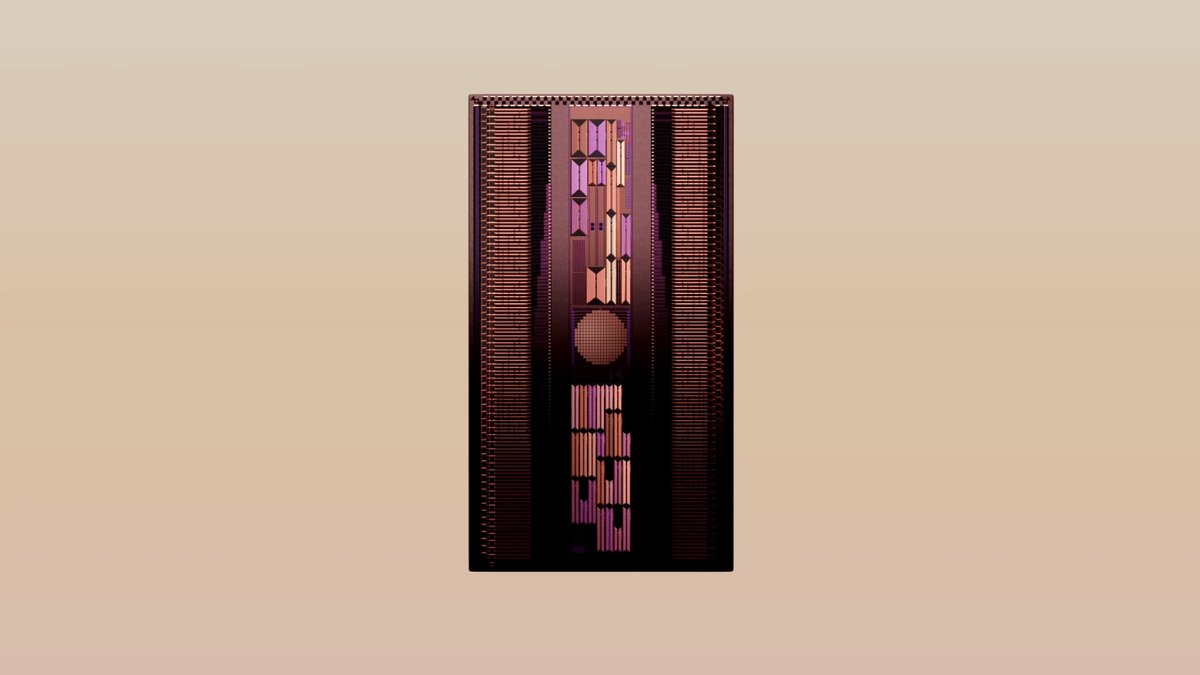
The heart of Project Taara lies in the technology of free space optical communication (FSOC). Basically, they are used beams of light to transmit information from one point to another, similar to the operation of the optical fiber but without the physical cables.
This system works with transmitting and receiving devices which must be precisely aligned to ensure data transmission. The light signal It is accurate enough to hit a target as small as 5 centimeters at a distance of up to 10 kilometers.
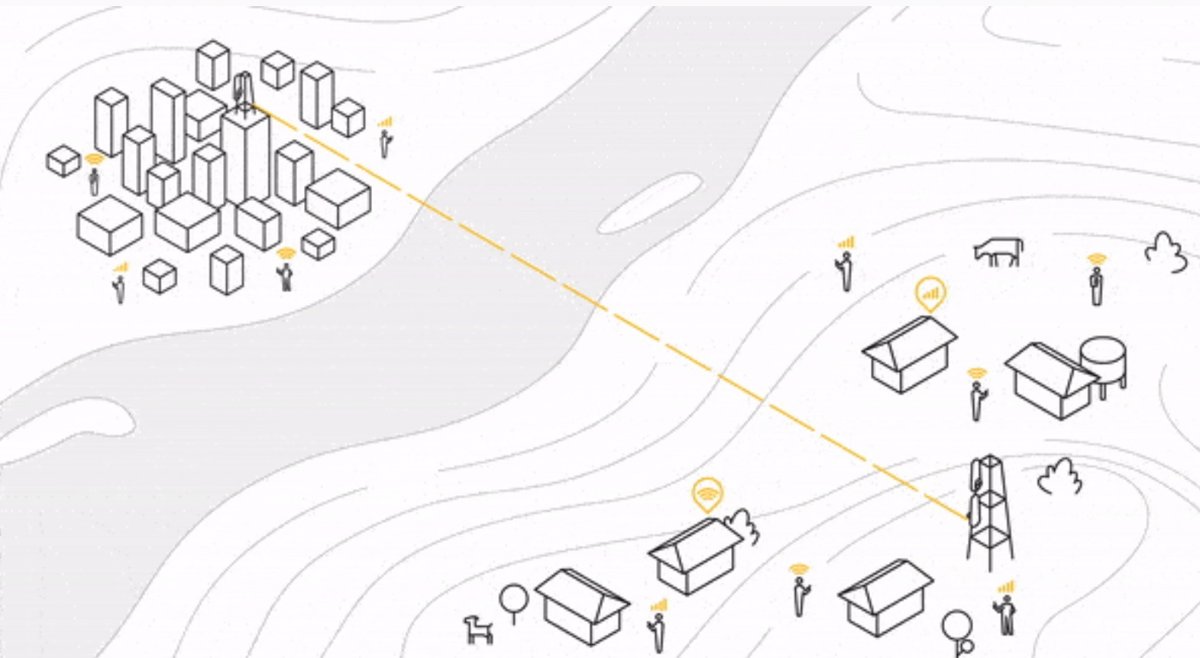
One of the main challenges of this system is the need for a clear line of sight between the transmission and reception points, since any obstacle can disrupt the signal. To address this, Taara devices can automatically adjust their mirrors and lenses to keep the connection stable. This is a key aspect to consider when establishing the type of internet connection in rural areas or in areas where infrastructure is limited.
Speed and reach of technology
According to data from Alphabet, Project Taara has demonstrated in initial tests a transmission of up to 700 terabytes of data in 20 days under real conditions, with a 99,9% availabilityThis means that, although it does not completely replace fiber optics, it offers a viable alternative in places where its installation is not feasible.
The first Taara models allowed transmissions of up to 10 Gbps at 1 km distance, while new versions have reached speeds of 20 Gbps over distances of up to 20 kmThis performance makes it an interesting option for connecting urban and rural regions without fiber infrastructure.
Real-world applications
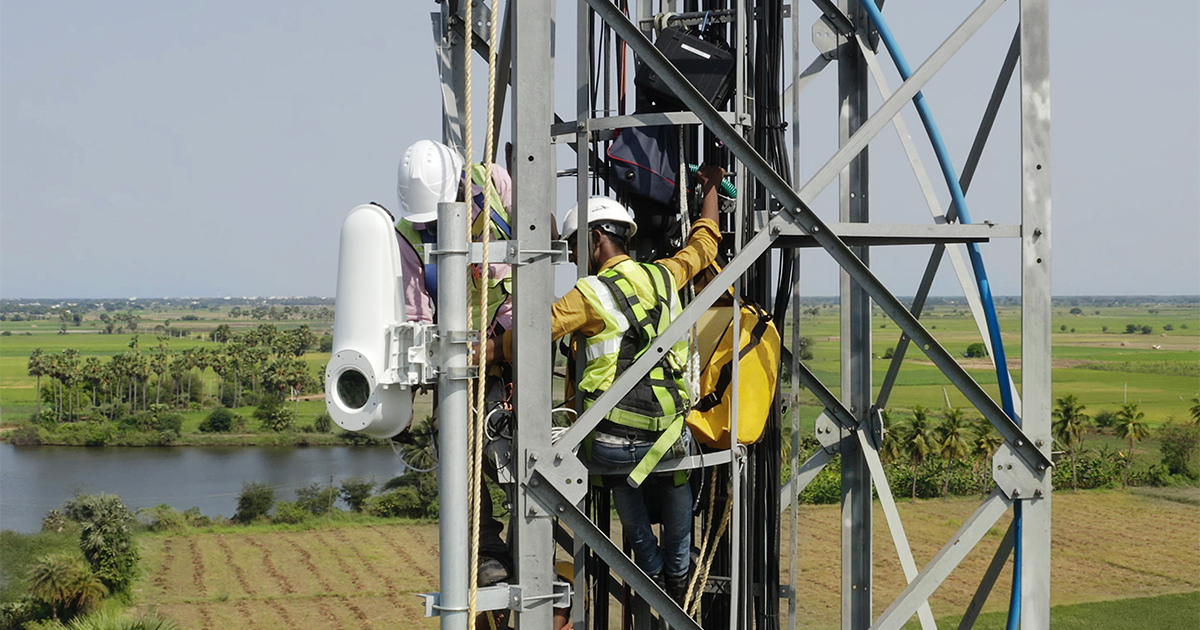
Project Taara has already been tested in various parts of the world. In Republic of the Congo, facilitated the connection between Brazzaville and Kinshasa, two cities separated by the Congo River, where installing optical fiber would have required a journey of 400 kilometers. This type of solution could also help in other places where Internet access is problematic.
In addition, it has been tested in India and Kenya, where providing Internet access by conventional means is a challenge. Tests have shown that this solution can be a reliable alternative for connectivity in remote regionsThis aspect is especially relevant in the current context, where innovative methods are being sought to improve global connectivity.
Advantages and challenges
Among the main benefits of Project Taara are:
- Lower implementation cost compared to optical fiber.
- Accessibility in remote areas where other technologies do not reach.
- Speeds up to 20 Gbps, enough for streaming and other high-demand applications.
However, this system also presents some challenges:
- It requires a clear line of sight between devices.
- The climatic conditions as rain or fog can affect the signal.
- Su current scope is limited to tens of kilometers, which makes it difficult to use over very large areas.
While this technology is still in development, its potential is enormous. Alphabet continues to optimize the system to improve its stability and expand its use globallyThe innovation behind Project Taara represents another step towards a future where connectivity is more accessible and affordable around the world.
Thanks to advances in wireless optical communications, millions of people could benefit from the Internet without the need for expensive wired infrastructure.

I am a technology enthusiast who has turned his "geek" interests into a profession. I have spent more than 10 years of my life using cutting-edge technology and tinkering with all kinds of programs out of pure curiosity. Now I have specialized in computer technology and video games. This is because for more than 5 years I have been writing for various websites on technology and video games, creating articles that seek to give you the information you need in a language that is understandable to everyone.
If you have any questions, my knowledge ranges from everything related to the Windows operating system as well as Android for mobile phones. And my commitment is to you, I am always willing to spend a few minutes and help you resolve any questions you may have in this internet world.