- iOS 26.3 introduces the new Background Security Enhancements, a modular system for fast patching.
- The iOS 26.3 (a) mini-update is a "security test" without actual patches, just to test the mechanism.
- These improvements do not appear in the classic update menu, but in Privacy and security > Security improvements.
- The version is part of the iOS 26.3 beta, which is in its final development phase and has a special focus on Europe.
The return to routine after the holidays has come with a surprise for those who closely follow the development of iOS 26.3While many expected a new traditional beta to iron out bugs and add minor tweaks, Apple opted for a different approach: a discreet mini-update, almost hidden in the settingswhich serves as test bench for a new safety model.
This new piece of the puzzle is called iOS 26.3 (a) And it's not your typical version. It doesn't fix known vulnerabilities, it doesn't include any visible features, and it doesn't even appear in the usual Software Update section. Even so, it's shaping up to be a key step in how Apple wants Protect your iPhone silently and continuously in the coming years.
From the Rapid Security Response setback to a new attempt
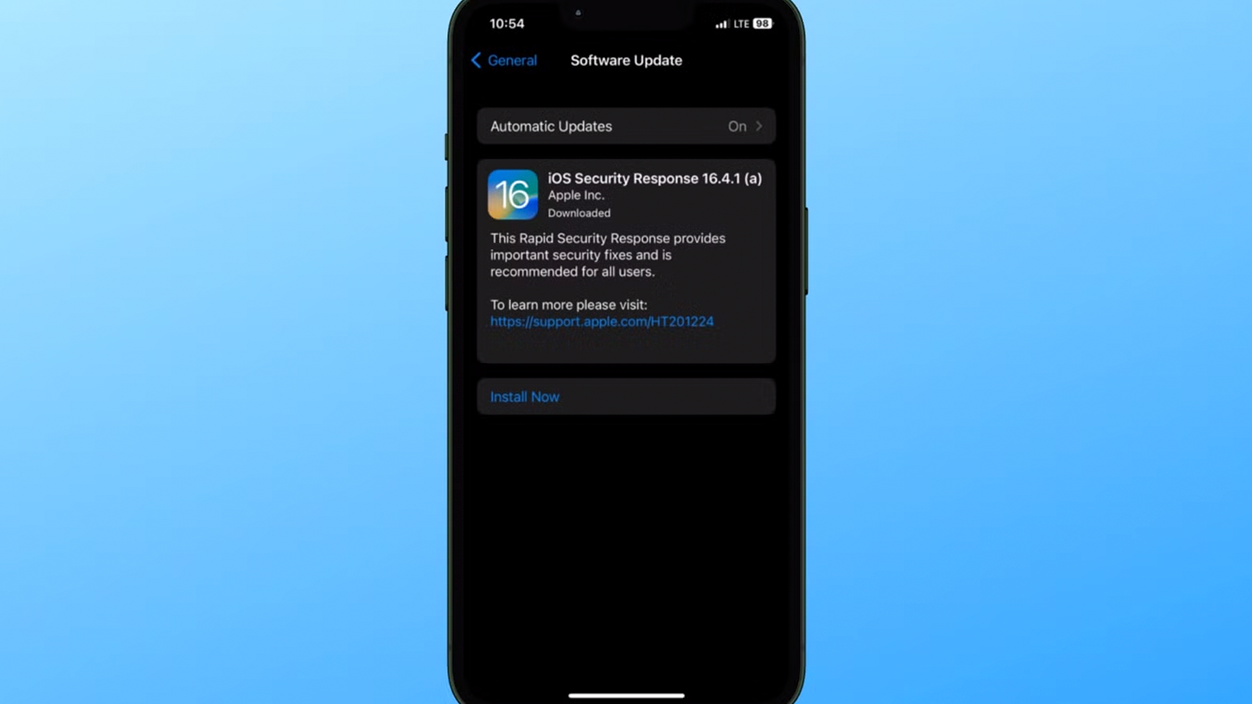
To understand what Apple is doing with iOS 26.3, we need to look at a previous experiment: the Rapid Security ResponseThese patches, introduced several versions ago in iOS, were intended to be quick and lightweight, without requiring a full operating system update, with downloads of only a few megabytes and a relatively brief restart.
The concept was appealing, but the practice went awryOne of the most notable incidents occurred in the summer of 2023, when a security patch caused problems loading certain pages in Safari, forcing Apple to hastily withdraw the patch. Since then, the system has been virtually dormant and hastily faded from view.
With iOS 26.3Apple is reviving that idea, but with a different approach. It's no longer just about speed, but about making the process as seamless as possible. According to the documentation accompanying this test, the goal is to be able to update components such as WebKit, Safari, and internal system libraries, strengthening security between major versions without forcing the user to constantly intervene.
This strategic shift fits within a context where vulnerabilities are being exploited ever more rapidly and where Europe, with its regulatory demands, is pushing Apple to open and modularize parts of iOS which were previously more monolithic.
iOS 26.3 (a): a "security test" within the beta
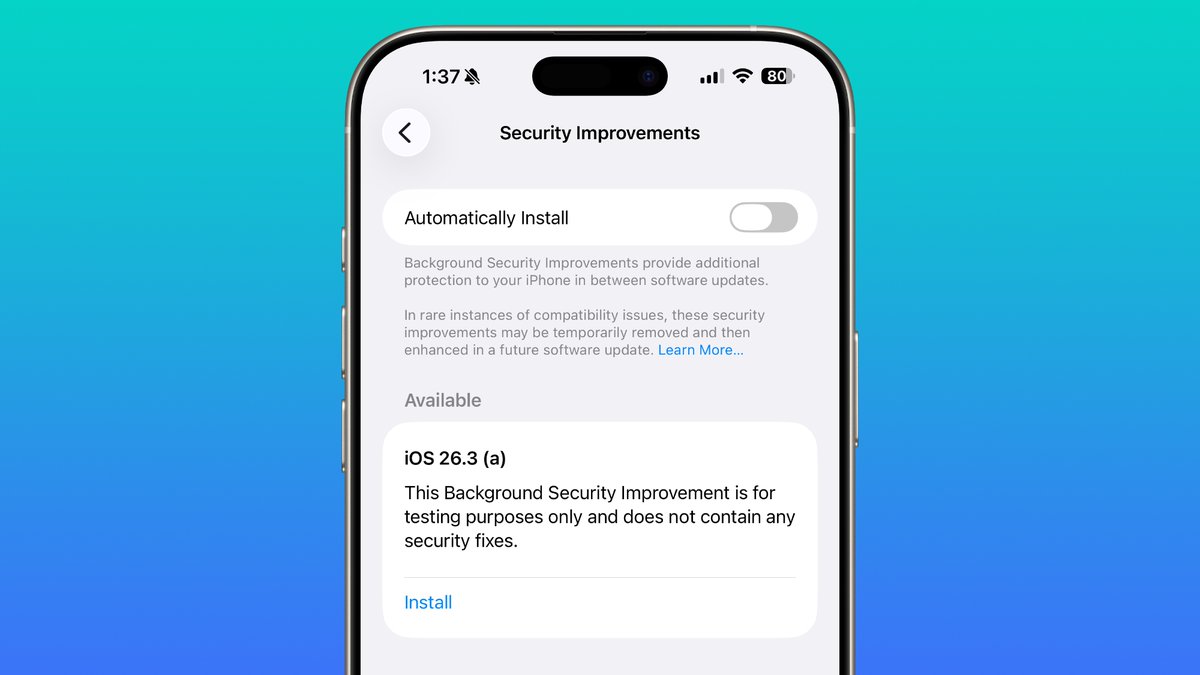
The new update identified as iOS 26.3 (a) It is only available to those participating in the iOS 26.3 beta. It is a kind of dress rehearsal: it does not include actual fixes, its function is to verify that the distribution mechanism for these improvements works correctly and that the system can be installed and removed without causing side effects.
Apple makes it clear in the version description itself: it is a "security test" intended exclusively for testing purposesThis means that, although presented as a security improvement, it doesn't modify the device's effective protection. The focus is on the "how," not the "what."
In practice, Apple is using the iOS 26.3 beta 1 as a basis for experimenting with this new distribution model. It is, literally, a beta within a beta: the main version remains stable while a parallel, dedicated security update channel is tested in the background.
Those expecting a beta 2 packed with visible changes will have to wait a little longer. Everything indicates that development is continuing, but Apple has decided to prioritize this intermediate step to ensure that, when the system is released to the general public, be able to react quickly without repeating past mistakes.
What are "Background Security Enhancements"?
The core of this innovation is a system called Background security improvements (Background Security Improvements), silently present in iOS since version 26.1. Until now it had barely been used, but with iOS 26.3 it begins to be deployed visibly, at least for those who are in the beta.
Its function is to allow Apple Deliver small security patches without releasing a full iOS updateInstead of grouping fixes into "big" versions (26.1, 26.2, 26.3…) or minor patches (26.0.1, 26.1.1…), these improvements are installed independently, focusing on specific components such as the browser, key frameworks, or system libraries.
This approach resembles the models of modular security which are already seen in other modern operating systems, where critical parts — such as the browser engine or certain security services — can be updated separately, without waiting for the next complete software cycle.
Another relevant feature is that the system can can be manually activated or deactivated from the settingsThis is not a completely opaque process: the user retains some control over whether they want to receive these improvements automatically or prefer to manage them themselves.
In terms of security, the biggest advantage is reaction time. Faced with a serious vulnerability, Apple could deploy a specific fix within hourswithout organizing a complete iOS update and without forcing all users to go through a long and more invasive installation process.
Where the update appears and how to install it
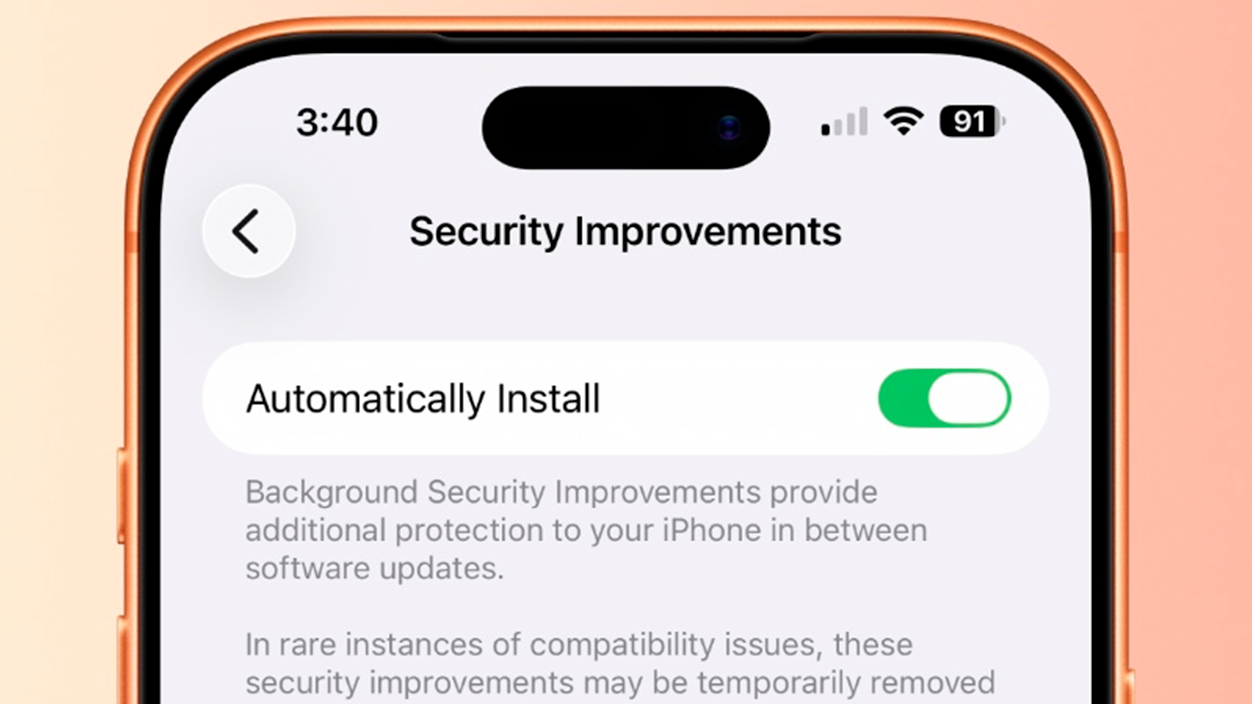
One of the peculiarities of iOS 26.3(a) is that It is not found on the regular menu. de Settings > General > Software UpdateTo find it, you have to navigate a less intuitive path, something that has surprised even veteran beta users.
The correct route is: Settings > Privacy and security > Background security improvementsFrom that section you can see the availability of the mini-update, start the installation and even check afterwards if it has been applied.
If the user has Automatic installation option enabled, he iPhone will handle downloading and applying the upgrade on its own.In that case, the system usually takes advantage of off-peak hours — typically at night — to restart the device without interrupting daily activity. The download takes up very little space.Therefore, the process is quick.
Upon installation, the behavior also differs from typical iOS updates. The restart doesn't display the classic black screen with the Apple logo and progress bar for several minutes; instead, it resembles a normal iPhone shutdown and restart. It is a discreet, almost invisible process., aligned with the idea that these improvements should not hinder the user.
Furthermore, from that same menu it is possible to access the option of remove the security updateIf any problems arise after installation, Simply uninstall the upgrade, restart your device, and the system will revert to its previous state., without needing to restore the entire device.
Risks, reversal, and why Apple allows it
This type of mechanism has clear advantages, but also It opens the door to certain risks.Since these patches can arrive more quickly and without going through a long cycle of public betas, there is a possibility that a specific update may cause conflicts with specific apps, websites, or services.
Experience with the old Rapid Security Response showed that even a seemingly minor adjustment can cause unexpected behavior. That's why, this time, Apple has included an exit button from the start: if the user detects a problem after receiving a background security update, You can uninstall it and revert the change almost instantly..
This rollback feature is not common in iOS. Until now, when installing a system version, it was very difficult to revert without resorting to more complex processes, such as... Full restore with previous firmware and often with limited time windows.
The current approach is more flexible and better suited to a scenario where threats change rapidly, but where there is also pressure to ensure that updates do not cause disruption. critical services —for example, banking applications, professional platforms or tools used by European companies—.
Ultimately, this mechanism shows that Apple try to balance two needs: react quickly to new vulnerabilities and prevent a rushed patch from causing collateral damage to the user experience.
iOS 26.3 in its final stretch and the role of Europe
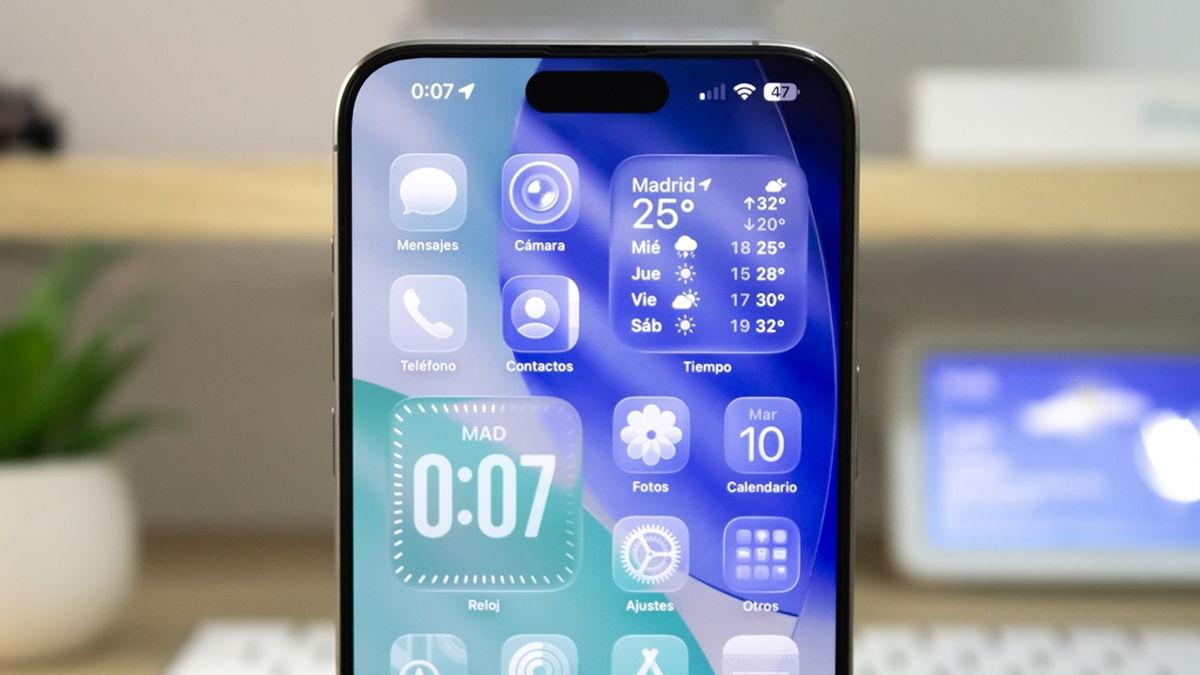
Beyond the "security test", iOS 26.3 It is one of the major intermediate updates of the iOS 26 cycle. It is usually in this type of version where Apple fine-tunes the system and closes a stage before focusing on the next generation of software for the iPhone.
Based on the pattern of previous years, the number of betas for these ".3" versions is usually smaller. This indicates that the code is already in maturity phase And the launch for the general public shouldn't be delayed too long. The target window is the end of January or, at the latest, the first weeks of February.
In parallel, iOS 26.3 brings with it several features aligned with the regulatory requirements of the European UnionBrussels has long been pushing for platforms like iOS to be more interoperable and less closed, which translates into changes that affect both security and the way the iPhone communicates with other devices.
One of the areas where progress has been made is the notification system. With iOS 26.3, Apple is preparing a model that will allow... third-party smartwatches receive full notifications of the iPhone, a feature that until now was practically reserved for the Apple Watch.
This seemingly technical adjustment has a strong symbolic meaning: breaks one of the barriers which kept the Apple Watch as an almost exclusive partner of the iPhone in the wearables field and opens the ecosystem somewhat more to European and global manufacturers that compete in that segment.
Greater interoperability: NFC, Android and real-world use in Europe
Another area where iOS 26.3 points to changes is the NFCA key technology in mobile payments and identity services. Apple is working on new capabilities for sharing data using Wi-Fi connections, expanding the communication options between the iPhone and other devices or systems.
In Europe, where regulators have focused on the fact that Services like mobile payments should not depend exclusively on a specific platform or app.These movements are interpreted as part of an effort to comply with stricter regulatory frameworks and, at the same time, maintain control over critical security aspects.
Outside of Europe, iOS 26.3 also includes improvements with practical impact. During the initial setup of an iPhone, the data transfer from Android It becomes more seamless, making it easier to move apps, messages, and photos without relying so heavily on external tools. For markets where competition between platforms is fierce, achieving a less traumatic migration can make all the difference.
However, all these new features revolve around the same idea: that the system be more flexible, interoperable, and easy to keep secure, both for the average user and for those who manage iPhone fleets in European companies or organizations.
iOS 26.3 doesn't aim to stand out for one flashy star feature, but rather for fitting several pieces together at once: more dynamic security, stricter European regulations and a slightly more open ecosystem without completely abandoning its traditional model.
The rollout of iOS 26.3 and the iOS 26.3(a) beta update paints a picture of where the iPhone operating system is headed: Fewer noisy updates and more discreet adjustments, quick patches that are installed almost without the user noticing and an approach in which security is reinforced from the ground up, while The device's day-to-day operation changes just enough to adapt to the demands of Europe, developers, and users themselves..

I am a technology enthusiast who has turned his "geek" interests into a profession. I have spent more than 10 years of my life using cutting-edge technology and tinkering with all kinds of programs out of pure curiosity. Now I have specialized in computer technology and video games. This is because for more than 5 years I have been writing for various websites on technology and video games, creating articles that seek to give you the information you need in a language that is understandable to everyone.
If you have any questions, my knowledge ranges from everything related to the Windows operating system as well as Android for mobile phones. And my commitment is to you, I am always willing to spend a few minutes and help you resolve any questions you may have in this internet world.