- The meta-skill of learning to learn is emerging as key to the acceleration of AI.
- Hassabis advocates continuous and adaptable learning for an uncertain decade.
- Google powers Gemini with educational features to guide, visualize, and assess.
- Students in Spain are already using AI extensively; teacher training and responsible use are urgently needed.
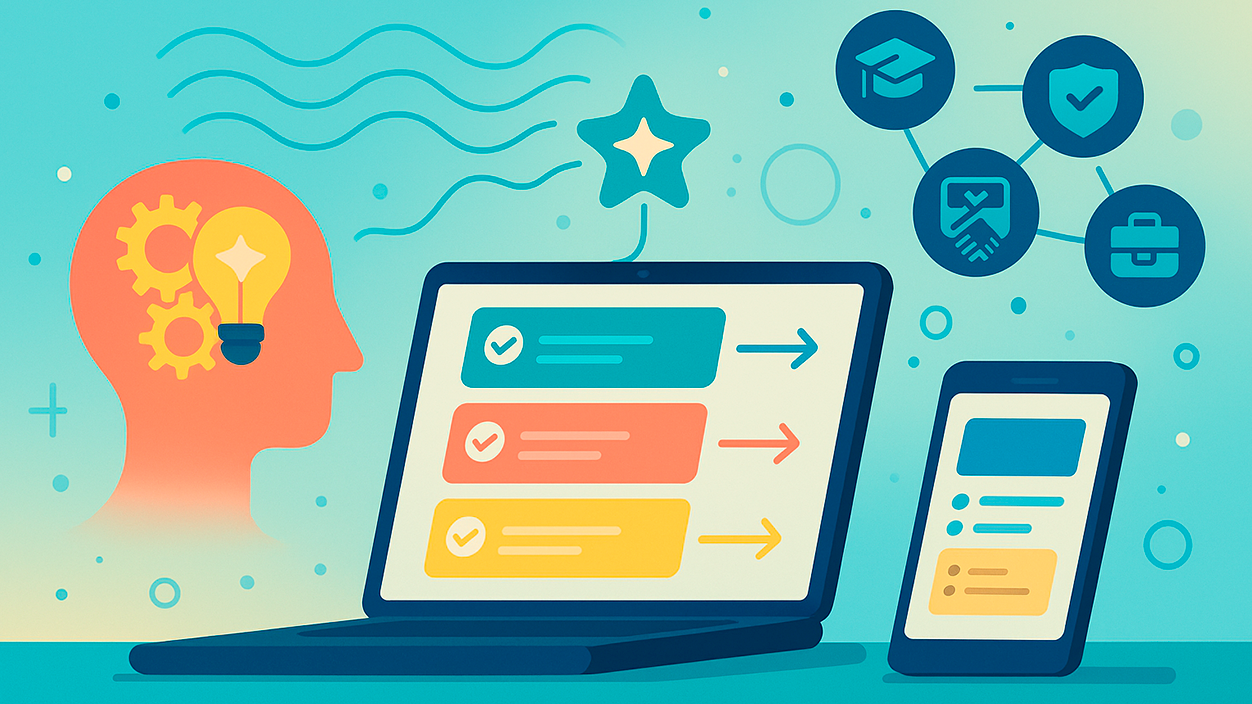
In the midst of the expansion of artificial intelligence, an idea is gaining ground: ability to learn to learn It is emerging as the decisive skill for those who study and work. It is not just a matter of accumulating knowledge, but of adjusting how we acquire them when technology changes at a pace that is difficult to keep up with.
This approach has gained prominence in both academic debate and the technology industry. A leading figure in the sector, Demis Hassabis, stressed that change is constant and that it will be necessary continuous recycling throughout professional life, while companies like Google are strengthening AI educational tools to support learning, not just to provide quick answers.
Why learning to learn will make a difference

During a speech in Athens, the director of DeepMind, recognized with the 2024 Nobel Prize in Chemistry for advances in protein structure prediction, stressed that The evolution of AI makes it more difficult to anticipate the near future. Faced with this uncertainty, develop meta-skills —knowing how to organize one's own learning, connect ideas and optimize attention— can be the best lifesaver.
Hassabis noted that a general-purpose intelligence system could emerge around the next decade, with the potential to drive a unprecedented prosperity and, at the same time, with risks to manage. The practical conclusion was clear: it will be necessary to update on a recurring basis, combining classic areas such as mathematics, sciences and humanities with adaptive learning strategies.
AI in the classroom: from responses to support
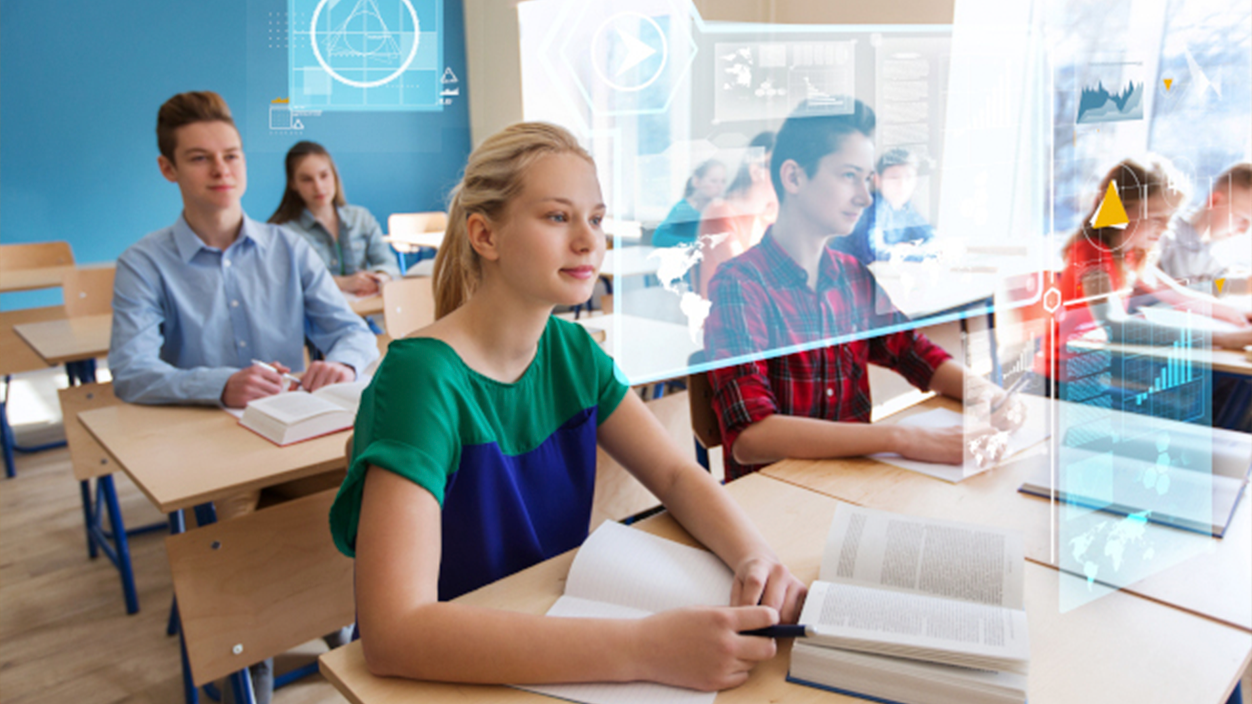
Education is already experiencing this shift. Faced with assistants who solve exercises instantly, a model that gains weight guides the process and encourages reflection, breaking down steps and proposing alternatives so that the student understands the why, not just the result.
This change fits with the idea of learning how to learn: supports that structure the study —clues, guided rereadings, graded feedback—help consolidate concepts and transfer them to new contexts. The goal isn't to cut corners, but rather to increase student autonomy as their mastery improves.
What Google proposes with its educational AI
Google has reinforced Gemini with a specifically pedagogical focus. According to the company, the development was carried out with educators, neuroscientists, and teaching experts to integrate principles of the science of learning in the experience.
Highlighted features include a working mode that accompanies step by step: Instead of providing the final solution, ask intermediate questions, adapt explanations to the student's level, and offer scaffolding to advance at their own discretion.
Another line of improvement comes with the visual aidsThe system Integrates images, diagrams, and videos into answers when appropriate to clarify complex concepts —for example, in science— and promote spatial or temporal understanding of the content.
In addition, it incorporates Practical tools for preparing for exams: from personalized tests and guides to interactive quizzes generated from class materials or previous performance. Summaries, which previously required hours, can now be set up in minutes, with options to adjust the level of depth.
Actual use among students: data from Spain and Europe
The adoption of AI tools among students is already massive. A study on artificial intelligence and employability places the figure at around 65% usage at user level among Spanish students, while a Google survey of 7.000 European teenagers indicates that more than two-thirds use it weekly for learning.
In terms of preferences, ONTSI data shows that, among those who use generative AI in Spain, ChatGPT accounts for around 83% of users. And according to the CIS, nearly 41% of the population has used the tool at least once in the last year, another sign of the normalization of these services.
Conditions for responsible and equitable use
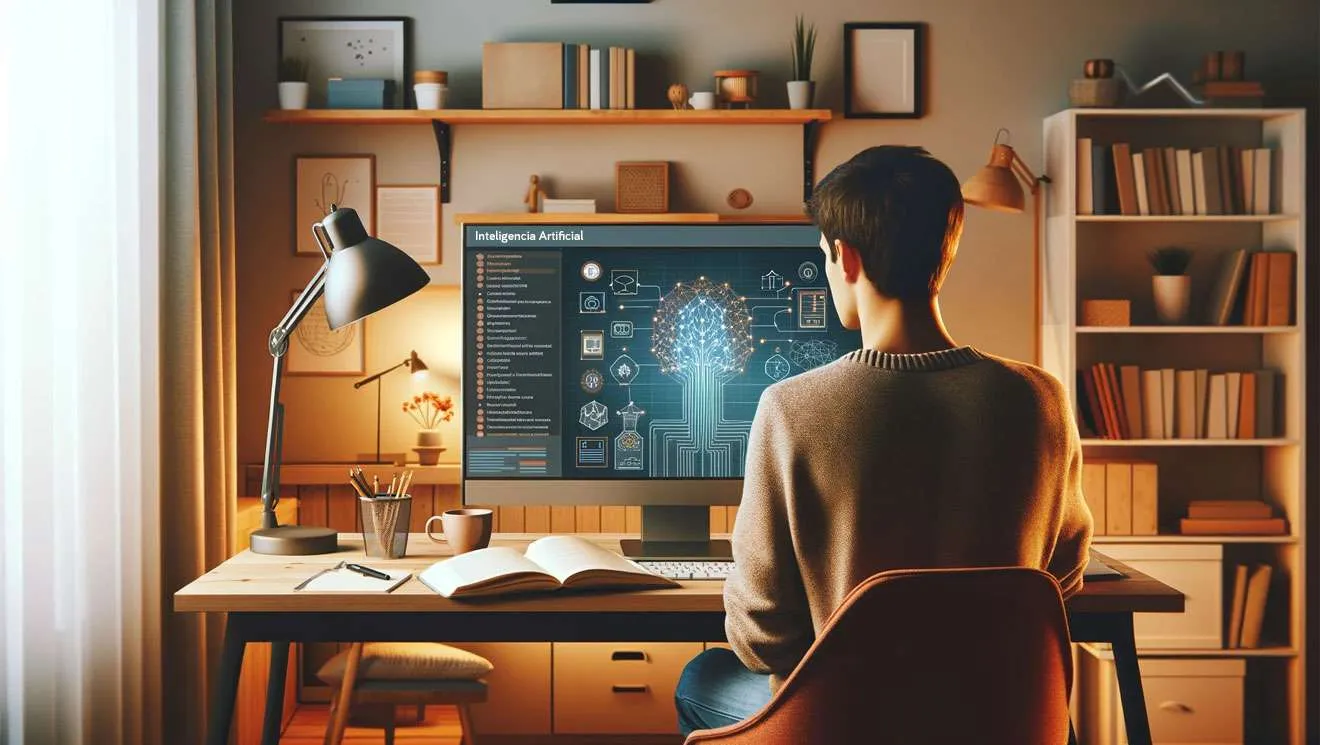
In practice, educational benefits depend on how these technologies are used. It is key that families and teachers guide their use to prevent them from becoming shortcuts that impoverish learning and instead function as support for better thinking, verifying reasoning, and training skills.
There are two underlying fronts. On the one hand, the teacher training to integrate AI into the classroom with clear pedagogical and evaluative criteria. On the other hand, the access to the tools, so that gaps do not widen and the equality of opportunity sought by the educational system is guaranteed.
It also calls for a broader social debate: if citizens do not perceive personal benefits from AI, distrust will grow. Hence the insistence that advances translate into tangible improvements and that they are not concentrated only in large corporations, to avoid inequalities and tensions.
Implications for employment and continuing education
Technological acceleration is pushing us to design flexible training paths. Combining disciplinary knowledge with transferable skills —learning to learn, critical thinking, communication, data management— will allow retraining when tasks change or new professions emerge.
More than a fad, the watchword is practical: set aside time to update yourself, rely on AI to diagnose gaps and set goals, and develop a routine that make studying a habitWith this approach, AI tools add capabilities rather than replace them.
The emerging picture connects discourses and practices: scientific leaders are calling for meta-skills for an uncertain future, students are already using AI on a large scale, and major technology players are fine-tuning educational solutions. The difference will be made if this deployment is geared toward learn better and with greater autonomy, with teacher support and clear rules so that progress is shared.

I am a technology enthusiast who has turned his "geek" interests into a profession. I have spent more than 10 years of my life using cutting-edge technology and tinkering with all kinds of programs out of pure curiosity. Now I have specialized in computer technology and video games. This is because for more than 5 years I have been writing for various websites on technology and video games, creating articles that seek to give you the information you need in a language that is understandable to everyone.
If you have any questions, my knowledge ranges from everything related to the Windows operating system as well as Android for mobile phones. And my commitment is to you, I am always willing to spend a few minutes and help you resolve any questions you may have in this internet world.