- Three-year alliance to accelerate Android XR glasses and attract manufacturers.
- Reference prototype with Magic Leap waveguides and Google Raxium microLEDs.
- Magic Leap positions itself as an ecosystem partner, not as a consumer manufacturer.
- Europe in the spotlight: professional uses, privacy and production challenges.

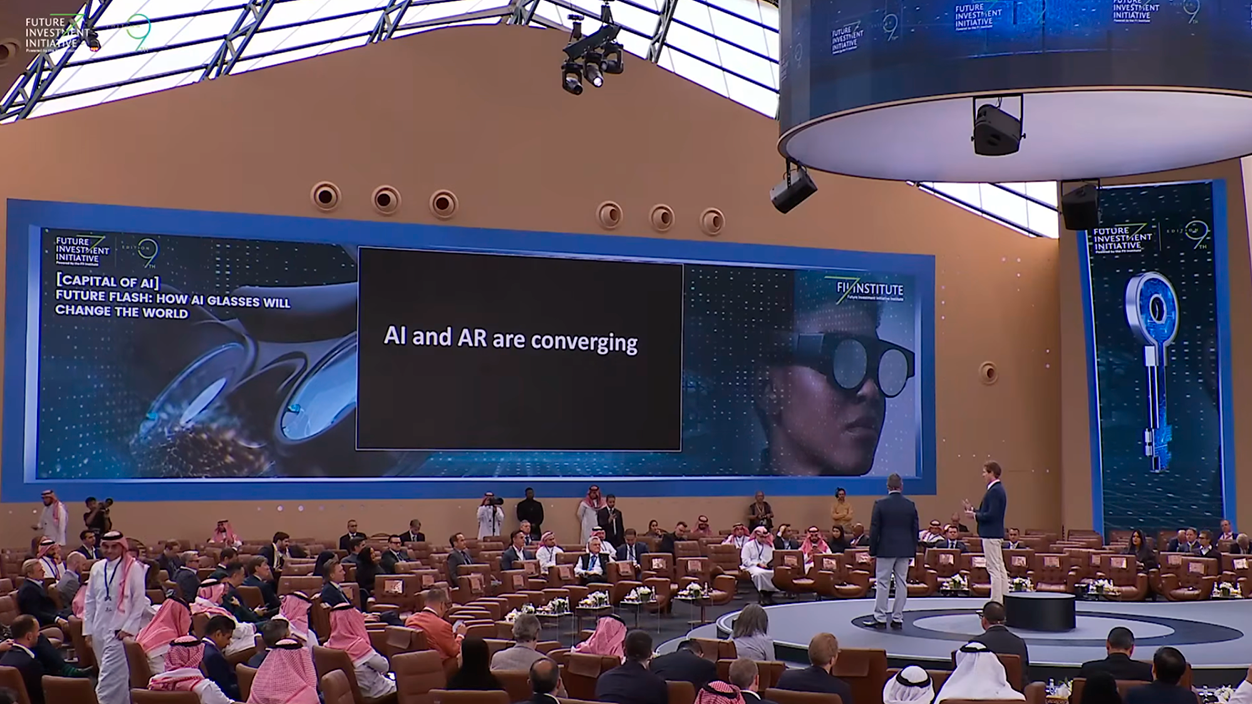
The collaboration between Magic Leap and Google takes another step forward with an expanded agreement and the unveiling of some Android XR glasses as a prototype which aim to serve as a benchmark for the sector. The progress was showcased at the event. Future Investment Initiative (FII) in Riyadhwhere both companies emphasized their commitment to a Lightweight AR that can be used all day long.
More than a final product, it is a reference design for the Android XR ecosystemA roadmap for third parties to manufacture glasses using Magic Leap optical technologies and Google's microLED light engine (Raxium). For Europe and Spain, this approach opens the door to local and multinational brands can accelerate their own projects with fewer technical barriers.
A strengthened agreement between Magic Leap and Google
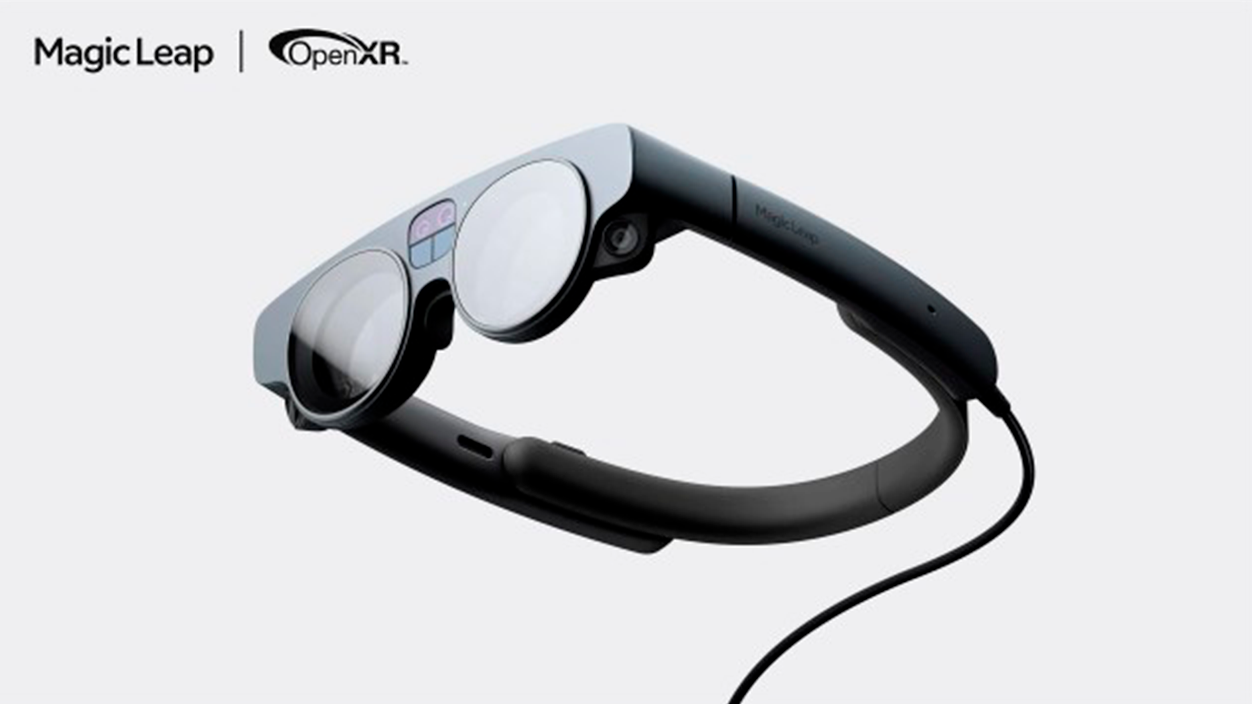
The extension of the pact It establishes a three-year collaboration in which Magic Leap becomes an “AR ecosystem partner” to support companies that want to launch Android XR glasses. The relationship, which began as a strategic alliance, is now moving towards industrialization of optics and systems for third parties.
In the software field, Google's platform is Android XR, designed to work on extended reality devicesThe recent launch of a headset based on this platform demonstrates that the system is becoming a reality, and that the Glasses with HUD and AR capabilities They are the next logical step for partner manufacturers.
If you want to know more, I'll leave it to you This video where it is explained More about how this prototype works.

A prototype of Android XR glasses as a reference design
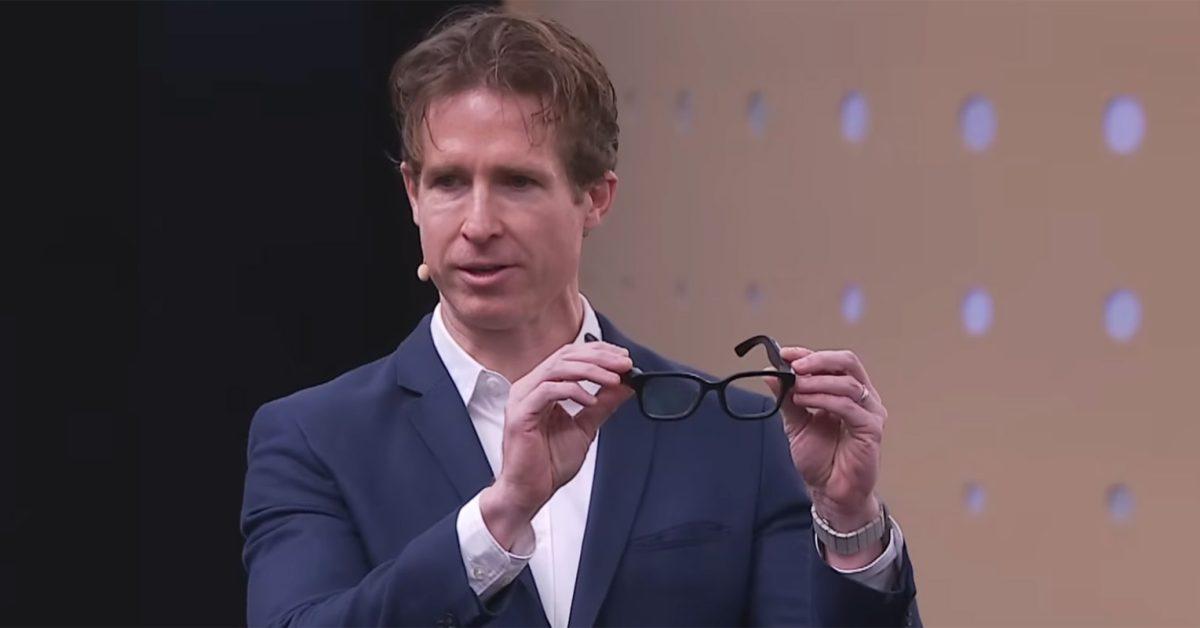
The prototype shown is reminiscent of modern smart glasses: A slightly thicker mount to house the electronics and a module with camera on one sideWhat matters is not so much its aesthetics as its function: to serve as a technical guide for other manufacturers that want to enter the market based on Android XR.
The key to the proposal lies in combining the waveguides and Magic Leap optics with the Raxium microLED light engine (Google)This allows for a sharp and stable image without sacrificing a glasses format. This balance between visual quality and comfort It's the holy grail for making AR truly wearable on a daily basis.
Neither Magic Leap nor Google have confirmed that this design will be sold as is.For now, it's prototype and referenceIt has even been suggested that it could be an evolution of what was shown in previous quotes, fitting with Google's strategy of promote partnerships with eyewear companies and technology brands to bring Android XR to different formats.
Technology, strategy and competition
On a technical level, waveguides allow the image to be integrated into the lens with minimal intrusion, while microLEDs provide brightness, efficiency and compactnessIf the optics maintain the clarity and stability described by Google, it is plausible to aspire to long-term use without fatigue, something the market has been pursuing for years.
In terms of experience, the pairing with Multimodal AI (Gemini) This opens the door to features such as object identification, translation, contextual help, and overlay navigation. Added to the potential of services like Google MapsThe result points to a HUD that is useful in everyday tasks, both in professional environments and on the go.
The competition is already heating up. Meta is boosting its... Ray-Ban with screen and optical partners for future models. The advantage of the Android XR proposal lies in combining Advanced optics, mature software, and AI under one umbrella, making it easier for multiple brands to compete without reinventing the technological base.
In parallel, Magic Leap has been shifting from launching its own devices to a role of licensing and supply of opticsThis isn't about "Magic Leap 3", but about empowering third parties with their know-how in display systems and waveguidesand fit into a broader ecosystem led by Google in software.
Impact on Europe and the sector
For Spain and Europe, the reference design approach can accelerate pilot projects and deployments in industry, healthcare, maintenance, retail or tourism, where a discreet HUD provides immediate value. The existence of a common stack reduces integration time and costs, something key for SMEs and large integrators.
However, regulatory review remains. privacy and data protection (GDPR) They will demand guarantees: on-device processing where possible, granular control of cameras and microphones, and transparency in the use of AI. This framework could create competitive advantages in the European market.
Production challenges also persist: manufacturing large-scale microLEDs Even with good returns, it remains complex and expensive. Google's acquisition of Raxium was strategic, but the leap to massive volumes will depend on... yield and cost improvements throughout the supply chain.
On the corporate level, Magic Leap currently has majority shareholding of the Saudi Public Investment Fund and has adjusted its structure, with cuts in commercial areas and a greater focus on licensing. Google, for its part, has incorporated specialized talent from Magic Leap into Android XR projectsThis is an indication that the collaboration is operational and not just high-level.
With an extended alliance, a working prototype, and a scheme that prioritizes the role of partners, Google and Magic Leap lay the foundation so that different brands can bring Android XR to consumer and professional glasses. In Europe, success will depend on combining real utility, privacy guarantees and a manufacturing process that makes the final price viable, without fireworks and with a lot of execution.

I am a technology enthusiast who has turned his "geek" interests into a profession. I have spent more than 10 years of my life using cutting-edge technology and tinkering with all kinds of programs out of pure curiosity. Now I have specialized in computer technology and video games. This is because for more than 5 years I have been writing for various websites on technology and video games, creating articles that seek to give you the information you need in a language that is understandable to everyone.
If you have any questions, my knowledge ranges from everything related to the Windows operating system as well as Android for mobile phones. And my commitment is to you, I am always willing to spend a few minutes and help you resolve any questions you may have in this internet world.