- Medical AI optimizes diagnoses, personalized treatments, and hospital management
- Its integration improves accuracy, clinical efficiency and patient experience
- Includes applications in imaging, monitoring, robotics, genetics and research
- Ethical and regulatory challenges require continuous training and updating of the sector
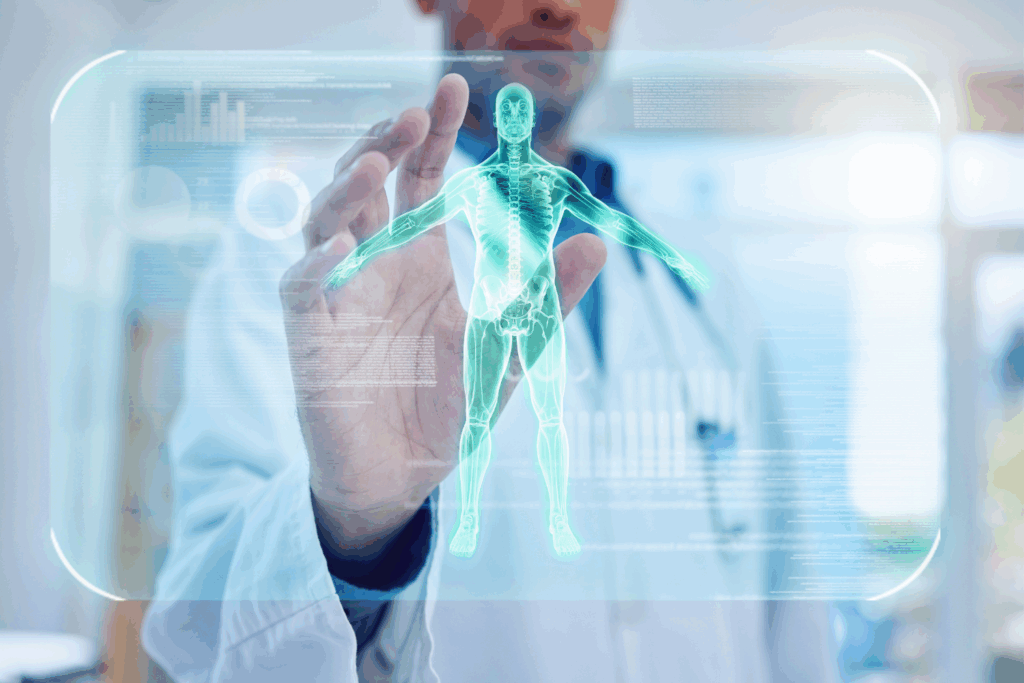
AI has revolutionized the healthcare sector, becoming a fundamental pillar for advances in diagnosis, personalized treatment, and hospital management. From automated image reading to real-time therapeutic recommendations or predictive analysis, Medical Artificial Intelligence has ceased to be a promise and has become a reality. in hospitals, surgeries and laboratories around the world.
In this article, we take an in-depth look at how AI is applied in the clinical setting, including its advantages, challenges, and the real-world impact on the lives of patients and healthcare professionals.
What is Medical Artificial Intelligence?
Medical Artificial Intelligence covers the Use of algorithms, neural networks, and expert systems capable of emulating and enhancing human reasoning in the diagnosis, treatment, and management of health. It relies mainly on machine learning (machine learning), deep learning (deep learning) and natural language processing (NLP), which allow computers to analyze huge volumes of clinical data, identify subtle patterns, and offer recommendations or predictions with a level of accuracy that often exceeds traditional methods.
Thanks to digitalization and the availability of medical data (images, records, genomics, wearables), AI has been able to unleash its full potential in today's medicine. Its ability to identify correlations invisible to the human eye is behind many of the recent advances in early disease detection, personalized treatment, and optimization of hospital resources.

Main clinical applications of AI in Medicine
Artificial Intelligence has today presence in almost all medical areas, both in direct healthcare and in healthcare management, research, teaching, and continuing professional training. Its most notable applications include:
- Automated diagnostic imaging: AI is capable of analyzing X-rays, mammograms, CT scans, MRIs, and other tests with equal or greater accuracy than radiologists in certain pathologies, helping to detect lesions in very early stages and facilitating a second expert opinion.
- Remote monitoring and wearables: Portable devices connected to smart systems allow for constant monitoring of vital signs or the condition of chronically ill patients, sending automated alerts or recommendations in the event of any deviation or risk detected.
- Virtual health assistants: Chatbots and AI-based voice systems answer questions, manage appointments, accompany the patient and remind them to take medication, improving the care experience and optimizing times.
- Personalized medicineAI relies on the analysis of genomic and clinical data to select the optimal treatment for each patient, calculate doses, and predict adverse reactions, paving the way for precision medicine.
- Decision-making supportAI-based clinical support systems integrate medical records, outcomes, scientific literature, and databases in real time, facilitating personalized treatment recommendations and anticipating complications.
- Optimization of hospital management: Predictive analytics allows for anticipating bed occupancy, better allocating human resources, managing inventories, and reducing waiting times in emergency rooms.
- Drug research and discovery: AI accelerates the identification of new molecules, the selection of clinical trial candidates, and the personalization of treatments for difficult or rare diseases.
Diagnostic Imaging: AI's Great Leap in Radiology and Pathology
The use of AI for the medical image analysis It represents one of the greatest advances in healthcare in the last decade. Thanks to training with millions of labeled images and deep learning capabilities, algorithms can identify complex patterns in X-rays, CT scans, MRIs, mammograms, or pathological anatomy images with accuracy that equals or exceeds that of human experts in specific tasks.
In fields such as oncology, AI facilitates the early detection of breast, lung, colon, skin, and pancreatic cancers by identifying subtle signs and minimizing both false negatives and positives. For example, systems used in population-based mammography screening have been shown to reduce variability in interpretation and streamline workflow by prioritizing studies with suspicious findings and automating the classification of normal images.
Furthermore, AI in radiology does not replace the radiologist, but rather acts as an intelligent copilot, helping them focus care on complex cases and freeing up time for patient communication and comprehensive analysis. In endoscopies and digestive tests, AI has made it possible to detect millimetric neoplastic polyps in real time, optimizing endoscopic resection and reducing advanced cancer through earlier intervention.

Continuous Monitoring and Remote Care with AI
The implementation of Wearable devices and smart sensors are enabling constant patient monitoring., both in the hospital and at home. These systems monitor vital signs, physical activity, biochemical parameters, and even behavioral changes using artificial intelligence, in many cases anticipating worsening health conditions before visible symptoms arise.
In chronic diseases – such as diabetes, heart failure or COPD – AI automates the sending of alerts, recommendations to adjust medication or reminders to see a doctor, reducing hospitalizations and emergency interventionsTheir role has become even more important during the pandemic, enabling remote monitoring and reducing in-person contacts without compromising the quality of care.
Virtual Assistants and Medical Task Automation
AI has given rise to A new generation of digital assistants capable of interacting seamlessly with doctors and patients, facilitating clinical documentation, medical record management, and the automation of repetitive administrative processes.
Solutions such as automatic medical dictation with near-perfect voice recognition, in-office note-taking, and clinical report generation offer great advantages in efficiency and allow professionals to dedicate more time to direct patient care.
In the doctor-patient relationship, AI-based chatbots and virtual assistants address frequently asked questions, provide guidance on appointment scheduling, offer therapeutic reminders, and provide emotional support, especially during chronic conditions or when in home isolation.
Personalized Medicine and Precision Therapies
One of the great dreams of medicine is offer treatments fully adapted to the unique characteristics of each patient. Artificial intelligence, analyzing the genetic profile, clinical data, pharmacological history and preferences of each person, helps select the most effective and least toxic therapy.
In oncology, for example, AI is able to examine a tumor's specific genetic mutations and suggest targeted therapies, significantly increasing success rates and minimizing side effects. Furthermore, algorithms make it possible to predict the patient's response to certain drugs, adjust doses and anticipate possible complications, inaugurating a new era in the precision medicine.
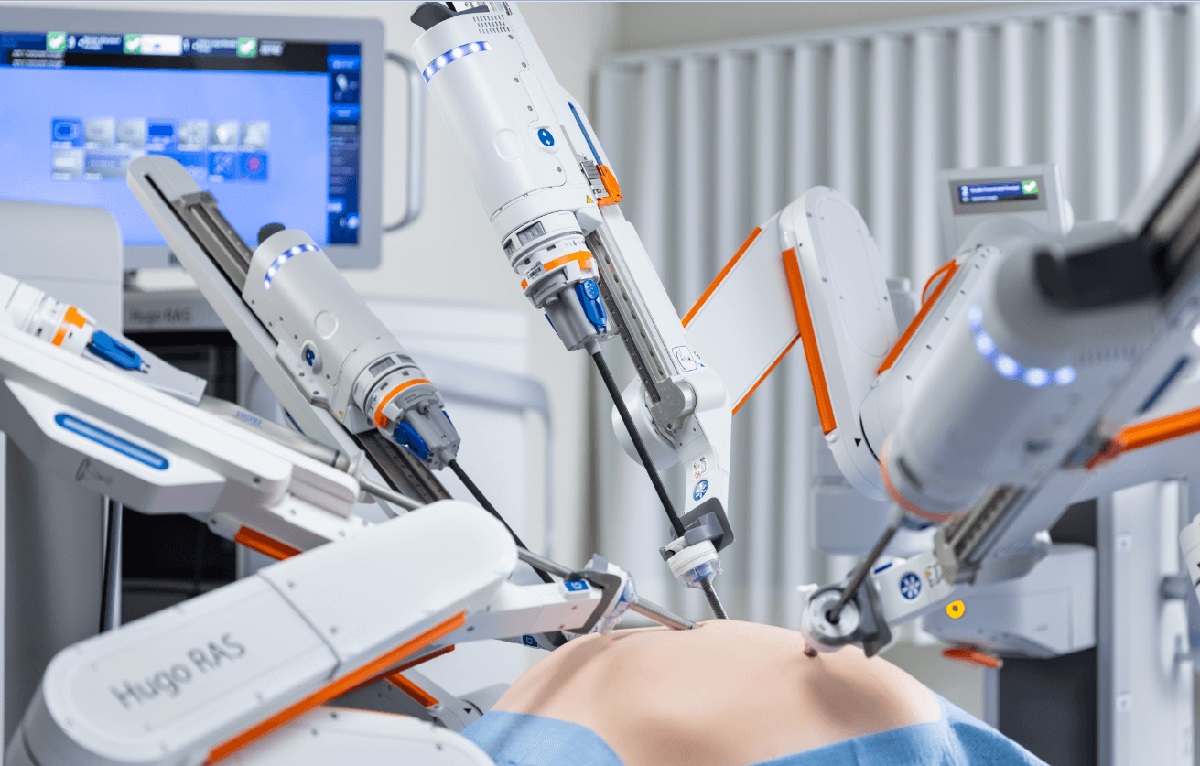
Robotic Surgery and AI: Precision and Safety in the Operating Room
In the field of robotic surgery, AI has significantly improved accuracy, safety, and recovery in minimally invasive procedures.
Thanks to AI, preoperative planning is performed with detailed 3D models of the patient's anatomy, identifying critical structures and anticipating difficulties before the intervention. During surgery, algorithms continuously analyze physiological parameters and patient conditions, offering real-time assistance, identifying tumor margins and detecting vascular abnormalities that could go unnoticed.
Applications in Pharmacology, Genetics and Rehabilitation
Artificial intelligence has become an essential ally in the research and development of new medicines, gene therapies and rehabilitation devices. Deep learning and big data algorithms allow millions of chemical compounds to be analyzed, those with the greatest therapeutic potential to be identified, and the results of preclinical trials to be rapidly predicted. accelerating the drug discovery process and reducing costs.
In genetics, AI helps detect the potential presence of rare diseases and genetic disorders in a simple facial photograph, thanks to advanced recognition systems capable of discriminating between more than 8.000 pathologies. Likewise, in the field of rehabilitation, smart exoskeletons and prosthetics use AI to adapt to each user's movement pattern. facilitating the recovery of mobility and functional independence.
Hospital Management and Resource Optimization
The impact of AI goes far beyond direct clinical practice and reaches the global management of hospitals and healthcare centers, which allows for a more efficient allocation of material and human resources.
Thanks to predictive analysis, systems can anticipate patient influx, manage bed occupancy, adapt the provision of healthcare personnel to demand and improve the organization of emergency departments. In leading hospitals such as University College Hospital London and Hospital Clínic Barcelona, the application of AI has significantly reduced waiting times and unexpected mortality in critical care units, enabling earlier interventions.
AI also improves logistics and inventory of medical supplies, automates appointment scheduling, and reduces administrative burden, allowing doctors and nurses to truly focus on what matters: the patient.
Ethics, Regulation, and Current Challenges of Medical AI
The rapid advancement of medical AI also poses ethical, legal, and social challenges that cannot be ignored.
Issues such as data privacy and security, transparency in algorithms, potential AI biases, and human oversight in clinical decision-making are being debated by international and national organizations. Legislation such as the Spanish Artificial Intelligence Strategy 2024 and the creation of the Spanish AI Oversight Agency (AESIA) seek to ensure the safe, ethical, and transparent use of these technologies in the healthcare field.
The main challenges include:
- Data privacy: ensure that sensitive medical information is protected and that the patient has control over its use.
- Biases in algorithms: AI systems must be trained with diverse and inclusive data to avoid unfair or discriminatory decisions.
- Human supervision: AI should be a support tool, never a substitute for clinical judgment or the empathetic doctor-patient relationship.
Ethics training and ongoing updating are essential for healthcare professionals to make responsible and safe use of AI in their daily practice.
Will AI replace doctors?
The question of whether AI will replace doctors is a recurring one, but the reality is that Artificial intelligence is designed to enhance, not replace, human professionals.
A doctor's empathy, clinical judgment, experience, and communication skills cannot be replicated by a machine. Although AI is capable of identifying patterns, analyzing large volumes of data, and proposing diagnoses or treatments, review, interpretation, and validation by a healthcare professional are always necessary.
In practice, collaboration between humans and artificial intelligence is the most effective approach, with each contributing their best: AI as support for efficient information management and early risk detection, and the physician as a guide, communicator, and guarantor of quality and safety of care.
Advantages and benefits of applying AI in medicine
The incorporation of artificial intelligence in medicine presents numerous advantages:
- Improves diagnostic accuracy by detecting patterns that might go unnoticed by the human eye.
- Facilitates prevention and early detection of diseases, allowing for more effective and earlier interventions.
- Personalize treatments, increasing success rates and minimizing adverse effects.
- Optimize healthcare management, reducing waiting times and costs, and improving the efficiency of available resources.
- Free the medical professionals of administrative tasks, allowing more time to be devoted to clinical care.
- Promotes more equitable access to diagnoses and treatments, even in remote or resource-limited areas.
Medical Artificial Intelligence is neither science fiction nor a passing fad, but the greatest healthcare revolution of our time. Its potential to save lives, improve clinical outcomes, optimize resources, and personalize care will only be fully realized if professionals, patients, and institutions work together with ethics and scientific rigor, integrating AI as an ally for well-being and health.

Editor specialized in technology and internet issues with more than ten years of experience in different digital media. I have worked as an editor and content creator for e-commerce, communication, online marketing and advertising companies. I have also written on economics, finance and other sectors websites. My work is also my passion. Now, through my articles in Tecnobits, I try to explore all the news and new opportunities that the world of technology offers us every day to improve our lives.