- OpenAI shuts down Sora and cancels its $1.000 billion deal with Disney after only a few months of operation.
- The company is now prioritizing productivity tools, scheduling, and autonomous agents over generative video.
- The high computational cost, lower user traction, and the risk of deepfakes have all weighed on the decision.
- The Sora API and video features in ChatGPT are also being withdrawn, while the industry reviews the viability of large-scale synthetic video.
OpenAI has closed the book on the project a SoraChatGPT's commitment to AI-powered video generation is one of the most talked-about moves in the tech sector recently. The company behind ChatGPT has announced to users, partners, and developers that The application will stop working. and that in the coming weeks will detail the deadlines for the both the app and the API are turned off.
The closure also implies the cancellation of the macro-agreement with The Walt Disney CompanyThe project, valued at $1.000 billion and designed to allow users to create clips with over 200 licensed characters from Disney, Marvel, Pixar, and Star Wars, has been stalled before even reaching full implementation. Presented just months ago as a historic alliance between Hollywood and generative AI, the project was unveiled just months ago.
Why OpenAI shut down Sora and what went wrong
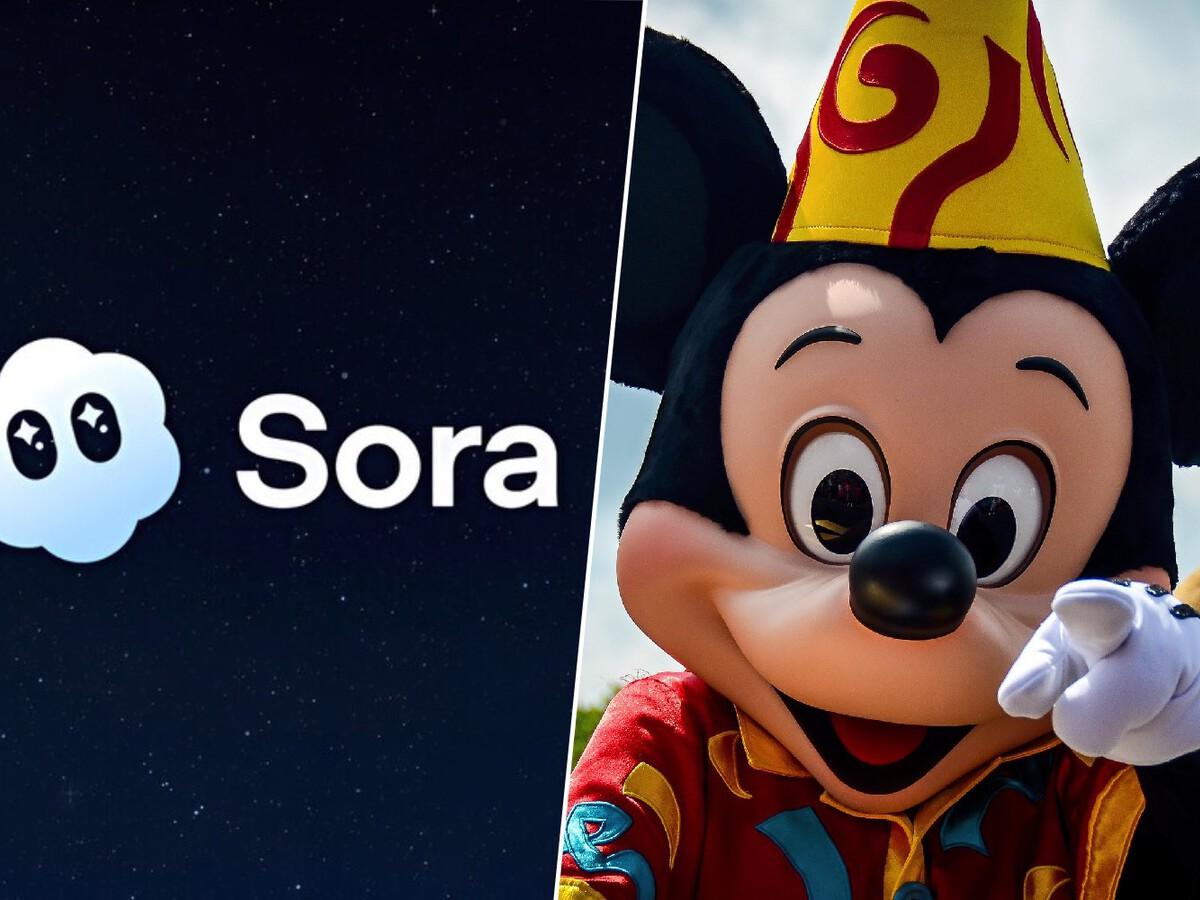
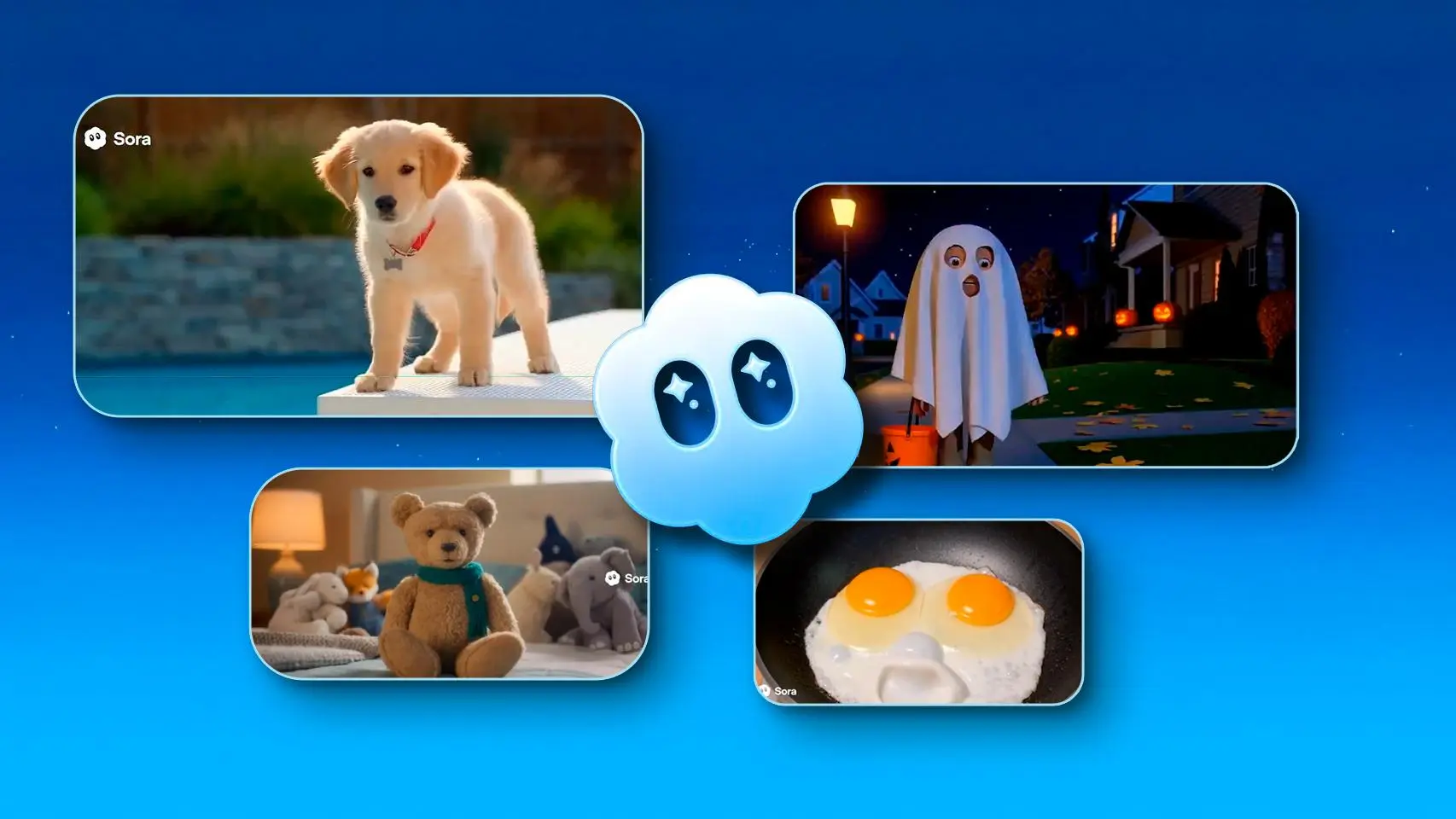
Sora was born in early 2024 as text-to-video modelIt was capable not only of generating clips from scratch, but also of expanding and modifying existing footage. Over time, it evolved into an application with social networking features: it allowed users to create realistic videos, share them within the platform itself, and consume a content stream very similar to that of TikTok or Reels, but powered by AI.
The tool stood out for the visual quality of the videos And because of how easy it was for any user to turn descriptions into almost cinematic scenes. This ease of producing impactful material quickly made Sora a testing ground for viral creations, from surreal montages to scenes with famous people in impossible situations.
That very success raised alarm bells. Celebrities, civil rights organizations, and creative collectives began to warn about the potential to generate deepfakesNon-consensual images and what many describe as an avalanche of “digital garbage” produced by AI. Criticism focused both on the reputational risk to real people and the potential for massive copyright infringement.
As the months passed, OpenAI introduced limitations on content that could be generated with Sora, especially when it involved public figures. The spotlight was on hyperrealistic videos of historical figures, artists, or scientists in sensitive contexts, a controversy that overlapped with complaints from heirs and unions in the entertainment industry.
Meanwhile, the app experienced explosive growth. The standalone version of Sora, released in September 2025 for iOS and Android, became the most downloaded app in the photography and video category, with around one million downloads in its first five days. Subsequent data indicated sustained use, with hundreds of thousands of monthly installations globally.
That popularity had its downside: the servers began to suffer recurring saturationswhich revealed the enormous consumption of resources This involved a high-fidelity video model available to the general public. Internally, OpenAI was debating how to balance the product's media appeal with its computational cost, in a context of intense pressure for access to GPUs and data center components.
Doubts about long-term viability intensified when usage slowed and competition in synthetic video multiplied, both in the United States and China. More and more companies were introducing similar alternatives, which eroded Sora's initial advantage and raised questions about whether it made sense to continue investing so much. computational “firepower” to a mass consumer service.
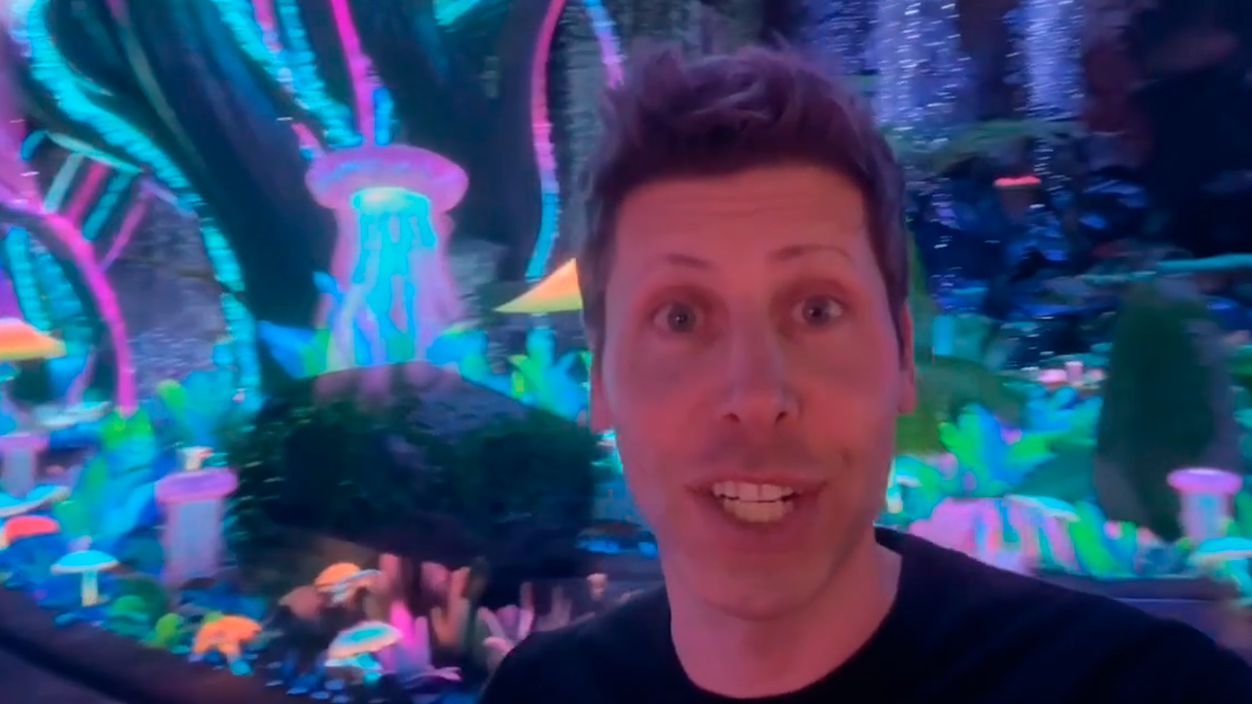
The final straw that tipped the scales was the change in corporate strategy. Various reports indicate that Sam Altman and the OpenAI leadership had been evaluating for some time whether Sora truly fit into the company's business plan, especially given the prospect of a possible merger. IPO expected by the end of the year. The internal message is clear: fewer side bets and more focus on tools with immediate economic returns.
The breakdown of the $1.000 billion deal with Disney
The closure of Sora has brought down with it one of the most ambitious projects between a Hollywood studio and a generative AI firm. The plan signed by OpenAI and Disney envisioned a three-year license to use more than 200 iconic characters — from Marvel heroes to Star Wars figures or animated classics — within videos generated by Sora.
The agreement also included a potential investment of $1.000 billion Disney had a stake in OpenAI, with an option to acquire more in the future. However, sources close to the process indicate that the transaction was never finalized and no funds were exchanged before the cancellation announcement.
The way in which the change of course was communicated has drawn attention in the sector. According to people familiar with the discussions, barely thirty minutes after a work meeting Between teams from Disney and OpenAI to advance the integration of Sora, the entertainment giant was informed that the project was being suspended completely.
Disney has opted for a cautious tone in its public statements. A spokesperson emphasized that the company respects the OpenAI's decision to abandon the generative video business and to refocus its priorities on other areas, while expressing gratitude for the collaboration maintained thus far. The company maintains its intention to continue experimenting with AI, but always, it insists, with strict respect for intellectual property and the rights of creators.
The setback comes at a time when Disney is precisely hardening its defense of its catalog of characters. The company has been at the center of recent disputes related to the use of AI models to replicate its intellectual property, including public clashes with other major tech companies over the training of systems that could recreate protected characters without authority.
From creative lab to professional "superapp"
The closure of Sora fits into a broader reconfiguration of OpenAI's product map. The company is redirecting much of its talent and computing power toward productivity tools, programming, and autonomous systems, areas where it perceives a more stable demand and a clearer business model, especially among corporate clients.
The roadmap involves integrating their ChatGPT app, Codex's code generation capabilities, and web browsing features under a single umbrella. "superapp" focused on intelligent agentsThese systems would be designed to perform tasks in the user's environment, from automating office processes to developing software or managing large volumes of data.
This shift is accompanied by internal organizational changes. Fidji Simo, formerly responsible for consumer applications, has moved to lead the deployment of the so-called AGI (general artificial intelligence), a position that reflects the company's intention to concentrate efforts on core projects that shape its technological future, rather than maintaining multiple scattered product lines.
Sam Altman himself has told the staff that the teams previously focused on video They will be reassigned to longer-term initiatives, such as robotics and other long-term developments. The idea is to move away from products that, however appealing they may be to the public, could be considered "secondary missions" compared to the goal of consolidating a dominant position in the business world.
In this context, competitors like Anthropic have been gaining ground with offerings clearly focused on the professional environment. Their solutions for programming and collaboration, such as Claude Code or AI-assisted coworking tools, have had good reception among developers and technical teams, which has intensified the pressure on OpenAI to defend its share in this segment.
Computing costs, regulatory pressure, and doubts about synthetic video
Beyond the business strategy, there are technical and regulatory factors that have weighed on the cancellation of Sora. Maintaining an operational high-fidelity video model for millions of users implies an enormous consumption of GPUs, power, and bandwidth, at a time when the AI sector is fiercely competing for those same resources to train and deploy other models.
This effort coincided with a period of increased costs in key components from data centers, such as DRAM and NAND memory, and with a race to secure as many graphics accelerators as possible. In practice, Sora was absorbing capacity that the company now considers more useful for paid services with long-term contracts.
In addition to the technical dimension, there is an increasingly demanding regulatory environment, especially in the area of copyright and data usage to train AI models. For a partner like Disney, with a catalog of intellectual property that is meticulously protected, the doubts about what material had been used and how its content could be reused within generative systems weighed as heavily as the creative potential of the project.
Criticism surrounding deepfakes and the proliferation of videos of real people without their consent has also been on the rise, both in the United States and Europe. Rights organizations, screenwriters' and actors' unions, and privacy experts have pointed to the need for sweep away legal gray areas before allowing a massive deployment of synthetic video accessible to anyone.
In this scenario, OpenAI's retreat can be interpreted as a sign of economic realism: mass-market generative video is a expensive and controversial bet, with less obvious short-term returns than those offered by more discreet but more monetizable business tools.
The withdrawal does not mean, however, that OpenAI is completely abandoning audiovisual creation. The company has clarified that the image generation functions The features integrated into ChatGPT will remain operational, although video development will take a back seat. The immediate priority is to clean up the product catalog by removing high-consumption projects that don't fit the new roadmap.
Meanwhile, other players in the sector continue to invest in video models. Tools seeking to fill the void left by Sora are proliferating in both the United States and Asia, suggesting that the debate about the viability of large-scale synthetic video is far from over. The departure of one of the leading players only adds more questions about the industry. who will end up leading this land and under what regulatory and economic conditions.
The discontinuation of Sora ultimately symbolizes the end of an era of audiovisual experimentation at OpenAI and the beginning of a more restrained phase, focused on products with an immediate impact on work and task automation. The cancellation of the agreement with Disney, the shutdown of the API and video features in ChatGPT, and the relocation of teams indicate that the company prefers to solidify its position in productivity and enterprise rather than continue striving to dominate digital entertainment, even at the cost of abandoning one of its most prominent projects.

I am a technology enthusiast who has turned his "geek" interests into a profession. I have spent more than 10 years of my life using cutting-edge technology and tinkering with all kinds of programs out of pure curiosity. Now I have specialized in computer technology and video games. This is because for more than 5 years I have been writing for various websites on technology and video games, creating articles that seek to give you the information you need in a language that is understandable to everyone.
If you have any questions, my knowledge ranges from everything related to the Windows operating system as well as Android for mobile phones. And my commitment is to you, I am always willing to spend a few minutes and help you resolve any questions you may have in this internet world.