- The so-called Signalgate scandal erupts after a chat on Signal was leaked in which senior officials in the Trump administration discussed an attack in Yemen in real time.
- The Pentagon Inspector General's report concludes that Hegseth violated internal regulations and created a risk to the mission and to US pilots, even though he could declassify information.
- The controversy is compounded by a second private chat with family members and by doubts about compliance with official record-keeping laws.
- The case adds to the scrutiny of alleged war crimes in attacks on drug boats in the Caribbean, which have heightened political pressure on the defense secretary.

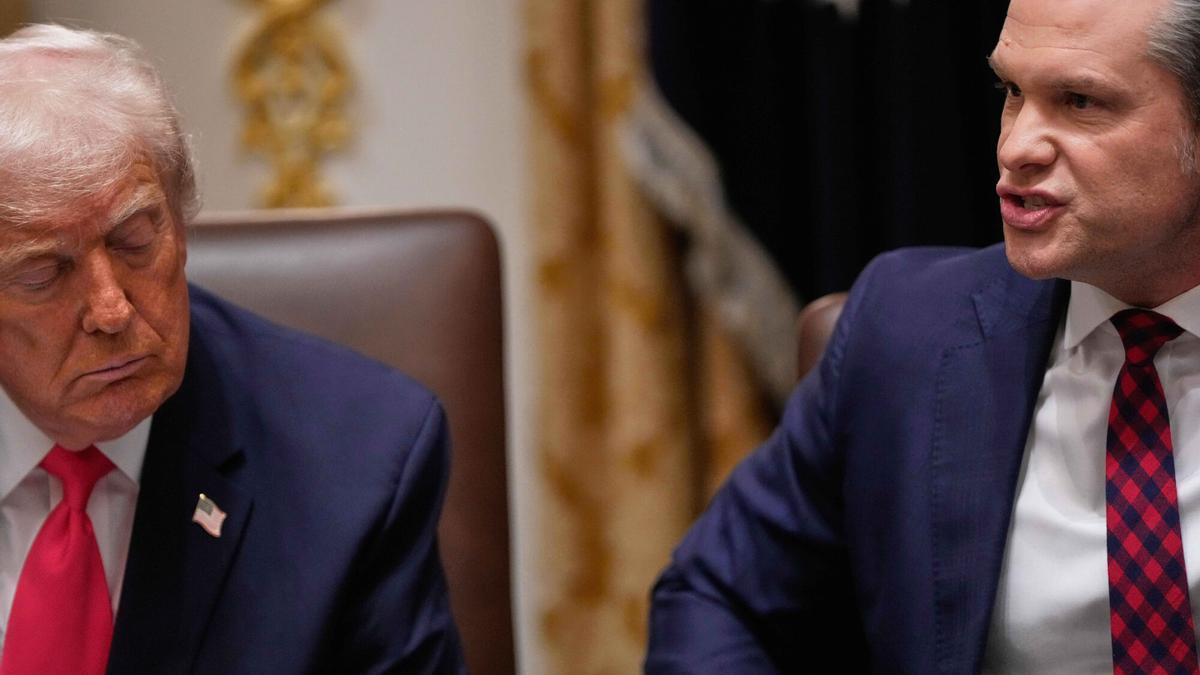
The so-called “Signalgate” has become one of the most delicate episodes of Donald Trump's second administration in matters of security and civilian control over the military. The protagonist is the United States Secretary of Defense, Pete Hegseth, that He decided to use the encrypted messaging app Signal to comment in real time on an airstrike against Houthi targets in Yemen. with other high-ranking political officials.
What could have remained an internal conversation eventually led to un top-level scandal when a journalist was mistakenly included in the group chat. Since then, a cascade of leaks, investigations, and mutual recriminations has brought into sharp focus how the Pentagon's top brass handles extremely sensitive military information.
How “Signalgate” was born: a journalist in the wrong chat
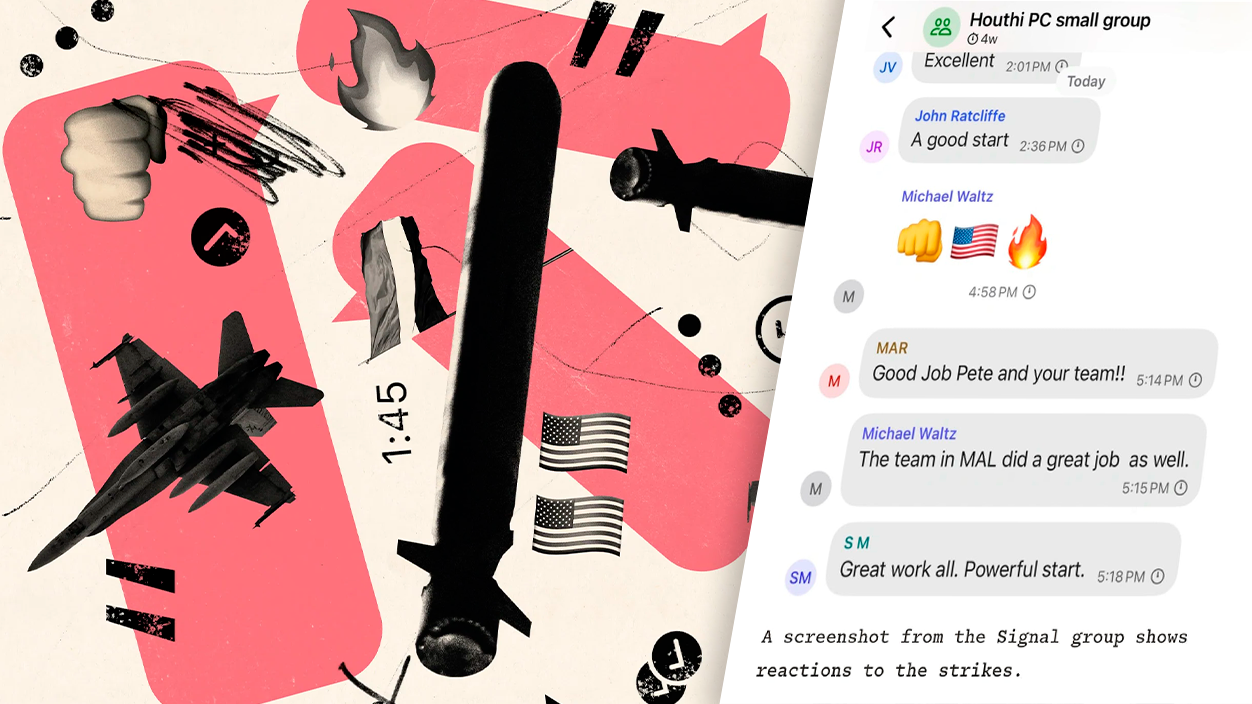
The controversy originated in a Signal group created to coordinate and discuss a retaliatory operation in Yemen against Houthi militias. Hegseth and about fifteen senior Trump administration officials participated in that chat, including then-National Security Advisor Michael Waltz, Vice President JD Vance, and other top officials.
Due to human error, the magazine's editor was added to the group. The Atlantic, Jeffrey GoldbergInitially, Goldberg thought it was a joke: the conversation included messages with flags, congratulations, emojis, and details about the F-18 fighter jets' takeoff time and the progress of the attacks, all in an almost celebratory tone.
When he saw in the media shortly afterwards that the attack was actually taking place, he realized what he was facing. a direct window into an ongoing military operation, and decided to make public the existence of the chat and some of its contentThat revelation triggered the official investigation.
El Waltz himself He would later admit that it was he who He created the Signal group and that the inclusion of the journalist was "shameful", although he claimed not to know for sure how his phone line had ended up being added.
What does the Pentagon Inspector General's report say?
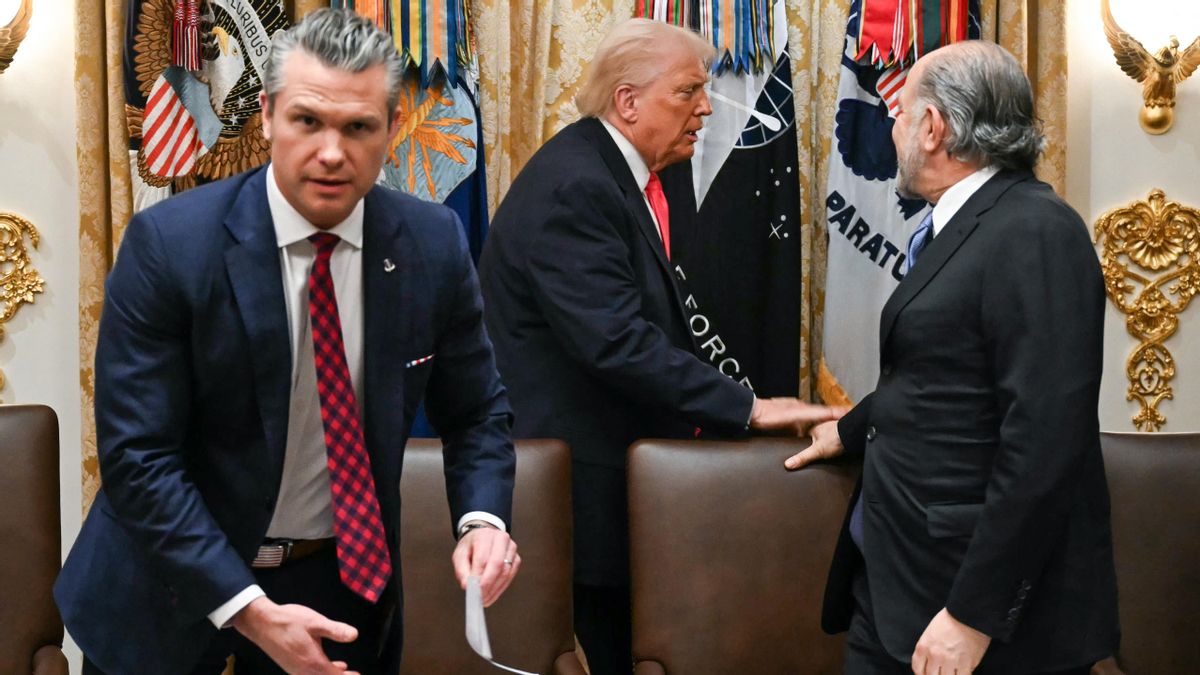
Following the leak, several lawmakers in Washington, both Democrats and Republicans, called for a formal investigation. The Pentagon's Office of Inspector General then opened an investigation. internal probe on the use of a commercial app messaging to handle official matters related to combat operations.
The final report, already submitted to Congress and of which an unclassified version has been circulated, focuses on the messages sent by Hegseth in the hours leading up to the attack. The document emphasizes that the secretary shared on Signal Key operating details, such as aircraft types, takeoff times, and anticipated attack windows.
That data largely coincided with the contents of a email classified as “SECRET” The report was sent by U.S. Central Command (CENTCOM) approximately fifteen hours before the operation and marked “NOFORN,” preventing its sharing with allied countries. According to CENTCOM's own classification guidelines, operational aircraft movements in a combat scenario must be kept top secret.
The inspector general acknowledges that, due to his position, Hegseth had the authority to declassify that type of informationHowever, it concludes that the method and timing chosen to distribute it in a Signal chat were problematic. They created an unnecessary risk to the mission. and for the pilots involved, since, If the data had fallen into the hands of hostile actors, they could have repositioned themselves or prepared counterattacks..
Furthermore, the report maintains that the secretary violated Department of Defense Instruction 8170.01This limits the use of personal devices and commercial applications for managing non-public information related to military operations. In other words, even if an actual leak to third parties is not proven, it is categorically stated that internal security protocols were violated.
Was there classified information? The battle for the narrative
The political discussion has centered on whether what was transmitted through Signal constituted official or not classified informationHegseth maintains that he has not, and has repeatedly stated publicly that the investigation represents a "total exoneration" for him, accompanying his social media posts with phrases such as "Case closed".
The Inspector General's report qualifies that view. It doesn't definitively state whether the content retained the formal seal of secrecy at that moment, but it makes clear that By its nature, it should have been treated as such. and managed through secure Pentagon channels, not in an application intended for private use.
The report also states that, in a previous statement to the investigative teamHegseth himself had asserted that the conversation on Signal “did not include details that could endanger our armed forces or the mission.” This assertion, according to the document, is untenable given the level of detail shared.
The most delicate point of the text indicates that the actions of the secretary “They created a risk to operational safety” which could have led to the failure of the military objectives and potential harm to American pilots. Although the operation resulted in no casualties on our side, the distinction is relevant: the mission's success would have been achieved despite the imprudence in information management.
The Pentagon, through its chief spokesman, Sean Parnell, maintains a very different line of defense: he insists that “No classified information was shared"through Signal, and therefore operational security was not compromised. For the secretary's circle, the case would be politically mitigated."
The second private chat and the doubts about the official records
The “Signalgate” scandal is not limited to the group chat in which the Atlantic journalist appeared. In parallel, the inspector general has investigated a second private chat in Signal, in which Hegseth reportedly shared information related to the same attacks in Yemen with his wife, his brother, and his personal lawyer..
Sources cited by US media indicate that this second channel was also allegedly reproduced sensitive details of the operation, outside of institutional channels and without the usual mechanisms for registering and safeguarding official communications.
The issue of preserving these messages has raised another concern on Capitol Hill. Signal allows conversations to be set to disappear after a short period—for example, a week—which leads to questions about whether The evidence has been properly preserved related to decision-making in a real military attack.
The Pentagon audit team has made it clear that it will review not only compliance with classification rules, but also whether the archiving and transparency obligations in the area of government records. Civil rights organizations and governance experts see this as an uncomfortable precedent, due to the potential use of ephemeral applications for decisions of enormous consequence.
In parallel, the inspector general stressed that it is not just about what technology is used, but how it is integrated into the institutional ecosystem: the report itself admits that the Pentagon It still lacks a secure and fully operational platform. for some high-level communications, which pushes even the most senior officials to rely on commercial solutions.
A systemic breach in the Pentagon's digital security
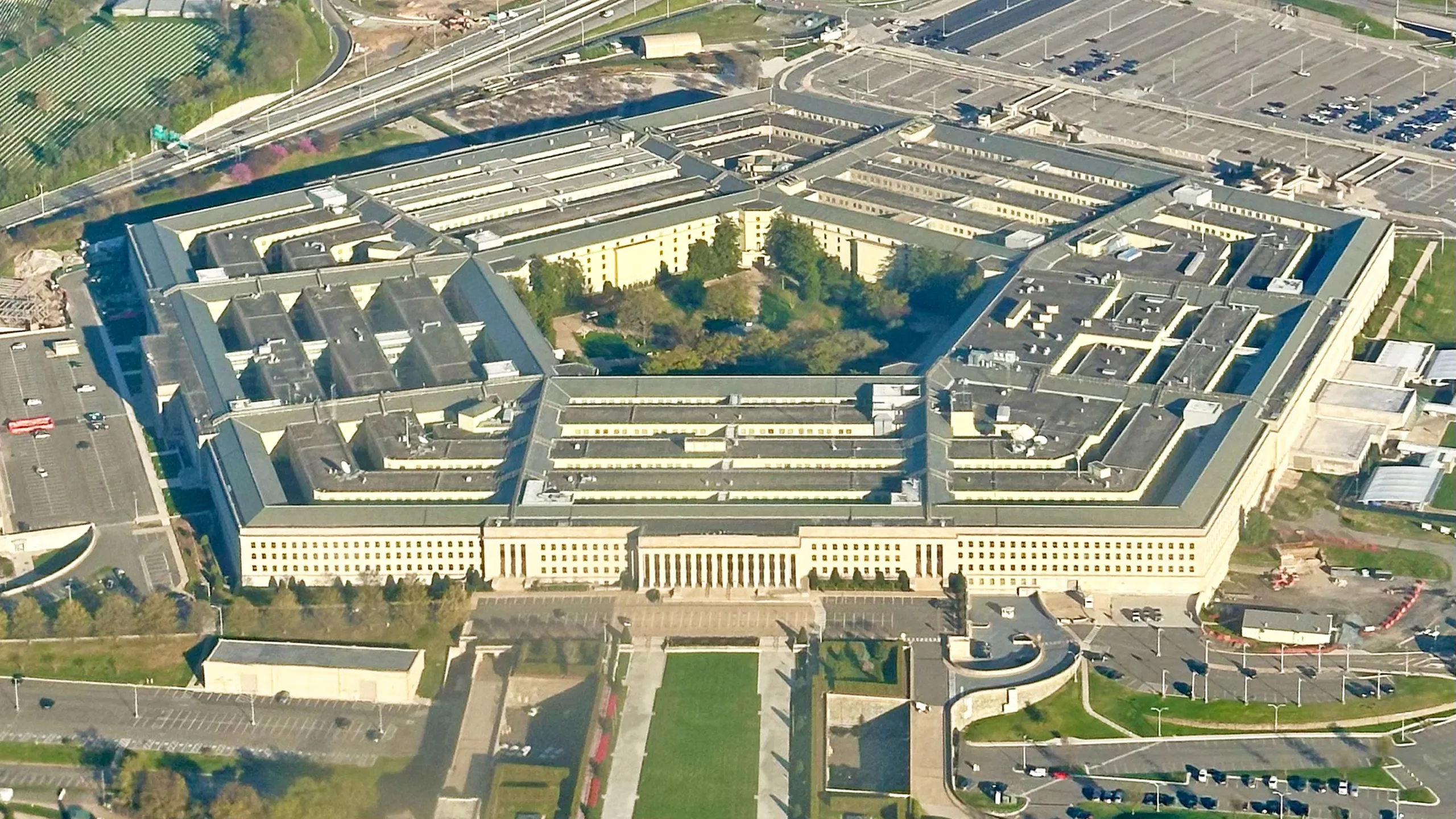
Beyond the specific figure of Hegseth, the “Signalgate” It highlights a structural problem in the U.S. Department of Defense.: the coexistence between rigid security protocols inherited from the Cold War and everyday practices based on instant messaging apps.
The report suggests that The Pentagon does not have tools fully adapted to the pace of current political and military decisions.which makes it easier for top-level managers to use encrypted platforms for civil use to address that deficiency. The Signal case is just the most visible example.
Cybersecurity experts consulted by various media outlets indicate that, Although apps like Signal offer end-to-end encryption, the main risk remains human error: accidentally adding a contact, forwarding content to the wrong person, or exposing the device to phishing attacks.
The internal investigation itself takes note of this human dimension, specifying that the technology itself was not compromised, but rather user malpractice This facilitated the leak. At the same time, the report warns that the combination of ephemeral communications and high-impact decisions complicates subsequent accountability.
In response to these findings, the watchdog recommends strengthening the digital security training of all Department of Defense personnel, from senior political officials to middle management, and clarify the red lines in the use of personal devices for classified or non-public matters.
Political storm in Washington surrounding Hegseth
The Inspector General's findings have deepened partisan divisions in Congress. For many Democrats, the report confirms that the Secretary of Defense acted with “reckless indifference” towards safety of the troops and ongoing operations.
Senator Jack Reed, the ranking Democrat on the Armed Services Committee, has described Hegseth as a “reckless and incompetent” leader, and suggested that anyone else in his position would have faced [a crisis]. severe disciplinary consequences, including the possibility of legal action.
On the Republican side, most leaders are rallying around the secretary. Figures like Senator Roger Wicker are defending Hegseth. acted within his authority by sharing information with other cabinet members and that the investigation would demonstrate, according to his interpretation, that there was no leak of secrets as such.
The White House has also chosen to close ranks. Spokeswoman Karoline Leavitt emphasized that President Trump “supports” the secretary He believes the case does not undermine his confidence in the Pentagon's overall management. This stance aims to prevent the scandal from setting an uncomfortable precedent for other cabinet members.
In parallel, the political debate inevitably brings to mind other past controversies regarding the handling of sensitive information, such as the use of private mail servers by high-ranking officials. Many analysts point out the irony that Hegseth himself criticized, years ago on television, the risks of mixing personal comfort and national security, only to now find himself under the same scrutiny.
The context: attacks in the Caribbean and accusations of war crimes
The “Signalgate” scandal didn't erupt in a vacuum. It came at a time when the Secretary of Defense was already under intense scrutiny. intense scrutiny of lethal operations in the Caribbean and the Eastern Pacific, where the United States has sunk 21 vessels and caused the death of at least 83 people in actions against suspected drug traffickers.
One of the most controversial operations took place on September 2, when an attack on a suspected drug-running boat ended with a second missile impact about shipwrecked survivors clinging to the wreckage. For human rights organizations and some members of Congress, this would constitute a possible war crime if it is confirmed that they no longer posed a threat.
According to press reports, Some sources claim that Hegseth gave the verbal instruction to "kill all" the occupants of the boats linked to drug trafficking.The secretary vehemently denies this. He maintains that he left the monitoring room before the second attack and that the decision was made by Admiral Frank Bradley, who was in charge of the operation.
The videos of the incident, shown behind closed doors to lawmakers from both parties, have provoked very different reactionsSome Democrats describe the scenes as “deeply worrying”While several Republicans believe the action was legal and necessary to ensure the sinking of the boat.
This backdrop further complicates Hegseth's position. The "Signalgate" scandal adds to the doubts surrounding the chain of command and the interpretation of international humanitarian law in the campaigns against drug-running boats, creating an image of management that pushes the boundaries of the rules on several simultaneous fronts.
Europe and Spain facing the precedent of “Signalgate”
Although it is strictly an American case, “Signalgate” is being closely followed in Europe and Spain, where NATO partners are scrutinizing every development. precedent on military information management and use of commercial technologies in highly sensitive environments.
In European capitals, there is a certain unease as a key ally can become embroiled in these kinds of incidents, which call into question not so much the robustness of the technical systems as the political and administrative discipline in the upper echelons of the Ministry of Defense.
Spain, which participates in international missions under the NATO and EU umbrella, faces similar challenges in terms of cybersecurity and digitization of its armed forces. Although the Hegseth case has no direct impact on Spanish operations, it does fuel the internal debate about the extent to which it is appropriate to allow the use of commercial apps, even encrypted ones, in service communications.
Brussels, for its part, has been promoting stricter EU regulations on data protection, cyber defense and resilience of critical infrastructureThe “Signalgate” scandal has been cited in specialized forums as an example of how a simple slip-up in chat configuration can multiply political and strategic risks.
In a context marked by the war in Ukraine, tensions in the Middle East, and rivalry with powers such as Russia and China, Washington's European partners insist on the need to strengthen secure coordination channels to prevent vulnerabilities in a link of the Atlantic chain may have broader repercussions.
The case also fuels the public debate in Spain about the balance between Military secrecy and democratic controlFor some members of the public, it is worrying that decisions about real attacks can be discussed in semi-informal chats; for others, the key is to ensure that records are kept and that there are effective parliamentary oversight mechanisms.
With the “Signalgate” scandal still fresh and investigations into the attacks on drug-running boats ongoing, Pete Hegseth’s political future remains uncertain. Amid damning reports, staunch support from the White House, and a global debate about how military intelligence is handled in the age of mobile devices, the case has laid bare... both personal rifts and structural weaknesses of a system that, despite its enormous power, remains very vulnerable to a simple message sent in the wrong application.

I am a technology enthusiast who has turned his "geek" interests into a profession. I have spent more than 10 years of my life using cutting-edge technology and tinkering with all kinds of programs out of pure curiosity. Now I have specialized in computer technology and video games. This is because for more than 5 years I have been writing for various websites on technology and video games, creating articles that seek to give you the information you need in a language that is understandable to everyone.
If you have any questions, my knowledge ranges from everything related to the Windows operating system as well as Android for mobile phones. And my commitment is to you, I am always willing to spend a few minutes and help you resolve any questions you may have in this internet world.