- Google Beam is the evolution of Project Starline, focused on realistic 3D video calls.
- It uses artificial intelligence, six cameras, and special screens to simulate physical presence.
- Includes real-time voice translation, facilitating communication between different languages.
- HP is collaborating with Google on hardware development, initially focused on businesses and large organizations.
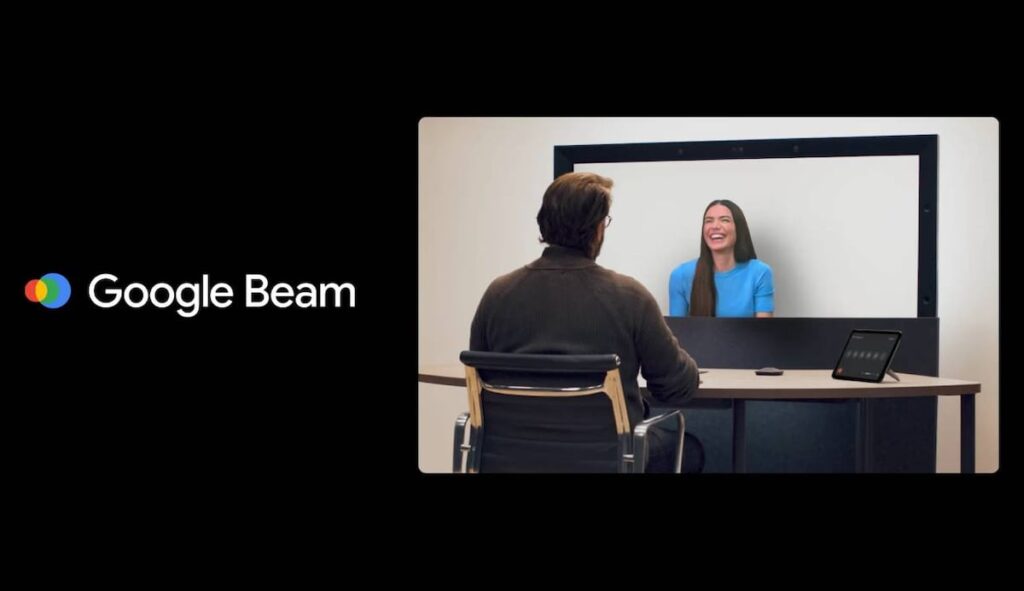
The video calling landscape is about to take a radical turn thanks to Google's latest venture. After several years of experimenting with Project Starline, the technology giant has decided to take the final leap and presents Google Beam, a advanced system that promises to break the limitations of traditional remote communicationsFrom business meetings to international negotiations, the company aims to bring together, like never before, people separated by thousands of miles with a sense of three-dimensional presence difícil de igualar.
What until recently seemed like science fiction is now materialized with Beam: the realistic 3D projection of the interlocutors, where gestures, expressions, and movements can be perceived in such a natural way that the classic “it feels like you were here” takes on a literal meaning. Google wants to do this bridging the emotional and practical gap between video calls, and positions Beam as a product destined to transform the business sector first before making the leap to the general user.
The technology behind Beam: Artificial intelligence and volumetric video
At the heart of Google Beam is a combination of six high-definition cameras placed around a special screen. These cameras capture participants from different angles and, through the artificial intelligence developed by Google, transform that video signal into a real-time volumetric renderingThus, every detail of the face, body posture, and movements are preserved with surprising fidelity.
The screen used is based on the technology of campo de luz, allowing interlocutors to perceive each other in three dimensions and at life size, without the need for glasses or additional devices. In addition, the system uses advanced data compression algorithms to ensure the fluidity of calls, even in environments where network connectivity can be a barrier. All processing, from 3D imaging to streaming, is supported by the infrastructure of Google Cloud.
Real-time voice translation: Communication without linguistic borders
One of the highlights of Google Beam is its feature of almost instant voice translationThanks to the AI models developed in recent years by the company, the platform can interpret what each interlocutor says and reproduce it in the recipient's language, maintaining nuances of voice, intonation and personal expressionsCurrently, the available languages are English and Spanish, although other languages such as German, Italian, and Portuguese are expected to be added soon.
This feature, which has already been tested in Google Meet, can be crucial in international negotiations, in the management of global teams, and in business relationships where language barriers often slow down work. The integration of the naturalistic translation positions Beam as a solution that goes beyond the visual, breaking down not only physical but also cultural distances.
Collaboration with HP and initial focus on businesses
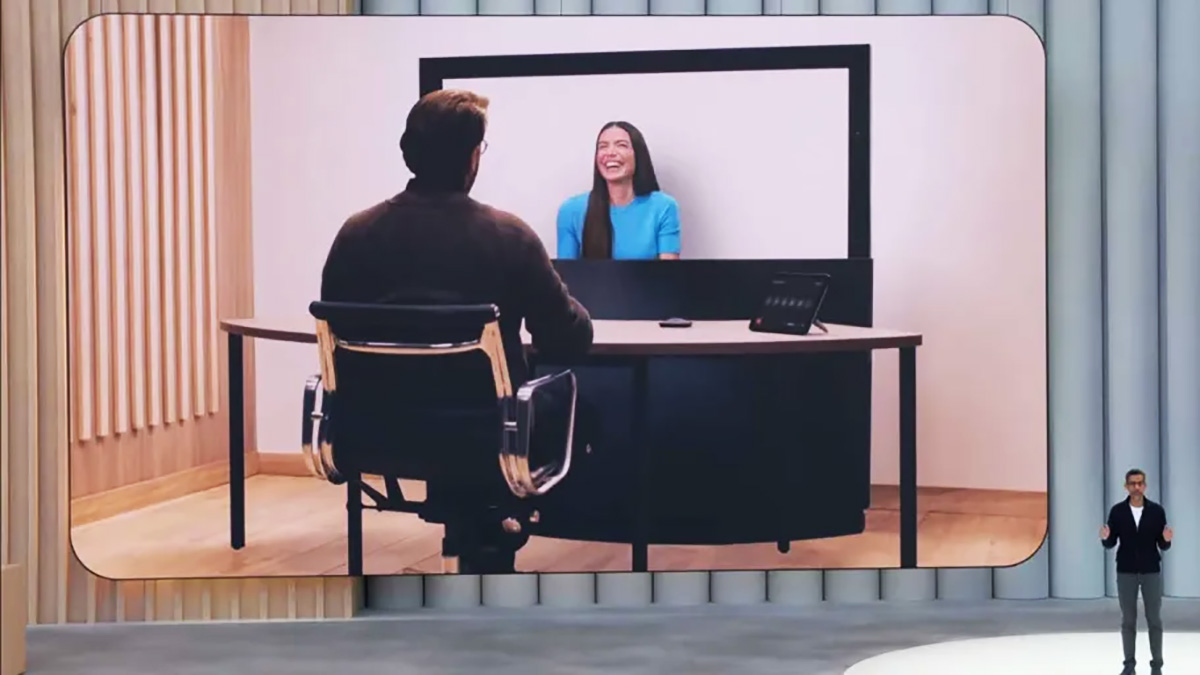
The launch of Google Beam would not be possible without the collaboration of HP, which will contribute its expertise in hardware, design, and global distribution. The first Beam devices are planned for late 2025 and will be targeted at select enterprise customers, especially large corporations looking for reduce the need for business travel y aumentar la eficiencia.
To ensure interoperability and flexibility, Google has also worked with major technology firms, such as Zoom and other audiovisual solution providers. In addition, leading companies such as Deloitte, Salesforce, Citadel, Duolingo or Recruit have already shown interest in adopting this technology, seeing it as a tool to strengthen global collaboration without losing the human component of face-to-face conversation.
Beam's hardware consists of a compact system (the size of a DVD player) based on Chrome OS, with robust displays and six cameras to capture every possible angle. Although the initial cost will be high and implementation will focus on the professional environment, the expectation is that, little by little, Technology becomes more widespread and reaches home users with more accessible devices..
Challenges in the adoption and future of 3D communication
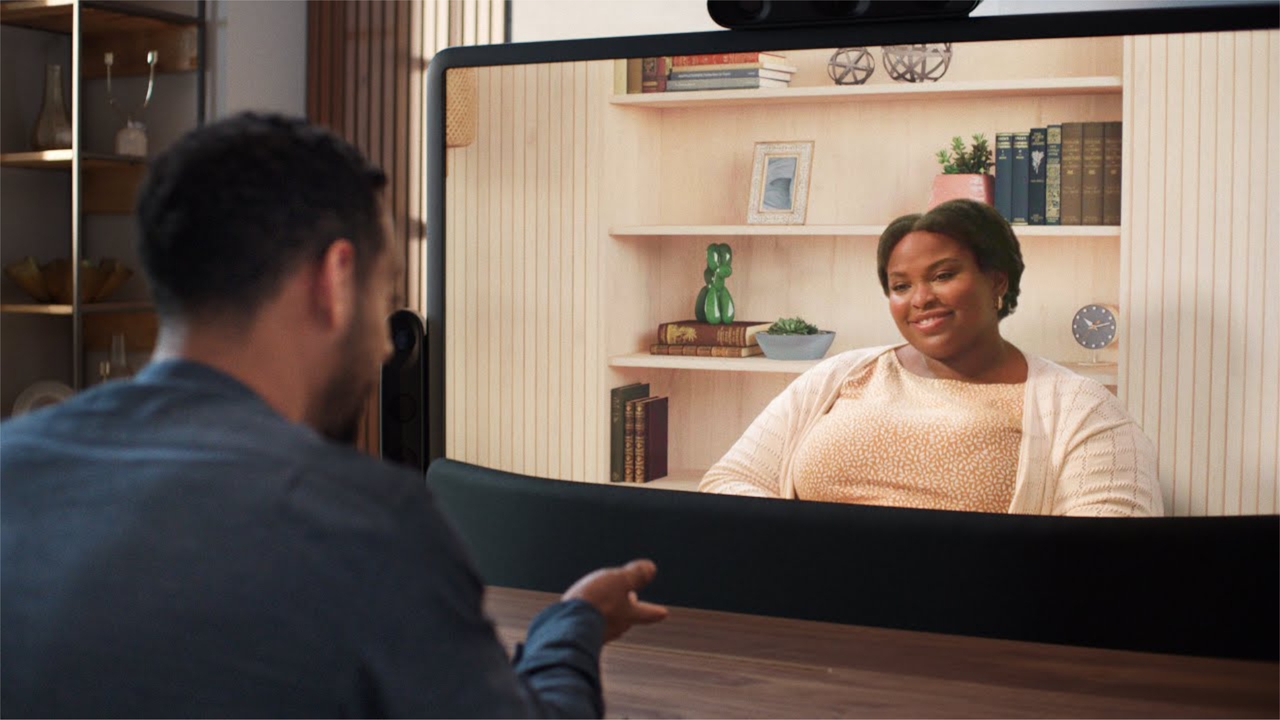
Beam represents a significant advance in remote interaction, but it is not without challenges. Price, hardware size and the need for a Beam display at each end of the call pose a considerable barrier to entry, which explains its initial focus on the corporate sector. However, As has happened with other disruptive technologies, time and market competition are expected to help reduce these obstacles. so that, in a few years, three-dimensional communication will be as commonplace as standard video calls are today.
Google's goal is clear: transform remote communication An experience as close as possible to a face-to-face meeting, facilitating understanding, empathy, and decision-making. The commitment to artificial intelligence, collaboration with key partners, and a long-term vision predict an exciting evolution for this type of tool.
The arrival of Google Beam marks the the beginning of a new era in the field of professional video callsWith the integration of AI, instant translation, and a sense of lifelike presence, distances continue to shorten, and the future of global collaboration seems ever closer and more tangible.


I am a technology enthusiast who has turned his "geek" interests into a profession. I have spent more than 10 years of my life using cutting-edge technology and tinkering with all kinds of programs out of pure curiosity. Now I have specialized in computer technology and video games. This is because for more than 5 years I have been writing for various websites on technology and video games, creating articles that seek to give you the information you need in a language that is understandable to everyone.
If you have any questions, my knowledge ranges from everything related to the Windows operating system as well as Android for mobile phones. And my commitment is to you, I am always willing to spend a few minutes and help you resolve any questions you may have in this internet world.