If you've recently purchased a cell phone, you may find that reverse battery charging is one of its features. This technology quietly entered the smartphone market a few years ago. Since then, it hasn't received many improvements, but Yes, it is useful when we know what it is and what it is for.All the details below.
What is reverse battery charging?
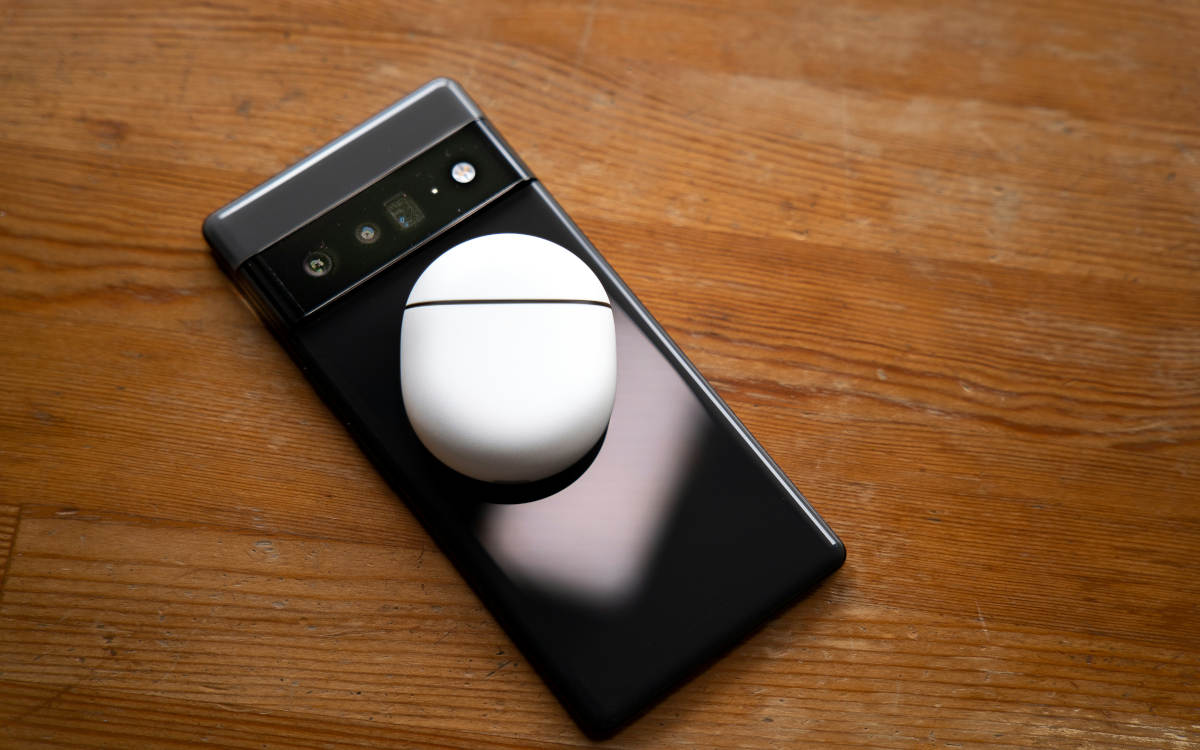
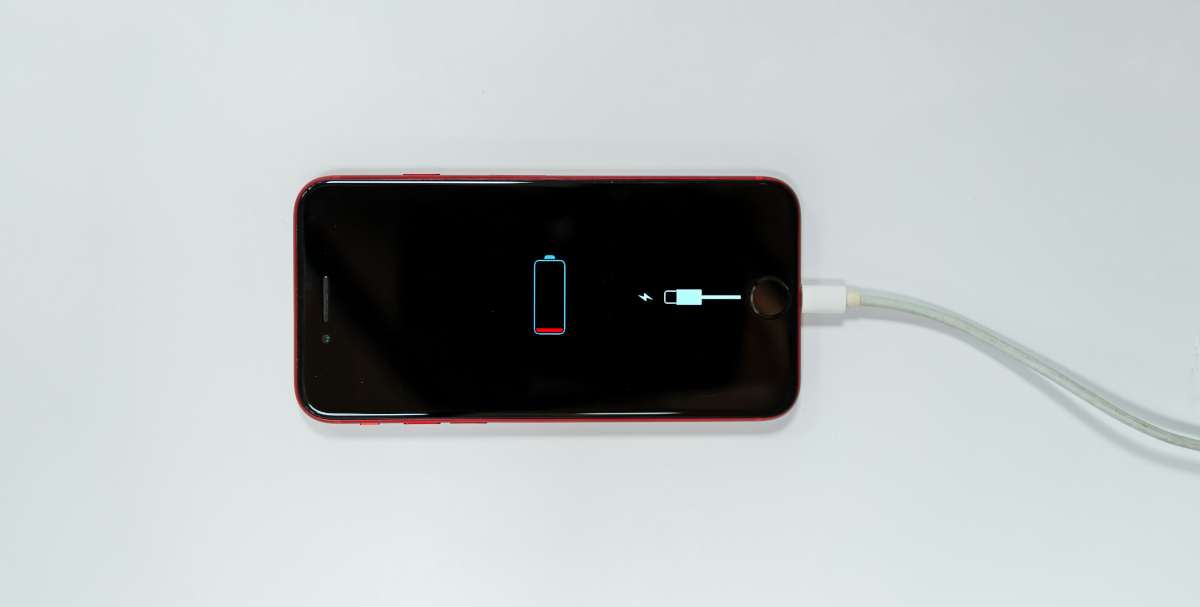
Has your phone ever run out of battery while you were away from home? Maybe you didn't have your phone charger with you, or there wasn't a power outlet nearby. In these cases, how nice it would be to be able to share power with your phone by using the power from another device! With this in mind, phone manufacturers have developed a technology called reverse battery charging (wireless power sharing o reverse wireless charging).
What is reverse battery charging? Basically, it's a technology that allows one electronic device to charge another compatible deviceThis device stores charge like any other, but it's also capable of sharing it via magnetic induction or a wired connection. In other words, it's not only capable of receiving charge, but it can also do the reverse: deliver it.
Reverse battery charging is present in several mid-high range devices, mainly in telephones. Recently, other teams are also incorporating it, such as some laptops y tablets, headphones, bands y smartwatchesThus, these devices become a power source for others, increasing the battery life of the gadgets you use every day.
Types of reverse charging
We already mentioned that reverse charging can be implemented using magnetic induction or a wired connection. This means there are two types of reverse battery charging: wireless and wiredThe first operates in a very similar way to the traditional wireless charging; the other uses the USB OTG Power Delivery standard to deliver power over a USB-C cable.
Wireless Reverse Charging (Qi Reverse Charging)
Reverse battery charging is usually wireless and It uses the Qi standard, the same one used by traditional wireless chargers.But instead of using a wireless charging pad as the power-emitting device, a mobile phone or other device with this technology is used. This generates an electromagnetic field that transfers energy to the receiving device. This way, for example, you can charge AirPods with an iPhone or Galaxy S23.
Reverse battery charging by cable (USB OTG Power Delivery)
Some mid-range to high-end phones allow you to send power to another device using a USB-C cable. To do this, they use the standard USB On-To-Go Power Delivery, a fast charging protocol that delivers between 5W and 18W intelligently. Thus, reverse wired charging not only It is faster than wireless, but is also advantageous when the receiving device does not support wireless charging.
How reverse charging works
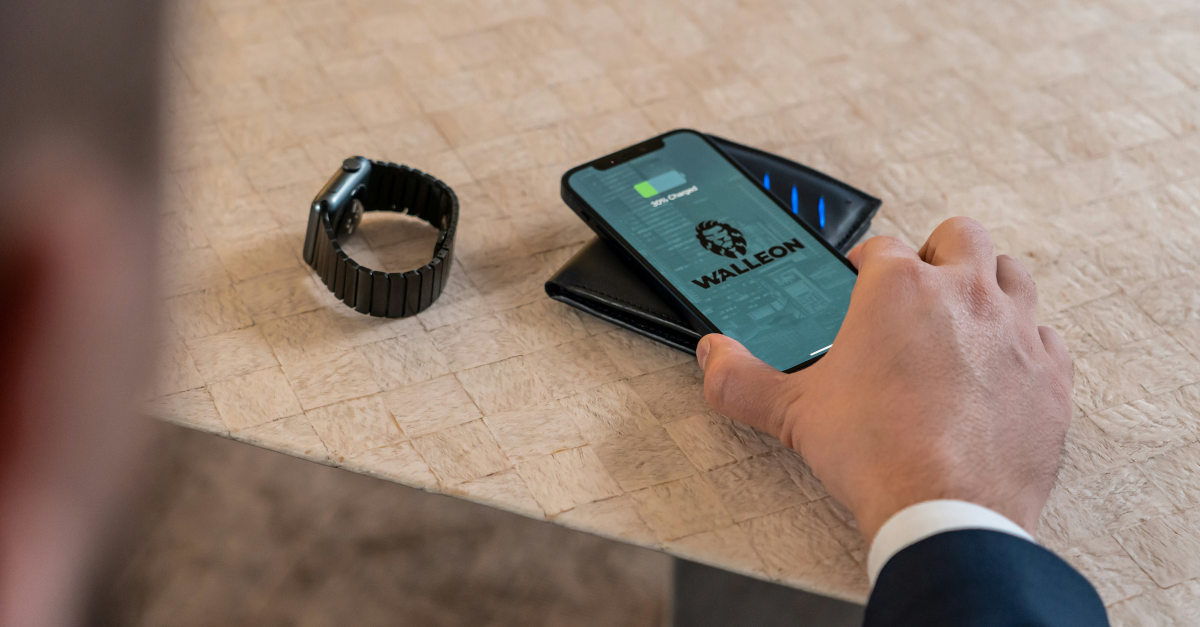
While reverse battery charging can be wired or wireless, in most cases the latter is preferred due to its convenience. When a device features reverse charging, it means it can be used to transfer power to other equipment wirelesslyAnd how does it work? In a way that's both simple and complex.
The science behind this technology takes advantage of the the ability of electromagnetic waves to transfer information and energy. The reverse charging mobile phone has a induction coil which can both emit and perceive electromagnetic fields. The device we want to charge must also have a coil inside that can, at the very least, capture these waves.
So, once reverse charging is activated, the emitting device creates a magnetic field that can be captured by the compatible device placed on top of it. The latter receives the energy and converts it into electric current to charge its own battery. Simple yet complex! All of the above suggests the requirements to be able to use reverse charging:
- The emitting device must withstand reverse chargingSome phones with this technology are the iPhone 15, Huawei Mate 60, and the Samsung Galaxy S24.
- The receiving device must support Qi wireless charging. or support USB OTG charging. Many earphones, bands, and smartwatches are supported.
- It is recommended that the transmitting device has at least 20-30% charge to avoid a sudden shutdown.
What reverse battery charging is good for (and what it isn't for)
How do you know if a device has reverse battery charging? The best way to find out is by looking at the technical specifications provided by the manufacturer. If it's available, it means you can use it to charge other compatible devices. What practical uses can you give to this technology? Let's see what reverse charging is for and how you can use it:
- Load small accessoriesHave your wireless earbuds run out of battery? You can place them on the back of your phone (if it supports reverse charging) to recharge wirelessly. They also work to charge watches, bands, smart pens, and any Qi-compatible device.
- Give battery to another mobile phone that has been discharged so that it can be used for a few minutes, perhaps during an emergency.
- Save space when traveling, because instead of carrying three different chargers, you can use your phone as a charger for other small devices.
While reverse charging is a novel feature that can get you out of a tight spot, it's not a useful solution in every situation. In fact, has serious limitations, such as:
- It is not the best option if you want fully charge another device. Wireless reverse charging is very slow, so it's only good for giving another device an emergency boost.
- It also does not replace conventional chargers., which are so far the fastest and most effective option.
- Reverse battery charging It's no use if the other device doesn't have wireless charging..
- Using it for a prolonged period can generate a lot of heat and end up damaging both devices. It only needs to be used for short periods.
Now that you know what reverse battery charging is and what it does, you can put it to the best use. Remember: take advantage of this feature as an emergency battery that always goes with youWhile it doesn't replace traditional chargers, it's useful for powering small accessories or helping a device with low battery.

From a young age, I've been fascinated by all things scientific and technological, especially those advancements that make our lives easier and more enjoyable. I love staying up-to-date on the latest news and trends, and sharing my experiences, opinions, and tips about the devices and gadgets I use. This led me to become a web writer a little over five years ago, focusing primarily on Android devices and Windows operating systems. I've learned to explain complex concepts in simple terms so my readers can easily understand them.